

Curious about how hues can shift mood and well-being? Many people describe the way healing feels using simple visual terms. They lean on tones and shades to explain calm, focus, or renewed vitality.
This short guide shows two clear lenses readers will use: a chakra-based view of symbolic meanings, and modern light and color therapy backed by practical use. You’ll learn easy ways to pick a hue for a goal and use it at home, without costly gear.
Expect friendly, science-minded tips that honor your intuition. I’ll also add a gentle reminder: color and light tools can support wellness routines but do not replace medical care when serious concerns arise.
For deeper methods and a wider guide to energy work, see the ultimate guide to energy work.
Key Takeaways
- Hues are practical metaphors that help describe shifts in mood and body.
- No single shade fits all goals; choices depend on calm, focus, or vitality.
- Two main approaches: chakra meanings and modern light therapy.
- Simple, low-cost uses at home can make a daily routine more soothing.
- Tools can support care but are not a substitute for medical treatment.
Healing energy and color: why people associate wellness with specific hues
From folk sayings to lab studies, hues crop up as a quick way to talk about inner change.
We notice color first, then we notice how it shifts our attention and comfort. That quick shift helps explain why many people link tones to calm, focus, or lift in daily life.
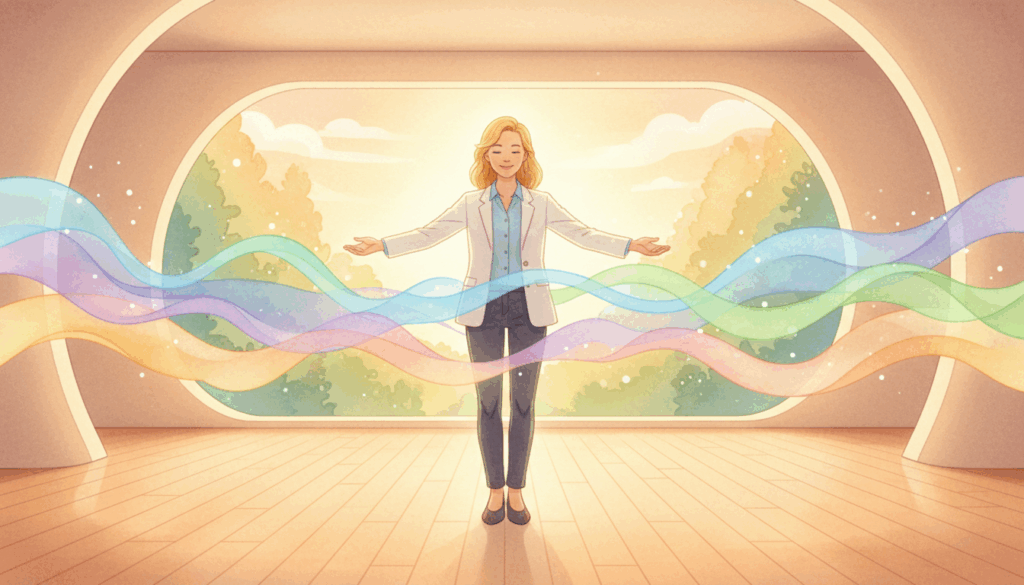
How colors influence emotions, mood, and the mind-body connection
Cultural phrases like “feeling blue” or “seeing red” show how colors and emotions already live in our speech. Those phrases point to a shared habit: we name inner states with visual cues.
Calmer hues often make it easier to relax. That calmer state can improve sleep choices and stress habits, which helps the body and mind work better.
Vibrational “frequency” and energetic signatures in everyday life
Many systems use “frequency” as a metaphor to describe an energetic signature for hues. This idea helps explain why someone might choose soft blues for a bedroom and warm tones for a workout corner.
“Color cues offer simple, low-cost ways to steer mood and focus without dramatic tools.”
- Why it matters: color acts as a cue that supports behavior changes.
- Individuality: one person’s calm tone may feel dull or loud to another.
- Next step: beyond symbolism, light exposure itself can alter daily rhythms.
How light interacts with the body in modern color therapy and light therapy
Light acts like a daily signal the body reads to tune alertness, rest, and mood. Visible light is measured by wavelength; shorter waves look blue and carry more perceived intensity, while longer waves look red and feel warmer to the eye.
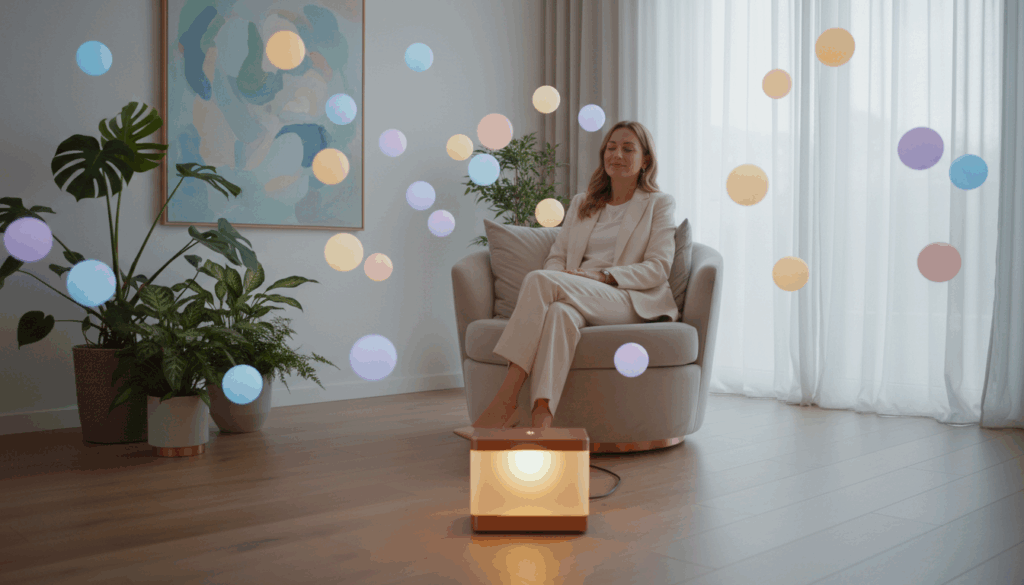
Visible spectrum basics
The brain receives light through photoreceptors in the eye. Those signals travel to areas that set circadian timing and hormone rhythms.
Light, rhythms, and mood
Regular daytime exposure to bright or blue-enriched white light can boost daytime alertness and steady mood for many people. It helps align the sleep-wake cycle by shifting internal timing.
Comparing approaches
Color light therapy, often called chromotherapy, uses specific hues for targeted effects. Bright light therapy uses full-spectrum or blue-enriched white light to mimic daylight and support sleep timing and mood.
“Use light with intention: timing matters, especially for blue-toned sessions late at night.”
- Common outcomes: more daytime energy, steadier mood in darker months, and improved sleep timing.
- Use with care: light supports health but does not replace medical advice.
| Approach | Typical aim | Common tools |
|---|---|---|
| Chromotherapy (color light) | Targeted mood or relaxation cues | Colored LEDs, filtered lamps |
| Full-spectrum light | Simulate daylight for rhythm support | Panel lamps, light boxes |
| Blue-enriched white light | Boost daytime alertness and shift sleep timing | Commercial therapy lamps, workplace lighting |
| Combined use | Blend mood cues with circadian support | Timed sessions, adjustable fixtures |
Next: even with science-informed approaches, a single universal hue rarely fits every person’s goal.
what color is healing energy and why there isn’t one universal answer
No single shade fits every intention; match your choice to the outcome you want.
Healing goals matter. Calm, vitality, mental clarity, growth, and heart connection each call for different tones. Calming options tend to lean toward soft blues and greens for rest and stress relief. Energizing hues favor warm yellows and reds to spark motivation and circulation.
Why systems recommend different hues
Chakras map tones to body centers. Chromotherapy charts map lights to common mood aims. Personal intuition adds a vital layer: what you’re drawn to can signal a real need.
- Quick decision lens: Ask, Do I need calm, clarity, confidence, creativity, or connection?
- Pick a matching shade and try small, safe experiments at home.
- Use daily choices—clothing, décor, or a lamp—before trying intense therapy tools.
| Goal | Typical tones | Easy trial |
|---|---|---|
| Calm / sleep | Soft blue, gentle green | Blue lamp or bedding |
| Clarity / focus | Yellow, clear white | Bright task light |
| Heart / connection | Green, pink | Plants, pink accents |
Next: chakras offer one widely used map for matching tones to centers.
The chakra system as a map of energy centers and healing colors
A practical chakra map helps you match a sensation in the body to an applied focus. This traditional system names seven main energy centers, each linked to a location, theme, and a representative color.
What chakras are and why each center has a role
Chakra charts act like a guide. They connect bodily signals—tight chest, sore throat, low drive—to specific points to support targeted practice.
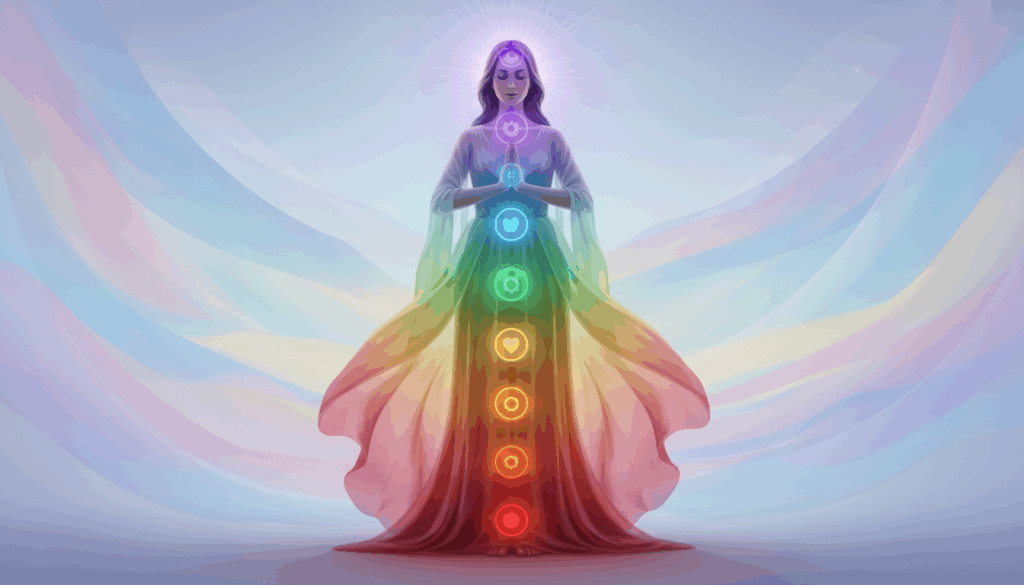
Rainbow order overview
The seven chakras follow a rainbow from root chakra at the base of the spine to crown at the top. That order helps you orient focus quickly during meditation or a calm session.
Seeing colors during meditation or energy work
Many people report visual impressions in sessions. Reiki practitioner Lillie Marshall notes that repeated hues often point to a dominant center or theme to explore.
- Repeat signals: a recurring color can hint at unresolved patterns like confidence or grief.
- Different ways to sense: some visualize; others feel the theme emotionally; all can benefit from focused practice.
Next: a compact cheat sheet will list each chakra, its common meanings, and how balance feels.
Chakra colors and core themes for balance
Think of each center as a small compass; its associated hue points to a core theme to work on.
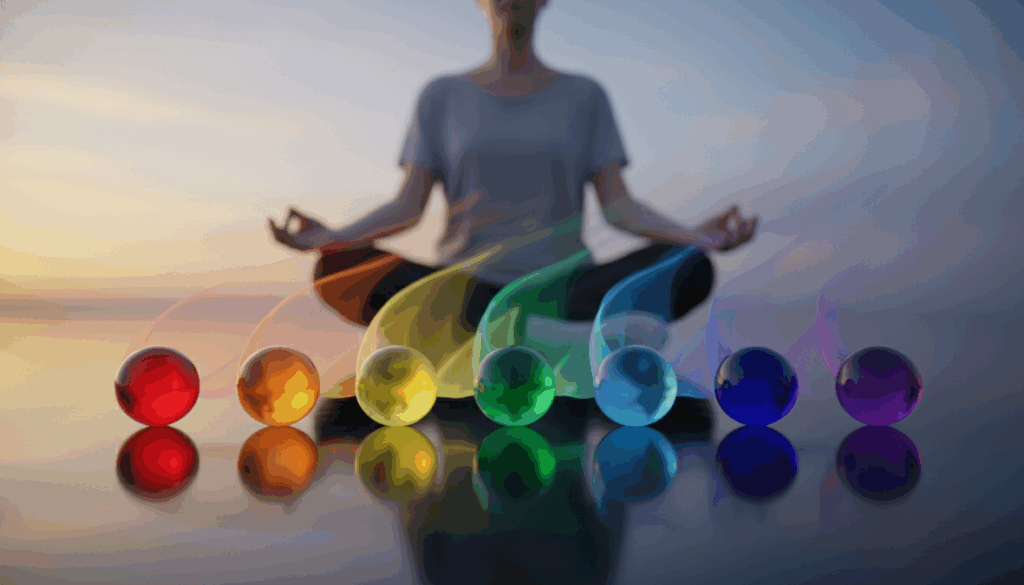
Root chakra — red and black: grounding and safety
Root chakra focuses on stability, basic needs, and bodily safety. Use red or touches of black when you feel scattered or anxious. Small steps like sturdy shoes or warm reds in your space help restore vitality.
Sacral chakra — orange: creativity and flow
Orange supports play, pleasure, and flexible feeling. Try a bright accent or creative projects to reopen emotional flow and joy.
Solar plexus — yellow: confidence and clarity
Solar plexus links to personal power. Yellow cues can lift motivation and bring clear decision-making when doubt feels loud.
Heart chakra — green and pink: love and harmony
Heart chakra invites compassion, forgiveness, and relational balance. Green or soft pinks help soften defenses and support emotional repair.
Throat chakra — blue: truthful calm
Throat chakra aids expression and honest speech. Use calm blue tones to steady voice and clarity during conversations.
Third eye — indigo: intuition and insight
Indigo invites reflection and inner vision. Short meditation or journaling while visualizing indigo can sharpen the third eye.
Crown chakra — purple or white light: connection and expansion
Violet or white light supports meaning-making and spiritual openness. Gentle rituals or quiet time under soft light can deepen a sense of purpose.
“Match a simple hue to a single theme and try it for a week to see small, useful shifts.”
Light therapy color meanings: what each healing color is commonly used for
Practitioners often map each hue to a clear purpose so you can pick a tone for a specific mood shift.
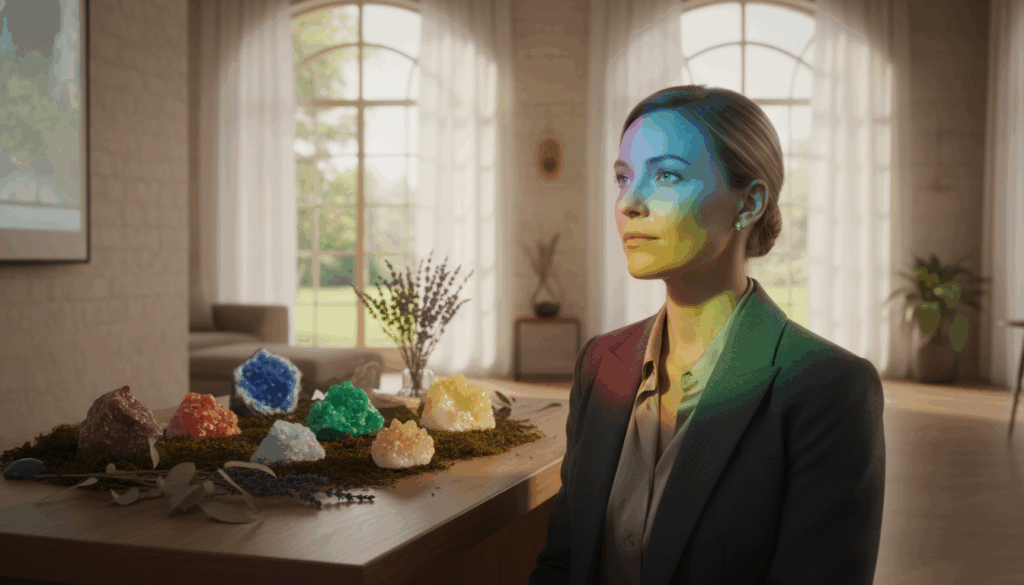
Red
Use for: wake-up support, vitality, and circulation. Try short, bright sessions when you feel sluggish.
Orange
Use for: warmth and creativity. Soft orange tones can lift playfulness and break dull patterns.
Yellow
Use for: positivity, motivation, and mental clarity. Place a warm task lamp near work areas for clearer focus.
Green
Use for: balance, heart care, and gentle restoration. Green tones often support steadiness and calm interaction.
Blue
Use for: calm and stress relief. Short blue sessions can quiet a loud mind and improve focus.
Indigo
Use for: intuition and inner insight. Use indigo for reflection or journaling sessions.
Purple / Violet
Use for: transformation and higher awareness. Soft violet suits meditation and meaning-making.
White light
Use for: cleansing, purity, and amplification. White light can reset a space or boost the effect of another hue.
- Tip: match a short session to one goal — try a single hue for a week to test practical results.
- Safety: time sessions mindfully and consult a professional for persistent concerns.
How to use healing colors in daily life without special equipment
You can use worn items and room accents to guide feeling and focus. These choices are low-cost and fit into normal life.
Wear it
Choose a color for the day and add a scarf, nail polish, or a small piece of jewelry that matches the chakra you want to support.
For grounding pick warm tones; for calm pick soft blues or greens. People notice small changes fast when they repeat them.
Surround yourself
Swap one pillow, a desk accessory, or a plant to shift the mood in a space. Gentle ambient light in a chosen hue can help during work or rest.
Workplace tip: use blues and greens to steady focus, warmer tones for bursts of creativity.
Meditation practice
During a short meditation, visualize a single hue at a specific chakra and pair it with a clear intention, like clarity or heart-softening.
Trust what feels right. Small, steady practice often helps more than big, rare changes.
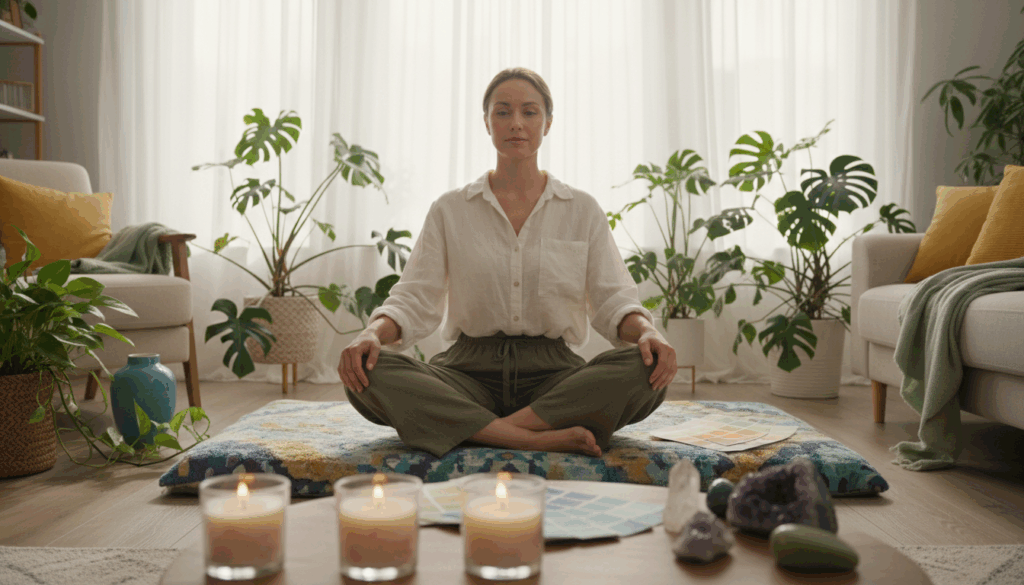
| Action | Simple example | Goal |
|---|---|---|
| Wear it | Scarf or ring | Support chakra, steady mood |
| Surround | Pillow, desk lamp | Shift workspace or rest area |
| Meditate | Visualize hue at chakra | Focus intention, ease feelings |
Color light therapy techniques and tools people use today
Today’s devices range from handheld LEDs to full-room setups that set an atmosphere. Tools span simple bulbs and gels to dedicated LED panels and soft fabrics that alter mood and routine.
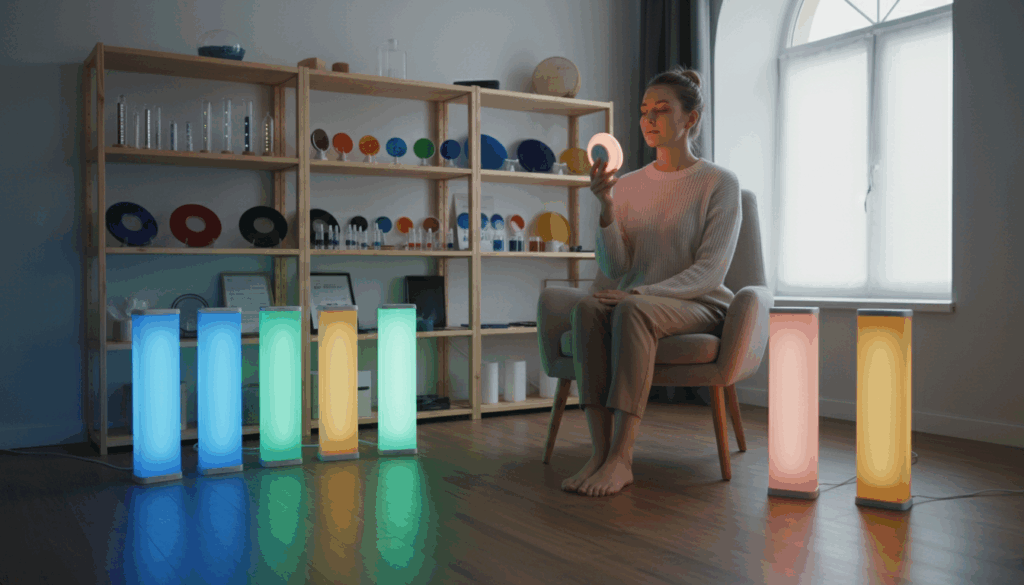
LED light therapy: targeted wavelengths for focused support
LED devices emit specific wavelengths aimed at goals like skin wellness or mood lift. Sessions tend to be short and focused; many people use LEDs in wellness or skincare routines without medical claims.
Color-filtered light: adjusting intensity and duration
Filters and gels isolate a single hue so you can control brightness and session length. Moderate intensity and short starts reduce eye strain and let you test effects on sleep and mood.
Immersive chromotherapy: fabrics, rooms, and rituals
Room setups mix lamps, textiles, and ritualized steps to create a sustained atmosphere. These immersive options support relaxation and gentle shifts in attention.
- How to start: try 5–10 minute sessions, low brightness, and track changes.
- Protect the eye—avoid staring at intense sources and stop if you feel headaches.
| Tool | Typical use | Notes |
|---|---|---|
| LED panel | Targeted support | Short, focused sessions |
| Filtered lamp | Single-hue exposure | Control intensity/duration |
| Room setup | Extended ambiance | Combine fabrics and lighting |
Once you know available tools, choose a hue with a clear goal in mind. For guidance on sending intentions alongside sessions, see how to send healing energy.
How to choose the right healing color for your goal
Begin with a clear goal and let a matching tone guide your choices. Pick one outcome, then test a simple option for a week. This keeps choices manageable and practical.

Stress relief and sleep support
Blue and gentle green are common picks for calm and rest. They slow visual stimulation and help the mind wind down.
Note: avoid bright blue light late at night. Timing matters for sleep rhythms.
Confidence and mental clarity
Yellow links to solar plexus themes like confidence and quick decisions. Use a warm yellow lamp or an accent before a big task to boost clarity.
Heart healing and connection
Green and soft pink support the heart chakra, helping harmony, self-compassion, and better connection with others.
Intuition and inner focus
Indigo and purple suit third eye work. Try journaling or a short reflective session while visualizing those tones to sharpen intuition.
“Pick a goal, test one hue for a week, then adjust based on how you feel.”
- Simple framework: goal → hue family → short trial.
- Test and adjust: notice shifts, refine choices rather than forcing rules.
- Reminder: the best hue supports your goal and feels safe in daily life.
For guided aura practices that pair focus with selection, see aura readings.
Benefits, safety, and considerations before you start color or light therapy
Simple sessions can help mood and daily energy, but safety matters just as much as results.
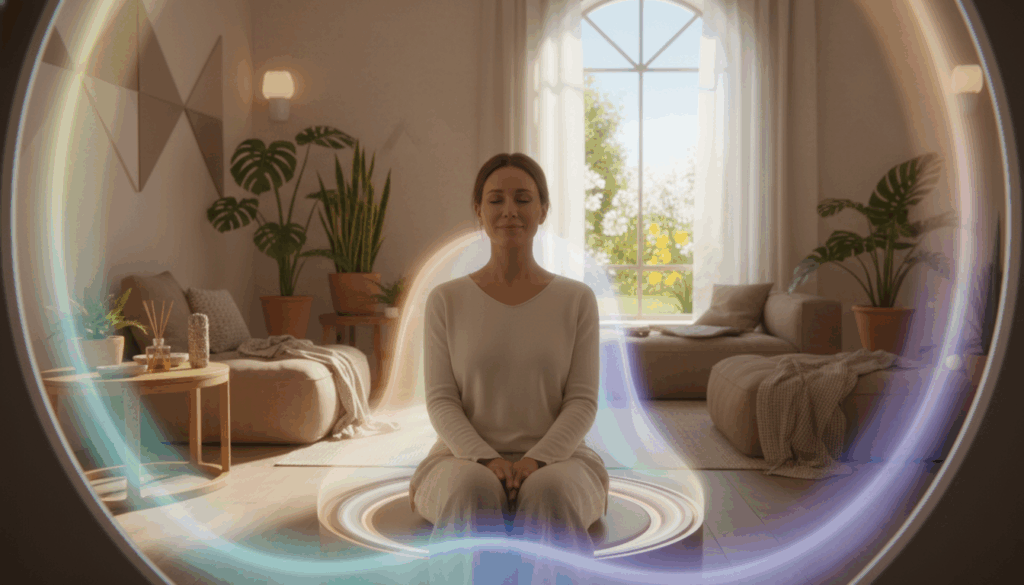
Common benefits
Reported benefits include clearer mood, better relaxation, and steadier daytime energy when sessions are consistent and modest in length.
Start small and test a single short session for several days to see if you notice changes.
Potential side effects
Some people get eyestrain or headaches from bright or prolonged sessions. Using high-intensity sources late in the day can also disrupt sleep.
Who should use caution
Talk with a clinician first if you have photosensitivity, known eye conditions, or take photosensitizing medications.
People with bipolar disorder should avoid bright, unsupervised treatment and seek professional guidance.
Best-practice basics
Begin low and slow. Keep sessions brief and consistent, and log timing plus how you felt afterward to spot patterns.
Morning or earlier-day sessions usually support sleep-wake alignment better than late-night exposure.
“Stop and consult a professional if you have persistent symptoms, eye discomfort, or worsening sleep or mood.”
| Focus | Practical tip | When to consult |
|---|---|---|
| Boost mood | Short morning session; note changes over a week | Worsening mood after use |
| Improve energy | Use earlier in the day; avoid bright blue light at night | New sleep disruption or headaches |
| Safety checks | Check medications and eye health first | Photosensitivity, eye disease, or bipolar disorder |
For deeper guidance and tools that pair intention with practice, see the energy healing guide.
Conclusion
In short: pick one shade, use it with intention, and watch small shifts unfold.
Core takeaway: the right tone depends on your aim—calm, confidence, heart care, play, or deeper connection. Use two guides: chakra charts for inner themes and practical light-therapy meanings for everyday mood goals.
Try one simple test this week: wear an accent, swap a pillow, or add a brief visualization during meditation. If you keep returning to a particular hue, treat that pull as a useful clue about what your life needs.
Safety note: avoid bright sessions before bed, protect your eyes, and keep exposure modest. Used with care, color offers a gentle way to reclaim personal power and better connection with your world. For focused chakra work, see chakra balancing.
FAQ
How do colors influence emotions, mood, and the mind-body connection?
Light and hue affect the nervous system through visual pathways and psychological associations. Warm tones like yellow and orange often boost alertness and creativity, while cool tones such as blue and green promote calm and reduced stress. Simple daily choices—clothing, room paint, and lighting—send signals to the brain that shift mood and bodily responses.
What does it mean when people describe vibrational “frequency” or energetic signatures?
Those phrases describe metaphorical links between perceived hues and subjective states. Practitioners use them to explain why a color feels uplifting, grounding, or clarifying. Think of it as a symbolic shorthand rather than a strictly measurable physical frequency for emotions and intentions.
How does light exposure affect circadian rhythms, energy levels, and sleep?
Blue-rich white light suppresses melatonin and raises alertness, which helps daytime focus but can harm evening sleep. Warm, low-intensity light supports melatonin release and relaxation. Timing matters: use brighter, cooler light in the morning and softer, warmer light before bed.
What’s the difference between color light therapy and full-spectrum or blue-enriched white light?
Color light therapy uses specific hues to target mood or energetic goals (for example, red for vitality). Full-spectrum and blue-enriched white light mimic daylight to reset circadian rhythms and improve alertness. Choose based on intent—mood-shift versus biological timing.
Why isn’t there one universal hue that heals everyone?
Healing goals and individual biology vary. Grounding needs call for deep, warm tones; emotional openness may respond to greens and pinks; mental clarity often pairs with yellows. Cultural background and personal associations also shape which hue feels restorative.
How do different systems like chakras and chromotherapy assign different hues?
Systems developed from distinct traditions and aims. The chakra model links energy centers to a rainbow sequence for bodily and spiritual themes. Chromotherapy emphasizes psychological effects of single colors. Both offer useful frameworks but serve different practices and outcomes.
What are chakras and why are they linked to specific hues?
Chakras are symbolic energy centers used in several healing traditions. Each center corresponds to themes—survival, creativity, power, love, expression, insight, and connection—and practitioners match a hue to support that theme, forming a practical color map for visualization and focus.
What does it mean when I “see” colors during meditation or energy work?
Seeing hues can indicate a focused inner state, emotional release, or intuitive insight. Colors often reflect what your system needs in that moment—comfort, clarity, or compassion. Treat these experiences as clues, not definitive diagnoses.
Which hues correspond with each chakra and their core themes?
Root relates to deep red for grounding and safety; sacral to orange for creativity and emotional flow; solar plexus to yellow for confidence and clarity; heart to green (and sometimes pink) for love and balance; throat to blue for honest expression; third eye to indigo for intuition; crown to violet or white light for spiritual connection.
How are single hues typically used in light therapy and their common benefits?
Red supports circulation and vitality; orange warms and sparks enthusiasm; yellow boosts positivity and focus; green promotes balance and heart-centered calm; blue eases stress and aids sleep preparation; indigo and purple aid intuitive practices; white light cleanses and enhances other tones.
How can I use therapeutic hues at home without special equipment?
Integrate color through clothing, scarves, or jewelry; change room accents, artwork, or bedding; and use smart bulbs to shift ambient light. Practice guided visualizations during meditation that focus on a hue tied to your goal for an accessible daily ritual.
What tools and techniques do people use today for color-related support?
Common tools include LED panels with selectable hues, color-filtered lamps, immersive installations, and wearable chromatic accessories. Sessions vary in duration and intensity depending on intent—short boosts for alertness, longer sessions for relaxation or visual work.
How do I choose the right hue for a specific goal like stress relief or confidence?
Match the hue to the desired outcome: calming blues and gentle greens for stress and sleep; yellow and solar-plexus–focused work for clarity and confidence; green or pink for heart-centered healing; indigo or purple for intuition and inner insight. Start with short, mindful sessions and adjust by feel.
What are typical benefits and what safety considerations matter before starting color or light work?
Benefits include mood support, improved daily energy, and relaxation. Risks include eyestrain, headaches, and sleep disruption with improper timing or intensity. People with photosensitivity, certain eye conditions, or medication sensitivities should consult an eye doctor or healthcare provider before using strong light therapies.
Are there best-practice basics for safe and effective home use?
Use moderate intensity, limit session length at first, avoid blue-rich exposure late at night, and be consistent for several weeks to notice changes. If discomfort arises, reduce intensity or stop and seek professional guidance from a licensed light-therapy clinician or optometrist.