
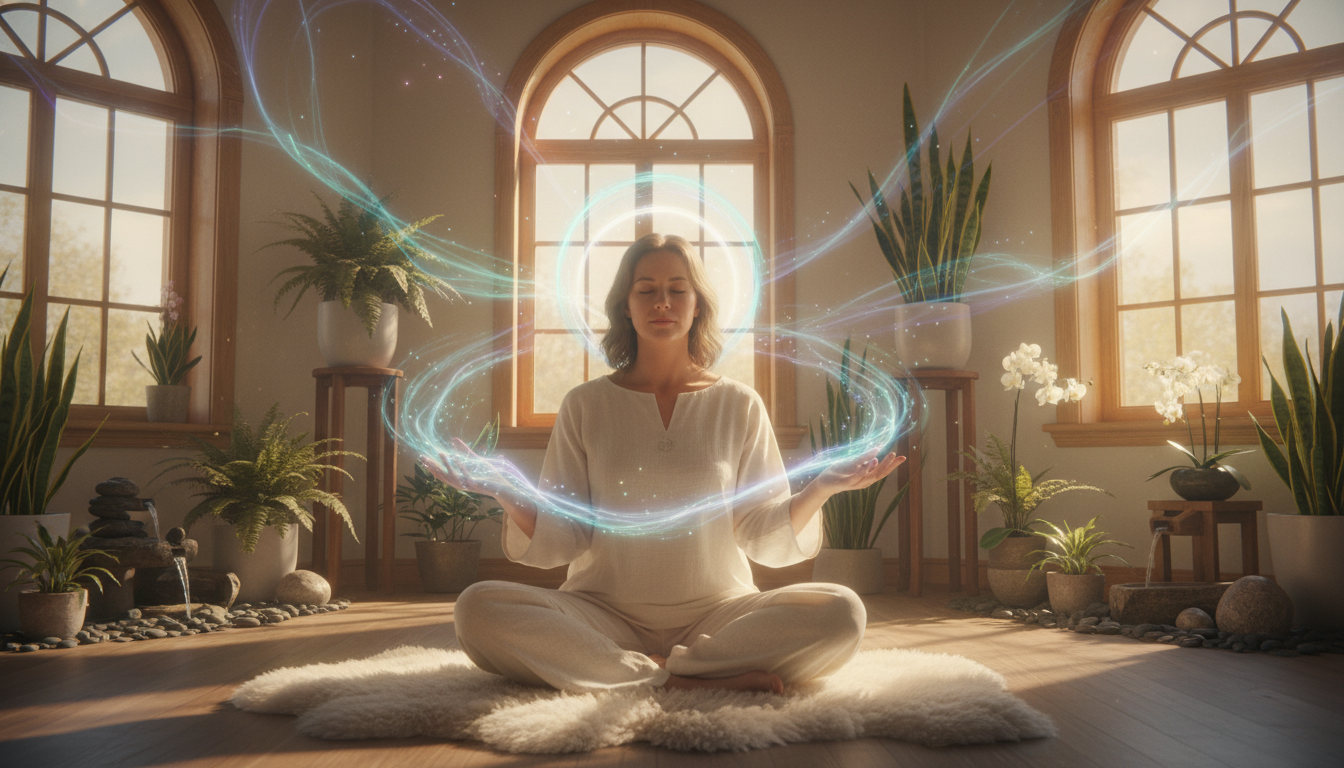
Curious about what this approach is and what a session looks like? This short guide clears that up with simple, practical info. You will learn what practitioners aim to do, what to expect in real life, and safe ways to add these methods to a wellness plan.
Many traditions describe a life force that flows through the body. Methods aim to restore balance and flow. Techniques range from light touch to hands-off approaches, and some sessions happen by video.
People commonly use this care as a complement for stress, anxiety, pain, and general health, not as a replacement for medical treatment. Research strength varies by modality; acupuncture and Reiki have more studies, while others need better trials.
Practical takeaways: you will get tips on preparing, common sensations people report, and ways to combine these therapies with your care plan safely.
Key Takeaways
- Learn what sessions aim to achieve and what they feel like.
- Methods include touch, non-touch, and remote formats.
- Use these practices as complementary to medical care.
- Acupuncture and Reiki have relatively stronger research support.
- Prepare simply: rest, set intentions, and communicate with your provider.
Energy healing basics: life force, energy field, and balance
Traditional systems call a vital flow by names like qi, prana, and ki—each pointing to a shared belief in a sustaining life force. This idea links many remedies and practices across cultures.
What the life current means in different traditions
Life force energy is a simple way to say there is a vital current that supports the body and mind. In TCM it is qi. In Ayurveda it is prana. In Japanese approaches it is ki.
The subtle field and its role
Many practitioners describe an energy field around and through the body. They say this field can affect physical and emotional states. Small shifts in the field may show up as changes in mood, sleep, or pain.
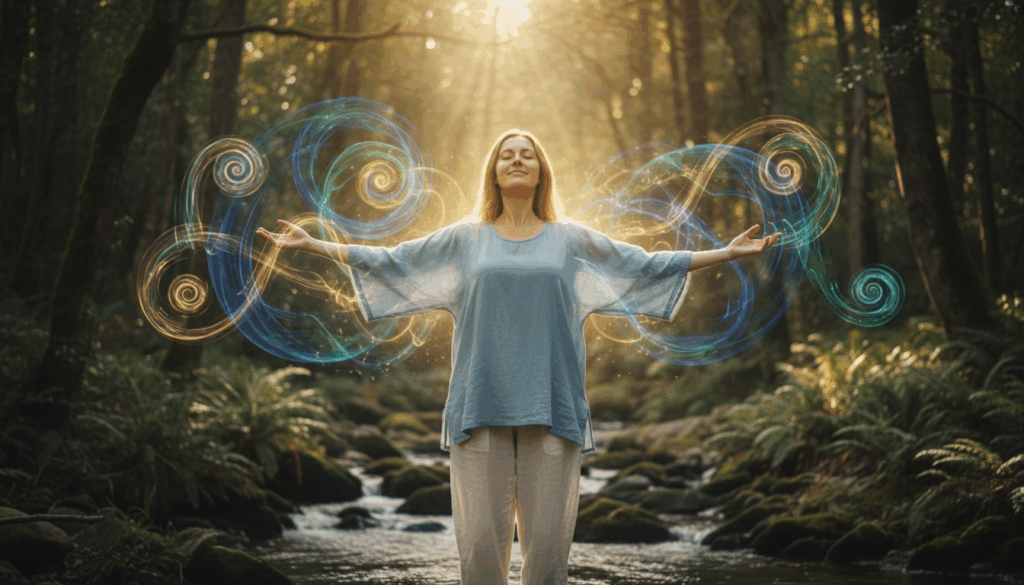
Blocked flow and common signals
When flow feels stuck, people report feeling drained, wired, heavy, or out of sync. Tension, restlessness, emotional tightness, and low mood are common descriptions.
Watch for patterns—sleep dips, flare-ups of pain, or mood swings can be signals to explore. Persistent or worsening symptoms should be discussed with a qualified healthcare provider.
“Restoring balance aims to support physical, mental, and emotional well-being.”
For a detailed overview and safe guidance, see the ultimate guide to energy healing.
How does energy healing work in practice?
A calm session aims to reset balance in the body and mind so people feel steadier day-to-day.
Setting the goal usually starts with a short chat. The main goal is to restore balance to support physical, mental, and emotional well-being. Many people book sessions to ease stress, reduce anxiety, and boost overall health.
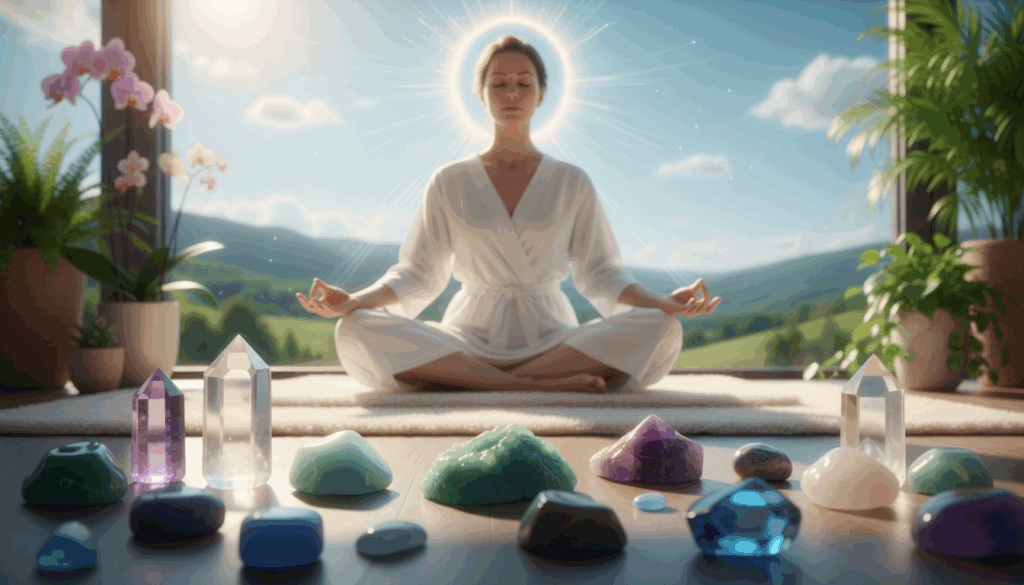
Hands-on vs non-touch approaches
Hands-on or light-touch methods place the hands on or near the body. Non-touch sessions often use hovering, scanning, or movement above the body. Both aim to influence energy flow and promote a calmer nervous system.
Why relaxation matters
Relaxation is central because rest-and-digest shifts reduce physical tension and clear mental noise. When the parasympathetic system activates, people report softer breathing, less pain, and better sleep.
| Method | Main action | Common result |
|---|---|---|
| Hands-on | Light touch on clothes or skin | Grounding, reduced muscle tension |
| Non-touch | Hovering, scanning field | Deep calm, subtle shifts in mood |
| Relaxation focus | Breath and stillness | Improved sleep and stress relief |
Realistic expectations: these therapies support quality of life and coping. They are best used alongside medical care for persistent symptoms.
Quick checklist: arrive hydrated, wear comfortable clothing, and bring 1–2 clear goals (for example, feeling calmer or easing neck tension). For guidance on remote or practical steps to send attention from afar, see send healing energy.
Common energy healing techniques and what they’re used for
Here are familiar methods people choose, with plain notes on what each one aims to offer.
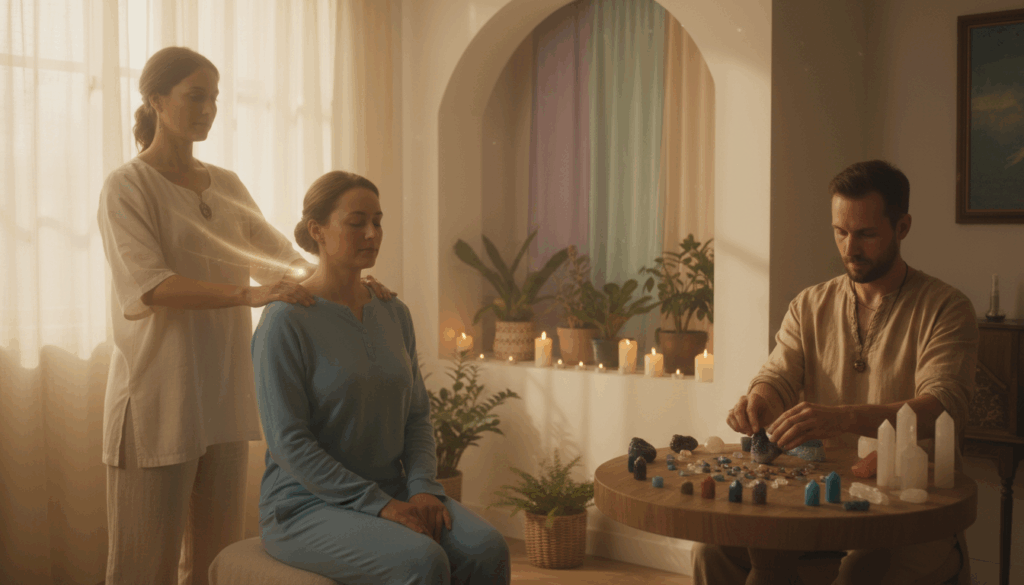
Reiki
Rei means universal and ki means life force. A practitioner acts as a conduit, using light touch or hands hovering to support deep relaxation and balance.
Acupuncture
From Traditional Chinese Medicine, this practice uses very thin needles at acupressure points (often head, neck, face, back). It’s commonly chosen for pain relief and symptom support.
Pranic healing
This is non-touch; a practitioner scans the aura for blockages, clears them, then recharges the field. People try it to reduce stress and restore body energy.
Qigong
Qigong mixes breath with gentle movement. Regular practice can improve qi flow and is often used to support sleep and healthy blood pressure.
Emotional Freedom Technique (EFT)
EFT pairs tapping on acupressure points with reframing statements. It’s a structured tool people use for stress and anxiety relief.
Therapeutic Touch & Polarity Therapy
Both assess imbalances in the energy field. They blend centering, gentle touch, movement, and habit shifts like mindful breathing or diet changes to restore balance.
Quantum Touch & Reflexology
Quantum Touch uses light contact, focused breathing, and sensation tracking to ease tension. Reflexology applies pressure to hands, feet, or ears to support pathways and reduce pain or stress.
| Technique | Main action | Typical use |
|---|---|---|
| Reiki | Hands on/hovering | Relaxation, balance |
| Acupuncture | Thin needles at points | Pain, symptom support |
| Pranic | Non-touch aura clearing | Stress reduction, field clearing |
| Qigong | Breath + movement | Sleep, blood pressure support |
“Choosing a method depends on your goals—relaxation, pain relief, or better sleep.”
Want a practical guide on session steps and tips? See our page about perform energy healing for clear next steps.
What to expect during an energy healing session
A typical session starts with a brief intake to set intentions and name the main areas you want support with.
Before the session
Pick 1–3 symptoms or areas to focus on, such as pain, anxiety, or stress. Jot a simple intention like “ease neck tension” or “feel calmer.”
Share any health details the practitioner should know, including medications or recent procedures.
During the session
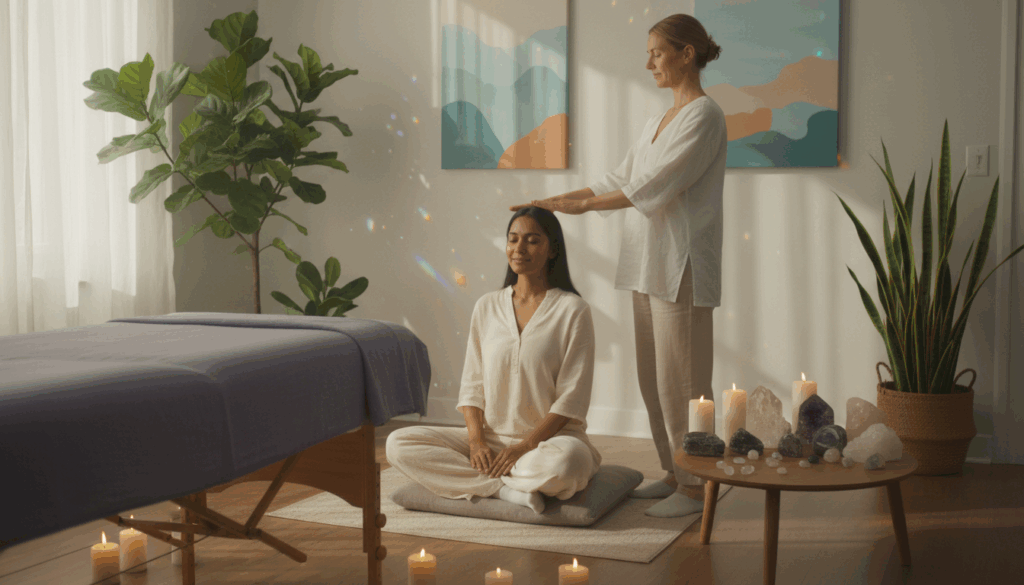
Most clients lie fully clothed on a massage table or a comfortable surface. The practitioner may use light touch or hover hands above the body depending on the method.
Sessions usually run 30–60 minutes with a few minutes at the start and end for grounding and questions.
Common sensations
People often notice warmth, tingling, gentle pulsing, or a sense of floating. Others feel heavy, sleepy, or emotionally moved.
Some notice subtle changes only; both responses are normal and valid.
After the session
Hydrate and avoid scheduling intense tasks right away. Track effects over time—sleep, mood, tension, and daily energy—so you can spot patterns.
Look for gradual shifts in calm and clarity rather than expecting a single dramatic change.
| Step | What to do | Typical outcome |
|---|---|---|
| Prepare | List 1–3 focus areas and set an intention | Clear session direction |
| Intake | Share symptoms and health context | Safer, tailored care |
| Session | Lie down; practitioner uses light touch or hovering | Relaxation, bodily sensations |
| Follow-up | Hydrate and observe effects over days | Better tracking of benefits |
For related support on psychic methods and session preparation, see psychic healing guidance.
Potential benefits for overall health, stress, and mental health
C
Adding this form of care can bring steadiness to daily life, easing tension and lifting mood for some people.
Relaxation and peace
Deep relaxation is a common report. When stress drops, digestion can improve, headaches may lessen, and mood often steadies.
Regular sessions can help people feel calmer and more emotionally balanced without replacing medical treatment.
Pain and tension
Many add energy healing to an existing care plan for muscle tightness or chronic pain patterns. It can support recovery and reduce perceived tension alongside conventional medicine.
Discuss any treatment changes with your provider so care stays coordinated.
Sleep and daily functioning
People often report easier sleep onset, fewer wake-ups, and more restorative rest. Better rest then boosts focus, patience, and overall quality of life.
“Feeling less overwhelmed and more peaceful can be a meaningful outcome even if symptoms remain.”
For a closer look at a specific approach, see what is scalar energy healing.
What the research says about energy healing and evidence today
Research into these methods shows promising signals for some outcomes, though results are uneven.
Clinical trials point to benefits for a few familiar approaches, with the strongest data for acupuncture and Reiki.
Where evidence is stronger
Acupuncture has consistent support for pain and function in several trials. Reiki also appears helpful for reducing pain and anxiety and for improving quality of life in some studies.
Notable findings: a 2014 review of randomized trials suggested Reiki may lower pain and anxiety. A 2011 trial that offered six 30‑minute Reiki sessions over weeks reported better mood versus no treatment. A 2013 review found benefits for cancer‑related symptoms (pain, anxiety, and quality of life) with touch-based modalities like therapeutic touch and Reiki.
Why results can be hard to measure
Blinding is difficult in touch and non‑touch sessions. Practitioner style, session length, and outcome measures vary a lot.
Many outcomes are subjective (sleep, mood, perceived pain), which raises variability across trials.
“Overall, the evidence is promising for symptom support and quality of life but not definitive as a cure for medical conditions.”
| Area | What trials show | Limitations |
|---|---|---|
| Pain | Acupuncture and some Reiki studies report reductions | Small samples and varied controls |
| Anxiety & mood | Reiki and touch therapies show mood benefits in several trials | Subjective measures; short follow‑up |
| Quality of life | Supportive signals in oncology contexts | Heterogeneous patient groups and methods |
Practical reader lens: treat the evidence as promising for symptom support and quality of life. Use these therapies alongside conventional medicine and track your own results.
Try keeping a simple log for sleep, pain scores, and anxiety ratings to see if a therapy helps you. For an overview of services and next steps, see energy healing.
Remote energy healing: how distance sessions work over video
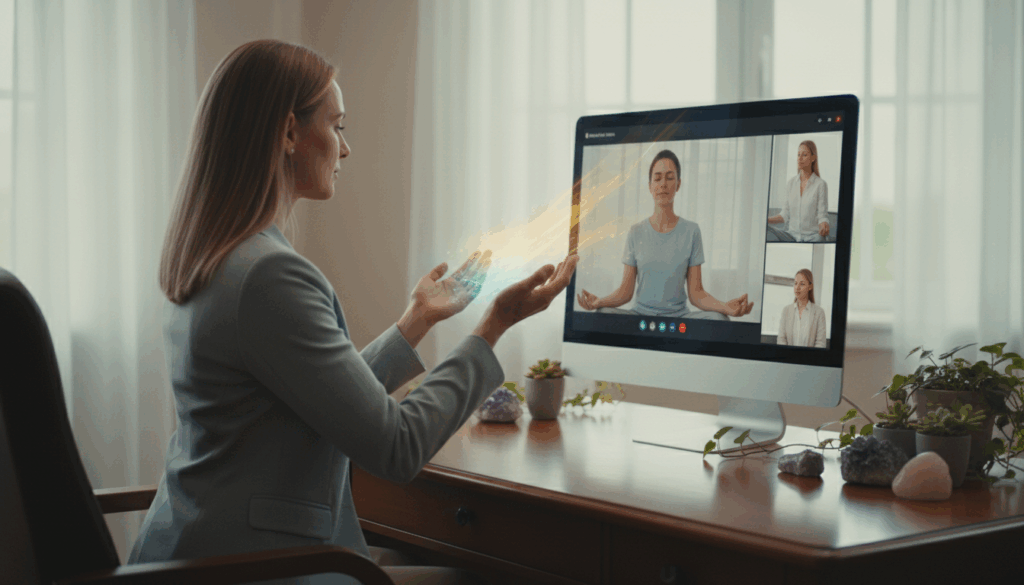
Virtual sessions use video to recreate a calm, focused experience while you stay at home. The format mirrors in-person steps: a short check-in, a guided session, then gentle grounding.
Setting up your space at home
Choose a quiet room and place your device on a stable surface so the practitioner can see you. Lie down with a pillow, blanket, and optional eye mask for comfort.
Silence notifications and close other apps. This helps relaxation and keeps the session focused.
What the practitioner needs from you
- Give a brief check-in on goals and any health notes.
- Provide verbal permission to begin and agree on a stop signal if you feel uncomfortable.
- Keep a simple way to communicate during the session (chat or voice).
Which methods translate well to distance
Reiki, chakra balancing, and aura cleansing are commonly offered remotely because they rely on guided attention, breath, and intention. Needle-based work like acupuncture is not suitable for distance delivery.
Common effects afterward and practical tips
Many report calm, clearer thinking, and a lighter emotional state—similar to a restorative nap. A 2015 pilot in oncology found short distant Reiki sessions lowered pain, anxiety, and fatigue.
Tip: give yourself 10–20 minutes after the session to integrate, and avoid multitasking for best results.
Safety, side effects, and how to combine energy healing with medicine
These complementary practices are usually safe when used alongside standard medical care.
Risks are low for most people because many methods are non‑invasive. Side effects are uncommon. Some clients report brief tiredness, mild emotional release, or feeling spaced out after a session. Rest, hydration, and light activity often ease these reactions.
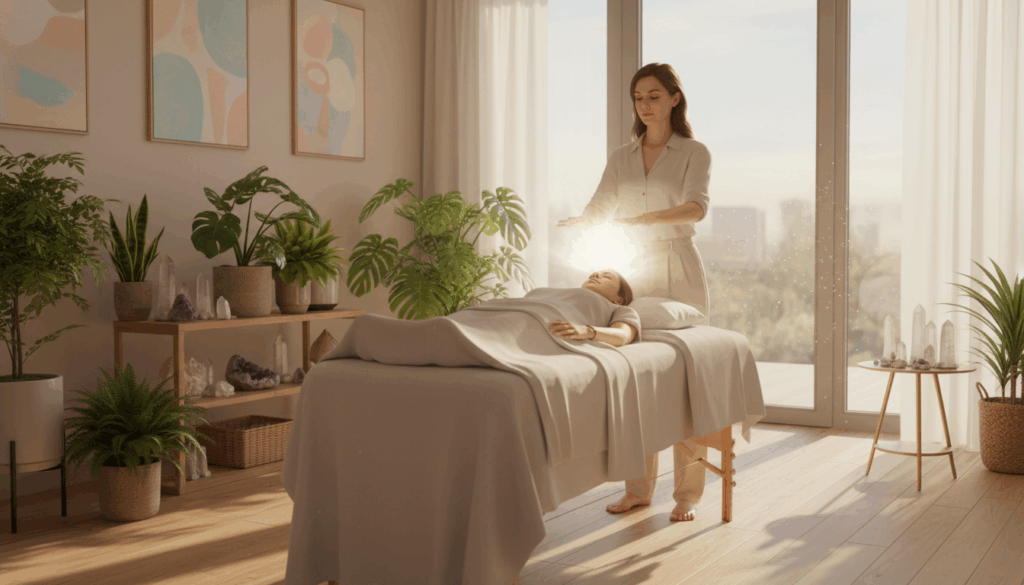
What these sessions can and cannot do
They support relaxation, coping, and symptom comfort but cannot be presented as cures for medical or mental health conditions. Use these practices as a supportive layer—not a replacement for diagnosis or treatment.
When to contact a medical provider
Talk with a clinician if you notice new or worsening symptoms, sudden pain changes, dizziness, or significant mood shifts. Also check with your provider about any concerns with blood pressure or blood tests before changing treatment plans.
Practical safety tips
- Keep taking prescribed medicines and attend medical appointments.
- Tell your practitioner about diagnoses, meds, and blood pressure issues.
- Agree on touch preferences and pacing before a session.
| Concern | Recommendation | Typical outcome |
|---|---|---|
| Temporary fatigue or emotional release | Hydrate, rest after session | Short recovery, clearer mood |
| Existing medical condition | Discuss with your clinician first | Safer, coordinated care |
| Blood pressure or blood tests | Notify practitioner and monitor | Reduced risk, tailored session |
“Use these therapies to support comfort and coping—keep clear communication with both your clinician and practitioner.”
Conclusion
Conclusion
Key idea: this approach centers on a life force concept, a field around the body, and the aim to restore balance and flow. Practitioners use touch, non‑touch, or guided attention to promote relaxation and calm the mind.
Practical steps: pick a method, set a clear intention, plan for a restful session, and track effects over a few visits rather than judging one meeting. Common goals include less stress and anxiety, better sleep, reduced pain, and improved overall health and daily function.
Evidence is mixed: acupuncture and Reiki have stronger trials, while other techniques need more study. If curious, book with a qualified practitioner, share your aims, and record results. For related options, consider chakra balancing.
FAQ
What does “life force energy” mean across traditions like qi, prana, and ki?
These terms describe a nonmaterial vitality believed to support living systems. Traditional Chinese medicine calls it qi, Ayurveda and yoga refer to prana, and Japanese traditions name it ki. Practitioners describe this force as a subtle presence that flows through pathways or channels and helps maintain balance in body and mind.
How is an energy field thought to influence health and well-being?
The idea is that an energetic field surrounds and interpenetrates the physical body, carrying information about tissue function, stress, and emotions. When that field is balanced, people often report better mood, clearer thinking, and fewer tension-related symptoms. Disruptions to the field are believed to precede or accompany physical and mental complaints.
What does “stuck” or blocked flow feel like in body and mind?
Blocked flow is commonly described as localized tension, heaviness, foggy thinking, or emotional reactivity. People may notice chronic tightness, unexplained aches, anxiety, or low energy. Practitioners use these sensations to guide where to focus treatment.
What is the main goal when setting intentions for a session?
The primary aim is to restore balance to support physical, mental, and emotional well-being. Clients and practitioners usually agree on specific areas—pain, sleep, anxiety, or general stress—so the session targets measurable and felt outcomes.
How do hands-on methods differ from non-touch techniques?
Hands-on approaches like Reiki or Therapeutic Touch involve light contact or hovering hands to sense and guide shifts in the field. Non-touch methods such as distant healing or some forms of pranic work use scanning, intention, or breath-based protocols without physical contact. Both aim to alter flow and reduce imbalance.
Why is relaxation a central part of sessions?
Relaxation activates the parasympathetic nervous system—the rest-and-digest response—which reduces stress hormones and muscle tension. That physiological shift can make it easier for people to notice subtle changes, integrate treatment effects, and experience emotional calm.
What is Reiki and what is it used for?
Reiki is a Japanese-derived practice where a practitioner channels universal life force through the hands to promote relaxation and reduce distress. People commonly use it for stress relief, sleep improvement, and emotional support alongside other care.
How does acupuncture aim to rebalance flow?
Acupuncture inserts thin needles into specific points along meridians to stimulate nervous system responses and encourage circulation. Clinical research shows benefits for pain and some anxiety-related conditions when used by licensed practitioners.
What happens during pranic healing sessions?
Pranic healing focuses on scanning the aura, identifying congestion, and removing blockages without touch. Practitioners use intention and sweeping motions to clear and energize the field, often followed by techniques to replenish vital force.
How do qigong practices support sleep and blood pressure?
Qigong combines gentle movement, breath control, and focused attention to improve circulation and calm the nervous system. Regular practice can lower stress, which in turn helps with sleep quality and may support healthier blood pressure in some people.
What is Emotional Freedom Technique (EFT) used for?
EFT pairs gentle tapping on acupressure points with cognitive reframing to reduce emotional distress. Many use it to manage anxiety, cravings, and situational stress, often as a complement to therapy or self-care routines.
How does Therapeutic Touch assess and clear imbalances?
Practitioners assess the field by moving hands above the body to detect areas of unevenness, then use directed intention and hand movements to smooth and rebalance the field. Sessions emphasize relaxation and symptom relief.
What does Polarity Therapy involve?
Polarity Therapy blends gentle touch, movement, breath, and lifestyle guidance to restore energetic balance. It addresses posture, habits, and emotional patterns to encourage lasting change rather than a single symptomatic fix.
What techniques are used in Quantum Touch?
Quantum Touch uses light contact, focused breathing, and tracking of body sensations to raise vibrational awareness and support healing. Practitioners often combine guided breathing with movement to direct attention to areas of discomfort.
How does reflexology support body energy pathways?
Reflexology applies pressure to mapped points on the feet, hands, or ears that correspond to organs and systems. The approach aims to ease tension, improve circulation, and promote overall balance through guided touch.
What should I do before an energy session?
Clients are encouraged to set clear intentions, describe symptoms and focus areas like pain or anxiety, and share medical concerns with the practitioner. Light clothing, hydration, and an open mind help create a productive session.
What typically happens during a session?
Sessions usually involve a comfortable position—lying or seated—while the practitioner assesses the field and applies chosen techniques. Sessions last from 30 to 90 minutes depending on goals and method.
What sensations do people commonly feel during treatment?
Common reports include warmth, tingling, pulsing, a deep sense of relaxation, or emotional release. Experiences vary widely; some notice immediate changes, others observe gradual shifts over several sessions.
What should I do after a session to integrate effects?
Aftercare often includes drinking water, resting, journaling about changes, and tracking symptoms over days to notice patterns. Gentle movement and follow-up sessions can support longer-term benefits.
What benefits might people expect for stress and mental health?
Many people report reduced stress, improved mood, and greater emotional balance. Techniques that lower sympathetic arousal can help with anxiety, sleep, and daily functioning when used with conventional care.
Can sessions help with pain and tension?
Energy approaches are commonly used alongside medical treatment to ease chronic tension and pain. Evidence and individual responses vary, so these methods are best integrated into a broader care plan overseen by a clinician.
What research supports these practices?
Evidence is strongest for acupuncture and growing for Reiki regarding pain, anxiety, and quality-of-life outcomes. However, many studies have methodological limits, so more rigorous trials are needed to clarify effects.
How do remote or distance sessions work?
Remote sessions use video or phone to set intention, guide relaxation, and direct attention to areas of concern. Modalities like Reiki, chakra work, and aura clearing adapt well to distance formats with similar reported benefits.
What setup is recommended for a remote session at home?
Create a quiet, comfortable space where you can lie down or sit undisturbed. Use a blanket, water, and headphones for clearer communication. Share your goals with the practitioner before the session starts.
Which therapies can be done remotely?
Reiki, chakra balancing, guided breathwork, and many forms of energy clearing translate easily to distance work. Practices relying on physical tools or needles, like acupuncture, require an in-person clinician.
What do people commonly notice after remote sessions?
Clients often report calm, mental clarity, reduced overwhelm, and improved sleep. As with in-person work, responses vary and may build over multiple sessions.
Are there risks or side effects to these therapies?
Most energy-based therapies are noninvasive and low-risk. Short-term effects can include emotional release, fatigue, or temporary shifts in symptoms. Serious adverse events are rare when practitioners follow standard precautions.
What shouldn’t energy work be expected to do?
Energy approaches should not be presented as cures for medical conditions. They can complement medical treatment but should not replace diagnostic testing, medication, or emergency care.
When should I consult a healthcare provider?
Talk to a clinician if symptoms are new, severe, or worsening, or before changing treatments for conditions like high blood pressure, diabetes, or mental health disorders. Coordinate care when using energy therapies alongside medications or procedures.