
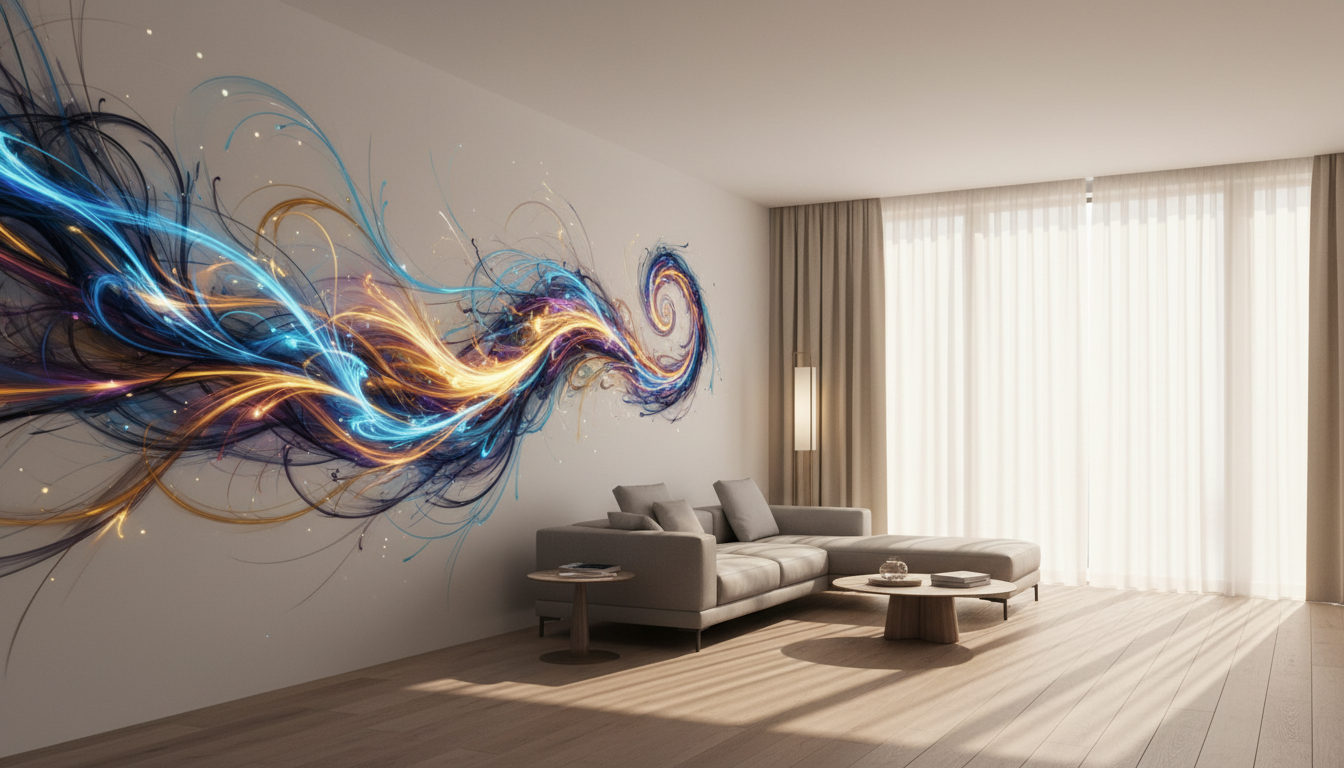
Bring a fresh pulse into your home by adding pieces that hum with life. Energy-driven works can turn a static room into a vivid, moving scene that feels personal and bold.
Choosing pieces that match your taste helps a space reflect who you are. Color, form, and composition shape mood and invite conversation. This guide shows how these elements lift interiors and create a unique visual world.
Whether you collect or simply decorate, learning the history behind these pieces deepens your view. We also look at how captured motion and rhythm influence atmosphere and daily feeling.
For a practical complement to this design approach, explore a related resource on healing and transformation in creative spaces via this energy healing guide.
Key Takeaways
- Decor with dynamic pieces can make rooms feel alive.
- Color and composition shape the mood of a home.
- Choosing works that resonate creates a personal vibe.
- Knowing a piece’s history adds depth to display choices.
- Small shifts in placement change how a space is perceived.
Understanding the Essence of Energy Art
Visual work that hints at motion can transform a quiet room into a lively stage. This section breaks down how artists capture motion and mood, and why viewers respond so strongly to these pieces.
Defining Visual Dynamism
Visual dynamism is the way an artist uses color, line, and form to suggest motion and life. In February 2021, Dr. Mette High launched the Art of Energy virtual gallery to explore this very idea. The project asked important questions about how movement and brightness shape perception.

Musical collaborators like psych pop duo pecq added soundscapes that show how light and tone deepen human connection. Researchers often probe how forces are made and used, which pushes artists to experiment with newer forms.
The Role of Color and Form
Color in paintings guides the eye and reveals hidden motion. An artist may mimic the motion of electrons or the sun’s glow to give a piece life. That translation helps viewers feel a direct connection to the scene.
Understanding these choices helps collectors and decorators select works that match their space and mood. For more on the healing side of color and transformation, see this color and healing guide.
The Evolution of the Energy Art Movement
Artists turned toward motion and glow to rewrite what a picture can do in a room.
The Energy Art Movement officially launched in May 2008 when a group of creators set out to raise standards of expression.
Historically, painters like Monet studied light, Futurists such as Boccioni chased motion, and Van Gogh poured deep feeling into every stroke.
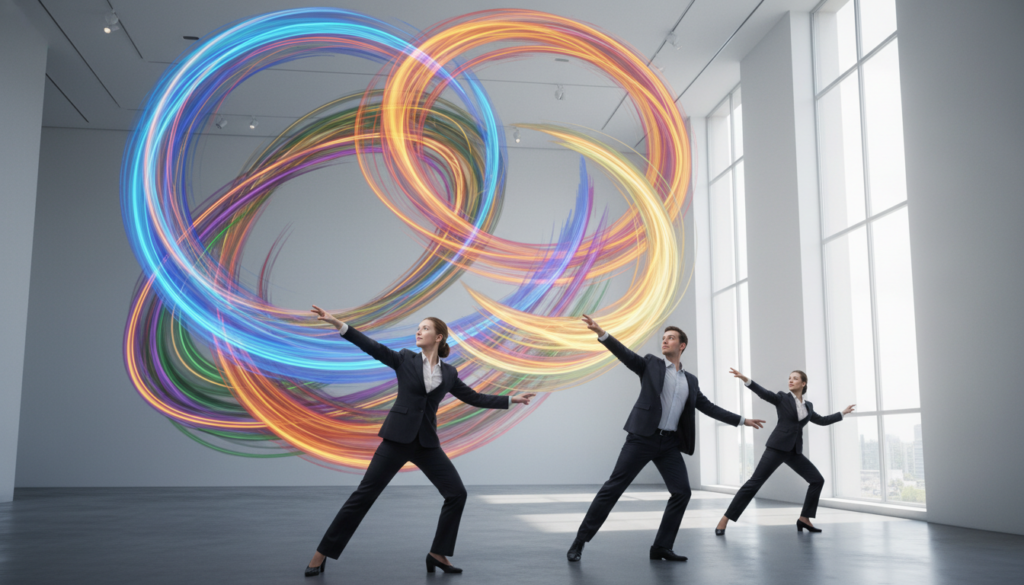
The movement holds the simple idea that works should do more than mirror a scene. They should capture the essence of the world and hint at life beneath the surface.
“Every form in a piece insists on being itself; when motion is shown, the image stops being static.”
- The way viewers perceive motion moved from calm stillness to dynamic displays.
- By revealing the life behind a falling leaf or a tossed stone, creators give works universal weight.
- Different forms and light combine so a composition feels alive rather than fixed.
For practical guidance on bringing healing and transformation into your space, see this practical healing guide.
How to Energize Your Decor with Mesmerizing Energy Art
Choose one bold piece to anchor a room and watch how it shifts the whole mood. A clear focal point helps people notice color, form, and motion at a glance.
Creating a Focal Point with Vibrant Pieces
Select large, vibrant paintings for living spaces to invite the world of creativity into daily life. Place the work where sightlines meet, such as above a sofa or mantel, so it becomes a natural conversation starter.
Cross-disciplinary projects show the same effect. The Centre for Energy Ethics received 152 submissions for musical compositions, each earning a £500 commission fee for the winning artist. Those pieces reveal how visual works and sound can deepen human connection.

- Use scale to balance a room: large works anchor small furniture.
- Balance color and form so the space feels dynamic but calm.
- Place pieces to spark questions about motion and meaning among guests.
- Choose works that act as catalysts for daily mood and perspective shifts.
For a practical ritual that complements visual focus, explore candle practices in this candle magic guide.
Conclusion: Embracing the Power of Visual Dynamism
Embrace visual dynamism, and your home will reflect a thoughtful, lively view of the world. Choose pieces that show motion and clear form so rooms feel both beautiful and intellectually engaging.
The evolution of this art movement shows how people find deeper meaning when they engage with works that suggest life and motion. Displaying such pieces reminds us that every object has a story. For a practical companion practice, consider how to send healing energy to support calm and focus in your space.
We hope this guide helps you choose the right works to transform your living area into a mindful, expressive masterpiece.
FAQ
What is visual dynamism in contemporary pieces?
Visual dynamism refers to works that convey movement and vitality through composition, line, and contrast. These pieces use motion, light, and layered forms to create a sense of life and momentum that draws the viewer in.
How do color and form influence perception in a room?
Bold hues and sweeping shapes change how a space feels. A vibrant palette can lift mood and attract attention, while rhythmic forms guide the eye and establish a focal point that alters the room’s energy.
Where did this movement originate and how has it evolved?
The movement developed from mid-20th-century experiments with motion and light, then expanded as artists explored new materials and technology. Today, creators use mixed media, LED elements, and kinetic components to push boundaries.
How can I choose a piece to create a strong focal point?
Pick a work that contrasts with surrounding decor in color, scale, or texture. Place it where natural sightlines converge—above a mantel, behind a sofa, or on an entry wall—to anchor the space and spark conversation.
Are illuminated works practical for home use?
Yes. Many illuminated pieces offer adjustable settings and low-energy LEDs. Choose options with dimmers and safe electrical certifications for comfortable display and longer lifespan.
Can smaller works still make an impact?
Absolutely. A thoughtfully placed small piece can create intimacy and focus. Grouping several small panels or using strategic lighting intensifies their presence without overwhelming the room.
How do I care for mixed-media and kinetic pieces?
Follow the artist’s care instructions, dust gently with a soft cloth, and avoid direct sunlight or humidity. For kinetic elements, schedule occasional maintenance checks to ensure mechanisms function smoothly.
What should I consider when buying from a gallery or online?
Verify provenance, materials, and return policies. Reputable galleries like Gagosian or online platforms such as Artsy provide condition reports and authentication that protect your purchase.
How do I balance a dynamic piece with existing decor?
Use neutral backdrops and complementary textiles to let the piece stand out. Keep surrounding accessories minimal to prevent visual clutter and maintain a clear focal point.
Can these works fit in commercial spaces?
Yes. Restaurants, hotels, and lobbies benefit from dynamic works that forge brand identity and invite engagement. Choose durable finishes and scalable installations for high-traffic areas.