

Discover simple ways to tune your energy so your body and mind feel calmer and more present. Healthcare experts and yoga therapists describe these centers as places where life energy gathers. Breath, diet, sleep, and stress all shape how energy flows.
We’ll introduce the seven chakras from the base of the spine to the crown and offer practical, approachable practices. Gentle yoga postures, conscious breathing, and short meditation sessions are easy to start at home or outdoors in nature.
No special equipment is needed. Small daily resets of five minutes can add up. Over time you may feel more grounded, clear, and compassionate as your system finds better flow.
This guide is beginner-friendly and useful for experienced readers. You’ll get step-by-step tips, safety notes, and simple ways to track progress. For a focused look at the third eye, see a related guide on the third eye center.
Key Takeaways
- Simple practices like yoga, breathwork, and short meditation help improve energy flow.
- The seven centers serve as a roadmap for self-care from base to crown.
- Small, regular sessions can downregulate stress and support overall health.
- No special gear required—practices are accessible at home or in nature.
- Track how you feel to adjust practices safely and steadily for better results.
What is prana and how chakras work in your body
Prana is the subtle life force that moves through the body’s subtle system and helps explain shifts in mood and vitality.
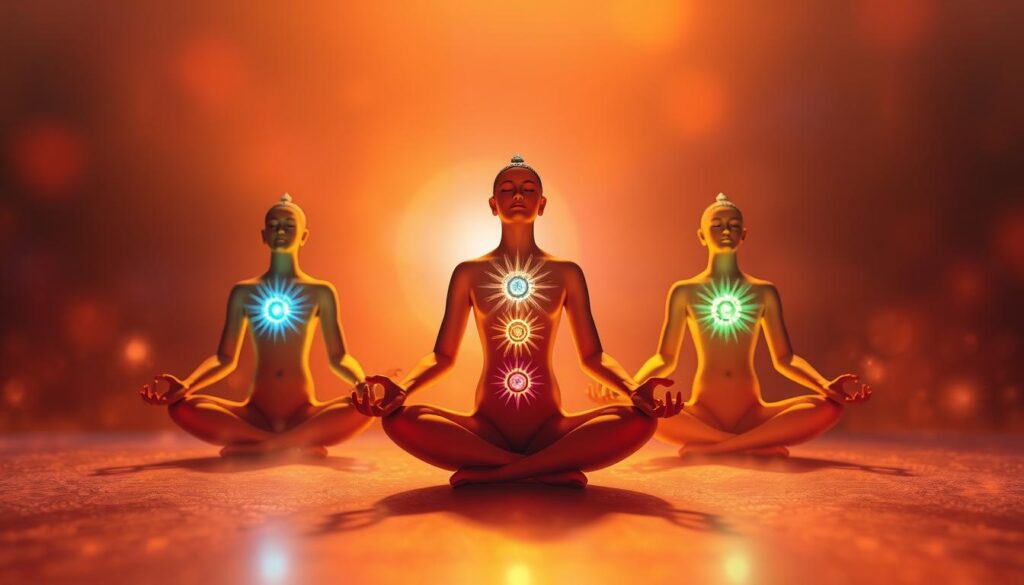
Chakra literally means “wheel” in Sanskrit. These centers are dynamic points where prana concentrates. They line up along the spine from base to crown and are often pictured with colors for guided visualization.
Energy centers, nadis, and the “life force” connection
Nadis are channels that help energy travel between centers. Think of them as pathways similar to circulation or acupuncture meridians. When these channels move smoothly, the whole body and mind feel clearer.
Why stress, sleep, and thoughts affect your energy flow
Stress, poor sleep, or restless thoughts can slow down flow and make a center feel heavy or stuck. Simple practices—short breathing breaks, mindful posture, and easy yoga—help downregulate the stress response.
- Start small: two breaths or a one-minute posture reset works on busy days.
- Notice fluctuation; a center may feel off for a time, and steady care restores balance.
- For a complementary perspective on subtle energy work, explore quantum energy healing.
The seven chakras at a glance
Below is a quick visual guide to the seven energy centers, their colors, and where each sits along the spine and head. Use this map to imagine the flow of energy in your body when you practice.

Root chakra: grounding at the base of the spine
Location: base of the tailbone. Color: red. Role: stability and feeling secure, a sense of being rooted to the Earth.
Sacral chakra: creativity below the belly button
Location: between tailbone and belly button. Color: orange. Role: creativity, sensuality, and emotional fluidity that helps you enjoy life.
Solar plexus chakra: personal power at the belly center
Location: belly button area. Color: yellow. Role: personal power, confidence, and healthy boundaries.
Heart chakra: compassion in the chest
Location: center of the chest. Color: green. Role: compassion, loving-kindness, and connection between self and others.
Throat chakra: truth at the pit of the throat
Location: pit of the throat. Color: blue. Role: clear expression and truthful communication aligned with inner values.
Third eye: intuition between the brows
Location: between the eyebrows. Color: indigo. Role: insight and the ability to see the bigger picture — learn more about third eye meaning.
Crown chakra: awareness at the top of the head
Location: top of the head. Color: purple. Role: spacious awareness and a sense of meaning or oneness.
Signs your chakras may feel imbalanced
You may feel physical or emotional changes that map to different energy points along the spine. Notice patterns across the body and mood rather than fixating on one symptom. Clusters of cues offer better clues than a single ache.
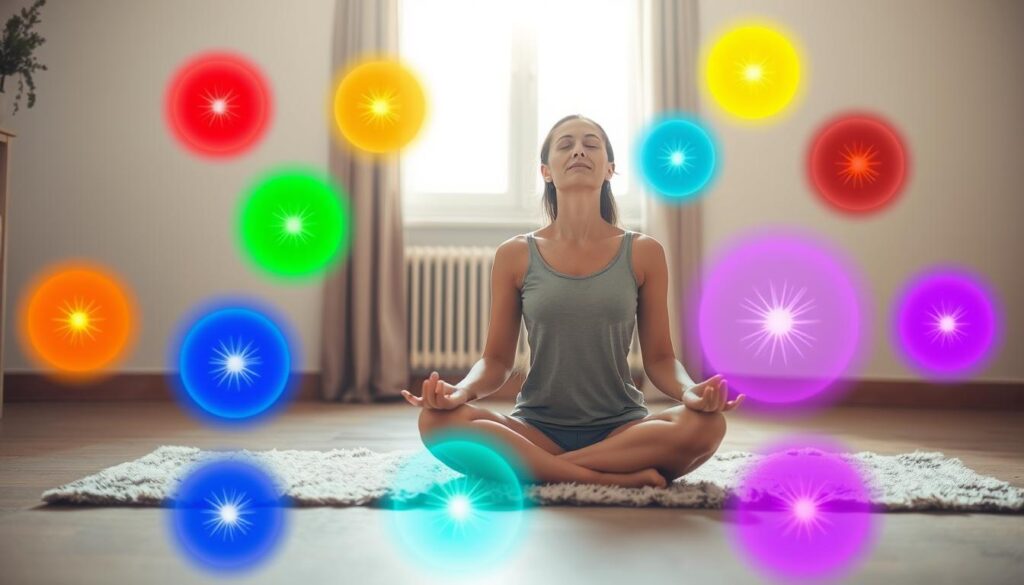
Physical cues along the spine and related organs
Common signals: lower back tension, tight hips, digestive upset in the belly, chest tightness, neck strain, headaches or eye strain. These often follow the location of a center and can point to where energy is stuck.
Emotional and mental health indicators to notice
Emotions can mirror physical signs. You might feel insecurity or fear near the base, creative blocks or volatility below the belly, anger or low drive in the solar region, jealousy or loneliness in the heart, trouble speaking or overtalking at the throat, and scattered thoughts or poor focus in the head.
- Look for clusters of symptoms across body and head; patterns matter.
- Many signs overlap with everyday stress—respond gently with breath and grounding.
- Ask trusted others for feedback if mood or speech changes are hard to spot.
- Seek professional medical or mental health support for persistent pain or severe mood changes.
| Region | Physical signals | Emotional patterns | Quick check |
|---|---|---|---|
| Lower spine / hips | Lower back tension, stiff hips | Insecurity, fear | Grounding breath for 2 minutes |
| Belly / solar area | Digestive discomfort, low energy | Anger, low motivation | Gentle belly breathing |
| Chest / throat | Chest tightness, neck strain | Jealousy, trouble expressing | Soft vocal hum or neck stretch |
| Head / brow | Headaches, eye strain | Racing thoughts, poor focus | Short seated mindfulness pause |
chakra balancing: a friendly, step-by-step how-to
A friendly, step-by-step session begins with settling the eyes, slowing the breath, and naming an intention. This simple start helps calm the mind and invite smoother energy through the centers.
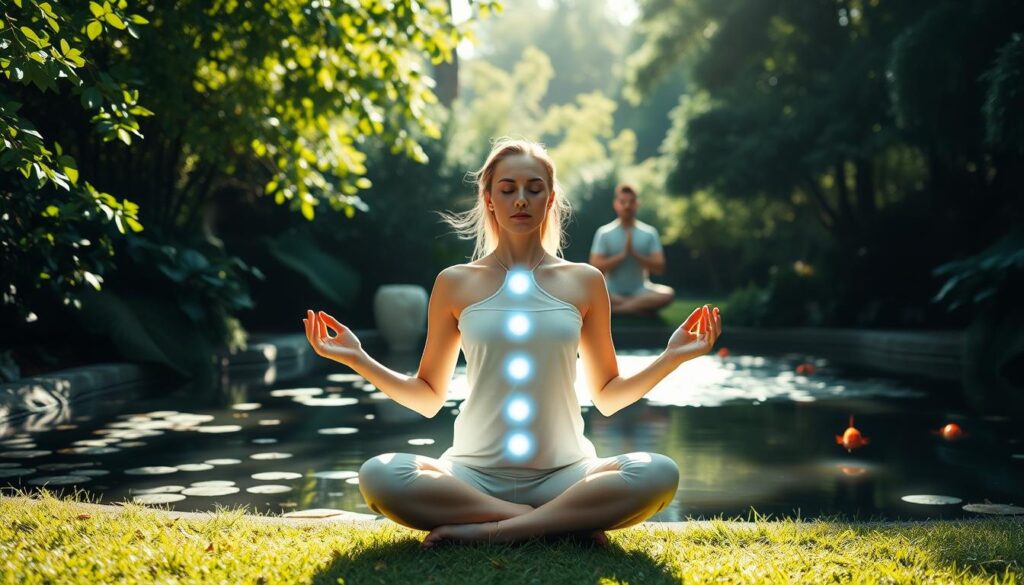
Set your space: nature, soft gaze, and an intention
Find a quiet corner or sit outdoors in nature. Dim bright lights or face a small candle. Pick a single intention such as ease, clarity, or compassion.
Use a soft gaze on a steady object and take a few slow rounds of breathing exercises. These first moments steady the mind and reduce busy thoughts.
Root to crown flow: grounding to higher awareness
Move gently from the base upward using one or two accessible yoga shapes per center. Pair each with a color visualization and a short mantra you can remember.
Pause at the heart and throat to notice sensations and speech patterns. Add small activities, like shaking your hands, to release leftover tension before continuing up.
Close with relaxation to integrate the practice
Finish in a resting pose or a brief meditation. Take three intentional breaths and feel how the energy now moves more smoothly.
- Note: jot one or two observations after the session to refine future practices.
- Keep the session friendly and short when needed—small, steady practices add up in daily life.
Beginner-friendly yoga poses for each energy center
Start with easy standing and seated poses that invite steadiness and clear sensing along the spine. Hold each pose briefly and keep breath steady so the body and attention stay calm.
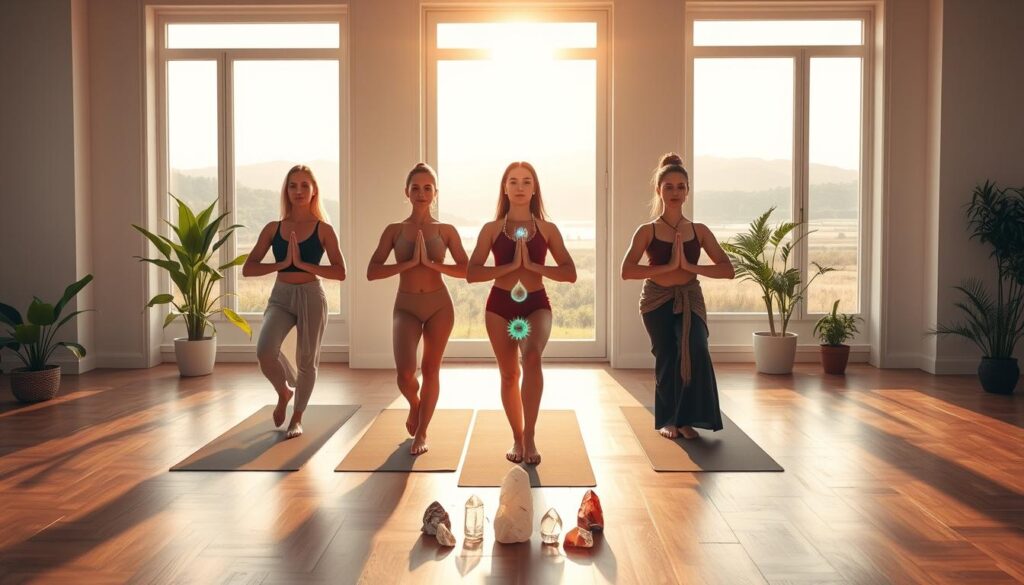
Root: Mountain and Tree
Mountain builds a steady base. Stand tall, press through feet, and feel stability in the legs.
Tree adds balance and grounding while lengthening the spine.
Sacral: knee-to-chest, Bridge, hip openers
On your back, draw knees to chest to release hips. Add bridge pose gently to engage the pelvis.
Include soft hip openers to wake the area below the belly button.
Solar plexus: twist and core
Seated spinal twist lengthens the torso and stimulates the belly and plexus region.
Pair with light core work while keeping breath smooth and energy calm.
Heart, throat, third eye, crown
Fan pose or mild chest openers broaden the collarbones and ease the chest.
For the throat, do slow neck rolls and supported shoulder work to increase circulation.
Practice a soft gaze meditation to refine the third eye—learn how to open the third eye here.
Finish with a modified downward dog using a chair to lightly move blood toward the head without strain.
| Pose | Target area | Simple cue |
|---|---|---|
| Mountain / Tree | Feet, legs, spine | Ground through feet; lengthen up |
| Knee-to-chest / Bridge | Hips, belly button area | Move with breath; avoid strain |
| Seated twist / Core | Belly, plexus | Rotate from ribs; keep breath steady |
| Fan pose / Neck stretch | Chest, throat | Open collarbones; move slowly |
| Soft gaze / Chair-downward dog | Third eye, crown | Focus on a still point; gentle inversion |
Breathing exercises and meditation basics
Slow, intentional breathing is one of the quickest ways to ease stress and steady your attention. Use brief sessions that fit your day. Even two to five minutes can change how your body and mind feel.
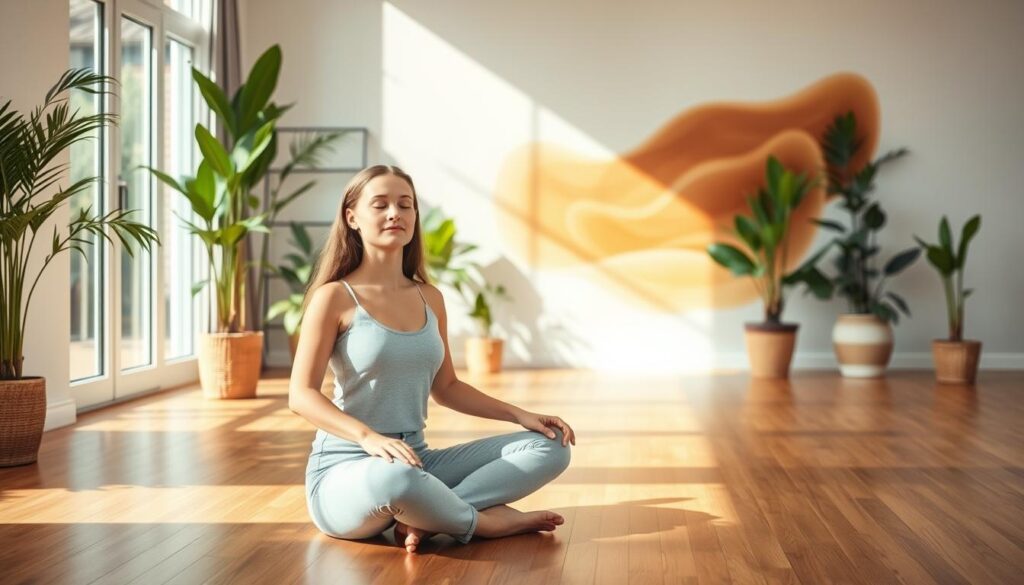
Conscious breathing to downregulate stress
Begin with an easy pattern: inhale through the nose for three counts, then exhale for five. Repeat for a few minutes. This longer exhale cues relaxation and calms the nervous system.
If thoughts wander, notice them without judgment and return to the breath. Short, regular breathing breaks before meetings or after a commute help maintain steadier energy.
Color visualization and simple mantras from root to crown
Move slowly from red up to purple, spending a few breaths at each center. Pair a color with a short, friendly mantra like “I am grounded” or “I express truth.”
- Spend two or three breaths on each color and feel for warmth or release.
- Combine seated meditation with gentle movement on other days to see what works best.
- Note one sentence after practice to track changes over time.
For related subtle-sense training, explore how to become a clairvoyant for extra context on inner sensing and attention.
Design your weekly chakra-balancing routine
A weekly map of brief daily checks and a longer weekend session keeps your self-care realistic and steady.
“Small, steady steps matter more than perfect practice.”
Five-minute daily reset vs. deeper weekend sessions
Short daily resets—three to five minutes—use breath, a quick pose, or a tiny visualization to restore calm. These micro-practices build momentum and reduce stress between tasks.
Reserve a longer weekend session to move from root to crown with a slow sequence of yoga poses, a body scan, and extended meditation. This deeper time helps integrate subtle shifts.

Rotating focus: root day to crown day
Rotate attention across the week so each center gets a turn. For example, root on Monday, sacral Tuesday, and so on.
Choose two or three supportive activities each day: a calming breathing exercise, one targeted pose, and a short mantra-based meditation. Keep choices simple and repeatable.
- Create a realistic plan: five minutes on weekdays, a full sequence on weekends.
- Keep a checklist to note which practices you did and how your energy felt before and after.
- Adjust intensity: rest more when depleted; lengthen sessions when energized.
- Revisit goals monthly and pick small ways to support each intention.
“Consistency beats intensity—celebrate the small wins.”
Lifestyle practices that support your energy flow
Daily habits shape how you feel physically and mentally. Small choices—time outside, clear meals, short pauses—help energy move more steadily through your system. These practices are simple to adopt and support long-term health and life quality.

Grounding in nature, mindful movement, and nourishing foods
Spend time in nature with barefoot walks, gardening, or slow hikes. Unhurried movement calms the nervous system and helps you notice how breath and pace match the surroundings.
Regular meals and whole foods keep blood sugar steady and give reliable energy for the day. Aim for balanced plates and set gentle mealtimes to reduce stress.
Music, journaling, and compassionate thoughts
Use music to shape mood—bright tracks for activity and soft instrumentals for rest. Journaling just a few lines helps process thoughts and clears the path for honest speech.
Practice kind self-talk to strengthen heart and throat expression. Short check-ins with yourself and with others build trust and keep communication clear.
- Spend time in nature to steady mood and energy; match breath to a calmer pace.
- Choose nourishing foods and regular mealtimes for steady vitality.
- Use music and journaling to support expression and compassion.
- Weave short breathing breaks into your day to ease tension and preserve flow.
- Limit screens before bed to improve sleep and overall health.
| Practice | How it helps | Easy action |
|---|---|---|
| Barefoot walks / gardening | Stabilizes mood and grounds attention | 10–20 min outside, notice textures and sounds |
| Balanced meals | Supports steady energy and digestion | Include protein, fiber, and healthy fats at meals |
| Music & journaling | Enhances expression; clarifies thoughts | Start or end day with 5–10 min of each |
| Short breathing breaks | Reduces tension; improves mental clarity | 3–5 breath cycles every 2–3 hours |
Safety, accessibility, and when to seek professional guidance
Before you try new poses or breathwork, check in with how your spine, head, and heart feel today.
Prioritize comfort and control in yoga and breathing exercises so your practice is safe and sustainable. Choose chair-supported forward bends or seated chest openers to reduce strain on the neck and spine.
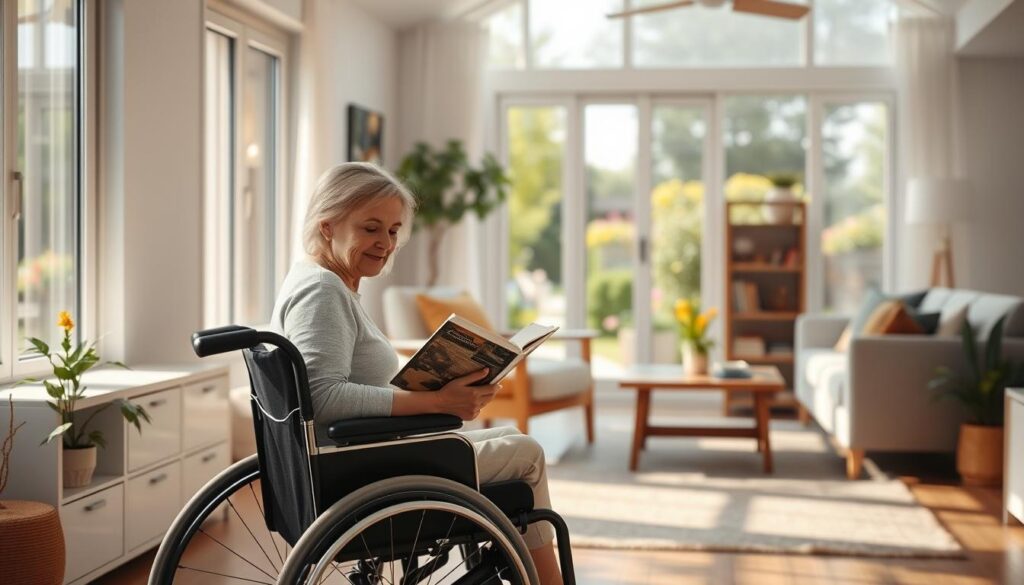
If you feel dizziness, sharp pain, or worsening anxiety that limits daily life, pause the exercises and consult a healthcare or mental health professional. Persistent pain or flare-ups deserve timely attention.
Modify around recent injuries. Avoid end-range positions that provoke discomfort in the throat or heart regions. Skip intense backbends and deep inversions if they trigger symptoms; use gentle open-chest shapes with a neutral neck instead.
- Use props—chairs, cushions, or walls—and shorten holds if breath becomes strained.
- Check your breath during sessions; smooth, steady breathing shows the intensity is appropriate.
- Tell teachers or trusted others what feels good and what does not so sessions stay responsive to your body.
“Safety is progress; steady, gentle practices build lasting benefits without strain.”
| Concern | Safe option | When to seek help |
|---|---|---|
| Spine stiffness | Chair-supported forward bend; short holds | Pain that limits walking or daily tasks |
| Neck / head strain | Seated chest opener with neutral neck | Persistent headaches or dizziness |
| Throat or chest discomfort | Gentle rotations and soft hums; avoid deep backbends | Shortness of breath, sharp chest pain |
| Anxiety or fear during practice | Slow breathing, shorter sessions, supportive props | Worsening anxiety that affects sleep or work |
For structured guidance on subtle-energy work and safe techniques, consider exploring a related resource on energy healing methods and discuss options with your healthcare team.
How to know your practice is working
Progress often shows up as gentle, steady shifts rather than dramatic overnight changes. Many people report clearer focus, steadier mood, and better sleep as early signs. These small wins add up and improve overall health and life quality over time.
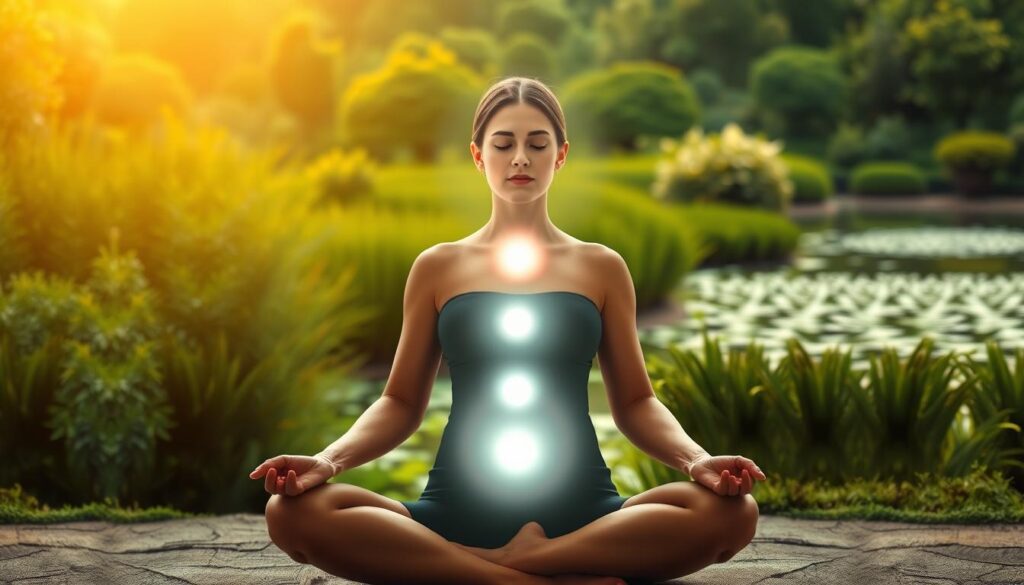
Feeling more grounded, clear, loving, and present
Notice simple wins: you may feel more grounded during busy moments. You might pause and respond rather than react.
Many practitioners say the heart softens in tough moments. Confidence may rise, and speech can feel calmer. These changes often cross mind and body.
Tracking progress: mood, sleep, and energy check-ins
Keep short notes. Jot two or three lines about mood, sleep, and daily energy. Small improvements week to week point to cumulative benefits.
Watch center-specific cues: clearer decisions in the solar area, kinder self-talk in the heart, or steadier voice at the throat. If progress stalls, change frequency or try new ways without overdoing it.
| Sign | What it means | Quick action |
|---|---|---|
| Steadier focus | Energy spreading across the day | Two-minute breath check |
| Improved sleep | Better nervous system recovery | Short evening routine |
| Softer heart response | More compassion and easier connection | One kind journal entry |
| Clearer speech | Less tightness in throat centers | Gentle vocal hum for 1 minute |
Note: To balance chakras in steady, lasting ways, celebrate small, sustainable steps and share progress with trusted friends or groups. You may feel the difference most on busy days when calm matters most.
Conclusion
Choose one simple habit to start: a five-minute breathing exercise, a short meditation, or one gentle yoga poses move. These small, steady steps make chakra balancing practical and doable.
Over weeks, short daily resets and a longer weekend session help harmonize energy across the seven chakras. You may notice clearer speech, calmer moods, and better sleep.
See this as a life skill. Learn to read your system and respond with care. Put a plan on your calendar this week and layer more practices only as your rhythm allows. A consistent routine supports health, resilience, and kinder, steadier energy—strong, simple, and lasting.
FAQ
What is prana and how do the energy centers work in your body?
Prana is the life force that moves through your energy channels, called nadis. These centers sit along the spine and influence physical organs, emotions, and thoughts. Practices like breathwork, meditation, and gentle movement help the flow and support overall wellbeing.
How do stress, sleep, and thinking patterns affect my energy flow?
Chronic stress and poor sleep tighten muscles, reduce breath capacity, and overload the nervous system, which can block healthy flow in energy centers. Rumination and persistent negative thoughts keep the body stuck in fight-or-flight, so calming practices and better sleep hygiene restore balance and clarity.
What are the main signs an energy center might be out of sync?
Physical cues include tension along the spine, digestive issues, or headaches. Emotionally, you may feel stuck, anxious, numb, or hypersensitive. Notice changes in appetite, sleep, motivation, or relationships as signals to adjust your practice.
Which poses help the root area feel grounded?
Standing postures like Mountain and Tree build stability, improve posture, and stimulate grounding through the feet and legs. Simple barefoot time in nature and focused breath also reinforce a steady connection to the body.
What practices support creativity and the sacral area?
Hip openers, knee-to-chest movements, Bridge pose, and fluid hip circles encourage release and mobility. Dance, pelvic floor awareness, and playful movement help unblock creative energy and emotional expression.
How can I strengthen personal power at the solar plexus?
Core-focused work such as seated spinal twists, gentle abdominal engagement, and mindful breath that expands the belly region boosts confidence and will. Standing core activation and short breath holds add stamina without strain.
Which activities open the heart and foster compassion?
Chest-opening poses like gentle backbends, supported Bridge, and Fan pose relieve tension across the chest. Loving-kindness meditation, heartfelt music, and acts of service help deepen empathy and connection.
How do I protect and free the throat area for honest expression?
Neck stretches, supported shoulder work, and vocal exercises encourage clear communication. Journaling and guided practices that invite truthful self-expression reduce tightness and improve speech confidence.
What supports intuition and the third eye?
Soft-gaze meditation, focused breath, and visualization strengthen inner clarity. Reducing screen time, keeping a dream journal, and practicing mindful observation sharpen intuitive awareness.
How do I care for higher awareness at the crown?
Restorative postures like a modified downward dog, short silent meditation sessions, and moments of gratitude promote calm openness. Gentle inversions or simply lying quietly with soft eyes can help dissolve mental clutter.
How do I build a simple step-by-step practice at home?
Set a calm space with natural light or plants, choose an intention, and move from grounding to higher awareness. Include breathing, a short sequence of poses, a brief meditation, and a final relaxation to integrate the session.
What breathing exercises help reduce stress quickly?
Conscious diaphragmatic breathing, equal-length inhales and exhales, and slow box breathing downregulate the nervous system. Spend three to five minutes practicing anytime you feel tense to regain focus and calm.
How do I design a weekly routine that fits a busy schedule?
Balance short daily resets—five minutes of breath or a single grounding pose—with one longer session on weekends. Rotate focus by spending each day on a different center to keep the practice varied and sustainable.
Which lifestyle habits support healthy energy flow?
Regular time in nature, mindful movement like yoga or walking, nourishing whole foods, consistent sleep, music that uplifts, and journaling all support resilience. Small, consistent habits create lasting change.
Are there safety tips or times to seek professional guidance?
Move mindfully and avoid forcing deeper stretches. If you have chronic pain, recent surgery, mental health conditions, or persistent symptoms, consult a licensed healthcare provider or experienced yoga therapist before trying new practices.
How will I know if my practice is having an effect?
Look for clearer thinking, improved sleep, steadier mood, and a softer body. Track changes in energy, emotional responses, and daily habits with short check-ins to notice gradual improvement.
Can music, journaling, or food really change how I feel?
Yes. Music shifts mood and breath, journaling processes thoughts and feelings, and whole, balanced meals stabilize energy and digestion. These simple tools support the mind-body connection and aid recovery from stress.
What’s a gentle way to close my practice each time?
Finish with a few minutes of relaxed breathing or a guided body scan while lying down. Offer a quiet gratitude or intention to seal the effects of the session and carry calm into the rest of your day.