
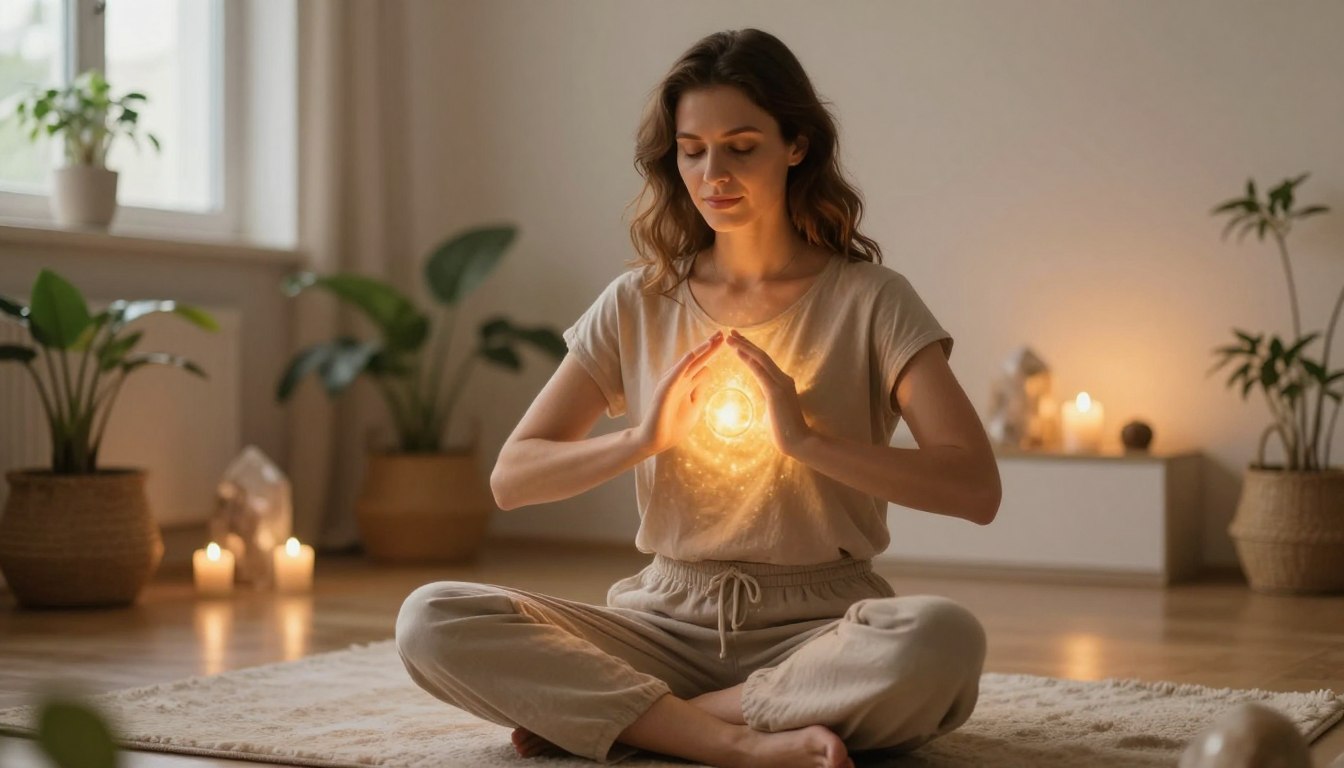
Energy work can be a simple, practical form of self-care that supports everyday wellness. Think of it as a gentle companion to medical care, not a replacement.
Start small: a short session at home can include grounding, breath, hand placement, visualization, and a clear closing step. Sessions range from five minutes up to an hour and often end when you feel a sense of completion.
This guide sets clear expectations: an easy self-session you can try today plus quick practices to weave into busy life. Many people seek these methods for calm, balance, and steadier resilience rather than specific medical outcomes.
Preview: you will learn a step-by-step process and simple between-session techniques that fit into real routines. Treat the practice as ongoing care — listening to your body and responding with kindness, not perfection.
For a full guide and deeper steps, see this resource.
Key Takeaways
- Energy work supports natural recovery and complements traditional care.
- Short sessions can offer calm, balance, and renewed resilience.
- Simple steps: grounding, breath, hands, visualization, close.
- Easy between-session techniques fit a busy life.
- Practice is about listening and gradual care, not perfection.
Energy Healing Basics: What It Is and How It Supports Wellness
Bringing calm attention inward can reduce the sense of being stuck and invite supportive shifts. In plain terms, this practice asks you to focus attention and gentle intention to welcome helpful energy and ease tightness in the body, mind, and spirit.

Whole-person perspective
Think of this work as caring for the whole person. Breath, emotion, and meaning often matter as much as physical sensations. That is why many practices mix breathwork, reflection, and simple touch.
Complement, not replacement
Safety first: if symptoms feel intense or worsen, seek medical attention and reach out to people you trust. This practice is meant to support medical plans and therapy, never replace them.
Grounding and the earth
Grounding helps steady the system by bringing attention into the body and into connection with the earth‘s magnetic field—a useful metaphor for why nature time often feels replenishing.
Whether you name this life force as spiritual, a calming practice, or something else, the aim is the same: more balance and steadiness. For practical tips about how to send supportive care, see send healing energy.
Prepare Your Space and Mindset for Self-Healing Energy Work
Create a calm corner that signals your nervous system it is safe to rest and receive.
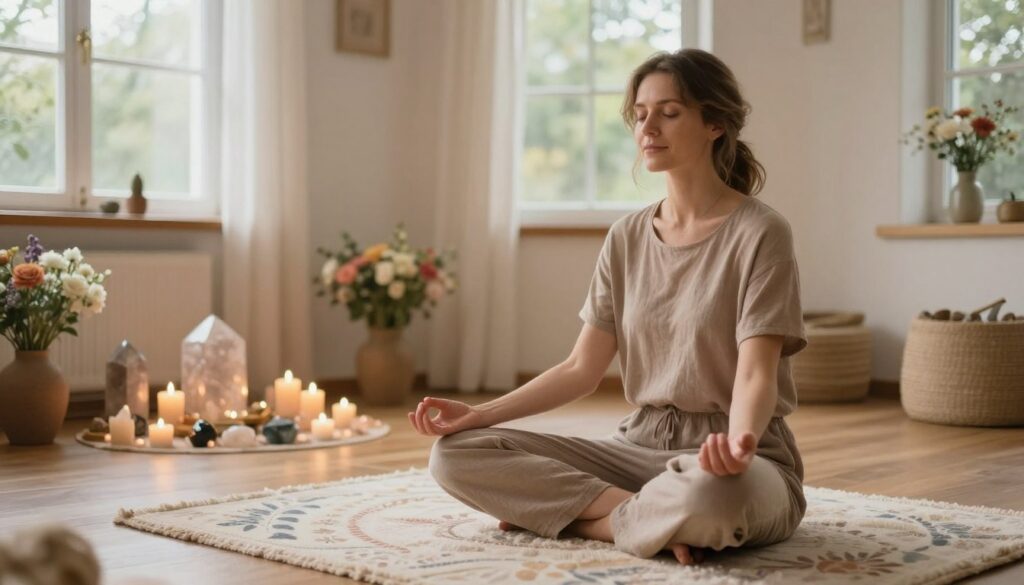
Set up the environment: pick a quiet chair or a floor cushion, add a blanket, dim the lights, and set a clear do-not-disturb boundary for a short period. Treat this space as a cue: each visit reminds your body, “this is where I settle.”
Create a supportive atmosphere
Ritual helps focus intent, but it is not essential. A simple routine builds confidence. Light a candle or place a small object that feels meaningful. Keep the area tidy so the mind finds ease.
Open the heart with unconditional warmth
Bring to mind the soft feeling of holding a newborn puppy, then aim that warmth inward. Use this affirmation:
“Even though I ________, I completely love and accept myself.”
This line gently softens self-judgment and frees attention for deeper calm.
Set intention and connect
Choose what the session is for—calm, clarity, or gentle pain support—and decide how you will show up: present, patient, kind. A brief silent prayer or a short meditation can invite a sense of being a clear conduit for the highest supportive forces.
- Make the space a steady signal your body recognizes.
- If isolation feels heavy, text a friend or join a small group; feeling cared for strengthens practice.
- For related ritual ideas, see this love spell guide.
| Element | Example | Benefit |
|---|---|---|
| Seating | Quiet chair or cushion | Comfort and grounded posture |
| Lighting | Dim lamp or candle | Calms the nervous system |
| Boundary | Phone silent, closed door | Protects focus and presence |
How to Do Energy Healing on Yourself: A Step-by-Step Practice
Begin with a gentle, step-by-step routine that guides attention and touch through the whole body.
Ground and expand: imagine earth rising through your feet and spine into your heart while inviting supportive spirit into the same center. Stay with that image for a few breaths.
Deep breaths: take a slow inhale and a longer exhale. Repeat three times. These breaths calm the nervous system and make it easier to notice subtle sensations.
Rub your palms together, then hover or rest them. Pay attention to warmth, tingling, coolness, or pulsing. Any sensation—or none—is useful information.

Reiki-inspired positions and listening
Place hands on the head, over the heart, on the belly, and then on any part of the body that asks for support. Adjust pressure for comfort. Breathe in to receive and breathe out to send through your palms.
Visualize yourself in your finest health: sleeping well, breathing easily, moving with ease. Stay relaxed and let the image motivate without pressure.
Timing: a quick five-minute reset or a full sixty-minute session both work. Notice completion signals—sighs, yawns, quieter thoughts, or a sense of evenness.
Close with gratitude. Drink water, jot one note about what you felt, and pick one small supportive action to take next.
For more training and a guided path, consider how to become a psychic healer.
Techniques to Balance Your Energy Between Sessions
Simple habits between sessions keep calm closer at hand than waiting for a larger session. Use brief, repeatable practices that fit real life and give steady benefits.
Meditation and quiet prayer
Try 5–10 minutes daily. Call on the IFS idea of Self-energy as a steady inner resource that feels grounded, wise, and compassionate. This brief process builds a calmer baseline you can access at many times.
Nature breaks
Take a 10-minute walk or sit near trees. With each step, feel energy rise from the ground into the feet, then travel upward with your breaths. Notice a quieter mind and steadier mood.
Movement mini-sequence
Wiggle toes, roll the hips, shrug the shoulders, soften the jaw, blink slowly, and let the breath deepen. This gentle routine wakes the whole body without a workout and reduces tension fast.
Balance posture and sound
Stand feet apart, lift hands overhead forming two triangles, count to ten while stilling chatter, repeat until calmer, then take five slow breaths.
Use humming, bowls, or soft music. Vibration helps shift stress toward ease by slowing mental noise.
Crystals for support
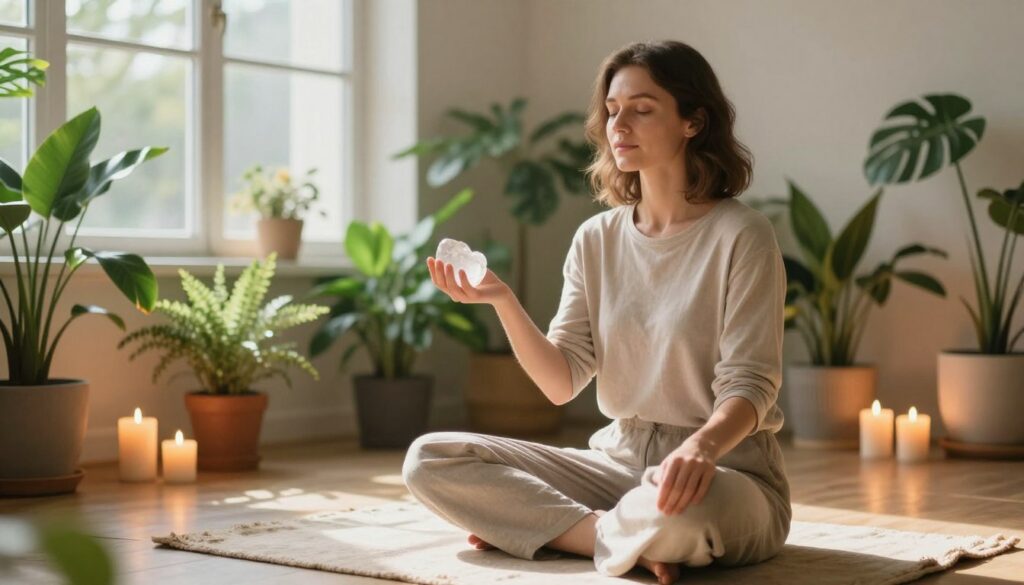
Hold or place a crystal during meditation with the clear intention of inviting positive energy and releasing what feels heavy. Notice real-time benefits: easier breathing, less tension, and a quicker return to balance.
For chakra practices that pair well with these habits, explore chakra balancing.
Common Experiences, Benefits, and Gentle Safety Notes
Some sessions end with a clear sense of lightness, while others feel quietly subtle. Both are valid experiences and can support steady change over time.

What you may feel
Hands often tingle, warm, or cool as your palms seem to “turn on.”
Tears, a spontaneous sigh, or a tender feeling in the heart can happen. Slow down if sensations feel intense; pausing is fine.
Potential benefits
Everyday gains include deeper relaxation, better balance after stress, and more resilience during busy life moments.
Over weeks, many people notice calmer breath, steadier mood, and small wins in work and relationships.
When to seek help
This practice supports traditional medicine but is not a replacement. If symptoms worsen or feel alarming, seek medical care right away.
Grounding aftercare helps: drink water, eat something nourishing, step outside, or jot a quick note about what shifted.
Reach out for community care—friends, family, support groups, or a clinician—because connection strengthens recovery. For a practical guide, visit this short resource.
Conclusion
A brief, steady routine can shape lasting shifts in how you feel day by day. Recap: grounding, soft self-acceptance, a clear intention, and receiving rather than forcing outcomes form the core of effective energy healing.
Practical tools you now have include breath-led calm, simple hand-based support, visualization, and small daily habits that keep your system steadier. Many people find reiki a useful framework for structuring sessions, though you can begin with what feels natural.
Consistency matters more than intensity. Even short practices offer meaningful gains in calm and balance. Hold a gentle, strong, curiosity about the process and seek professional care when needed.
For related learning, see this telepathic abilities guide for further insight and practice ideas.
FAQ
What is this practice and how does it support the whole person?
This approach works with subtle forces that connect body, mind, and spirit. It encourages relaxation, clearer focus, and emotional balance. By combining breath, intention, and gentle hand placement you invite the nervous system to calm and the body’s natural repair processes to engage, supporting overall wellness alongside regular medical care.
Can this be used alongside medical treatment?
Yes. Think of it as a companion tool that promotes comfort and resilience. It does not replace diagnosis or treatment from doctors. Use it to reduce stress, improve sleep, and support recovery, while continuing any prescribed care and checking in with your healthcare team.
How do I ground and connect with the earth before a session?
Stand or sit with feet rooted to a stable surface. Take several slow, deep breaths and imagine drawing steady support up from the ground into your pelvis and heart. Feel gravity and the earth’s presence beneath you. This simple grounding helps steady attention and opens space for the practice.
What should my environment be like for a brief session?
Choose a calm, tidy corner free from interruptions. Soft light, comfortable clothing, and a neutral temperature help. Add soothing sounds or a plant if that feels right. The goal is a safe, gentle space that supports focus for five minutes or longer.
How can I open my heart with self-acceptance and compassion?
Place one or both hands over your chest. Breathe slowly and repeat an encouraging phrase such as “I am worthy of care.” Let kindness toward yourself rise without judgment. This small ritual shifts physiology and invites softness into the practice.
What are simple hand positions inspired by Reiki I can use?
Start with hands over the head, then the forehead, throat, heart, stomach, and lower abdomen. Hold each spot for a few breaths, noticing sensations. You can rest palms lightly on the body or hover a few inches above. Trust what feels natural and comfortable.
How do I sense warmth, tingling, or subtle sensations in my palms?
Relax your hands, breathe deeply, and focus on the space between your palms. Gently bring them closer and notice any warmth, pressure, or vibration. These sensations often indicate increased circulation or subtle shifts in attention rather than a fixed outcome.
How do I direct attention toward an area that needs support?
Place your hands near or on the area that feels strained. Breathe into that spot and imagine a gentle flow of support arriving there. Use a short visualization of light or comfort moving in, and keep the intention simple: steady presence and care.
What visualization techniques help reinforce the outcome?
Picture yourself healthy, moving easily, or calm. Use bright, positive imagery—light filling the chest, steady roots below the feet, or a warm color bathing an area. Hold the image briefly and return to breath; vibrant, short visualizations often work best.
How long should a session last and how do I know it’s complete?
Sessions can range from five minutes to an hour. Start with short practices and note how you feel afterward—lighter, calmer, or more centered are good signs. End when tension eases, your breath steadies, or you simply feel ready to move on.
What daily practices help balance between sessions?
Gentle meditation, mindful walking in nature, rhythmic breathwork, and simple movement like shoulder rolls or grounding stands help maintain steadiness. Small habits—drinking water, rest, and short pauses—support long-term balance.
Can sound or crystals support this routine?
Yes. Soft tones, singing bowls, or chanting can shift attention and soothe the nervous system. Crystals used as reminders—like amethyst for calm or clear quartz for clarity—serve as anchors for intention. Use them lightly and personally; their main role is focus.
What sensations are typical and when should I seek outside help?
Common responses include warmth, tingling, tears, release, or deep relaxation. If pain worsens, symptoms escalate, or emotional reactions feel overwhelming, contact a medical provider, therapist, or a licensed practitioner for additional support.
How often should I practice for lasting benefits?
Consistency matters more than duration. Short daily sessions—five to twenty minutes—often create noticeable changes in mood and resilience. Tune frequency to your schedule and energy, increasing when life feels stressful and scaling back as balance returns.
Are there any safety tips for beginners?
Stay hydrated, avoid forcing sensations, and respect physical limits. Start seated or lying down if dizziness occurs. If you have medical conditions, pregnancy, or severe mental health concerns, check with your healthcare provider before trying new practices.