

This is a friendly, practical guide that shows simple ways to move personal forces into a calmer, more supported day. It is not a mystical gift. Anyone can learn steady tools and gentle routines.
Healing here means supporting your nervous system, steadying emotion, and gaining inner clarity. Results are often subtle. They build over days and weeks, not overnight.
Remember a science fact: matter shifts, not vanishes. You can shift how inner force shows up through breath, focused attention, and clear intention. Small habits change how your days feel.
This article centers on lived experience: what you notice in the body, what you try, and how life changes. You will learn self-awareness, a breathing method, a chakra map as a guide, and daily habits that help the practice stick.
Who this is for: people juggling stress, full schedules, or emotional overload who want a gentle practice at home. Safety note: this supports wellness and is not a substitute for medical care when needed.
Key Takeaways
- Practical steps can make daily moments calmer and more steady.
- Healing means nervous system support, emotional balance, and clarity.
- Simple breath and attention shifts transform how inner force feels.
- The article gives a stepwise breathing method and a chakra map as a tool.
- Daily micro-habits help the practice become part of life.
What Channeling Energy Means for Your Body, Mind, and Health
Imagine the inner forces you feel each day as something that shifts with simple choices. Channeling is plain: it means directing focus, breath, posture, and feeling so the system feels steadier and more supported.
Energy as something you can transform, not “create,” in everyday life
Energy cannot be created or destroyed—but it can be transformed. In practice that looks like turning anxious buzz into clear action, moving scattered drive into calm focus, or shifting frustration into firm boundaries.
Where attention goes, flow follows: using focus to shift feelings and thoughts
When the mind loops on a worry, thoughts race and the body tenses. Point your attention at breath or a supportive image and feelings often soften.
Try this quick micro-practice: take three slow, full breaths and notice the change in body and mood. Use it as proof that attention can shift state in real time.
Energy work in the present: intention, awareness, and why it can reduce stress
Work in the present needs no perfect belief—just a willingness to notice and choose an intention. That choice creates agency and lowers stress.
- Fewer racing thoughts
- More grounded decisions
- Better emotional regulation
- A calmer baseline during work or family moments
Different traditions name this practice differently—yoga, qigong, Reiki—but the shared thread is present-moment awareness plus simple intention. Learn more in the ultimate guide.

Build Energetic Self-Awareness Before You Start Any Healing Practice
Start by noticing small signals the body sends before trying any new routine. This setup step helps every technique work better because you can tell what is actually happening inside.
Reading your signals: breath, emotions, physical sensations, and mental patterns
Do a simple three-part scan: note breath speed and depth, check muscle tension, and name the mood. Pause and notice repeating thoughts or a tight chest. These clues often show where energy is stuck or scattered.
Quick examples: shallow breath plus tight chest can signal anxious feeling. Heavy shoulders may mean an emotional load. Looping thoughts often mean overstimulation.
Finding your strongest intuitive “lens” to sense change
Notice whether you mostly feel things in the body, see images in the mind, hear inner phrases, or simply know. Pick the clearest channel as a primary sense.
Jot one or two lines after each session. Short notes build confidence and reveal patterns over time.
Setting boundaries: what supports you versus what drains you
List clear examples: doomscrolling, certain conversations, and overcommitment can drain. Nature walks, quiet moments, and simple movement support health and life balance.
Remember: boundaries are spiritual hygiene. You can be compassionate without absorbing everything from the environment.
For deeper training, consider a guide about practice and development: become a psychic healer.
How to channel your healing energy with breath, attention, and intention
Create a small, trustworthy space. Silence notifications, sit supported, dim light if helpful, and pick a regular time (morning is ideal). A consistent slot reduces stress and builds habit.
Tune out to tune in. Close eyes or soften gaze. Notice natural inhales and exhales without forcing. Return gently when the mind wanders.
Place left hand on the heart and right hand on the belly. Feel heartbeat and the belly rise and fall. This links head, heart, and belly and strengthens body connection.
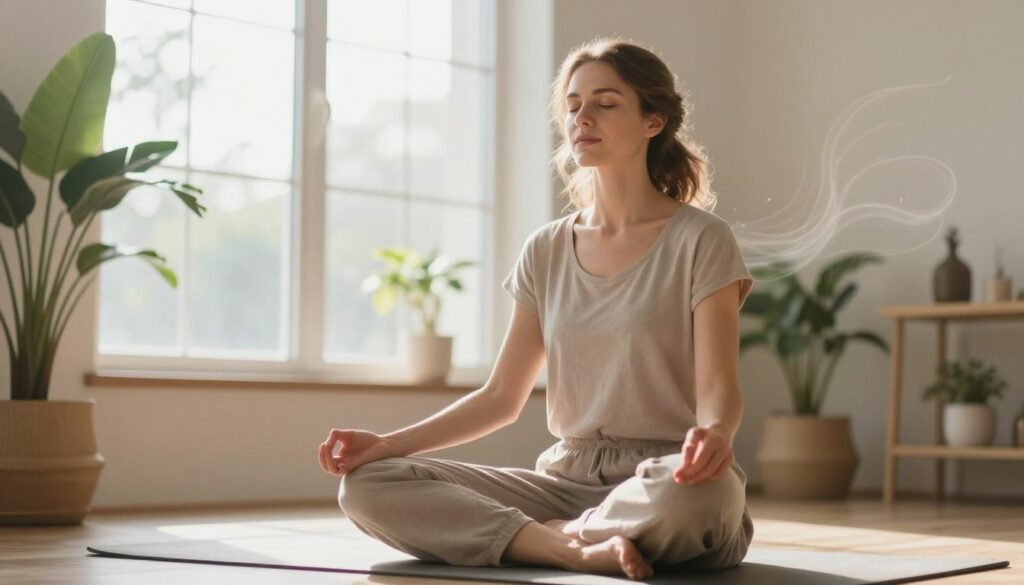
- Inhale: belly → ribcage → collarbone. Exhale: release top → ribs → belly. Repeat for 3 minutes (quick reset) or 10 minutes (deeper).
- Visualize fresh, clean energy coming in and stagnant tension or noise leaving on the out-breath.
- Pick one area (jaw, chest, throat). Saturate it with steady attention for several breaths, then note change.
Finish: Take a normal breath, open eyes, sip water, and notice what shifted. For sending support to others, see a short guide on how to send healing energy.
Work With Your Energy Centers to Support Balance and Well-Being
Use the chakra map as a simple guide for locating where support feels most needed. This view is practical, not required belief. Notice what each center reports and pick one small practice for the day.

Root chakra
Theme: grounding and safety. Imbalance: restlessness, numbed feet, or constant worry.
Practice: feet on the floor, slow exhale, and the phrase “I am safe right now.”
Sacral chakra
Theme: creativity and emotions. Imbalance: stuck feelings or lack of joy.
Practice: gentle hip sway or one-minute journal prompt that names one feeling.
Solar plexus
Theme: will and self-worth. Imbalance: low drive or harsh self-talk.
Practice: three firm breaths, then one small action such as a short walk.
Heart chakra
Theme: compassion and connection. Imbalance: closedness or overgiving on the emotional side.
Practice: hand on the heart, breathe in kindness, say a soft phrase of care.
Throat chakra
Theme: honest speech and listening. Imbalance: silence when one needs to speak, or noisy talking.
Practice: do a quick “truth check”: what needs saying, what needs hearing?
Third eye
Theme: intuition and clarity. Imbalance: fog, overthinking, weak inner sense.
Practice: sit quietly for one minute and notice the first calm insight that arises.
Crown chakra
Theme: spirituality and broader meaning. Imbalance: isolation from purpose or restless searching.
Practice: a brief gratitude pause or simple reflective prayer that fits your beliefs.
“Small, steady practices at each center often bring clearer balance than grand, rare efforts.”
| Chakra | Core Theme | Imbalance Feels Like | Quick Practice |
|---|---|---|---|
| Root | Grounding | Anxiety, scattered | Feet on floor, slow exhale |
| Sacral | Emotions | Stuck feelings | Gentle movement or journaling |
| Heart | Compassion | Closed or drained | Hand on heart, kind phrase |
| Third Eye | Clarity | Fog, doubt | One quiet minute for insight |
Daily Practices That Help Healing Energy Flow in Real Life
Make these small actions part of ordinary life. A few steady habits keep calm and focus available during busy work days. Use short rituals rather than long sessions so the benefit holds through the day.
Grounding and centering
Quick options bring attention back to the present:
- Feet on the floor + longer exhale.
- Name five things you see right now.
- Take a one-minute walk around the block.
Meditation for calm and intuition
Try a five-minute morning meditation. Focus on breath and let repetitive thoughts soften. This small practice helps the mind notice a clearer inner sense during the day.
Movement and flow
Use yoga, tai chi, or intuitive movement after long sitting. A short sequence releases tension in the body and keeps flow moving so energy does not stagnate.
Energy field activation
Gaia release-and-absorb: hands about four inches from ears. Move out on the exhale saying “release,” then in on the inhale saying “absorb.” Repeat near eyes, then near chest and belly. Link the rhythm to a calm breath.
Nature, sound, and reflection
Take a ten-minute outdoor break with phone away. Use music, chanting, or a short sound bath while cooking or walking to shift mood fast.
Self-reflection and community
Journal prompts: “What drained me today?” and “What supported me?” Track patterns. Do one small helpful act in your neighborhood as an authentic way to grow spirituality and support others.
| Practice | Quick Benefit | Time |
|---|---|---|
| Grounding | Returns focus | 1 minute |
| Meditation | Calms mind | 5 minutes |
| Movement | Frees tension in body | 5–10 minutes |
| Release-and-Absorb | Soothes nervous system | 2–4 minutes |
For extra guidance on using a chakra map with daily practice, see chakra balancing. These small steps make healing and energy practical in real life.
Project Positive Energy Without Faking It: Authentic Healing, Connection, and Care
Projecting warmth starts from honest alignment, not a practiced smile. True positivity grows when inner truth and outward action match. Forced cheer often reads as a mismatch; that creates tension rather than relief.
Why forced positivity can create inner dissonance in mind and body
Your mind might say “I’m fine,” while the body stays tight and emotions remain unprocessed. That gap keeps stress under the surface and can worsen pain or burnout at work.
Channeling healing toward others: compassion, community action, and healthy intent
Offer help with clear limits: listen without absorbing, support without rescuing, and give what fits your capacity. Community acts—volunteering, checking on neighbors, sharing skills—turn care into practical good for others and for life meaning.
Quick check before you help: one slow breath, name the present feeling (“I am overwhelmed” or “I can help right now”), then set a gentle intention: “May I be helpful and stay grounded.”
| Approach | Signs | Support Step |
|---|---|---|
| Authentic positivity | Calm voice, steady body | Name truth, small action |
| Performative cheer | Tight posture, forced smile | Pause, breathe, reroute |
| Community care | Shared tasks, real help for others | Volunteer, check in, set limits |
Conclusion
Finish by picking one steady practice and watching small shifts unfold. Notice what is present, regulate breath, direct attention with kind intention, and repeat the cycle as a daily practice. Over time this path often brings a calmer mind, less stress reactivity, and better overall health in a busy world.
Progress may be subtle. Look for small signs: softer shoulders, clearer thought, or a deeper connection in daily life. You can saturate any area—tight shoulders, heavy chest, racing thoughts—with steady breath and gentle focus.
Be honest with pain and hard feelings. Real healing includes space for them while you move toward support and balance. Pick one start point (ten-round pranayama, 5-minute meditation, or a short grounding break), set a consistent time, track changes for a week, and adjust based on what your body and head tell you.
For a guided primer on practice, see a short guide to perform energy healing.
FAQ
What does it mean to transform personal energy for wellness?
Transforming personal energy means shifting attention, intention, and bodily awareness so sensations and thoughts move toward balance. Think of it as guiding focus rather than inventing force. Small practices like breath awareness and brief pauses can lower stress and steady mood.
How can attention affect feelings and thought patterns?
Where attention goes, experience changes. Directing focused awareness toward sensations, emotions, or a single intention strengthens neural pathways tied to calm and clarity. Over time this reduces reactivity and improves decision-making.
What should I notice before starting a practice?
Check breath depth, muscle tension, common moods, and repetitive thoughts. These signals reveal what needs support. Noticing boundaries—what refreshes you versus what drains you—helps protect mental and physical resources.
Which intuitive sense is best for sensing inner states?
People vary: some feel most through the gut, others through the chest or mental images. Try brief experiments—focus on breath, place a hand on the belly or heart, and note which area gives the clearest feedback. Use that “lens” in future sessions.
How do I set a calm environment for practice?
Choose a quiet spot, limit interruptions, and pick a consistent time. Soft lighting, comfortable seating, and simple objects like a cushion or plant help the nervous system relax. Even a five-minute tidy of the space prepares focus.
What breathing techniques support internal flow?
Gentle diaphragmatic breathing and basic pranayama-style patterns, such as slow inhales and longer exhales, move attention and soothe the nervous system. Keep breaths natural and avoid strain; aim for comfort and steady rhythm.
How can I link head, heart, and belly during practice?
Place a hand on the chest and another on the lower abdomen. Breathe into both areas, imagine a soft bridge of attention between them, and let thoughts settle into compassionate awareness. This builds coherence across thinking, feeling, and sensing.
What visualization supports clearing stagnant sensations?
Picture fresh, bright breath entering a specific area and old, heavy sensations flowing out with each exhale. Use calm colors or light imagery that feels soothing. Keep images simple and repeat for a few breaths until tension eases.
How do I aim focus at a painful or tense region?
Soften around the pain rather than forcing change. Rest attention gently on the area, breathe into it, and imagine warmth or relief arriving. If pain intensifies, ease off and consult a healthcare professional.
What role do energy centers play in balance?
Energy centers—often called chakras—correspond with bodily and emotional themes: grounding and safety, creative flow, confidence, compassion, honest expression, intuition, and spiritual perspective. Working with them helps identify where support is needed.
How can I work with the root center for grounding?
Practice mindful standing, barefoot if possible, and focus on the sense of weight and contact with the ground. Slow, steady breaths and imagery of roots or steady earth foster safety and presence.
How do I support the sacral and solar plexus areas?
For the sacral area, explore creative movement, pelvic releases, and gentle hip-opening postures. For the solar plexus, use core-strengthening breath, affirmations of self-worth, and confident posture to boost motivation.
What helps open the heart and throat centers?
Heart-opening comes from compassionate reflection, loving-kindness phrases, and gentle chest stretches. For the throat, practice clear, honest expression—speaking truth in small ways, humming, or gentle chanting to loosen tension.
How can I strengthen intuition and spiritual perspective?
Quieted attention, brief daily meditation, reflective journaling, and time in nature sharpen inner knowing. Allow questions to rest without forcing answers and notice subtle nudges over time.
What short daily practices keep flow steady in real life?
Simple routines work best: grounding breaths in the morning, a five-minute seated meditation, gentle yoga or walking breaks, and evening journaling. Consistency beats intensity for lasting benefit.
How does movement like yoga or tai chi help release tension?
Slow, mindful motion links breath and body, loosens chronic tightness, and recalibrates muscle tone. These practices increase circulation and lower stress hormones, making it easier to feel balanced.
Can music and sound really change mood and physiology?
Yes. Rhythm and melody affect heart rate, breathing, and emotion. Chanting, singing, or listening to calm music can shift mood quickly and support a sense of safety and connection.
How do I offer supportive presence to others without oversharing or faking positivity?
Lead with genuine curiosity and attentive listening. Offer comfort without minimizing feelings. Authentic care means holding space, acknowledging difficulty, and sharing helpful practices only when invited.
When should I seek professional help alongside self-practice?
If symptoms persist or worsen—severe pain, ongoing depression, panic, or trauma-related reactions—consult licensed providers like physicians, therapists, or physical therapists. Combine self-practice with professional guidance for safe healing.
What simple breath cue can I use during stress at work?
Try a three-count inhale and a five-count exhale while keeping shoulders relaxed. Repeat a few cycles. It calms the nervous system and returns attention to the present moment without drawing notice.
How do I avoid forced positivity while staying helpful and kind?
Name what’s true first—recognize discomfort—then offer real, small actions that help. Compassion that includes realism builds trust and supports deeper recovery rather than denying feeling.