

This short guide explains the rise of distant sessions since the COVID-19 pandemic and offers a clear, grounded view of what to expect. Many wellness services moved online, and practitioners adapted long-standing traditions to video platforms and phone calls.
What you’ll get: a plain-language definition, an overview of common modalities that translate well to distance, and practical tips for a typical session at home. The text respects curiosity while avoiding medical promises.
Remote healing can feel like a modern extension of older practices. It became more accessible in today’s connected world. People often report relaxation, reduced stress, and clearer focus, though outcomes vary.
Safety note: view this approach as complementary support, not a substitute for medical or mental health care. The article will show realistic expectations and safe ways to try remote sessions in the United States.
Key Takeaways
- Remote sessions grew after the pandemic and use video or phone platforms.
- Practices trace back to long-standing traditions adapted for distance.
- Common reported benefits include calm, stress relief, and better sleep.
- Expectations vary; evidence is mixed and evolving.
- Use remote options as complementary support, not a medical replacement.
Remote energy healing in a connected world
Lockdowns accelerated a cultural shift: people began booking guided sessions from their living rooms. With stay-at-home realities, many practitioners moved offerings online so clients could get support without travel.
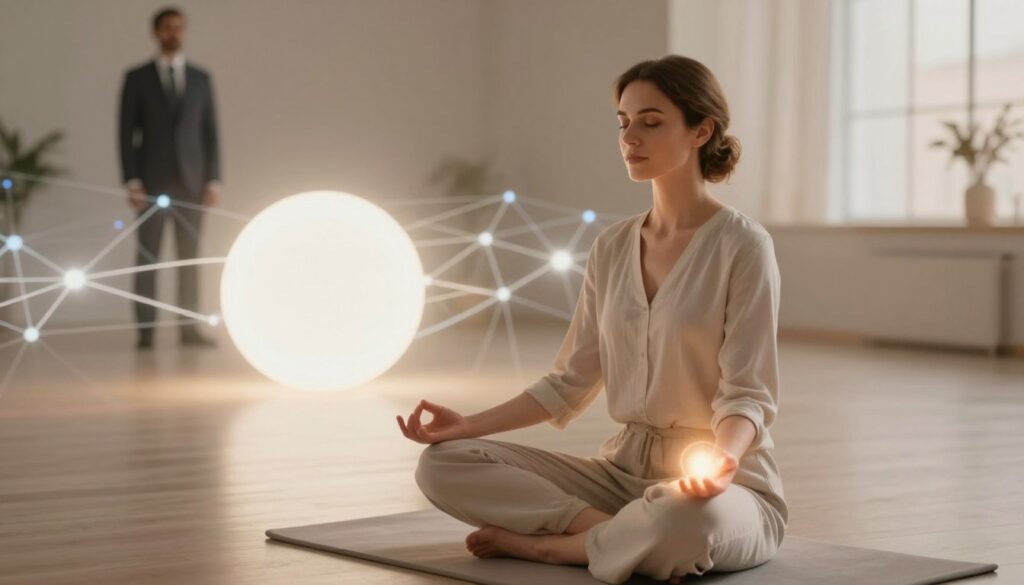
Why distance options grew during the COVID era
The need for safe care pushed self-care and wellness to video and phone platforms. Platforms like Zoom and Google Meet made intake talks, the receiving phase, and the closing feel familiar even when the pair were apart.
What “remote,” “distance,” and “distant” mean in practice
These labels generally point to the same idea: receiving support while not sharing a room. In the United States, common delivery formats include video calls and phone sessions. What changes is location; what often stays the same is the session structure—intake, guided time, and wrap-up.
Practical note: booking from home can increase comfort and help people keep a steady practice on a busy day. Some clients find remote formats feel much like in-person work, while others still prefer hands-on settings—and both responses are normal.
- Formats: Zoom, Google Meet, phone calls
- What stays: intake conversation, guided receiving phase, closing
- What shifts: location and personal setup for comfort
For a short guide to related techniques and sending support from a distance, see this simple walkthrough.
What energy healing is and what it aims to restore
Across many cultures, a vital life force is seen as the thread that links physical and emotional balance.
Life force across traditions: qi, prana, and ki
Different systems use different names for the same idea: qi in Traditional Chinese Medicine, prana in Ayurveda, and ki in Japanese arts. Each term points to a subtle force believed to flow through the body and influence mood, stamina, and resilience.
The energy field concept and why balance matters
Practitioners describe an energy field that surrounds and interpenetrates the body. When flow feels free, people report calm, clearer focus, and better sleep.
When parts feel blocked or uneven, the aim is to restore balance rather than fix a single symptom. That view frames the practice as system-level care for overall wellness.
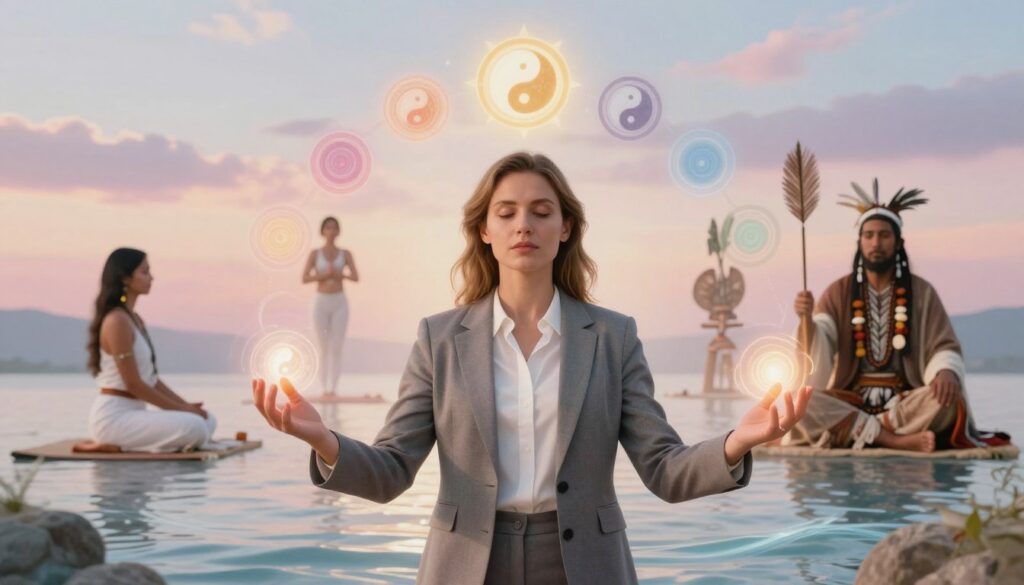
What this can and can’t do as complementary support
Use this approach as an adjunct to conventional care. There is no reliable evidence it cures diagnosed physical or mental conditions. It can, however, offer practical support such as stress relief, emotional ease, and a greater sense of centeredness.
Consult licensed healthcare professionals for medical concerns and consider these sessions one part of a broader support plan.
- Appropriate complementary goals: stress support, relaxation, emotional balance.
- Not a replacement: not a standalone cure for diagnosed illnesses.
| Concept | Traditional term | Common aim |
|---|---|---|
| Life force | Qi / Prana / Ki | Restore balanced flow through the body and field |
| Field idea | Energy field | Support emotional ease and day-to-day resilience |
| Clinical boundary | Complementary support | Use alongside medical care; not a cure |
For a fuller guide to related approaches and training, see this ultimate guide.
Types of energy work that can be done at a distance
Several common modalities translate well to distance sessions, each for practical reasons. Below is a simple map of what often moves online and why those practices adapt to non-contact formats.
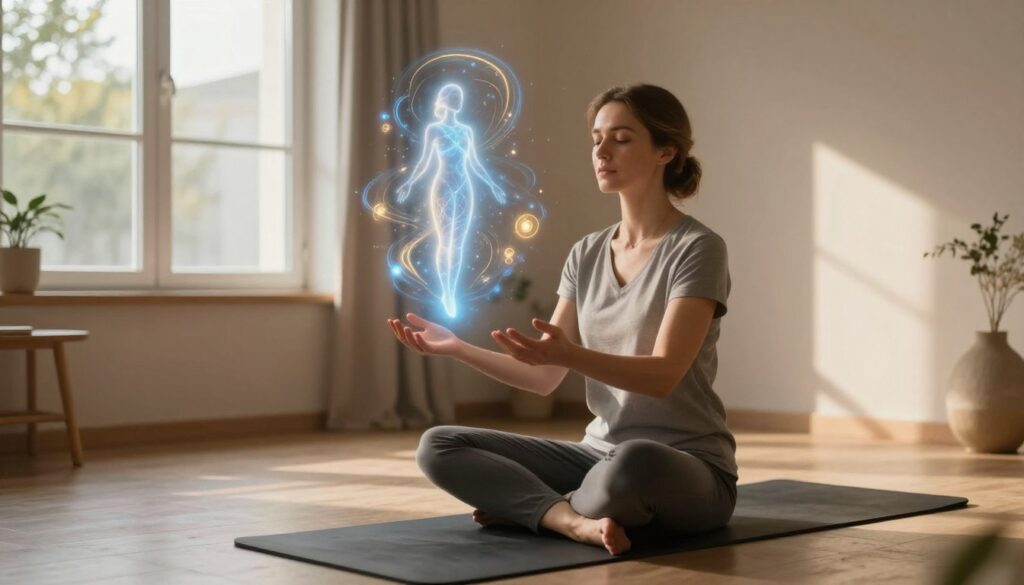
Distance Reiki
What it is: traditional hands-near-body methods adapted with intention and guided presence.
In a distance session, a practitioner uses focused attention, visualization, and a calm receiving phase to guide the recipient. The recipient typically lies down or sits comfortably while the healer leads breathing and brief checks-in.
Chakra balancing from afar
Chakra work targets the seven main centers with breath, guided meditation, and simple tools. A common approach asks clients to self-place crystals near the body while the practitioner guides breath and attention to each center.
Aura cleansing at a distance
Aura work treats the field around the body. Practitioners often use sound, breath cues, and visualizations that are easy to deliver over video or phone. These techniques help clients feel clearer and calmer after a session.
Why acupuncture doesn’t translate
Needle-based care cannot be done from afar. Acupuncture requires sterile tools, precise insertion, and licensed hands. For safety and legal reasons, it is not suitable as a distance option.
Combining approaches: many healers blend Reiki-style flow with chakra-focused attention in a single, simple session. That mix keeps sessions accessible for first-timers while offering layered support.
For a short practical guide about basic techniques and sending support at a distance, see perform energy healing.
How does energy healing work remotely
A simple way to picture distant sessions is imagining two tuning forks that begin to vibrate together. This image captures the central claim: a practitioner establishes a subtle connection, then listens and adjusts until the recipient’s field calms and shifts.
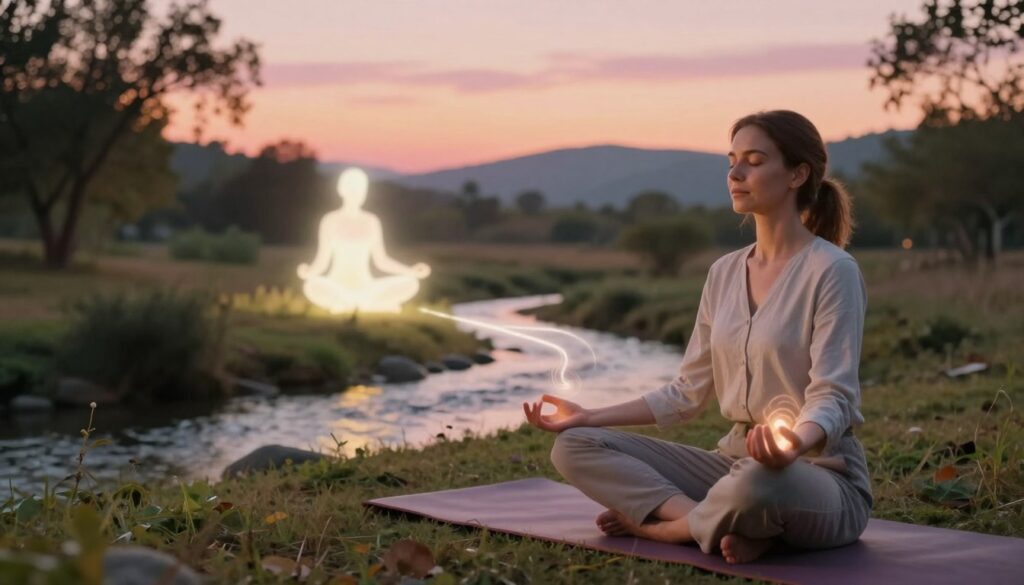
Energetic connection: “tuning in” like a frequency
Step one is creating a focused link. The practitioner centers attention, notes the recipient’s presence, and matches an internal rhythm. That matching is described as tuning to a frequency the client can receive.
Focused intention: directing the work
Intention acts as the steering mechanism. Clear thoughts and calm awareness guide the session’s aim—relaxation, clarity, or stress support—so the practitioner and recipient share a simple goal.
Space and time: why distance often feels possible
Many say distance or different time zones do not stop the process. In plain terms, the link is about attention and pattern, not physical touch, so sessions can happen across miles.
Quantum metaphors and cautious context
“Some people use entanglement as a metaphor to explain non-local connection.”
This is a metaphor, not a proof. It helps some clients grasp the idea that linked systems can influence one another without classical contact.
Biofield research and resonance
Basic biofield research notes measurable electromagnetic signals around living bodies. Practitioners borrow the word field to describe that environment and discuss resonance as a simple model.
Resonance and attunement mean the recipient may settle into calmer patterns during a session. People commonly report warmth, ease, or emotional release as their field shifts. These frameworks are explanatory, not definitive, and outcomes vary by person.
How to prepare for a remote healing session at home
Preparing your space and tech before a session reduces distractions and supports deeper presence.
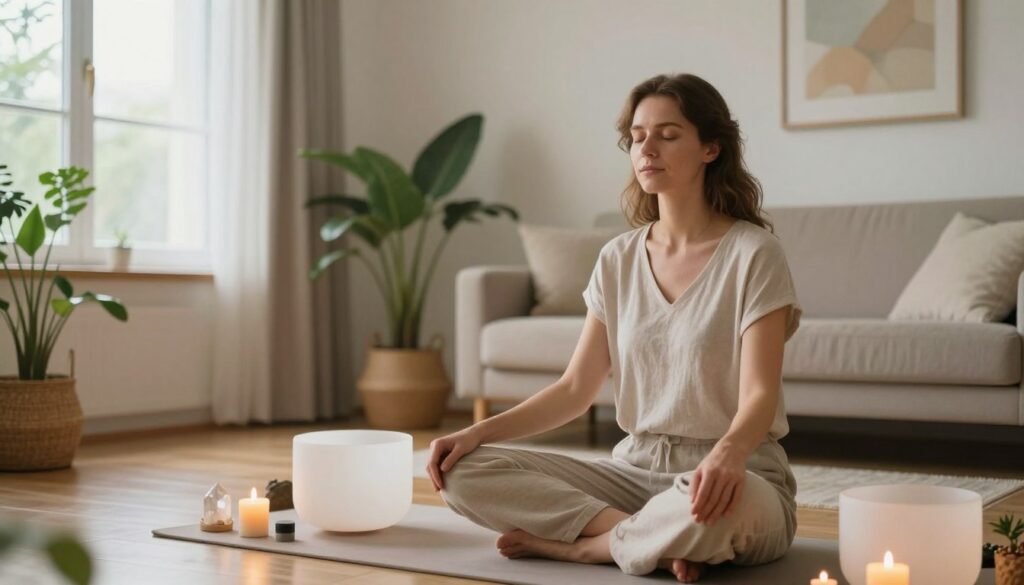
Set up your space for comfort
Choose a quiet corner with soft lighting and a blanket. Keep room temperature steady and clear clutter.
Home setup checklist:
- Silence notifications and close distracting tabs.
- Have water, a pillow, and an eye mask nearby.
- Keep a journal for notes after the session.
Tech checklist for video sessions
Test internet, charge devices, and place the camera to show your upper body.
Use headphones or a private room if others are home. This protects privacy and keeps the session calm.
Set a clear intention
Pick one goal: stress relief, clarity before a big day, or deeper relaxation.
Write your intention in one sentence to share at the session start. Simple goals help the practitioner and your nervous system settle.
Short grounding routine
Try 2–5 minutes of slow breathing or a brief meditation before you begin.
Tip: preparation doesn’t need to be perfect. Small steps create a better way to receive and integrate sessions.
What happens during a distance healing session
A typical distance session follows a clear rhythm: arrival, settling, receiving, and a gentle return.
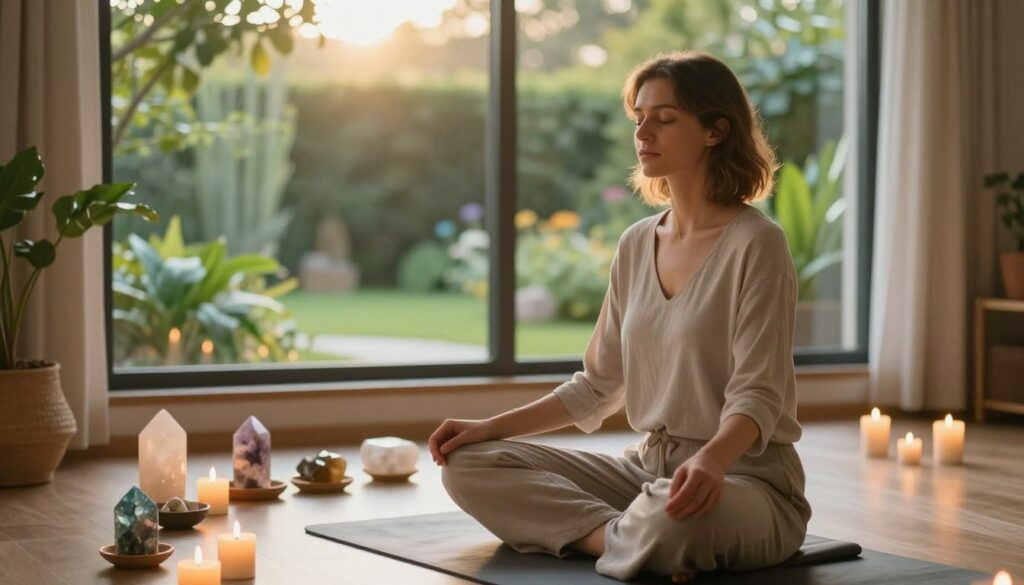
Opening conversation: goals, expectations, and what the practitioner will do
At the start, the practitioner or healer asks about your goals and any areas of concern. This short chat builds trust and sets clear expectations.
The healer explains the structure and answers questions. You may agree on one simple aim, such as stress relief or better sleep.
Receiving phase: lying down, relaxing, and letting the work unfold
Most recipients lie down with a blanket and eye cover. The practitioner’s breathing and a calm voice are often the main external sounds.
Tip: try not to force sensations. The best approach is to relax and let the process happen naturally.
Common sensations people report
People describe warmth, tingling, heaviness, deep calm, or an emotional release. Some feel subtle shifts while others notice nothing physical.
Sensations may appear in specific areas of the body, such as the chest, stomach, or shoulders. This is not a sign of harm—just a change in perception.
Closing and integration: gentle return, hydration, rest, and journaling
The session ends with gentle grounding and a brief check-in. Many say the close feels like waking from a restorative nap.
- Drink water and rest for a short time.
- Write notes to capture insights from the experience.
- Expect a follow-up message or brief check-in from the practitioner, depending on their style.
Benefits, results, and what research suggests so far
Many people describe subtle shifts after sessions that add up over weeks.
Common short-term benefits include calmer breathing, lower stress, and an easier return to sleep. These changes reflect a gentler nervous system response and steadier mood for some individuals.
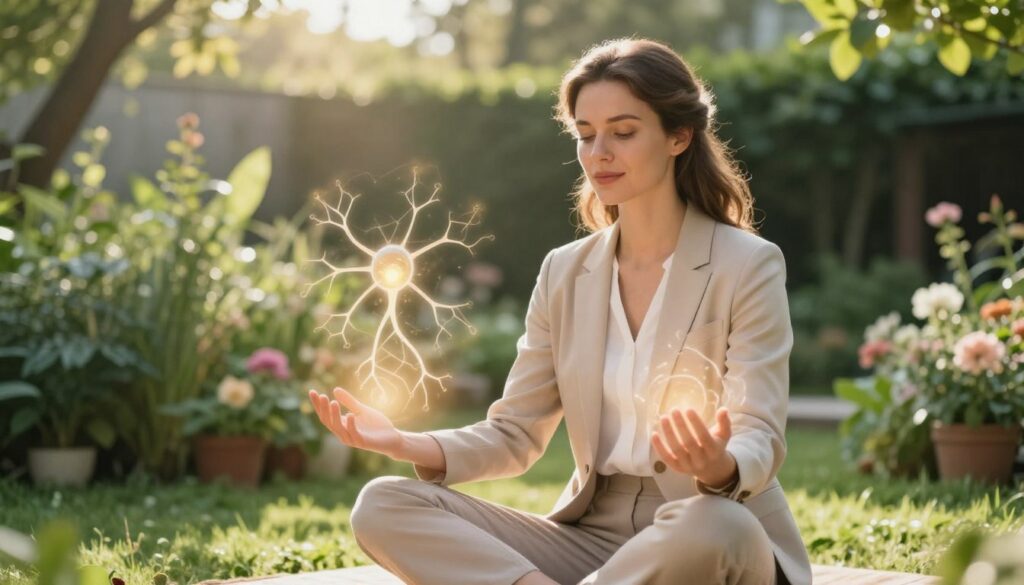
What research has observed
A number of reviews and small trials report modest results. A 2014 review noted reductions in pain and anxiety in some studies, while a 2013 review found effects on pain, anxiety, and quality of life for people facing cancer care. A 2011 trial with six 30‑minute sessions showed mood improvements, and a 2015 pilot of distant Reiki added to standard care reported lower pain, anxiety, and fatigue.
Why clarity and mood often change over time
For many, mental clarity and mood improve after several visits rather than a single session. Repeated sessions can reinforce calm habits, better sleep, and clearer thinking. Consistency often matters more than one dramatic moment.
Why results vary for individuals
Outcomes depend on baseline stress levels, timing in life, sleep, and openness to the approach. Variation does not equal failure; for some people the shifts are subtle—less reactivity, easier breathing, or small improvements in daily function.
| Reported benefit | What studies suggest | Typical time frame |
|---|---|---|
| Stress reduction | Repeated reports of lower anxiety and calmer autonomic response | Immediate to several sessions |
| Pain and fatigue | Mixed but some positive findings in reviews and pilot trials | Weeks with regular sessions |
| Mood and clarity | Improved mood in small trials with multiple sessions | Multiple visits over weeks |
Practical note: use this work as supportive care alongside medical treatment. If symptoms persist, seek evaluation from a qualified healthcare professional. For more on offerings and credentials, see energy healing.
Conclusion
Many find distance sessions a practical way to add regular relaxation into busy routines.
Key takeaways: remote energy work aims to support calm and clarity, follows a simple intake–receiving–close rhythm, and is often used for stress relief and general wellness.
Practical path forward: pick an approach like distance Reiki or chakra balancing, set up a quiet spot, write one clear intention, and give yourself time afterward to rest and note changes in sleep, mood, or daily clarity.
Mindset shift: this practice centers on focused attention and felt connection across space and time, not physical touch. Track your experience and choose a practitioner who communicates clearly.
Use these tools as complementary support and keep medical care central. For related offerings, see the psychic healing page.
FAQ
What is remote energy healing and why did it grow during the COVID-19 era?
Remote practice refers to guided sessions performed without physical contact, often over video or phone. Demand rose during the pandemic because people sought gentle ways to reduce stress and support wellbeing while maintaining distance. Many practitioners adapted traditional methods like Reiki and meditation to virtual formats to stay connected with clients.
What’s the difference between the terms “remote,” “distance,” and “distant” healing?
These words describe the same basic idea: a practitioner works without touching the client in person. The emphasis varies by tradition—some call it distance healing, others prefer remote sessions or distant work—but each aims to direct supportive intention and focused attention across space.
What do traditions mean by life force—terms like qi, prana, and ki?
Many systems describe a vital current that animates living things. Traditional Chinese medicine calls it qi, yogic systems use prana, and Japanese practices use ki. Practitioners use these concepts to explain shifts in vitality and balance during a session.
What is the body’s energy field and why does balance matter?
The field is a way to describe subtle layers that surround and interpenetrate the physical body. When those layers feel aligned, people report less stress, clearer thinking, and better sleep. Practitioners aim to restore harmony in those layers to support overall wellness.
What can remote sessions realistically provide as complementary support?
Sessions often promote relaxation, reduced anxiety, emotional easing, and a greater sense of clarity. They are complementary: useful alongside medical care but not a replacement for diagnosis or treatment of serious conditions.
Which types of practices translate well to distance work?
Modalities like distance Reiki, breath-based chakra sessions, guided aura clearing, and meditative attunements adapt well. They rely on focused attention, visualization, and intention rather than direct physical techniques.
Can acupuncture be done remotely?
No. Acupuncture requires needle placement on the body and can’t be performed at a distance. Some acupuncturists offer supportive breathing, visualization, or self-care coaching remotely, but the needling itself must be in person.
How do practitioners “tune in” to someone from afar?
Practitioners describe tuning in like adjusting to a frequency: they quiet their mind, focus intention on the recipient, and use visualization or ritual to establish a connection. Many combine this with breathing, grounding, and specific hand positions or symbols.
What role does focused intention play in sessions?
Intention directs attention and purpose. Practitioners concentrate on outcomes—relaxation, clarity, pain relief—and use sustained focus to support shifts in the recipient’s field. Clients are often invited to set their own clear intention before the session.
Why do some say space and time don’t limit this kind of work?
Many practitioners use metaphors from modern science—like nonlocality—to explain that awareness and intention can extend beyond physical proximity. The claim is that conscious focus and subtle fields can interact across distance.
Is there scientific research on the biofield and distant work?
A growing body of preliminary studies examines electromagnetic fields, heart-rate variability, and stress markers in relation to touch-based and distant practices. Evidence is mixed and often small-scale, but some reviews find consistent relaxation and wellbeing effects.
How does resonance and attunement affect a recipient during a session?
Resonance describes the way a practitioner’s calm, focused state can influence a client’s nervous system. Through attunement, a recipient may shift into deeper relaxation, experience reduced tension, and notice changes in mood or clarity.
How should I prepare my home for a remote session?
Create a quiet, comfortable spot with soft lighting and a blanket. Reduce distractions, silence notifications, and have water nearby. Set a clear intention—such as stress relief or improved sleep—and consider brief grounding, like deep breathing, before the session.
What tech setup works best for video sessions?
Use a stable internet connection, a camera that shows your face and upper body, and clear audio. Test privacy settings and choose a quiet time. If video isn’t possible, phone sessions can still be effective with a focused environment.
What happens at the start of a distance session?
Most sessions begin with a short conversation about goals, current concerns, and any precautions. The practitioner explains the process and answers questions so expectations are clear before the receiving phase begins.
How do people typically receive during a session?
Recipients usually lie down or sit comfortably, relax, and follow gentle guidance. The practitioner works by sight, intent, or visualization while the client stays relaxed and receptive. Sessions often last 30–60 minutes.
What sensations might I notice during a session?
Common reports include warmth, tingling, waves of calm, emotional release, or brief shifts in breathing. Some people feel little at the time but notice changes afterward, such as better sleep or reduced tension.
What happens after a session—how should I integrate it?
Practitioners typically guide a gentle return to activity, recommend hydration, rest if needed, and suggest journaling about sensations or insights. Repeating sessions over time often supports deeper, more stable changes.
What benefits have studies and reviews observed?
Research and reviews note consistent benefits for relaxation, reduced anxiety, and improved subjective comfort. Small studies of related practices show possible effects on pain, fatigue, and mood when used alongside conventional care.
Why do results vary between individuals?
Outcomes depend on timing, consistency, personal openness, the practitioner’s experience, and individual nervous system patterns. Some people notice immediate shifts; others require multiple sessions for measurable change.
How many sessions should I expect to see meaningful change?
Many practitioners recommend an initial series—often three to six sessions—so effects can build. Maintenance sessions can follow as needed. The exact number depends on goals, health, and response rate.
Are there any risks or people who should avoid remote sessions?
Sessions are low-risk but not a substitute for medical care. People with severe psychiatric conditions or those in crisis should seek clinical support first. Always inform the practitioner about medical issues and follow professional medical advice.
Can I combine remote sessions with other self-practices?
Yes. Many clients pair sessions with meditation, breathwork, yoga, or therapy to extend benefits. Simple daily practices can reinforce changes and improve long-term outcomes.
How do I choose a qualified practitioner for distance work?
Look for clear credentials, good client reviews, transparent session policies, and a practitioner who explains their approach. Ask about training in reputable traditions such as Reiki, clinical biofield research familiarity, or established meditation schools.