
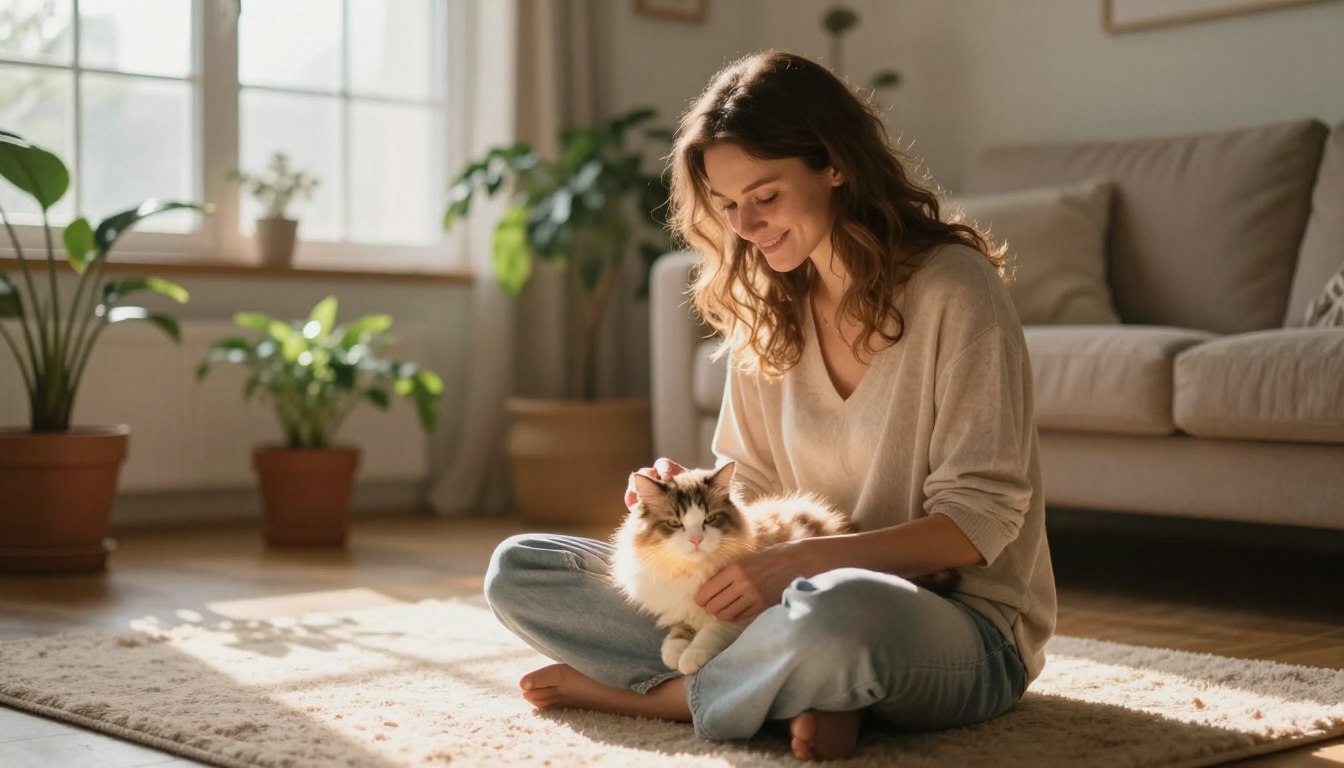
Candilee Jackson and others frame Animal Reiki as a meditation-based practice linked to old beliefs that felines carry spiritual presence.
Kezia Locke notes many owners report calm from a purr and simple companionship. A 2021 University of York survey found 95% of respondents said their animal brings consistency and a sense of being loved.
This introduction sets clear expectations. It will explain science-adjacent ideas like purr vibration and relaxation, and explore cultural traditions from Ancient Egypt to modern Reiki, without suggesting pets replace medical care.
Readers will see two lenses: evidence-informed benefits such as mental wellbeing and practical companionship, and belief-based practices like Animal Reiki and meditation. You’ll learn why a feline can feel like a healer when life is hard, and what research says about purrs, stress, and the body’s relaxation response.
Responsible pet ownership matters here: supporting a cat’s health supports a person’s wellbeing in real, practical ways. For more on energy work and methods, see this guide.
Key Takeaways
- “Healing” often means emotional comfort, less stress, and a calmer home.
- Purr frequencies and vibration may aid relaxation but don’t replace medicine.
- Both research and tradition shape why people report benefits.
- Animal Reiki and intent-based practices sit alongside evidence-informed care.
- Caring for a pet’s health supports human wellbeing.
Why cats feel like healers to humans
When life feels unsteady, a steady pet can bring surprising comfort. Many people report that simple routines and quiet presence from a feline friend soften hard days. Those small habits matter more than grand gestures.
The comfort of a feline friend in hard times
“My cat Nancy sat on my lap every night after my loss; her steady purr and routine helped me sleep again,” recalls Kezia Locke.
Consistency is key: regular feeding, bedtime snuggles, and calm company give structure when life feels chaotic. A University of York survey (2021) found 95% of people said their animal offered companionship and a sense of being loved.
Petting a cat, feeling safe, and calming the mind in the moment
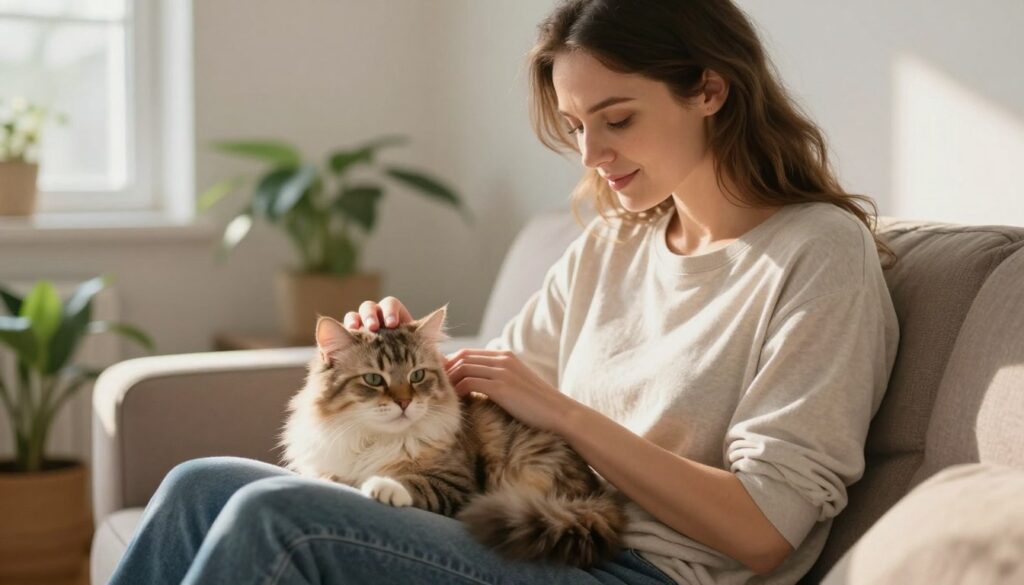
Petting a cat in your lap—slow strokes, warmth, and a steady rhythm—helps downshift stress responses. Noticing that your pet is content makes it easier to feel grounded and reduces anxiety in that moment.
- Try this: make a calm spot at home, sit quietly, and let your feline friend approach.
- Learn your pet’s signals; their subtle affection often feels more sincere once trust grows.
- Small daily comforts add up: more calm minutes, improved sleep, and less loneliness over time.
These simple things explain why many humans describe their companion as a quiet source of comfort rather than a cure. For tips on gentle, intention-based support, see how to send calming support.
Do cats have healing energy? What research suggests about the cat purr
The humble purr sits at the crossroads of folklore and lab work, prompting careful study.
The science of sound: purr frequency ranges linked to relaxation and recovery
A purr is a low-frequency vibration and sound that felines make in many contexts: contentment, pain, or seeking comfort.
Researchers commonly cite a range of about 25–140 Hz for a typical cat purr. Low-frequency sound in popular science is linked to relaxed states and, in some therapies, to tissue response.
Stress relief benefits for owners: calming the nervous system
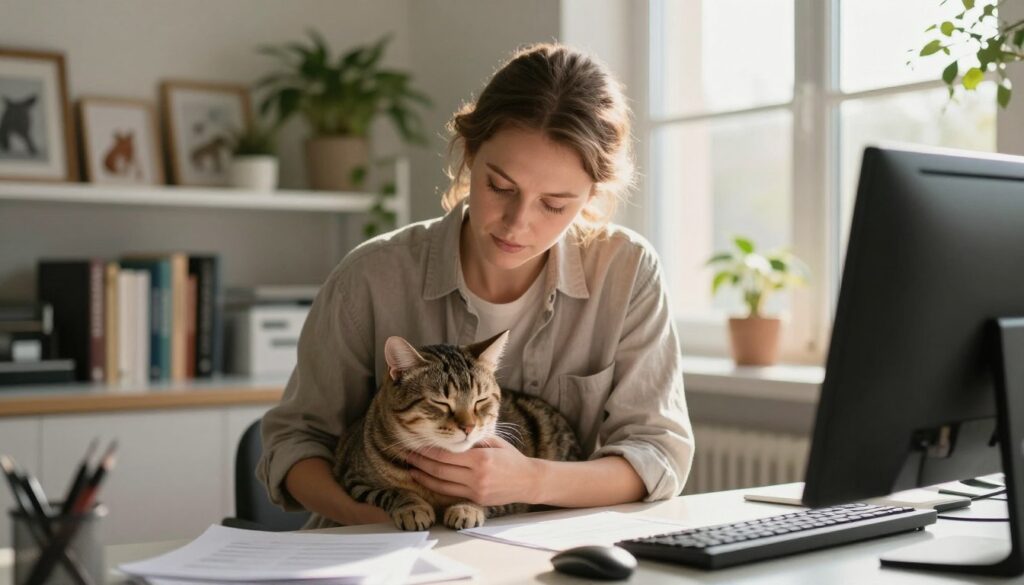
Many owners report that steady vibration and quiet sound help them breathe slowly and settle into a calmer state. That drop in arousal can lower perceived stress and ease anxiety for some people.
“The rhythm of a purr often makes it easier to slow breathing and feel safe,” reports Kezia Locke.
How vibrational therapy compares to the healing power people attribute to purring
Vibrational therapy in human medicine is studied for bone and tendon support, which leads some to draw parallels with a cat purr. But current research is mixed; measurable frequencies exist, yet direct physical recovery claims remain intriguing but unproven.
- Let the animal choose contact and reduce background noise to notice the sound.
- Sit comfortably, breathe slowly, and observe without expecting specific fixes.
- Remember purring can signal many states; context matters.
| Feature | Cat purr | Clinical vibration therapy |
|---|---|---|
| Frequency range | ~25–140 Hz | Varies by device; targeted frequencies for tissue |
| Evidence for relaxation | Strong anecdotal reports, some studies | Clinical trials show targeted outcomes |
| Evidence for physical repair | Suggestive, not conclusive | More established in specific protocols |
Balanced takeaway: The clearest, evidence-backed benefit is emotional regulation and reduced stress. Physical recovery claims merit more study. For practical techniques and stepwise methods, see how to perform energy work.
Spiritual and cultural roots of feline energy healing
Across many cultures, the cat has long stood as a symbol of protection and mystery.
Ancient Egypt elevated the feline into sacred roles. Dave Roos (HowStuffWorks, Feb 27, 2024) and ARCE note that Egyptians linked cats to the goddess Bastet, often shown with a cat-like head.

Bastet guarded households and was thought to repel misfortune, disease, and hostile spirits. Candilee Jackson highlights Bastet’s protector role and explains why people long saw the cat as carrying a kind of divine protection across years.
“Bastet’s image—part woman, part cat—gave ancient people a clear symbol of shelter and watchfulness.”
Over later years, images shifted. In parts of medieval Europe, the same animal moved from revered guardian to a misunderstood figure. Religious change and superstition sometimes turned once-honored feline powers into suspicion.
| Era | Role | Meaning for humans |
|---|---|---|
| Ancient Egypt | Protector, linked to Bastet | Household safety, divine favor |
| Medieval Europe | Feared or misunderstood | Associated with superstition |
| Modern times | Companion and comfort | Projected guardian roles, emotional support |
These long-running stories show why people still project healer-like roles onto their pet. Love and trust make a companion feel like a guardian of your space and your heart.
Modern practices borrow from this past. For a look at how old ideas meet current methods, explore a concise guide on clairvoyant traditions and intention-based practice here.
Animal Reiki and cats as empaths: a modern lens on healing energy
Animal Reiki is a meditation-based practice that links calm attention and compassionate intention. Candilee Jackson defines Reiki as “rei” (spirit) + “ki” (energy), a gentle approach to promote wellness through focused quiet.
What Reiki means in simple terms
Reiki focuses on steady breath, soft attention, and creating a relaxed space. It often uses the phrase “work with energy,” while keeping the practice rooted in meditation and presence.
Let animals lead: consent and space
Kathleen Prasad’s “Let Animals Lead” idea asks you to invite rather than chase contact. Respecting distance reduces stress for the animal and makes any calming benefit more genuine for the human.
Breath, presence, and gentle connection
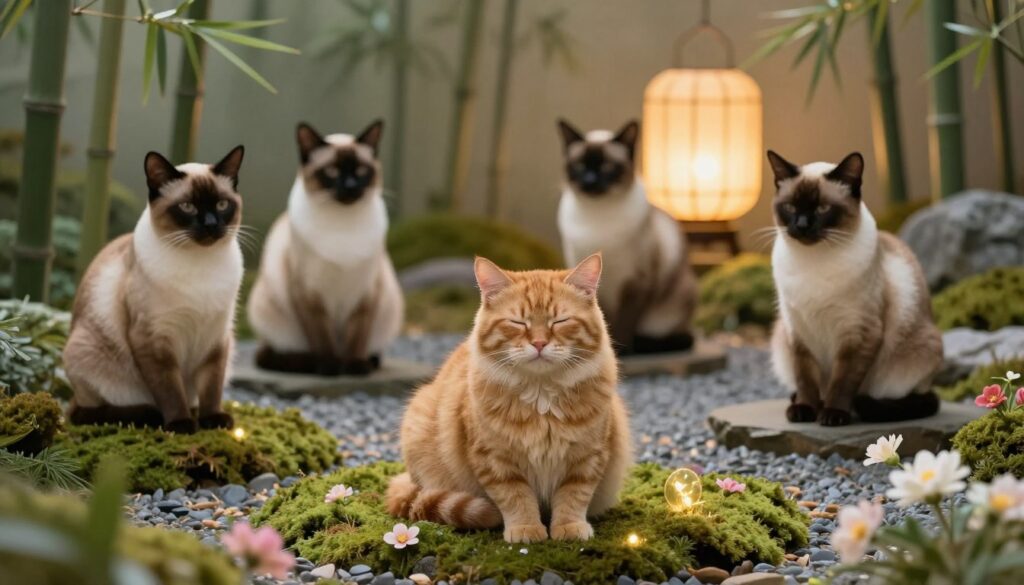
Cats model steady, grounded being; slowing your breath and sitting still helps the mind settle. Connection can happen without touch—sitting nearby often calms both bodies and hearts.
“Let the animal decide the moment and duration; trust builds faster when consent guides contact.”
- Offer a quiet room, sit comfortably, breathe slowly.
- Soften your gaze, make a quiet invitation, and let the animal choose contact.
- Support the animal with routine care so the relationship stays reciprocal.
| Practice element | What it looks like | Why it matters |
|---|---|---|
| Breathe & presence | Slow inhalations, soft attention | Helps both mind and body downshift |
| Let animals lead | No forced petting; invitation only | Preserves consent and reduces stress |
| Reciprocity | Routine vet care and enrichment | Protects the animal and deepens trust |
Try it: choose a calm time, sit in a comfy chair, breathe slow, invite your cat with silence, and end when they walk away. For training and deeper practice tips, see how to become a psychic healer.
Conclusion
Quiet company can shift stress into a calmer rhythm in minutes. For many people, cats do not perform a magical cure, but they offer real support for human health through routine, companionship, and a calm home presence.
Practical benefits—reduced stress, emotional comfort, and gentle soundscapes—are the clearest returns. Cultural traditions and modern Reiki practices give people a respectful framework to interpret this as healing.
Keep boundaries central: let your cat lead, respect signals, and avoid forcing lap time. If anxiety or medical issues persist, pets complement care but are not a substitute for professionals.
Try a few quiet minutes of companionship over the next months and notice shifts in mood and tension. Caring for your pet’s health is part of the bond’s power—both sides thrive when safety matters.
Learn more about mindful practices like chakra balancing to deepen calm at home.
FAQ
Do cats really help people feel better during stressful times?
Many owners report comfort when a feline friend is nearby. Petting, gentle purring, and steady presence can lower heart rate and ease anxiety in the moment. Practical routines like sitting together on a lap or stroking fur also cue the nervous system to relax and can improve mood over time.
How does the purr affect the body and mind?
Research points to purr frequency ranges that align with increased relaxation and possible tissue repair. Those low-frequency vibrations can calm the nervous system and promote a sense of safety, which helps reduce stress hormones and improve sleep for some people.
Is there scientific evidence linking purring to healing?
Studies show correlations between purr frequencies and beneficial physiological responses, such as reduced pain perception and improved bone density in animal models. While purring isn’t a medical cure, it supports recovery-related processes and provides measurable stress-relief benefits for owners.
Can a cat’s presence be considered a form of vibrational therapy?
In a practical sense, yes. The combination of sound, warmth, and rhythmic touch produces vibrations similar to low-level therapy. Many therapists recognize pet interaction as a complementary approach that enhances relaxation and emotional well-being.
Where did the idea that felines have special energy come from?
The belief stretches back to cultures like Ancient Egypt, where Bastet was honored and cats were seen as protective and sacred. Over centuries meanings shifted, but respect for feline intuition and companionship remained in folklore and rituals.
Why did views of cats change over time?
Social, religious, and political shifts altered how people saw animals. Cats moved from revered household guardians to symbols with mixed reputations in different eras. Still, many cultures preserved traditions that highlight feline wisdom and healing presence.
How does Reiki or meditation-based practice relate to cats?
Some practitioners include animals in gentle Reiki or mindfulness sessions because cats often model calm breathing and focused presence. They can help people anchor attention, but the practice emphasizes consent and noncoercive interaction with the animal.
What does consent and space mean when using a pet for calm or meditation?
Let the animal choose whether to join. Respecting boundaries reduces stress for both parties. If a cat moves away, follow its lead—offering an inviting tone, soft pats, or a cozy blanket instead of forcing contact maintains trust and deepens the bond.
How can owners practice breath and presence with their cats?
Sit quietly and match your breathing to a slow, steady rhythm. Offer a warm lap or soft voice and allow the cat to initiate contact. These simple steps encourage mutual relaxation and teach patience, which benefits both mind and body.
Why do cats often stay close when their owners are sick or upset?
Many felines respond to changes in routine, scent, and behavior by offering proximity. This closeness can be an instinctive comfort strategy; it helps owners feel supported and can reduce feelings of isolation during illness.
Can pets sense intention and boundaries from people?
Yes. Animals pick up on tone, movement, and energy. Clear, calm intentions and consistent boundaries create a safer environment where cats feel comfortable offering affection without stress.
Is the healing connection between people and cats one-way or reciprocal?
It’s a two-way street. Caring for a feline improves human well-being, and attentive owners help keep their pets healthy. Regular vet care, play, and respectful interaction support the bond and produce lasting benefits for both.
How should someone use a cat’s calming effects without overstepping the animal’s needs?
Prioritize the cat’s comfort: offer options for interaction, watch body language, and avoid forcing contact. Create quiet spaces and consistent routines so the animal can engage on its own terms while you enjoy the calming benefits.