

This short guide explains a calm, focused method for offering comfort when someone faces a hard moment. It frames distance healing as an intention-led practice that uses breath, the heart center, and simple attention to support a person without physical presence.
Expect grounded, practical steps: a brief meditation flow that fits about 17 minutes, a neutral preview of Reiki, and clear tips on boundaries. This is an informational guide for well-being and stress support, not a replacement for medical or mental health care.
Why this matters: life separates people by miles and schedules, yet many want a meaningful way to show up. Intention acts as the steering wheel—what you focus on shapes the result. Beginners can use breath, warmth in the hands, and gentle attention as simple cues.
For a detailed walk-through and a linked example, see how to send healing energy. The article will move from basics, to a guided meditation, to Reiki and practical boundaries, ending with an easy wrap-up.
Key Takeaways
- Distance healing is an intention-led practice that supports someone from afar.
- A simple flow can be completed in about 17 minutes using breath and heart focus.
- Intent matters more than tools; anyone can begin with calm attention.
- This guide supports stress relief and well-being, not medical treatment.
- Clear steps, Reiki overview, and boundary tips make the method approachable.
Healing energy and distance healing basics
A simple remote practice can bridge distance and offer comfort through steady attention.
What remote practice means and why people try it today
Distance work means you focus kind intention toward someone who is not nearby. Think of it as an invisible bridge of care. People use this method when travel, schedules, or health make presence impossible. It helps loved ones stay connected and offers practical emotional support.

The role of intention, love, and focused attention
Choose a clear aim—comfort, ease, or calm—and hold that thought gently. Across cultures, traditions name the life force as chi, prana, or ki, which shows this idea has deep roots. Keep intentions simple and non‑controlling; steady, kind focus matters more than force.
What recipients may notice
People often report feeling calmer, warmer, or more relaxed. Some sense light pressure or heaviness; others drift off and sleep better afterward. Results vary: some feel little in the moment and notice changes later, like reduced anxiety or a lighter mood.
Respect is key. Always keep intentions compassionate and avoid imposing work on someone who hasn’t asked. For a fuller guide and an example overview, see the linked resource.
How to send healing energy with a simple distance meditation
Create a small ritual: dim the lights, silence notifications, and set a timer for about 15–20 minutes. This short window gives the mind space and the body a chance to relax.
Setting your space, time, and mindset
Choose a quiet room and sit comfortably. Commit to this brief period so your attention can settle without interruptions.
Mindset cue: you are offering support, not forcing change. Hold a simple intention such as comfort, calm, or ease.
Relaxation and breathwork
Close the eyes and breathe slowly: gentle inhales, longer exhales. Soften the jaw and drop the shoulders.
If the mind wanders, return to slow breathing and a single, steady intention.
Activating the heart as a source
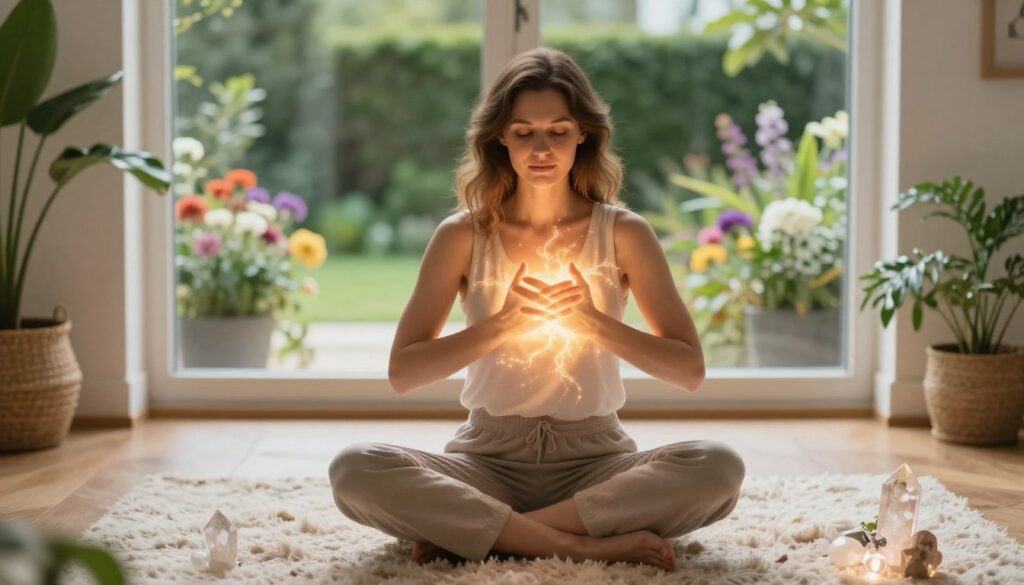
Place attention at the center of the chest. Imagine a warm glow there — often a greenish or reddish light — and let it expand as a source of loving power.
Connecting without needing a location
Bring the person to mind by name, face, or a felt sense. Remember: distance holds no sway over focused awareness; intention is the address.
Directing through heart and palm
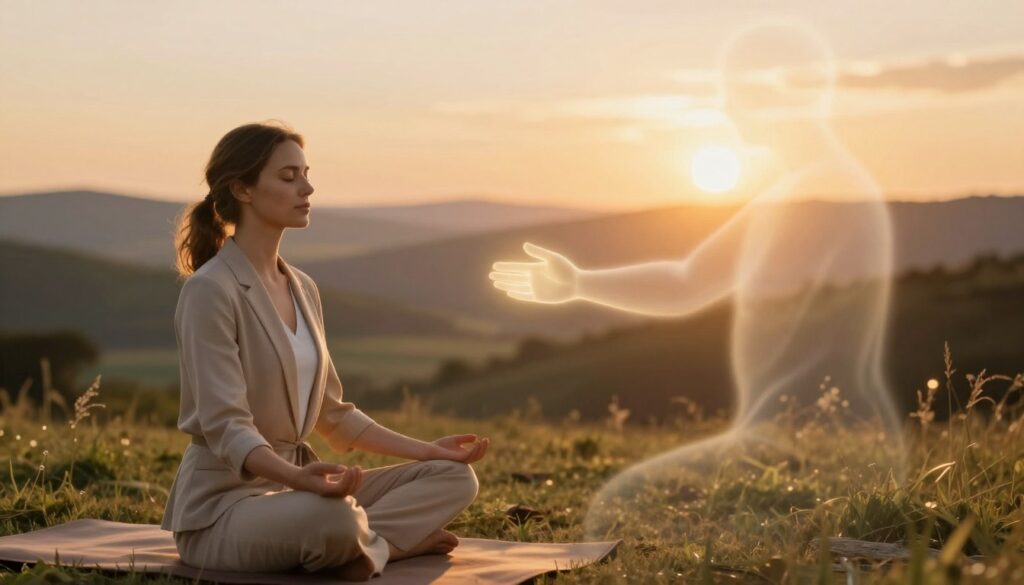
Visualize warmth flowing from the heart, down the arm, and out through the palm toward the area that needs support. If visualization is hard, focus on the sensation of warmth or a steady knowing.
Closing the process
Soften the imagery and lower the hand. Let the heart light return to its normal glow, send brief well wishes, and feel yourself back in your body before opening your eyes.

| Step | Action | Time |
|---|---|---|
| Prepare | Quiet space, timer, mindset cue | 2–3 min |
| Relax | Breathwork, soften body | 3–4 min |
| Activate | Heart focus and light visualization | 4–5 min |
| Direct | Heart → arm → palm, intuition-guided | 4–5 min |
| Close | Ease imagery, send wishes, ground | 2–3 min |
If you want structured guidance for developing intuition or mediumship skills, explore psychic medium classes or learn about telepathic awareness in a beginner-friendly guide at discover your telepathic abilities.
Reiki and absent Reiki as a structured way to send healing across distance
Reiki is a gentle, structured form of energy healing often described as a “universal life force.” It teaches a clear method for focusing natural power that people are born with. Many teachers, including Libby Barnett, stress that everyone can access this source with training and practice.
What makes distance Reiki different
Absent Reiki uses a learned symbol and a protocol rather than hands-on positions. The second-degree distance symbol links the practitioner with a person’s energetic essence across space.
Simple, practical steps practitioners use
Picture the person, place their name or photo nearby if desired, then run your usual Reiki sequence while holding the symbol. Many keep palms facing as if cradling a connection. This is a respectful, steady way for people to offer supportive practice when they cannot be present.
A ready intention
“May this person or situation be filled with Reiki for the highest healing good.”
Recipients often report calm, warmth, or deep relaxation. Some notice subtle shifts later, which is normal and still meaningful.
| Mode | Main element | Typical use |
|---|---|---|
| In-person Reiki | Hands on or near body | Support during recovery, pain relief, anxiety |
| Distance Reiki | Second-degree symbol, intention | Support when a friend or person is far away |
| Basic practice | Heart focus, name or photo | Short meditation or longer session |
For those seeking formal instruction or a path to develop this work, consider training programs like become a psychic healer.
Tips to strengthen your practice and support real-life healing
If visualization is hard, rely on sensation, intuition, and a steady knowing. Focus on warmth, tingling, or a slight pressure in the palms. These are valid signs that a connection is present.
Quick reflection after sessions
Take 2–5 minutes to notice shifts in your body, mood, and thoughts. Write brief answers to prompts like: How did the connection feel? When was it strongest? How do you feel now?
Consistency over intensity
Short sessions done often build skill and calm faster than rare long ones. Aim for brief practice several times per week to steady the mind and the heart.
Boundaries and consent
Ask recipients when possible. If you cannot, keep intentions broad and respectful: comfort, peace, and highest good. Use a quick return-to-self routine: feel your feet, breathe, and imagine attention settling back into your own space.
“Showing up with clear intention and respect matters more than vivid images.”
| Focus | What to notice | Suggested time |
|---|---|---|
| Sensation | Warmth, tingling, pressure | 1–3 min |
| Reflection | Mood, thoughts, insights | 2–5 min |
| Frequency | Short, regular sessions | 5–15 min, several times weekly |
Remember: distance practice complements professional care for stress, pain, and anxiety. Outcomes vary, and compassion matters most. For a related perspective on feelings and intention, read this short guide.
Conclusion
Use simple meditation, calm intention, and steady attention to offer gentle support across distance. This practice can bring warmth and clear focus for a person even when you are apart.
Keep the structure easy to remember: set aside time, relax body and mind, open the heart, connect briefly, and send wishes gently. Finish with a respectful closing like “for the highest healing good” and ground back in your body.
Practice the short meditation a few times this week and note any shift in your mood, compassion, or steadiness. Small, consistent acts of care can matter in real life.
For a related distance meditation example, see distance meditation example.
FAQ
What is distance healing and why do people practice it today?
Distance healing is a method of offering care across space by using intention, focus, and compassion. People choose it for convenience, when travel isn’t possible, or to support loved ones far away. It can complement medical care and provide emotional comfort, relaxation, and a sense of connection.
What role do intention and love play in energy healing?
Intention and love act as the guiding forces behind the practice. Clear, compassionate focus helps shape the session, while heartfelt care supports a calm, respectful atmosphere. Practitioners often center on positive outcomes and the recipient’s highest good.
What might a recipient feel during a session?
Experiences vary widely. Some feel warmth, tingling, or deep relaxation. Others notice emotional release, clearer thinking, or shifts in pain. Some people feel nothing overtly and still report benefits later. Responses depend on timing, openness, and individual sensitivity.
How do I prepare my space, time, and mindset before beginning a distance meditation?
Choose a quiet, comfortable spot and set aside uninterrupted minutes. Dim lights or light a candle if it helps. Ground yourself by taking a few slow breaths, set a clear, compassionate intention, and remove distractions like phones. Simple consistency helps build practice.
What relaxation and breathwork techniques work best to center the mind and body?
Gentle, steady breathing—such as inhaling for four counts and exhaling for six—calms the nervous system. Progressive muscle relaxation, a brief body scan, or counting breaths can quiet the mind. Keep steps short and focused to maintain clarity.
How can I activate the heart chakra as a source of loving care?
Focus your attention on the center of the chest and imagine a warm, green or soft golden light expanding outward. Breathe into that area and recall a memory of kindness or gratitude. The feeling of warmth and openness becomes the channel for compassionate intention.
How do I connect with the person I’m supporting when I don’t know their exact location?
Use their name, a photo, or a mental image. If those aren’t available, form a clear intention that names the person’s situation and sends care to whoever most needs it. Trust intuition and maintain respectful boundaries; clarity in purpose replaces physical distance.
What visualization helps direct care through the heart and palm?
Visualize light gathering in your chest, then flowing down your arm to your palm like a warm, healing beam. Picture that light surrounding the recipient, soothing areas of discomfort. Keep images simple—brightness, warmth, and loving intent are enough.
How should I close a session and return to myself afterward?
Gently withdraw focus from the recipient, imagine the light gradually dimming or framing them in protection, and offer well wishes for ongoing support. Take a few grounding breaths, place both feet on the floor, and drink water. A short pause helps reintegrate your energy.
What is Reiki and how does absent Reiki work at a distance?
Reiki is a guided practice often described as universal life force channeled through the practitioner. Absent Reiki applies the same principles without physical contact, using symbols, intention, or a mental connection to send supportive care across space.
How does distance Reiki differ from in-person hand positions?
In-person work uses specific hand placements over the body, while distance sessions rely on symbols, visualization, or intention to bridge space. The structure and ethics remain similar: focus on consent, protection, and the recipient’s highest good.
What is a simple “highest healing good” intention I can use?
A basic phrase is: “For the highest good and greatest healing of [person], with love and respect.” Keep it short, sincere, and unconditional. Such wording centers the work on well-being rather than specific outcomes.
What if visualization feels difficult—what alternatives help?
Use physical sensations, like warmth in the hands, or rely on intuition—“just knowing” that care is being offered. Sound, prayer, or repeating a calm phrase can also anchor the session. Trust simple methods that resonate.
How should I reflect after sessions to notice shifts and insights?
Spend a few minutes journaling physical sensations, emotions, or any images that emerged. Note timing of any changes in the recipient’s state. Reflection helps track patterns and refines your awareness over time.
How often should I practice and why does consistency matter more than intensity?
Short, regular sessions build skill and sensitivity faster than rare, long efforts. Aim for brief daily or several-times-weekly practices. Consistency strengthens focus, deepens trust, and supports sustainable growth.
How do I maintain emotional boundaries and obtain consent when offering care?
Always ask consent whenever possible and respect someone’s wishes if they decline. Use protective intentions before a session, and avoid taking on another’s emotions as your own. Clear boundaries preserve both parties’ well-being.
Can distance care support stress, pain, anxiety, and overall well-being?
Yes—many people find it helps reduce stress, ease pain, and calm anxiety alongside conventional treatments. It works best as complementary support, not as a substitute for medical advice or urgent care.
What are simple practices to strengthen my ongoing work?
Build a short daily routine: grounding breath, heart-centered focus, and a brief sending practice. Study with a reputable teacher or read reliable resources, keep a reflection journal, and rest when needed. Small, steady steps create real progress.
Are there safety or ethical concerns I should know about?
Prioritize consent, avoid promising cures, and never replace medical guidance with this work. Keep clear emotional boundaries, seek supervision if you feel overwhelmed, and respect each person’s autonomy and privacy.