

Find a safe, simple space for shared growth. In a fractured world, groups offer a sanctuary for honest connection and deep emotional support. These gatherings focus on shared intention and a judgment-free setting where people meet to restore balance.
This guide promises clear, practical steps. You will learn a friendly definition, how sessions unfold, and ways to join or create a responsible, inclusive group in the United States. Expect grounded advice that honors diverse beliefs while reminding readers that group care does not replace medical or mental health help.
Circles bring folks together to align intent and foster community. They help strengthen connection and provide mutual support through guided practice and shared presence. Beginners and seasoned practitioners both find value in the collective experience.
Ready to explore next steps? Learn more about thoughtful practice and safe group design in this guide, or follow a detailed path in a trusted resource like this ultimate guide.
Key Takeaways
- These groups offer communal support and intentional connection.
- Guidance covers what happens in a session and how to join later.
- Practical steps show how to create safe, inclusive gatherings.
- They complement, but do not replace, professional medical care.
- Beginners and experienced people find value in shared practice.
What Is an Energy Healing Circle?
When people gather with clear intent, the combined presence often feels stronger than working alone. These gatherings let participants come together to share compassion, set intentions, and use gentle practices aimed at relief and renewal.
How a healing circle differs from a Reiki share
A healing circle is broad and inclusive. It can weave breathwork, sound, meditation, or Reiki. A Reiki share or Reiki circle usually focuses on Reiki technique, with timed turns—often 15–20 minutes—so each person both gives and receives.
Why the circle format matters
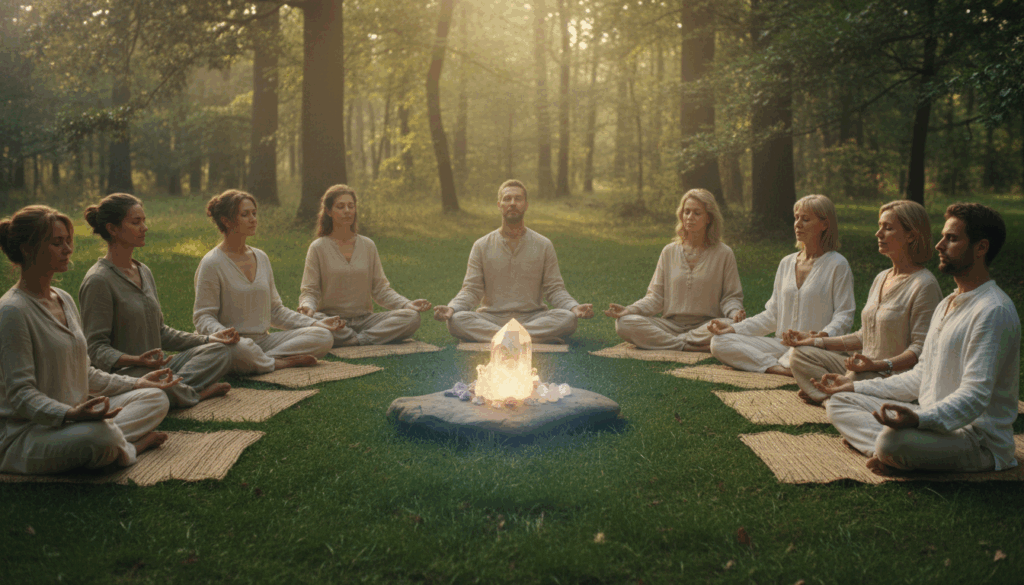
The round setup supports unity and equality. No seat implies hierarchy, so people feel safer to speak, listen, and connect. That environment fosters trust and active listening.
How collective intention amplifies the field
When intentions align—whether for stress relief, clarity, or renewal—the group creates a stronger field. Many participants report that shared focus makes the healing energy feel more powerful than solo practice.
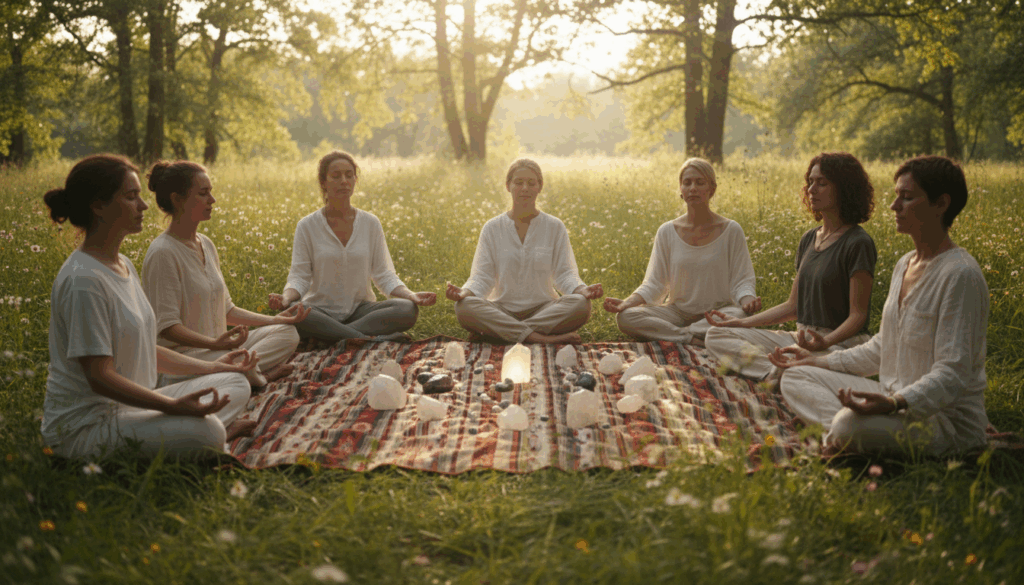
- Definition: a group that comes together to support healing through shared intention and practices.
- Practical example: Reiki shares often rotate recipients in set windows so everyone experiences both roles.
- Respecting wisdom: circles may include varied modalities when the facilitator is clear and the group consents.
For step-by-step tips on sending focused support, see how to send healing energy to.
Why People Join a Healing Circle
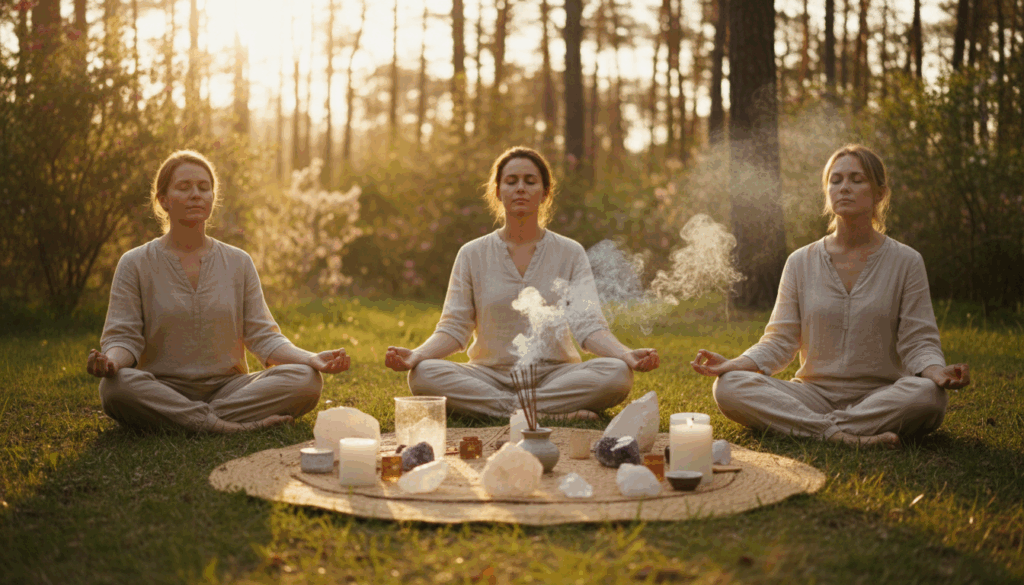
Many join small group gatherings to let heavy feelings move through with gentle witness. People often come for emotional release and clear stress relief. Sessions offer a renewed sense of hope when life feels crowded or overwhelming.
In a disconnected world, these gatherings rebuild belonging. Consistent face-to-face or screen-to-screen meetings create real community support. Participants report feeling seen, heard, and held without judgment.
Clarity and personal growth over time
Listening to others and reflecting helps sharpen clarity and boost self-awareness. Change usually comes slowly; showing up over time leads to steady transformation and stronger self-trust.
The lighter, practical outcomes
Many leave sessions feeling physically lighter and emotionally renewed. Benefits range from calm tools for daily stress to deeper spiritual rejuvenation and renewed purpose.
| Reported Outcome | Short-Term | Long-Term | Who Often Benefits |
|---|---|---|---|
| Calm / Grounding | Immediate | Sustained with practice | People with high stress |
| Emotional clarity | After session | Improves over time | Those seeking insight |
| Belonging & support | From first meeting | Deepens with consistency | Isolated or sensitive people |
| Renewal / light feeling | Often immediate | Reinforced by return visits | Anyone seeking rejuvenation |
For classes and guided group practice that build skills and trust, consider exploring psychic medium classes as a next step.
What to Expect in a Group Energy Healing Session
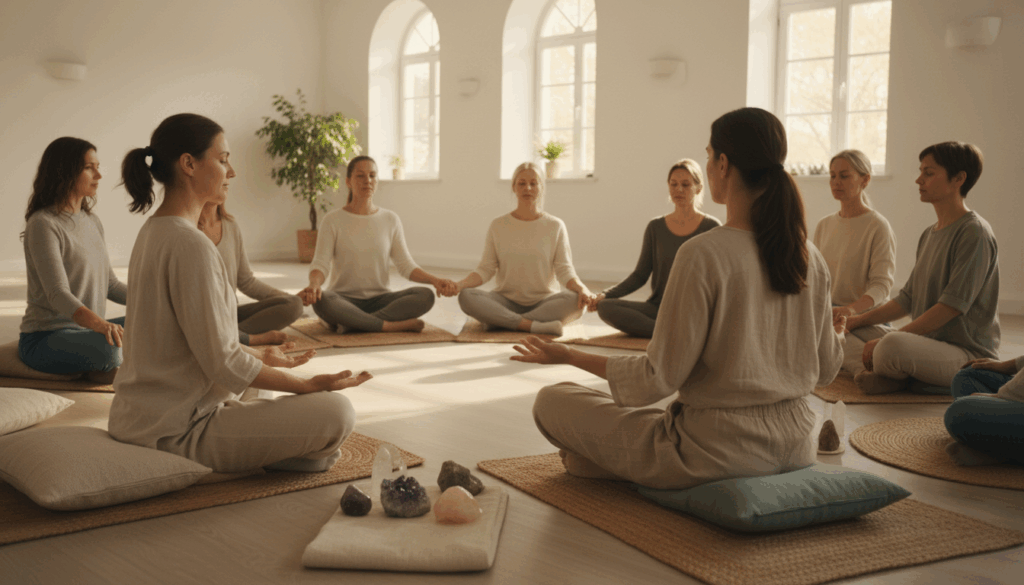
A typical group session follows a clear rhythm so people can relax and stay present. That steady arc helps newcomers feel safe and experienced members stay grounded.
Opening the sacred space
Sessions often begin with grounding: slow breath, gentle body awareness, and a short meditation. The facilitator invites a simple personal intention tied to the body, heart, or daily life.
Guided practices used in circles
The main segment blends techniques: chakra balancing, a Tree of Life activation, and shamanic movements or visualizations. Facilitators may guide breathwork, subtle scanning, or quiet imagery.
Closing ritual and collective focus
Closing usually includes sound cues (chimes or bells), shared gratitude, and a brief collective intention for peace and the greater good. People are encouraged to drink water, rest, and reflect after sessions to help integration.
| Stage | Time (60-min) | Typical Actions | Participant Cue |
|---|---|---|---|
| Arrival & settling | 5–10 min | Sign-in, sit, breathe | Soft voice, quiet |
| Main guided work | 35–40 min | Visuals, chakra work, sound | Eyes closed, gentle movement |
| Closing & integration | 10–15 min | Shared intention, water, rest | Slow breath, open eyes |
For practical steps on performing group care, see how to perform energy work.
How to Join an Energy Healing Circle in the Future
Joining a group session can be a gentle step toward deeper support and shared calm. Below are clear steps to pick the right option and arrive prepared.
Choosing in-person or virtual
Pick in-person if you want physical co-presence, hands-on facilitation, or a stable local space. Choose virtual for easy access, less travel, or sensory sensitivity.
Schedule, time, and group size
Look for consistency: posted dates and a realistic time block (often 60 minutes). The Healing Circle example runs bi-weekly on Wednesdays, 12:00–1:00 PM CST, in-person or virtual with limited spots to keep things intimate.
Prepare your body and mind
Hydrate lightly, wear comfortable clothes, arrive a few minutes early, and set a gentle intention instead of a fixed outcome.
Participate with respect
Expect facilitators to state modalities, consent boundaries, and how sharing works. Honor active listening, avoid unsolicited advice, and protect confidentiality so participants feel safe.
- Access & pricing: seek community-supported tiers or scholarships to widen access.
- Commitment checklist: posted schedule, 60-minute time block, small group size, clear facilitator ethics.
- Extra support: consider training or classes like online psychic training to deepen practice.
How to Create a Safe, Supportive Healing Circle
A reliable framework gives everyone permission to rest, speak, and listen. Start by defining the container: purpose, time limits, and a simple code of conduct. Consistency matters; a steady format builds trust over weeks.
Set the tone with comfort. Choose seating that feels equal and warm. Use low lighting, comfortable cushions, and a short playlist or silence based on group sensitivity. Offer water and a quiet corner for people who need space.
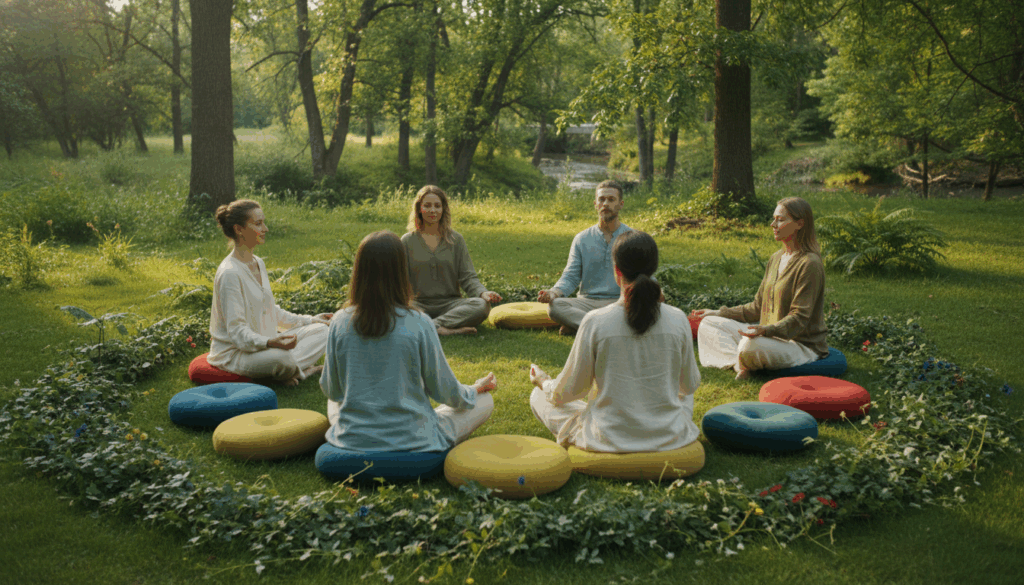
Clear the space with consent
Invite optional, gentle rituals. A light sage smudge (note allergies), a rose water mist, or a brief sound with chimes marks transitions. Always ask permission before any scented practice.
Boundaries and expectations
State confidentiality, time limits for sharing, and a policy of no fixing or unsolicited advice. Get explicit consent for touch and name a safe person or exit plan if someone needs extra support.
Inclusivity, diversity, and shared intentions
Welcome varied backgrounds and simple language. Offer prompts for private and shared intentions, such as stress relief, renewal, or love. Shared themes hold the group while honoring each person’s path.
Guided facilitation that keeps the container balanced
The facilitator tracks airtime, grounds the group when emotions rise, and models active listening. This steady guidance keeps participants feeling seen and protected.
| Component | Practical Tip | Why it matters |
|---|---|---|
| Container & schedule | 60 min, posted agenda | Predictability builds safety |
| Tone & comfort | Low lighting, cushions, soft music | Calms the nervous system |
| Clearing ritual | Sage (consent), rose water, chimes | Marks start/end, invites presence |
| Boundaries | Confidentiality, consent for touch | Protects emotional safety |
| Facilitation | Timekeeping, grounding prompts | Keeps balance and care |
For a simple guided ritual to pair with shared intentions, consider trying a short candle practice like this love spell with candles as a resource-friendly option for group focus.
Healing Modalities and Practices Commonly Used in Circles
A blend of focused techniques helps people notice shifts in mood and body over time.
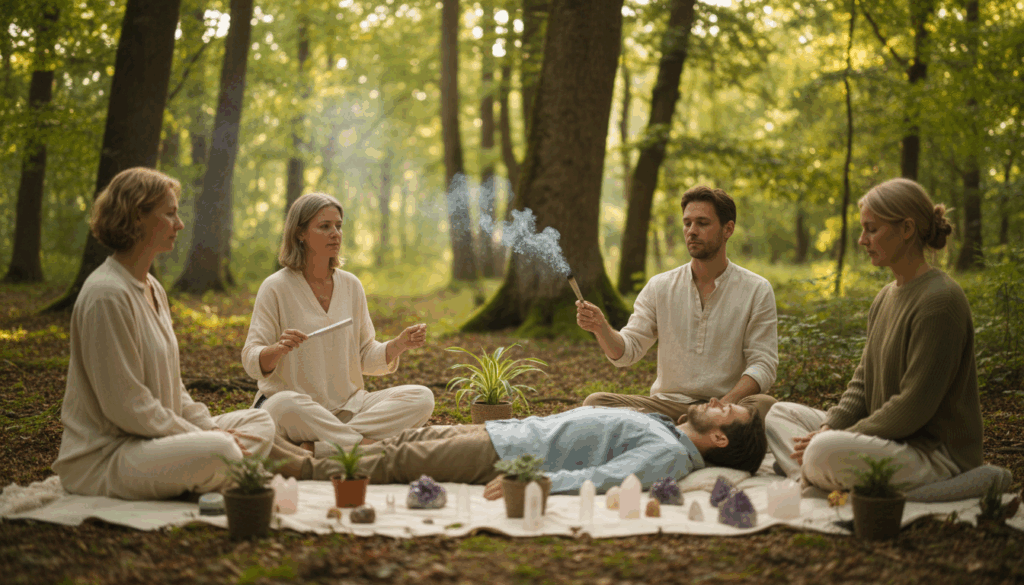
Chakra balancing
Simple wording: this practice works with the body’s centers to spot blockages, restore flow, and support emotional and physical ease.
In a session you may do a gentle scan, guided visualization, or breath pattern to open each center.
Kabbalistic Tree of Life activation
Some groups use the Tree of Life as a respectful map for alignment. This practice frames personal clarity and helps people tune toward a felt sense of divine flow without requiring religious identity.
Shamanic approaches
Shamanic work focuses on release, calling in vitality, and reconnecting with nature allies. Expect grounding journeys, movement, or simple rituals that feel empowering and restorative.
Complementary practices and integration
- Guided meditation, breathwork, or sound to shift the group field.
- Visualization prompts and short silence for inward reflection.
- Journaling or brief writing after a session to turn insight into transformation.
Practical note: the true power of this work comes from consent, consistency, and a held container. Participants may adapt posture or camera use while staying connected through heart-centered intention and gentle listening.
Conclusion
Small groups often spark lasting change that reaches beyond the room. Shared intention, steady practice, and kind presence create real benefits many people notice emotionally, mentally, and spiritually.
The circle itself matters: its shape reminds attendees they are part of something larger. That equality builds trust and strengthens community connection.
Choose a group that fits your schedule and comfort. Ask facilitators about boundaries, confidentiality, and pricing. Many offerings use tiered or community-supported rates to expand access.
End sessions with a collective wish for peace and for the wider world. That ripple turns private care into public purpose and slow transformation when people return with love and clear intent.
To deepen practice, consider learning pathways like become a psychic healer and come back gently, again and again.
FAQ
How would you describe a healing circle in simple terms?
A healing group gathers people in a shared space to focus intention, breath, and presence. Participants sit or stand in a ring to create equal connection and mutual support. Guided practices like meditation, sound, or gentle movement help people feel calmer, clearer, and more connected to themselves and others.
How does a healing group differ from a Reiki share or Reiki circle?
While both formats use intention and hands-on or hands-off techniques, a Reiki gathering centers explicitly on Usui Reiki symbols and practitioner-led energy transfers. Healing groups may include a wider mix of practices—sound, breathwork, shamanic elements, chakra balancing—offering varied tools for collective renewal and release.
Why does meeting in a ring matter for unity and connection?
The ring creates equal access, visibility, and accountability. It removes hierarchy, inviting each person to both give and receive. This layout amplifies shared focus and helps build trust, making group support and collective intention more potent.
How does shared intention amplify outcomes for participants?
When multiple people concentrate on the same aim—peace, release, clarity—the combined attention boosts focus and emotional momentum. That collective field can make meditative states deeper, stress relief faster, and insights more accessible than when practicing alone.
Why do people join these groups?
Folks seek emotional release, stress relief, and renewed hope. Many want belonging and community support, especially in isolated times. Others look for clarity, self-awareness, or steady transformation through repeated sessions. Many report feeling lighter and more energized afterward.
What emotional benefits can participants expect over time?
Regular attendance often brings clearer priorities, reduced anxiety, and stronger resilience. Over weeks or months, people notice shifts in perspective, improved sleep, and a deeper sense of purpose and inner peace.
How do sessions typically begin and end?
Sessions open by grounding the group—short breathing, setting intentions, and calling the space sacred. They end with a closing ritual that may include shared gratitude, a collective intention for the wider world, or gentle sound to seal the session and ease the transition back to daily life.
What guided practices are commonly used inside a session?
Facilitators often use breathwork, guided meditation, visualization, sound healing with bowls or chants, gentle movement, and journaling prompts. These practices help clear blockages, restore flow, and invite embodied presence.
Should I join in person or try a virtual meeting?
Both formats can be powerful. In-person gatherings offer tactile presence and immediate energetic resonance. Virtual sessions add access and convenience, letting people connect from anywhere. Choose based on comfort, travel, and the facilitator’s reputation.
What should I consider about schedule, time, and group size?
Look for consistent meeting times that fit your routine. Sessions often last 60–90 minutes. Smaller groups (6–12 people) foster intimacy; larger circles can hold broader collective energy. Consider what feels safe and sustainable for you.
How should I prepare my body and mind before attending?
Rest, hydrate, and eat lightly. Wear comfortable clothes and bring a cushion or blanket if needed. Spend a few minutes in stillness before the session to set a personal intention and arrive with openness.
How can I participate respectfully during a session?
Practice active listening, honor confidentiality, and follow the facilitator’s guidelines. Offer support without giving unsolicited advice. Allow space for others to share and trust the group process.
How do facilitators create a safe, supportive environment?
They set the tone with comfortable seating, soft lighting, and calming music. They may clear the space with gentle rituals—sound, sage alternatives like palo santo or rose water—and establish clear boundaries and expectations to protect participants.
What role do boundaries and inclusivity play?
Boundaries protect emotional safety and consent; clear guidelines prevent overwhelm. Inclusivity ensures diverse identities feel welcome. Shared intentions and mutual respect form the circle’s ethical foundation.
What facilitation skills help keep a session balanced?
Skilled facilitators guide transitions, manage time, and hold space for emotion. They use simple cues, trauma-informed language, and offer grounding techniques. Their presence keeps the container calm and centered.
Which modalities are commonly offered in groups?
Circles often blend chakra work to restore flow, Kabbalistic practices for spiritual alignment, shamanic methods for release and nature connection, plus meditation, breathwork, sound healing, visualization, and journaling for insight and renewal.
How can a circle help with chronic stress or trauma responses?
Gentle, repeated practices build nervous system regulation. Group rhythm and guided techniques help shift reactivity toward safety and resilience. Facilitators trained in trauma-informed care can tailor approaches to reduce overwhelm and support gradual healing.
What practical benefits do people report after sessions?
Participants commonly note reduced anxiety, clearer decision-making, improved sleep, renewed hope, and deeper relationships. Many experience tangible shifts in energy levels and a stronger sense of community and purpose.