

Remote viewing rose to notice when physicists Russell Targ and Harold Puthoff coined the term in the 1970s. Early research framed a practice where a viewer attempts to perceive hidden information about a distant target without using physical senses.
In many early sessions, poor controls let sensory cues slip in. That made it hard to separate true perception from accidental hints. A monitor often helps manage a session and records data as impressions emerge.
Understanding this relationship matters for anyone studying how a viewer interacts with a target over time. The ability to sense distant places or events sits at the heart of the process, while careful handling of information boosts clarity and trust.
Key Takeaways
- Term origin: Targ and Puthoff named remote viewing in the 1970s.
- A viewer navigates mental impressions to report on a target during a session.
- A skilled monitor keeps focus and captures data in real time.
- Early tests struggled with sensory leakage, affecting results.
- Clear procedures improve information quality and support the practice.
Understanding the Role of the Monitor in Controlled Remote Viewing
A neutral facilitator preserves conditions that let genuine impressions surface during a session. That clear, steady presence keeps a viewer focused on the target and reduces outside interference.
Defining the Guide
Who this person is: a trained facilitator who guides process steps, times phases, and records notes without prompting answers. They protect the viewer from physical cues and ensure all methods remain consistent.
The Monitor’s Scope
A guide manages the environment, prevents use of any physical means to identify objects, and helps sort internal noise from true signals. Ingo Swann argued that viewing is a skill sharpened by disciplined methods.
“Discipline and neutral oversight let a viewer refine ability and report clearer impressions.”

| Function | Action | Benefit | Notes |
|---|---|---|---|
| Environment control | Limit sensory cues | Cleaner data | Removes physical means to identify objects |
| Timing | Structure phases | Consistent sessions | Supports repeatable results |
| Neutral feedback | Record impressions only | Less bias | Facilitator avoids leading questions |
| Signal sorting | Help separate noise | Sharper reports | Trains viewer’s mind over time |
For practice drills and exercises that support this structure, see remote viewing exercises.
Defining the Core Responsibilities of a Monitor
A careful facilitator logs every detail a viewer reports to protect session integrity. This practice preserves raw data and stops guesses from shaping results.
Primary duties include recording impressions verbatim and keeping the viewer on track through a structured process. Notes capture sounds, sketches, and words as they appear.
The facilitator prevents premature analysis of any target. That restraint helps keep information clean so later checks can judge accuracy without bias.
“Documenting every impression creates an audit trail that supports fair evaluation.”
Protocols guide timing, prompts, and silence. These rules limit influence from expectations and preserve how impressions formed.

| Responsibility | Action | Benefit |
|---|---|---|
| Record data | Note all impressions and sketches | Accurate archive for analysis |
| Prevent analysis | Stop viewer from guessing | Reduces distorted information |
| Maintain protocol | Follow timing and prompts | Consistent, repeatable sessions |
- Document everything: small cues may matter later.
- Stay neutral: avoid leading feedback while guiding process.
Historical Origins of Remote Viewing Protocols
Early experiments set rules that later proved uneven and open to outside clues.
In the 1970s, Russell Targ and Harold Puthoff began work at Stanford Research Institute to test human consciousness. Their effort named a term that has since guided many studies.
Ingo Swann helped shape early methods used by government programs. Those protocols aimed to standardize how a viewer described a distant target.

Early Experimental Standards
Stargate Project later tested whether remote viewers could aid military work. Critics soon flagged sensory leakage as a major flaw in several sessions.
“Protocols were vital, yet early safeguards sometimes let nonpsychic clues slip into reports.”
| Year | Lead | Focus | Key issue |
|---|---|---|---|
| 1970s | Russell Targ, Harold Puthoff | Formal tests at SRI | Sensory leakage |
| 1970s–1990s | Stargate Project | Military applications | Standardization needs |
| Early 20th c. | J.B. Rhine | Psychic functioning studies | Scaling methods |
- Protocols aimed to protect data and reduce bias.
- Standards evolved as research and practice matured.
The Relationship Between Viewer and Monitor
A calm, detached person beside a viewer creates a reliable container for accurate impressions. Trust grows when both agree on steps and respect strict boundaries.
Good rapport helps a viewer relax and dive into internal images linked to a target. That relaxed state often improves ability to access useful material during a session.
Successful work depends on clear communication and steady presence. A neutral person avoids hints and records sketches and words as they appear.
When this bond is steady, practice moves faster and results stay cleaner. Viewers report more consistent impressions and greater confidence about what they describe.
“A stable partnership helps a viewer focus without external influence.”

| Aspect | What happens | Benefit | Notes |
|---|---|---|---|
| Trust | Shared expectations | Smoother sessions | Reduces anxiety |
| Neutrality | Detached presence | Less bias | Records raw data |
| Support | Clear prompts | Better practice | Improves accuracy with target |
For guidance on training a dependable helper, see remote viewer.
Managing Signal and Noise During Sessions
Noise from inside a viewer’s own mind can mask signals and derail a session.
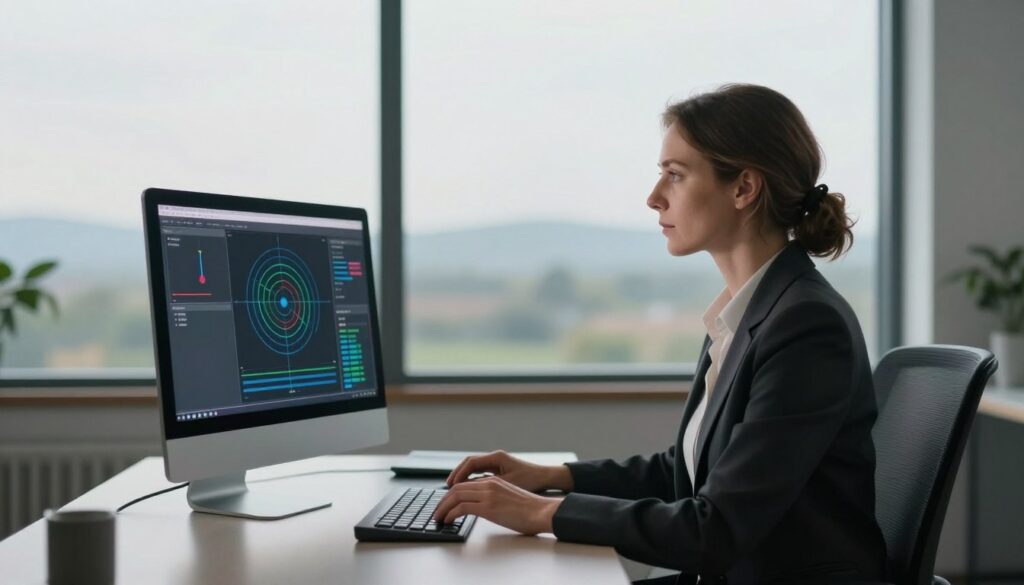
Identifying mental noise means spotting personal thoughts, memories, or guesses that creep into impressions.
A trained guide uses simple methods to separate raw data from analysis. Structured note-taking and timed phases help viewers mark what felt like a direct perception versus what felt like an interpretation.
Techniques for maintaining focus
Keeping attention steady is vital. Short silence breaks, breathing cues, and anchor words let a viewer return to pure perception.
Grounding steps stop imagination from filling empty moments. A neutral prompt can remind a viewer to note sensations without naming them.
“Separating signal from noise is learned work that improves accuracy over time.”
| Issue | Technique | Outcome | Notes |
|---|---|---|---|
| Mental chatter | Timed silence & note tag | Clearer impressions | Marks raw data vs. analysis |
| Drift in focus | Breath anchors | Faster refocus | Reduces imagination lapses |
| Premature labeling | Neutral prompts | Less bias | Preserves session validity |
| Training gaps | Regular drills | Improved ability | Builds reliable practice |
For techniques that pair energy work with focused intent, see how to send healing energy.
How Monitors Influence Session Outcomes
How a person sits, speaks, and times prompts can subtly shape what a viewer perceives. Small cues, a tone that implies approval, or an extra question can steer impressions toward a given target.
If a facilitator becomes too involved, data will reflect outside input rather than raw perception. Overly active conduct can create accidental hints that guide answers.

A skilled helper keeps session flow neutral. That restraint helps a viewer report true information and improves reproducible results.
Historical program managers guarded against altered reports. In Stargate, safeguards tried to stop anyone from reshaping notes to match known background.
“Neutral handling preserves a viewer’s own functioning and keeps results honest.”
- Influence is real: guidance can enhance or compromise final data.
- Keep prompts minimal: this protects a viewer’s independent impressions.
- Training matters: a well-practiced person helps viewers reach peak ability.
For more on developing strong psychic practice, see psychic powers.
The Importance of Neutrality in Monitoring
When oversight stays impartial, a session yields cleaner signals and fewer false leads. Neutrality is central to good practice. Bias can nudge a sketch or word and turn raw perception into shaped data.
A patient, passive observer preserves purity. That person avoids leading prompts and resists any hint that might steer a viewer toward a specific target.
Avoiding bias means keeping prompts minimal, timing steady, and feedback neutral. Small cues, a change in tone, or an approving nod can shift impressions into guesswork.

Avoiding Leading Questions
Ask nothing that narrows focus onto familiar images. Let sketches and words arise without suggestion. This helps protect recorded information and keeps later analysis fair.
“Strict neutrality preserves a viewer’s own access to material and improves result reliability.”
| Concern | Action | Benefit |
|---|---|---|
| Bias | Remain silent, note only | Cleaner data |
| Leading cues | Use neutral prompts | Unbiased impressions |
| Preconceptions | Set aside expectations | Stronger practice integrity |
Summary: A neutral person helps a viewer keep access to undistorted information about a target. That stance safeguards the process and supports honest, testable results.
Navigating the Stargate Project Legacy
Stargate left a mixed legacy: decades of work, big budgets, and results that often raised more questions than answers.
From 1975 to 1995, a government program spent about $20 million testing whether trained people could gather useful information about distant targets. Skilled viewers and careful records created a large body of data that still draws interest.
Monitors worked closely with each viewer during every session. They logged sketches, words, and impressions tied to specific targets across space and time.
Despite rigorous effort, researchers struggled to turn reports into reliable intelligence for real-world use. Consistency and repeatable outcomes proved elusive for many teams.
Why it matters today: Stargate produced a rich archive that fuels ongoing research into consciousness and perception. Modern teams study that material to refine methods and test new technology.
“A long archive can inspire better questions and stronger methods for future work.”

- The project represents a major part of remote viewing history.
- Monitors documented impressions linked to many targets.
- Legacy data still shapes research into mind and perception.
Scientific Perspectives on Monitoring Techniques
Scientific critics have long argued that weak safeguards let non‑psychic hints shape reported impressions. This critique shaped a rigorous debate about how to test remote viewing fairly.
Prominent skeptics, such as Ray Hyman, said that without strict controls it is impossible to verify claims about psychic functioning. Many replication attempts tightened protocols and often failed to reproduce positive results.
Researchers stress that any data from a session must be free from external cues or fraud. That means sealing communication channels, masking target identities, and keeping an impartial observer to log impressions.
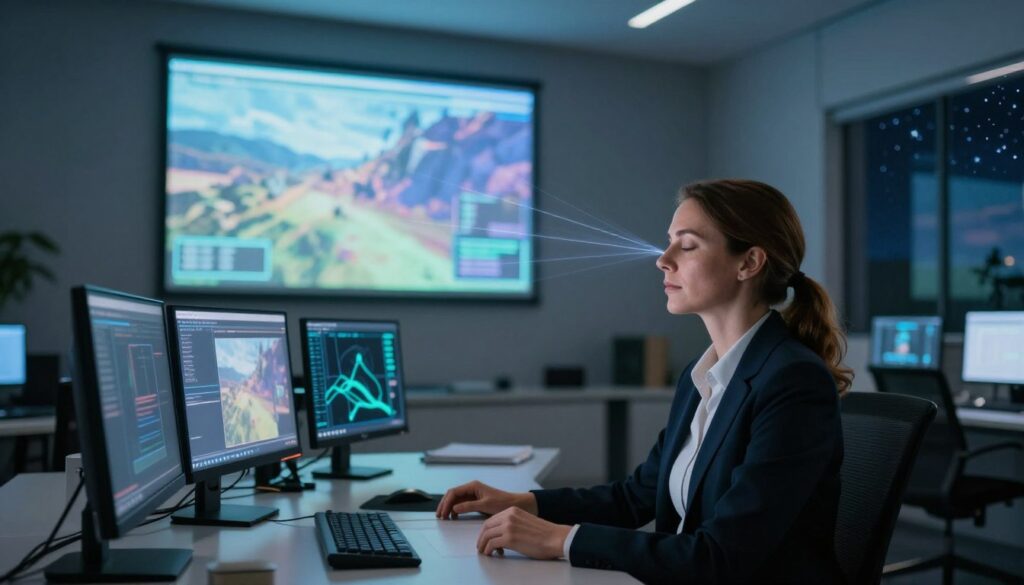
“Improving monitoring techniques is essential for future research into consciousness and perception.”
- Critics note early experiments used inadequate safeguards.
- Stricter tests often removed prior positive findings.
- Better procedures help separate true perception from cueing.
| Issue | Fix | Benefit |
|---|---|---|
| Sensory leakage | Blind targets | Cleaner data |
| Observer bias | Neutral logs | Unbiased results |
| Poor replication | Standardized protocols | Stronger research |
Addressing Sensory Cues and Information Leakage
A single visible clue can undo careful protocol and turn a clean test into a guesswork exercise.
The Problem of Sensory Leakage
Sensory leakage occurs when a viewer picks up facts from physical cues rather than pure perception. This problem sank many early experiments within a government program and elsewhere.
When hints leak, reported data looks like accurate information but may come from ordinary sensing. That undermines confidence in any session and skews later analysis.
Mitigating External Clues
Protecting a target starts with secrecy. Keep labels, photos, and sounds away from a testing space. Close channels that could carry hints to a viewer.
A careful person running a session must control access, log every contact, and limit items that reveal location or context. Simple steps reduce false positives.
“Stopping leaks preserves cleaner data and helps judge true perception fairly.”

| Leak Source | Countermeasure | Benefit |
|---|---|---|
| Visual cues (objects, labels) | Remove or cover items | Prevents guessing from sight |
| Audible hints (footsteps, voices) | Soundproof room or mute feeds | Stops contextual clues |
| Document trails (notes, timestamps) | Seal files until after session | Preserves unbiased data |
| Human cues (tone, prompts) | Use scripted, neutral prompts | Reduces subtle steering |
- Sensory leakage is a major problem for any viewing practice.
- Proactive measures help ensure information reflects perception, not sensing.
- Protecting a target is central to valid process and reliable data.
The Evolution of Training for Monitors
Over years, practice demanded clear protocols so session outcomes could be trusted.
Early instruction came from trial and error. Novice trainers learned by watching sessions and copying what worked.
Later, formal program curricula emerged. These courses taught specific methods to keep a session neutral and consistent. Trainers began to stress timing, scripted prompts, and careful note practice.
Research played a key part. Studies compared techniques and refined training to reduce bias. As a result, current work focuses on standard methods that protect results and process quality.
“Structured training turned scattered practice into repeatable, defensible work.”
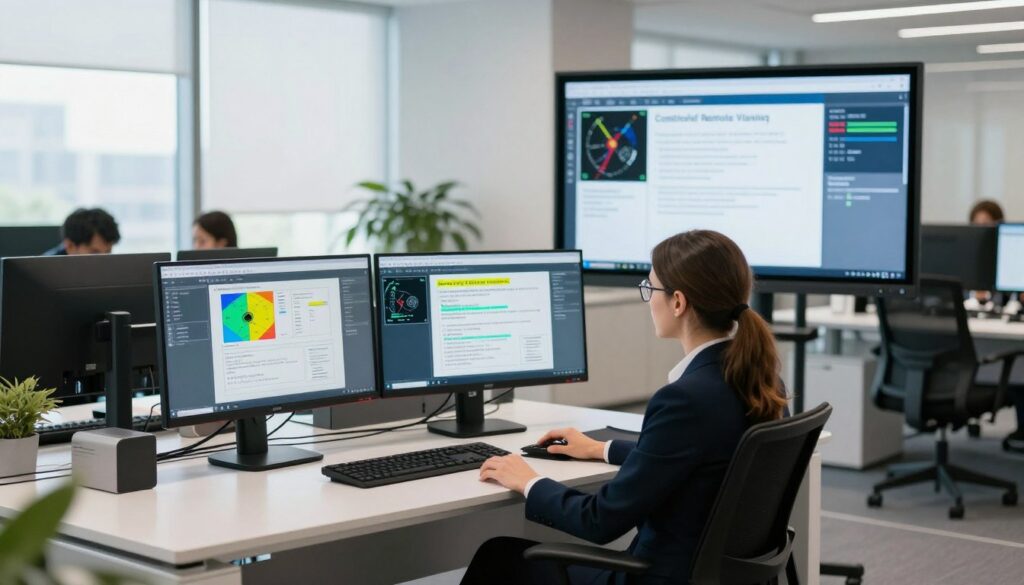
- Training moved from informal coaching to rigorous protocol-based programs.
- Modern courses teach neutrality, timing, and unbiased record keeping.
- Ongoing research refines techniques and improves session consistency.
| Era | Training approach | Key outcome |
|---|---|---|
| Early (1970s–1980s) | On‑the‑job, informal | Variable results, lots of trial and error |
| Middle (1990s–2000s) | Programized methods, manuals | Better consistency, reduced cues |
| Modern (2010s–present) | Research-based, standardized courses | High rigor, reproducible sessions |
Ethical Considerations in Psychic Research
Ethical oversight must guide how information is gathered and used during psychic research. Clear rules protect privacy and keep results credible.
When a program involves public funds or sensitive targets, extra care is required. Researchers should get informed consent and limit access to raw notes. This prevents misuse and preserves trust.
Privacy matters, especially when government partners are involved. Any data that touches real people must stay confidential unless proper approvals exist.

There is a real risk that psychic functioning might be used for covert aims. Teams must set clear boundaries so practice cannot harm individuals or communities.
“Responsible teams document how impressions are recorded, stored, and shared.”
- Protect sensitive information: limit who sees session records.
- Keep methods transparent: publish protocols and oversight steps.
- Act with accountability: audits and ethical reviews should be routine.
Monitors bear an ethical duty to ensure collected data stays secure and is used only for agreed research goals. Clear standards will help this field gain credibility and avoid past mistakes.
Comparing Natural Ability Versus Controlled Processes
Raw talent can offer quick hits, yet it rarely yields repeatable performance alone.
Natural ability refers to instincts some people show when sensing a distant target. These individuals often report vivid impressions without formal method. Such gifts can surface early and feel effortless.
By contrast, a defined process trains skills that standardize outcomes over time. Structured practice helps a remote viewer turn flashes into documented data. Careful steps boost consistency and strengthen repeatable results.
Both paths matter for research. Comparing them helps clarify which abilities stem from innate knack and which grow from discipline. Over time, teams learn how much training improves accuracy and how much raw talent adds value.
“Blending natural talent with firm procedure often yields the best balance between insight and reproducibility.”
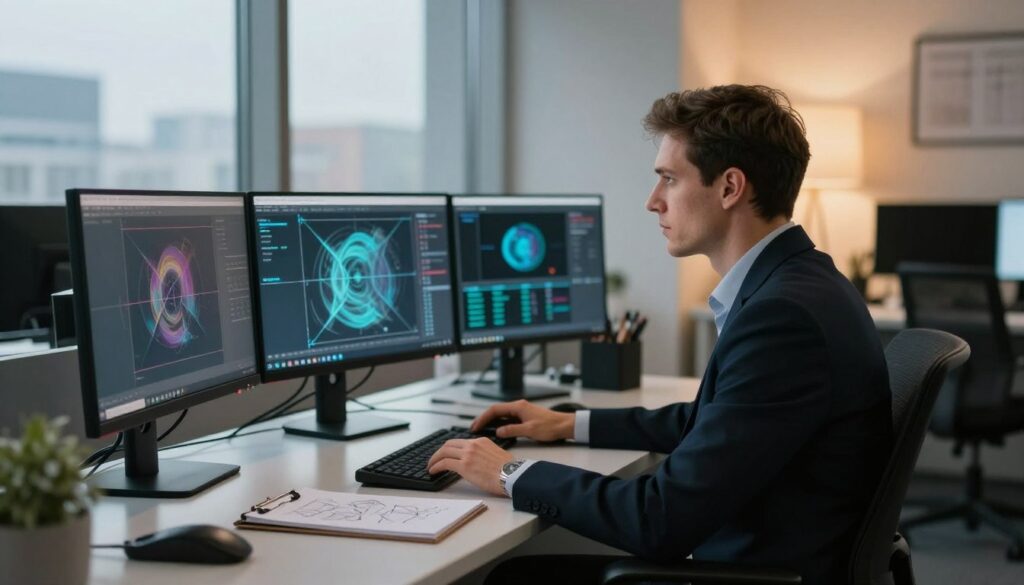
| Aspect | Natural ability | Structured process |
|---|---|---|
| Speed | Immediate impressions | Measured, paced reports |
| Consistency | Variable over time | Improves with practice |
| Usefulness | Strong for hints | Better for repeatable results |
Challenges in Replicating Remote Viewing Results
Replicating past results has proven difficult because studies often use different controls and logging methods.
Many programs produced intriguing hits, yet consistency remained rare. The 1995 AIR review found that Stargate data did not justify firm conclusions about psychic functioning.
PEAR Lab ran 336 trials and reported positive signs, but critics argued that missing controls weakened those claims.
One core issue is that varied oversight standards yield uneven information and conflicting data across teams.
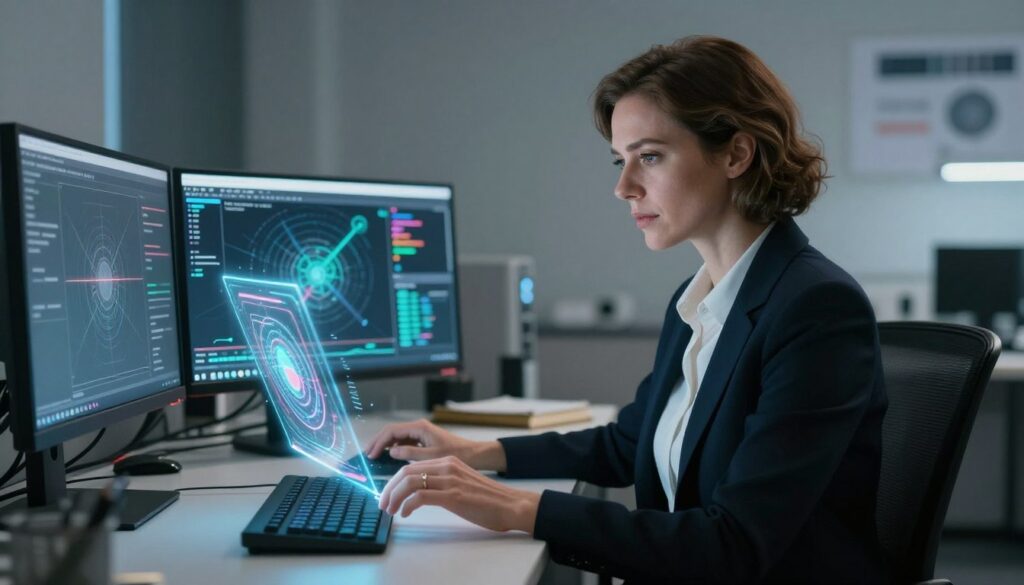
Key barriers:
- Different protocols create inconsistent data between sessions.
- Weak controls make information vulnerable to leakage or bias.
- Limited standardization stops researchers from drawing clear conclusions.
| Problem | Effect | Fix |
|---|---|---|
| Varied procedures | Conflicting results | Standard protocols |
| Insufficient controls | Questioned data quality | Stricter safeguards |
| Inconsistent logging | Blocked comparisons | Uniform record rules |
Improving rigor across every step of the process is essential for future research and for reaching reliable conclusions.
Modern Applications of Remote Viewing Practices
Contemporary work often blends older protocols with new technology to explore mind and place. This mix lets a person test classic methods across many applications.
Common uses include missing persons searches, informal crime tips, and even financial market experiments. Many individuals use techniques developed during the Stargate project to guide a session or train perception.
These applications remain largely anecdotal. Peer-reviewed research rarely confirms clear results. That gap means conclusions must stay cautious.
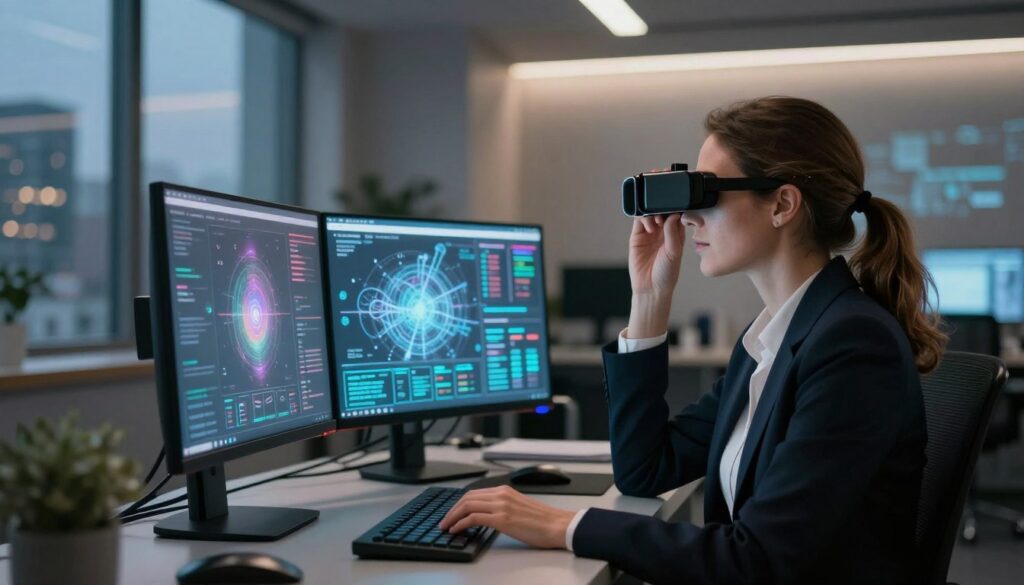
“While intriguing leads appear often, rigorous verification is still needed before firm claims are made.”
For those who practice in a structured way, a neutral person still times phases and logs impressions. That process helps protect information and keeps method consistent as technology and research evolve.
- Applications range from searches to studies of consciousness.
- Many remote viewers follow legacy methods for personal research.
- Scientific confirmation remains limited, so cautious interpretation is wise.
| Application | Common use | Verification level |
|---|---|---|
| Missing persons | Search leads and locations | Anecdotal, few controlled studies |
| Crime investigation | Supplementary tips | Low formal validation |
| Financial forecasting | Market pattern guesses | Unverified for consistent profit |
Conclusion
Clear oversight preserves raw impressions and makes later analysis fair. A careful person running a session keeps a viewer focused on a target and limits mental noise that can mask useful information.
Neutral handling helps protect data so results reflect genuine perception, not hints or guesswork. Understanding the history and methods behind this practice shows why structure matters.
Whether seen as a study or a personal practice, remote viewing depends on disciplined steps and faithful record keeping. For more on training and methods, visit remote viewing.
FAQ
What does a monitor do during a session?
A monitor guides a viewer through protocols, reads prepared targets, and records impressions. Monitors keep timing, offer stage prompts, and ensure procedures follow established methods so data stays organized and verifiable.
How does a monitor affect outcomes?
Monitors shape outcomes by setting tone, maintaining neutral language, and managing distractions. Their wording, pacing, and feedback can amplify useful impressions or introduce bias. Skilled monitors minimize influence while maximizing clear data capture.
Is neutrality essential for monitoring?
Yes. Neutrality prevents suggestion and protects the integrity of impressions. Monitors avoid leading statements, facial cues, or confirmatory reactions that might steer a viewer toward specific ideas or sensory associations.
How are monitors trained?
Training covers protocol mechanics, ethical standards, and interpersonal skills. Trainees practice timing, accurate note-taking, and techniques to reduce sensory leakage. Modern programs add cognitive awareness and data-management tools.
What historical practices shaped modern monitoring?
Early military and academic experiments established strict controls, blind target methods, and documentation habits. Those early standards evolved into structured protocols used today, influenced by programs like the U.S. government research projects in the late 20th century.
Can a monitor accidentally introduce sensory cues?
Yes. Tone of voice, word choice, and body language can all leak information. Even unintentional emphasis on certain words or micro-reactions can act as cues. Awareness and strict protocol reduce these risks significantly.
How do monitors handle mental noise from viewers?
Monitors learn to identify intrusive thoughts, memory recalls, and emotional reactions that constitute mental noise. They prompt viewers to label impressions as spontaneous or familiar, then refocus the session on raw sensory data to filter noise.
What techniques keep viewers focused during sessions?
Clear stage instructions, timed phases, brief grounding exercises, and neutral prompts help maintain concentration. Monitors also limit interruptions and use minimal, consistent feedback to preserve the viewer’s internal state.
How is information leakage mitigated in controlled settings?
Protocols use sealed target envelopes, double-blind designs, and remote target assignment. Monitors and support staff follow strict confidentiality rules, and physical cues are minimized through standardized scripts and isolated locations.
What ethical issues do monitors face?
Ethical concerns include consent, privacy, and potential misuse of sensitive findings. Monitors must respect subjects’ boundaries, avoid exploiting abilities, and ensure sessions serve legitimate research or practical aims.
How did the Stargate Project influence monitoring practices?
The Stargate Project highlighted rigorous documentation, blind-testing, and the need for objective scoring methods. That legacy pushed the field toward stricter controls, clearer reporting, and more accountable monitoring techniques.
Are monitoring techniques supported by mainstream science?
Scientific opinion remains mixed. Some researchers value structured protocols and controlled data collection, while others question replicability and controls. Continued rigorous testing and transparent methods improve credibility.
How do teams prevent confirmation bias during evaluation?
Teams use independent scorers, blind evaluation, and predefined scoring rubrics. Separate roles for data collection and analysis reduce contamination, while multiple reviewers help ensure objective conclusions.
How does monitoring differ for natural vs. trained viewers?
Natural viewers may need looser prompts to preserve spontaneous impressions, while trained viewers work well with strict stage-based methods. Monitors adapt pacing and feedback to each person’s abilities without compromising controls.
What modern applications rely on monitoring skills?
Applications include research studies, exploratory intelligence methods, and creative problem-solving workshops. Monitors help structure sessions for consistent data collection and ethical practice across diverse use cases.
Why is clear documentation important?
Clear records enable replication, verification, and objective analysis. Detailed session logs, timestamps, and raw impressions allow researchers to separate signal from noise and test hypotheses reliably.
Can technology replace human monitors?
Technology aids monitoring through recording, timing, and automated prompts, but human judgment remains vital for ethical decisions, subtle cues, and adaptive prompting. Best practice blends tech tools with trained monitors.
What common problems arise when replicating results?
Variability in protocols, monitor skill, viewer state, and uncontrolled cues often cause inconsistent results. Standardizing procedures and enhancing training help address these replication challenges.