

Remote viewing began as a research topic in the early 1970s at the Stanford Research Institute. Physicists Russell Targ and Harold Puthoff helped name the practice and shaped the protocols used later.
Learning to separate subjective impressions from objective facts is key. A disciplined approach keeps impressions distinct from verifiable information. Start with a neutral mindset and simple checks.
Understanding the history explains why protocols exist and why consistency matters. This short guide shows a clear, structured way to analyze the findings and keep your process grounded in research.
Key Takeaways
- Origins matter: Targ and Puthoff framed many standard methods.
- Stay neutral: A calm mindset preserves clear records.
- Separate impressions: Mark feelings versus verifiable facts.
- Use structure: Protocols help maintain consistent results.
- Learn resources: For related tips, see a guide on sending healing energy.
Understanding the Basics of Remote Viewing
Early adopters framed this practice as a disciplined form of inner perception rather than spontaneous sight. In December 1971, Ingo Swann suggested the term “remote viewing” during an experiment at the American Society for Psychical Research.

Defining the Practice
Remote viewing is the claimed ability to perceive a hidden subject without using physical senses. Practitioners describe impressions of an area, person, or event while trying to avoid analytical overlays.
Core Objectives
The main goal is simple: describe a target that lies beyond the viewer’s sight. Researchers framed viewing as a structured set of protocols rather than classic clairvoyance.
- An example target might be a geographic site or a person far away.
- Viewers clear the mind of expectations and set aside the analytical mind.
- Monitors use specific means and questions to keep reports consistent.
“The value lies in system and repeatability, not in vague intuition.”
Historical Context of Psychic Research
The history of psychic research links classical physics labs with spiritualist circles. In the mid-nineteenth century, figures such as Michael Faraday and William Crookes tested gifted individuals and recorded early observations about perception beyond the senses.
In the 1930s, J. B. Rhine brought larger samples and standardized protocols to the field. His efforts added statistical methods and clearer ways to collect information about claimed ability.
The 1960s brought social change and funding shifts. The counterculture and Human Potential Movement created a time when universities and private groups supported consciousness research.
Researchers often compared modern work to older ideas like telesthesia and clairvoyance. These comparisons looked at the means by which impressions were described, and at whether reports matched verifiable facts.
By the 1970s, the Stanford Research Institute had become a central area for formal study. The SRI work on remote viewing helped shape protocols and framed later debates about the field’s claims and methods.

How to Interpret Remote Viewing Session Data
Systematic review converts raw impressions into analyzable results. Start with a clear methodology and follow stepwise checks. This keeps notes focused and reduces stray guesses.

History offers a caution. The Stargate Project, a $20 million U.S. program from 1975 to 1995, often produced vague results. Evaluators found few reliable leads and many mismatches.
- Use a strict protocol: frame the question and limit prompts so the analytical mind stays quiet.
- Seek repeated patterns: consistent descriptions across attempts hint at meaningful matches with the target.
- Check relevance: compare notes against known facts before drawing conclusions from the data.
Good methodology does not guarantee success, but it raises the signal and lowers the noise. In practice, careful review and replication are the best tools for turning impressions into useful information.
“The history of Stargate shows how difficult it is to translate raw psychic impressions into usable intelligence.”
The Role of the Monitor in Data Collection
Monitors act as the anchor that preserves structure during a viewing run. They guide the flow, keep questions minimal, and protect the integrity of the record.

Maintaining Objectivity
A monitor’s first duty is to enforce the protocol and keep the remote viewer focused on the target. This reduces analytical overlays and keeps information cleaner.
Monitors provide coordinates or cues and note timing and changes. They also watch for when a viewer moves from raw impressions into guessing.
- Follow a strict protocol so viewers produce repeatable results.
- Intervene gently if the viewer starts to analyze or invent details.
- Record cues, timing, and any prompts that might influence the report.
- Experienced viewers often report higher quality data with a monitor present.
“A calm monitor preserves the line between immediate impressions and later analysis.”
Analyzing Session Transcripts and Sketches
Transcripts and sketches hold the raw clues that reveal a viewer’s internal map of a target. Treat these records as complementary: words map emotion and sketches map form.

Identifying Patterns
The task is to spot repeating marks, phrases, or shapes across sessions. Look for common descriptors and recurring forms.
- Compare multiple sessions for shared details about the target.
- Note any consistent symbols in sketches that match verbal notes.
- Flag anomalies that might stem from the viewer’s memory or bias.
Visualizing Impressions
A steady methodology lets you assemble fragmented impressions into a coherent summary. Re-draw sketches at scale, label sensory cues, and create a combined map.
In early SRI work the order of transcripts was sometimes revealed, which critics said skewed results and affected the original data. Careful review guards against that risk.
Final point: this analysis is a vital part of the workflow. Clear notes help the remote viewer and the team turn impressions into actionable information.
Distinguishing Between Data and Analytical Overlays
Separating raw sensory impressions from the mind’s labels is the central skill for any serious remote viewing practitioner.

Analytical overlays occur when the conscious mind assigns names, stories, or assumptions before impressions are complete. These overlays can mask true signals and shift the record toward guesswork.
Researchers warn that unfiltered overlays often produce misleading data and false matches with a target. That risk has led trainers to build exercises around pause-and-note habits.
Advanced training emphasizes spotting labels as they arise and writing down raw sensory cues first. Practitioners learn short techniques that slow verbalization and keep the focus on sensations.
- Note sensory words before any interpretive phrases.
- Mark guesses clearly so they stay separate from objective notes.
- Review transcripts and flag recurring overlays across targets.
Staying disciplined preserves useful information and improves viewing accuracy for every session.
The Importance of Structured Protocols
Clear protocols give every viewer a shared map for each run. A defined order makes reports easier to compare and reduces accidental guessing.

Standardizing the Procedure
Standardization means the same prompts, the same pacing, and the same record-keeping every time. By following one protocol, a viewer spends less time deciding what to do and more time collecting raw information.
Many teams use coordinates as a task prompt so the remote viewer has no prior knowledge of the target. This method keeps the task clean and preserves the integrity of the procedure.
- Spread collection: gather high-level impressions early, then refine later to avoid analytical overlays.
- Practice matters: training requires repeated practice of basic moves to build effortless ability.
- Order and timing: a fixed order and clear time markers help evaluators compare reports across runs.
Well-defined methods let the viewer reach a level where accurate reporting becomes routine. For guided drills and structured practice, see remote viewing exercises.
Evaluating Results Through Scientific Standards
Scientific standards demand clear controls and repeatable steps when assessing any claimed perceptual ability. Studies must use blind procedures and documented protocols so chance is not mistaken for meaningful result.

The Princeton Engineering Anomalies Research Lab reported a composite z-score of 6.355 across 336 formal trials by 1989. That work drew attention because it covered many sessions and suggested an unusual signal.
Critics noted problems with the methodology and the overall quality of some experiments. Skeptics such as Ray Hyman argued that independent replication under tighter control remains lacking.
To gain acceptance, the field must show consistent results that cannot be explained by sensory leakage or subtle cues. Researchers still debate whether current protocol and control levels are high enough to prove psychic functioning.
Practical steps include stricter blinding, independent replication, and transparent reporting. For readers seeking practical guidance, see a concise profile of a remote viewer.
Common Challenges in Data Interpretation
Even skilled practitioners face recurring pitfalls when converting impressions into verifiable findings.
Guessing and overlays often replace raw notes. A viewer may name or narrate rather than record senses. That habit reduces clarity and inflates false positives.

Skeptics highlight inconsistent results as proof the ability lacks reliable evidence. That criticism presses teams to tighten protocols and repeat trials.
Poorly defined targets or a vague set prompt unclear answers about an area. Extraneous cues — stray words or environmental hints — can mislead judgment and derail scoring.
“Clear prompts and blind scoring cut noise and make genuine matches easier to spot.”
| Challenge | Common Effect | Mitigation |
|---|---|---|
| Guessing / overlays | False matches | Record sensations first; mark guesses |
| Vague target set | Unscorable reports | Use precise coordinates or clear descriptors |
| Sensory leakage | Contaminated results | Stricter blinding and monitor checks |
Bottom line: clean notes, clear protocols, and repeated trials give the best chance of useful results.
The Impact of Sensory Cues on Accuracy
Sensory cues are often subtle, yet they shape many claimed successes. Small clues in transcripts or labels can nudge a report toward a match. That effect changes how we read remote viewing results.

Identifying Sensory Leakage
Marks and Kammann reviewed 35 studies and found clear examples of cueing. Transcripts sometimes held dates, times, or ordering that hinted at the correct target.
- Sensory leakage occurs when a viewer is given unintended clues, such as the order sites were visited.
- In several cases, timestamps in transcripts acted as hints for judges scoring results.
- An example is a judge receiving a list of targets in the exact order used in the run.
Eliminating these cues is a core step in any valid procedure. When cues vanish, accuracy often falls to chance, suggesting some early hits relied on unintentional information rather than psi.
For related context on claimed abilities and controls, see a short guide on psychic powers.
“Removing sensory leakage is essential before claiming meaningful results.”
Comparing Different Methodologies
A side-by-side look at classic techniques uncovers practical trade-offs for practitioners.
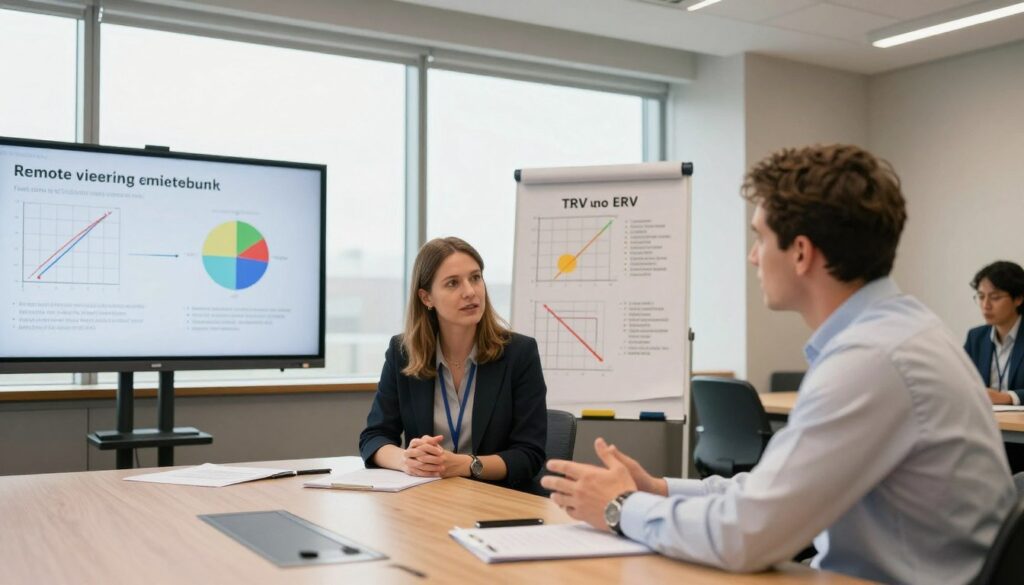
Coordinate Remote Viewing and Technical Remote Viewing represent two widely studied approaches. One leans on a rigid procedure with stepwise prompts. The other allows more freedom for the viewer’s impressions and iterative refinement.
Results compare differently across these methods. Rigid protocols often yield more consistent records that are easier for judges to score. Flexible methods can produce richer sensory notes but sometimes invite more overlays and guessing.
Training systems matter. Teams that invest in structured practice report clearer outcomes and fewer interpretive errors. Researchers emphasize that the quality of the protocols used is the biggest factor that shapes overall validity.
- Each method offers a distinct procedure for gathering impressions.
- Some methods favor repeatability; others favor depth of impression.
- Practitioners should match a method to skill level and goals.
“Analyzing various methods helps a viewer choose the protocol that best fits their aims.”
The Reality of Intelligence Applications
Intelligence planners found that many reports lacked the clarity needed for field use. In practice, the Stargate Project produced impressions that were often too vague to guide operations.

During day-to-day work, viewers described targets thousands of miles away. That long distance often meant notes were broad and non-specific.
Project managers sometimes altered reports to fit background cues. Those edits lowered the overall quality and raised questions about the reliability of the information.
By 1995, evaluators concluded the program did not provide actionable intelligence. Attempts to use psychic means for locating a missing person or a lost plane failed to deliver consistent results.
“Despite effort, the intelligence community found the ability unreliable for operational tasks.”
Takeaway: the historical record shows promise for research, but not for practical, real-world collection of usable intelligence. For context on related psychic abilities, see exploring clairvoyant abilities.
Psychological Factors in Perception
Cognitive biases shape much of what a viewer believes they have seen.
The human mind searches for patterns and fills gaps quickly. Confirmation bias and hindsight bias are a major part of that process.

Viewers can mistake ordinary associations for meaningful hits. A person may recall a vague image and then fit facts around it.
- Confirmation bias: seeking notes that match expectations.
- Hindsight bias: reinterpreting impressions after knowing outcomes.
Critics argue many results are better explained by these mental habits than any special ability. That view pushes researchers toward stronger controls.
The practical step: train viewers to mark guesses, pause before labeling, and check assumptions against blind criteria.
“Awareness of bias is a simple means of improving the quality of impressions.”
Future Directions for Consciousness Studies
A practical path forward pairs careful measurement with broader questions about human perception.
Researchers will likely focus on more rigorous methods to test the validity of remote viewing.
As science moves into a new day, teams aim to integrate this area into mainstream consciousness research. That work depends on creating a methodology that can deliver consistent, verifiable results.
One central question is whether the perception of distant targets fits within current physical theories. Answering that will shape the way studies are designed and judged.

Longer-term goals include clearer protocols and better controls. These steps may reveal if a genuine ability exists or if past results came from other causes.
“Robust methodology and open inquiry offer the best chance of moving this field forward.”
| Future Focus | Expected Benefit | Key Challenge |
|---|---|---|
| Stricter protocols | Cleaner, comparable results | Preventing sensory cues |
| Cross-disciplinary work | Broader scientific acceptance | Designing shared standards |
| Long-term replication | Stronger evidence | Funding and consistent teams |
Conclusion
A skeptical eye and repeatable methods make the difference between noise and useful findings.
Practice rigorous standards: keep protocols tight, remove unintended cues, and mark guesses clearly. This protects the integrity of any investigation.
Accept the field’s history: controversy and failed operational uses remind us that curiosity needs careful proof. Future method advances may give clearer answers about psychic claims.
Ultimately, the honest appraisal of results demands skepticism, clear records, and repeated trials. Those habits help separate meaningful signals from mere pattern seeking.
FAQ
What counts as primary impressions after a viewing?
Primary impressions are raw sensory feels, sketches, single words or emotions recorded without analysis. They show what the percipient sensed first — textures, colors, movement, or mood. Keep these separate from guesses or storyline additions so accuracy checks remain fair.
How should a monitor preserve neutrality during a trial?
A monitor must use scripted prompts, avoid leading remarks, and log timing and environmental notes. Neutral behavior prevents cueing. Good monitors also blind themselves to target details and note any interruptions or external noises that could influence outcomes.
What’s the difference between observation and analytical overlay?
Observation covers direct sensations and simple descriptions. Analytical overlay is the mind filling gaps with logic, names, or narratives. Flag statements that sound like explanations rather than perceptions and mark them as tentative hypotheses.
Which methods help identify recurring patterns across transcripts?
Use keyword tagging, frequency counts, and clustering of sensory categories. Compare sketches visually and align timing of similar impressions. Reproducible elements across independent trials suggest a reliable signal rather than chance.
How do evaluators score sketches and written notes objectively?
Use blind scoring with pre-defined criteria: shape, spatial relations, textures, and symbol matches. Multiple judges reduce bias. Quantitative scales and inter-rater reliability metrics help translate subjective material into usable results.
What steps reduce sensory leakage in controlled work?
Isolate communication channels, restrict access to target files, and ensure randomization of target order. Use sealed envelopes or digital locks and limit personnel involved. Regular audits of procedures catch weak points.
When should emotional content be treated as data rather than distraction?
Emotional tones are valid data if they appear consistently and relate to target feedback. Record intensity and duration, then check for alignment with target reports. If emotion seems off-topic or inconsistent, label it as peripheral.
Which scientific standards apply when validating outcomes?
Apply controls, blinding, statistical analysis, and replication. Use hypothesis testing, confidence intervals, and pre-registered protocols. Transparency in methods and raw records allows independent verification and strengthens credibility.
What common pitfalls distort result assessment?
Confirmation bias, selective reporting, poor record-keeping, and small sample sizes are frequent issues. Avoid overinterpreting vague matches and always test alternative explanations before declaring success.
How do different protocols affect comparability of findings?
Variations in tasking phrasing, session length, and sensory restrictions change what targets elicit. When comparing results across studies, normalize for protocol differences and note any procedural deviations that could explain discrepancies.
Can trained techniques improve a percipient’s consistency?
Structured practice, feedback loops, and fatigue management help. Training in relaxation, target-neutral attitudes, and precise note-taking often boosts repeatability. Still, individual variability remains significant.
What role do psychological factors play during work?
Expectation, stress, and prior knowledge shape reports. Screen for suggestibility and provide pre-session briefings that reduce performance anxiety. Psychological assessments can help interpret outlier results.
How should one document and archive materials for future review?
Keep time-stamped transcripts, high-resolution scans of sketches, and raw audio. Store metadata about conditions, personnel, and any protocol deviations. Organized archives enable reanalysis and longer-term studies.
When is a hit considered credible in analytical evaluation?
A credible match aligns specific, nontrivial elements across independent records and resists alternative explanations. Statistical support and replication strengthen the claim. Ambiguous or generic matches require caution.
What trends are emerging in consciousness research relevant to this field?
Trends include improved statistical methods, use of machine learning for pattern discovery, and interdisciplinary collaboration with neuroscience. These tools help sift signal from noise and suggest new experimental designs.