

This introduction maps a curious chapter in U.S. research. It looks at a 1970s program that tested psychic claims for military use. The guide focuses on science, government roles, and strange reports.
Ingo Swann emerged as a key participant in experiments run with the Stanford Research Institute. Teams worked with the Defense Intelligence Agency to develop remote viewing protocols. That work drew both praise and skepticism.
We will review declassified files and eyewitness accounts to give a clear, balanced overview. Expect concise analysis of methods, findings, and why this topic still sparks debate.
For a focused profile, see Ingo Swann profile for more on his role and influence.
Key Takeaways
- The piece examines government-funded psychic research from the 1970s.
- Researchers at Stanford Research Institute helped shape remote viewing methods.
- Ingo Swann played a central, controversial role in those studies.
- Declassified documents shed light on protocols and outcomes.
- The topic blends science, policy, and public curiosity.
Understanding the History of the Stargate Project and Ingo Swann
A U.S. Army unit formed at Fort Meade in 1977 set out to test whether psychic reports could aid intelligence work. This small operation explored remote viewing to see if people could describe distant sites or events.
Teams worked under different code names before a 1991 consolidation that aligned several efforts into one program. Much of the work happened in cramped, leaky wooden barracks that felt far from a modern lab.
Cold War pressure and rival intelligence activity pushed leaders to try unconventional tools. Over time, researchers refined simple protocols for controlled viewing sessions.

- Location: Fort Meade
- Focus: remote viewing experiments
- Scale: small, unit-based teams
| Year | Site | Purpose |
|---|---|---|
| 1977 | Fort Meade | Test remote viewing in intelligence |
| 1991 | Consolidated facilities | Streamline program operations |
| Operational | Small barracks | Field-style testing over time |
“Researchers treated viewing as a potential tool, not a magic fix.”
The Origins of Government-Funded Psychic Research
Cold War intelligence reports pushed U.S. agencies to examine unusual claims about psychic tools. In 1970, estimates suggested the Soviet Union spent about 60 million rubles yearly on psychotronic research. That figure prompted a swift government response.
The Soviet Union Connection
The CIA funded the SCANATE effort to test whether psychic phenomena could aid intelligence work. This funding signaled that concern over rival research could shape government priorities.
Early Stanford Research Institute Studies
The Stanford Research Institute in Menlo Park became the main research institute for early remote viewing experiments. Physicists Harold Puthoff and Russell Targ began published work there in 1972.
By the late 1970s, the Defense Intelligence Agency and other defense intelligence bodies formalized support, making that year a pivotal moment for the program.

- Year noted: 1970 — Soviet spending estimate
- Early hub: Stanford Research
- Key actors: CIA, Defense Intelligence Agency
| Year | Action | Agency |
|---|---|---|
| 1970 | Estimate of Soviet psychotronic spending | U.S. intelligence |
| 1972 | Initial Puthoff & Targ experiments begin | Stanford Research Institute |
| Late 1970s | Formal program support and funding | Defense Intelligence Agency |
“The U.S. response reflected strategic caution and an openness to unconventional research.”
For profiles of later participants and related figures, see famous psychics.
Ingo Swann and the Development of Remote Viewing
Ingo Swann helped shape the early rules and techniques that defined remote viewing experiments.

Foundational Protocols
Swann coined the term remote viewing and worked with researchers to turn loose claims into repeatable steps. He and Harold Puthoff at the Stanford Research Institute set tight controls to limit bias.
Protocols included blind targets, strict session notes, and independent scoring. These measures aimed to make viewing tests more rigorous for intelligence use.
The Jupiter Observations
In a 1973 session, Swann gave striking details about Jupiter’s atmosphere and layered structure years before Voyager data arrived.
That episode became a focal point in reports and fueled debate about results, data reliability, and further testing.
Ufology and Extraterrestrial Interests
Some sessions wandered into ufology and claims about distant targets. Program leaders tried to keep research focused on tangible intelligence gathering tasks.
- Controlled sessions aimed at specific coordinates
- Viewers tasked to retrieve information for an intelligence agency
- Ongoing work tested repeatability and collection methods
“Researchers moved from anecdote to routine methods to assess psychic abilities.”
Key Personnel and Organizational Structure

Key leaders and a tight chain of command shaped how psychic tests were run at Fort Meade. Major General Albert Stubblebine acted as a visible sponsor who encouraged field commanders to explore unusual methods.
Harold Puthoff served as a principal investigator and led a small team of researchers and viewers. His role was to manage experiments and keep protocols consistent for intelligence use.
The unit relied on a compact group of dedicated personnel tasked with sensitive operations. Staff roles mixed military discipline with civilian research skills to make results usable for analysts.
- Senior sponsors pushed priorities and secured funding.
- Investigators ran day-to-day sessions and scoring.
- Support staff handled security, logistics, and documentation.
Leadership changed over time, with different military and civilian figures overseeing daily work. That shifting command kept the program adaptive while maintaining links to broader intelligence needs.
“The hierarchy balanced military requirements with the experimental nature of the research.”
| Role | Primary Duty | Impact on Program |
|---|---|---|
| Major General Sponsor | Advocacy and oversight | Secured support and encouraged exploration |
| Principal Investigator | Design and management of tests | Ensured protocol consistency for intelligence use |
| Operational Personnel | Run sessions and record data | Delivered actionable reports for analysts |
Scientific Methodology and Laboratory Protocols
Researchers designed strict laboratory routines to reduce bias and make sessions reproducible. Teams used clear steps so assessment stayed consistent and usable for analysts.
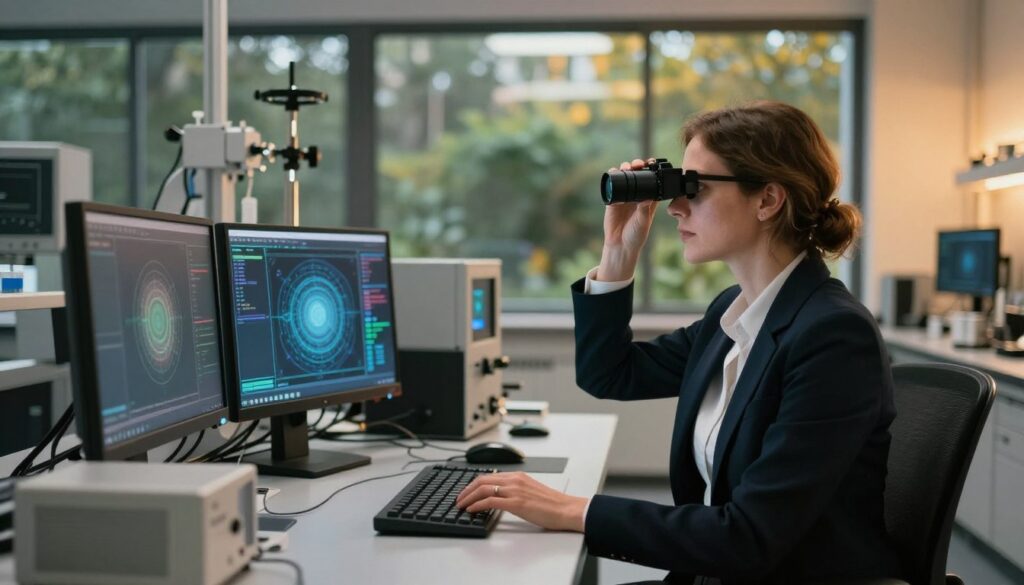
Brain Activity and Neuropsychiatric Research
Electroencephalographic measures were recorded during sessions to search for patterns. Scientists compared brain waves before, during, and after viewing to spot meaningful changes.
Protocols required viewers to focus on a specific target, often given as coordinates. This forced a narrow task and made scoring simpler for evaluators.
- Standardized scripts limited leading cues for viewers.
- A small number of cleared personnel ran and recorded sessions to keep data secure.
- Blind scoring linked reports to actual targets to test accuracy.
The goal was practical: show that remote viewing could yield reliable information for intelligence use. By standardizing steps, researchers hoped their work would move from anecdote to repeatable research.
“Controlled protocols and clear scoring made testing more scientific.”
Notable Experiments and Reported Successes
Researchers recorded a string of experiments that some called notable successes for remote viewing.
In 1976, Rosemary Smith reportedly located a lost Soviet spy plane in a case often cited by supporters as a field success. That episode boosted interest in using viewing for practical intelligence work.
Laboratory experiments frequently returned statistically significant results, which convinced some scientists that remote viewing produced real data.
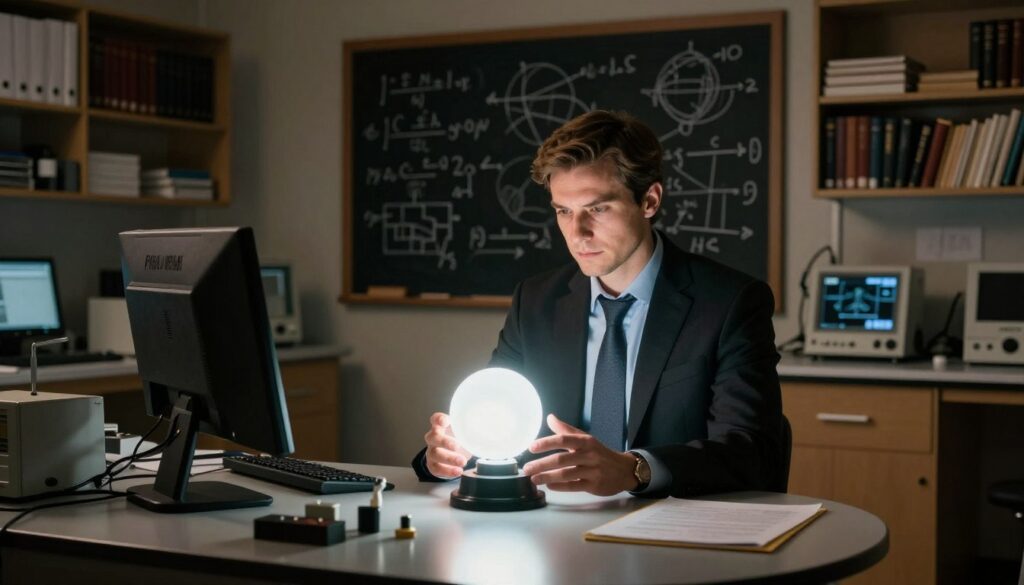
Ingo Swann took part in many sessions where he attempted to describe hidden targets. His reports added to the program’s pool of information.
Program viewers and other psychics were often asked about current events. Still, applying those findings to active intelligence tasks proved uneven over time.
“Some successes were notable, but consistency in real-world use remained elusive.”
| Year | Reported Outcome | Impact |
|---|---|---|
| 1976 | Lost plane located | Increased program support |
| Lab tests (1970s) | Statistically significant results | Raised scientific interest |
| Ongoing | Mixed field reliability | Limited operational adoption |
The Role of the Defense Intelligence Agency
By the mid-1980s a formal intelligence agency took on the task of judging whether remote viewing could yield useful intelligence for analysts and commanders.
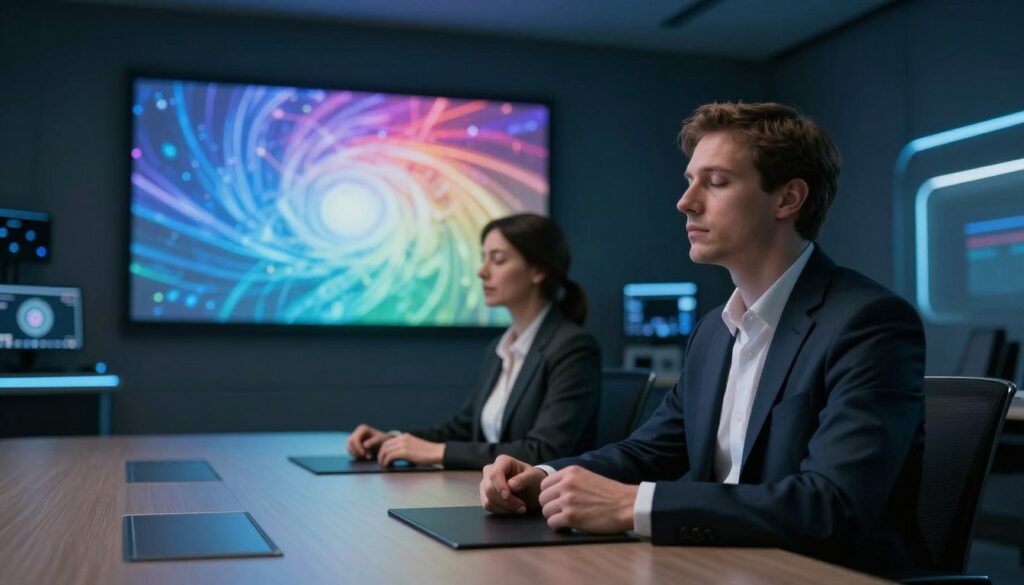
Operational Intelligence Gathering
The defense intelligence agency reorganized the work and renamed the effort to reflect an emphasis on collection and reporting. Teams were tasked to retrieve information on foreign targets and events that conventional sources missed.
Viewers and psychics were folded into routine intelligence collection. Their reports were scored and compared with other sources to test reliability.
The Role of Military Leadership
Military leaders, including senior officers who later rose to national roles, oversaw day-to-day evaluation. They pushed for clear standards to see whether results could support real operations.
Skepticism remained among conventional analysts, yet the agency kept the program running long enough to judge operational value.
“The agency’s aim was simple: show whether this method could produce actionable intelligence.”
| Area | Agency Action | Outcome |
|---|---|---|
| Mid-1980s takeover | Formal oversight and renaming | Focused on intelligence gathering |
| Operational tasking | Assign viewers to foreign targets | Reports compared with field collection |
| Leadership review | Set standards and scoring | Mixed results; limited operational use |
External Reviews and the Question of Scientific Validity
In 1995 an outside evaluation tested whether decades of work met clear scientific standards. The CIA asked the American Institutes for Research to review archived research and laboratory records for the program.
The review panel included Jessica Utts and Ray Hyman, two experts with opposing views on parapsychology. Some experiments had statistically significant results in lab settings. Still, the panel found that those findings did not amount to actionable intelligence or reliable field information.

The final report emphasized difficulty reproducing these phenomena and gaps in methodology. Reviewers said the data lacked consistent replication, which undermined claims for operational use. That conclusion influenced leaders to end the project and to declassify related files.
“Laboratory success did not translate into dependable, actionable results.”
| Year | Panel | Key Finding |
|---|---|---|
| 1995 | American Institutes for Research | Lab effects noted but no reliable operational value |
| 1995 | Jessica Utts & Ray Hyman | Disagreement on interpretation; consensus on replication issues |
| 1995 | Final evaluation | Insufficient evidence to support continued program funding |
For more on remote viewing research and follow-up analyses, see remote viewing research.
The Termination and Declassification of the Program
A government review in 1995 prompted decisive action: end funding and open records to public scrutiny.
The American Institutes for Research evaluation concluded that remote viewing had not produced useful intelligence. The final report said lab effects existed, but they did not translate into reliable field data.

What the review led to
Funding for the program was cut and the intelligence agency closed its active unit. By the last year, only three psychics remained on staff, signaling the program’s operational end.
After termination, the CIA began declassifying documents. That move let researchers examine reports and evidence from the Stanford Research Institute and other contractors.
- Independent review judged research insufficient for operations.
- Collections of reports and data were released to the public.
- Official closure allowed historians and analysts to reassess claims and methods.
“Lab results did not match the needs of intelligence collection.”
For a concise summary of released material, see this stargate project summary.
Conclusion
This closing note ties experimental records to lasting debate about how far the human mind can reach. It shows a government drive to test unusual claims and to measure real-world value.
After careful review, funding ended when work failed to yield reliable, actionable intelligence. Yet interest in psychic phenomena lives on, and studies continue to spark discussion over method and meaning.
Ingo Swann left a clear legacy in protocol design. His role helped shape how researchers framed questions about remote sensing and mental ability.
Declassified files now offer a useful window into past efforts. For more on related extrasensory research, see what is ESP.
FAQ
What was the Stargate program and why did the U.S. fund it?
Stargate was a Cold War–era intelligence effort that explored psychic phenomena for information collection. The Defense Intelligence Agency, in coordination with other military offices, funded research to see if trained individuals could produce actionable intelligence. Projects aimed to test remote viewing under controlled conditions and assess whether results had operational value.
Who led the early research at Stanford Research Institute?
Early laboratory work at Stanford Research Institute (SRI) involved researchers Harold Puthoff and Russell Targ. They designed protocols to test perception beyond the senses, recruited volunteer viewers, and produced detailed reports that attracted intelligence interest. Their studies laid groundwork for later government programs.
How did remote viewing protocols get developed?
Protocols evolved to minimize cues and bias. Researchers used sealed targets, blind judging, and repeatable session formats. Training emphasized relaxed focus, sketching, and verbal descriptions. Over time, procedural controls increased to improve data quality and statistical analysis.
What role did Ingo Swann play in these experiments?
Ingo Swann was a prominent remote viewer who participated in early SRI tests and helped refine protocols. He claimed successful impressions during experiments, including descriptions of distant locations and celestial observations. Swann’s reports became influential in shaping methods and publicity around remote viewing.
Were there any notable successes reported, such as the Jupiter observations?
Researchers claimed several striking instances, notably reports that Swann described features of Jupiter before spacecraft data confirmed them. Those cases were presented as suggestive evidence, though critics argued that descriptions lacked precise, unique details and that confirmation bias influenced interpretations.
Did the program produce usable intelligence for military operations?
The program generated mixed results. Some operational attempts reported useful leads, while formal evaluations found inconsistent reliability. Military leaders sometimes considered remote viewing as a supplementary source, but widespread adoption was limited due to reproducibility and validation issues.
How did researchers try to measure success statistically?
Teams employed statistical scoring, hit rates, and blind judging to compare session outputs with target descriptions. Analysts looked for results that exceeded chance expectations. While some studies claimed statistically significant findings, reviewers noted methodological weaknesses that complicated interpretation.
What was the Soviet Union connection to this research?
U.S. interest grew partly from reports that the Soviet Union explored psychic applications for military intelligence. Concerns about a perceived adversary advantage encouraged funding for parallel research, prompting agencies to test whether similar phenomena could be harnessed for defense purposes.
Who were other key personnel and organizations involved?
Besides Puthoff, Targ, and Swann, participants included military officers, intelligence analysts, and civilian contractors. Agencies such as the Defense Intelligence Agency and later Army and intelligence offices coordinated studies. External reviewers, like the American Institutes for Research, later evaluated program effectiveness.
What laboratory and neuropsychological methods were used?
Studies combined controlled sessions with physiological monitoring, including EEG and other brain-activity measures. Researchers sought correlations between mental states and remote-viewing output. Neuropsychiatric assessments helped screen participants and explore possible mechanisms, though firm correlations remained elusive.
How were experiments documented and reported?
Each session produced detailed written reports, sketches, and scoring sheets. Teams archived transcripts, target files, and analytical memos for intelligence use and scientific review. Declassified files later revealed methods, data summaries, and internal assessments of performance.
Did external reviews confirm scientific validity?
Independent assessments produced mixed conclusions. Some reviewers found intriguing patterns; others highlighted flaws in controls, statistical treatment, and replication. The American Institutes for Research evaluation contributed to skepticism, citing insufficient evidence for reliable operational use.
When and why was the program terminated?
By the mid-1990s, funding declined as agencies weighed costs against uncertain returns. Reviews and audits raised doubts about consistent, actionable outcomes. The program wound down and many records were later declassified, allowing public scrutiny of methods and claims.
Where can I find declassified reports and data from these studies?
Declassified files, session transcripts, and contractor reports are available through the CIA and Defense Department archives. Research institutes and libraries also host copies of SRI publications, technical reports by Puthoff and Targ, and external evaluations from organizations like the American Institutes for Research.
Are there modern follow-up studies in parapsychology or intelligence?
Academic and private researchers continue to study anomalous cognition in parapsychology, using more rigorous protocols and neuroimaging tools. Intelligence agencies no longer run large centralized programs, but occasional interest and small-scale experimentation persist in some circles.
What is the overall assessment of remote viewing today?
The field remains controversial. Some practitioners and a few researchers cite compelling anecdotal cases and statistical analyses. Mainstream science and intelligence communities generally view evidence as inconclusive due to replication challenges and methodological concerns. Interest continues, balanced by skepticism and calls for better controls.