
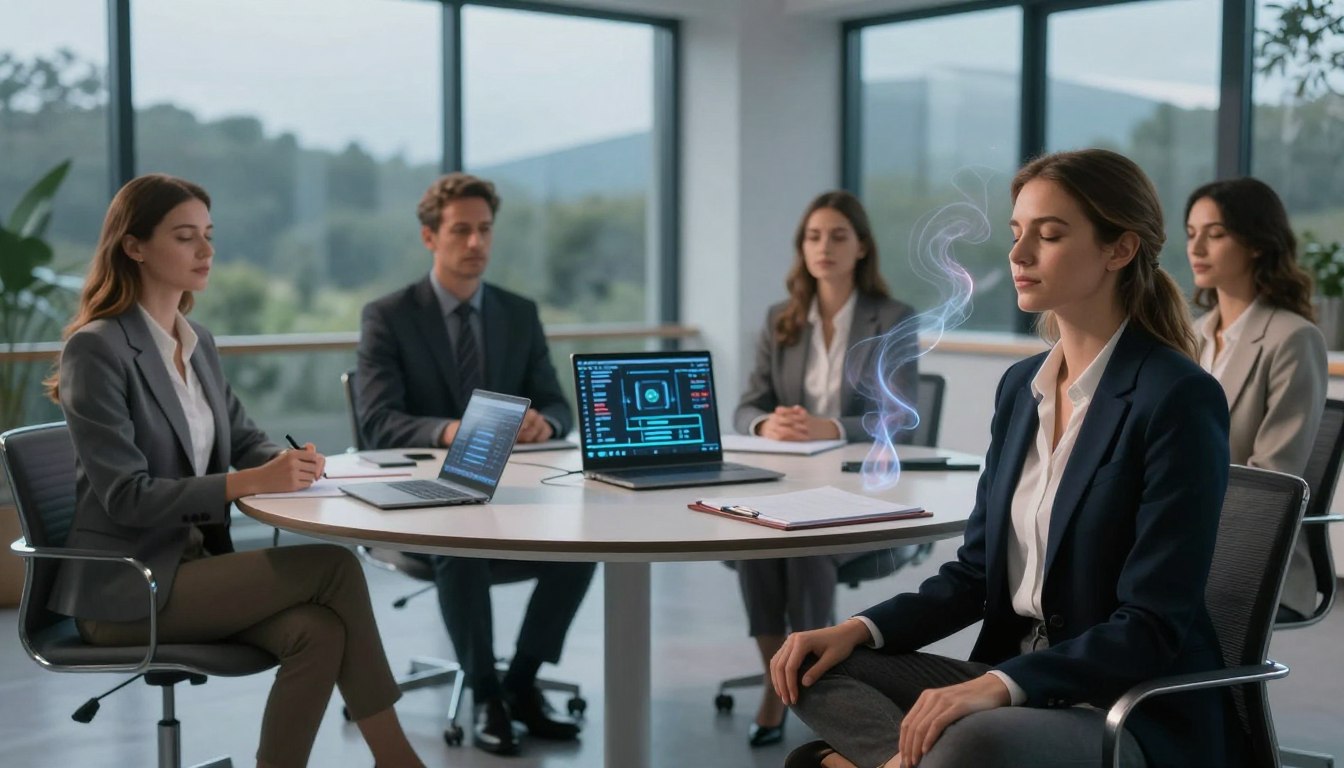
This concise guide introduces the next step in disciplined practice for gathering impressions about a distant target. Ingo Swann coined the term in the early 1970s, and researchers like Russell Targ and Hal Puthoff led studies at the Stanford Research Institute.
The U.S. military intelligence community later used these protocols during the Cold War. The Stargate program was declassified in 1995, showing how structured sessions helped trained viewers obtain useful information.
Stage two focuses on separating raw impressions from analytical overlay. Students learn methods to quiet mental noise and record clear experiential data during a controlled session.
For hands-on practice, try step-by-step exercises that build awareness and improve consistency. See guided drills at remote viewing exercises to start structured practice.
Key Takeaways
- Origins: Ingo Swann and later Stanford Research Institute work shaped the method.
- Historical use: Military programs like Stargate used these protocols.
- Core skill: Distinguish raw impressions from analysis.
- Practice: Regular, controlled sessions build reliability.
- Outcome: Students can obtain clearer information about distant targets.
Understanding Remote Viewing Stage Two Sensory Data Collection
Learners now concentrate on simple, present-moment sensations that map back to the distant target. This part of the process asks the viewer to record raw impressions as if physically present: textures, temperatures, and even smells.
Paul H. Smith often used demonstration sessions to show how to capture these elements without analysis. Those demos help students separate immediate sense impressions from the mind’s stories.
Managing mental noise is vital. If internal chatter takes over, the information becomes muddled and less useful for intelligence gathering or personal practice.
Practice builds reliability. With regular sessions, a viewer develops better awareness and can more clearly obtain information about a distant target.
For guidance on turning these skills into a practice or a career path, see how to become a paid psychic.
The Role of Sensory Impressions in Remote Viewing
Simple sense impressions act as the foundation for disciplined perception work.
Defining sensory impressions:
Defining Sensory Impressions
Sensory impressions are the raw building blocks a viewer records during a session. They focus on how a target feels, smells, sounds, or looks to the person in the moment.
The 1986 DIA report frames the process as the acquisition and description of information blocked from ordinary physical senses. That definition supports a method that values description over judgement.
The difference between naming and describing:
The Difference Between Naming and Describing
A skilled remote viewer avoids naming an object or place early in a session. Naming invites memory and guesswork, which increases mental noise and weakens results.
Describing elements — texture, temperature, or spatial relations — helps capture the essence of a distant target without adding story or assumption.
- Benefit: Description reduces analytical overlay and improves accuracy.
- Practice: Focus on present-moment sensations, not labels.
- Outcome: Better awareness and clearer reports during controlled remote viewing sessions.

| Aspect | Describe | Avoid |
|---|---|---|
| Texture | rough, grainy, smooth | “rock”, “table” |
| Temperature | cold, warm, chilling | “summer”, “winter” |
| Sound | distant hum, rushing, steady beat | “music”, “factory” |
| Spatial | large, confined, open | “room”, “field” |
Preparing Your Mind for Data Collection
Start each session by slowing your breath and letting the body relax. This helps lower mental noise and gives the viewer clear space to notice impressions.
Calm the physical senses: dim lights, reduce movement, and set a comfortable posture. These small steps make the process more receptive to subtle extrasensory perception.
Set a clear intention before you begin. State what you aim to do for the target in one simple sentence. This keeps focus during the viewing session.
Record distracting thoughts as they come. Jot them down and return to the present task. That habit prevents stray ideas from contaminating later reports.
- Use steady breathing to anchor attention.
- Limit sensory input in the room.
- Write a short intention phrase and keep it visible.
Consistency matters. Regular practice helps viewers strengthen accuracy and clarity when accessing impressions about a distant target.

| Step | Action | Benefit |
|---|---|---|
| Relaxation | Breathing, posture | Reduces mental noise |
| Intent | Set one clear phrase | Maintains focus on target |
| Distraction control | Note stray thoughts | Prevents interference |
| Routine | Practice sessions | Builds reliable perception |
Executing the Stage Two Protocol
Begin by centering attention on the assigned coordinates until a quiet threshold of impressions appears. This first step helps the viewer establish a stable connection to the target and keeps mental noise to a minimum.
Establishing the Target Connection
Focus on the coordinate cue and note when impressions start. Allow small sensations—pressure, warmth, or a directionality—to emerge without judgment.
Recording Raw Data
Write simple descriptors: shapes, textures, colors, and spatial feelings. These raw impressions form the core of the protocol and should remain descriptive rather than interpretive.

Recognizing Aesthetic Impact
Notice emotional tones. A strong aesthetic reaction—like awe, heaviness, or brightness—signals important target features. Record that reaction alongside sensory notes.
“In a famous demo, a structured approach enabled a clear description of the Beijing ‘Bird’s Nest’ stadium.”
As practice deepens, viewers often progress into sketching in the next phase to refine captured impressions. Managing mental noise throughout the process keeps the signal clean and strengthens psychic abilities with repeated sessions.
For tips to improve descriptive clarity and accuracy, see improve psychic readings.
Managing Mental Noise and Analytical Overlay
Noise from the thinking mind often creeps in before clear impressions arrive. This mental noise—sometimes called analytical overlay—pulls a session toward labels and stories instead of pure sensing.

When viewing begins, a disciplined viewer watches for quick interpretations and notes them as distractions. Record the interruption, then return to simple description. This keeps the report focused on raw impressions rather than guesses about the target.
Documenting these slips helps the practitioner learn personal patterns. A remote viewer who logs when and how mind chatter appears will improve accuracy over time. Treat each entry as training material for the process.
- Stay neutral: write sensations, not names.
- Note interruptions: label them and move on.
- Practice: regular sessions build quick recognition of imagination.
“Discipline in this step separates disciplined remote viewing from other psychic abilities.”
Mastering this aspect lets viewers deliver reliable information about a distant target and strengthens the overall practice.
The Importance of Real Time Objectification
Capturing notes in real time preserves fleeting impressions before the mind reshapes them. This practice, called real-time objectification, keeps information intact during a session.
Use pen and paper. Sketch shapes, jot textures, and mark brief phrases as sensations arrive. The physical act anchors the viewer to the moment and limits later guessing.
Externalizing the thought process creates a permanent record. That record lets you review results and refine the process after the session ends.
Techniques for Pen and Paper Recording
Keep it simple. Number entries, use short descriptors, and add a quick sketch if one comes. Record sequence and strong emotional tones alongside each impression.
- Write without judgment—describe, don’t name.
- Sketch layouts or shapes to lock spatial impressions.
- Note time stamps to track when an impression occurred.

“A clear, written record is the backbone of a reliable session.”
For a related practice that strengthens focus and intention, see how to send healing energy.
Refining Your Sensory Awareness
Training your attention to small, often-missed cues sharpens what you notice about a distant target. Start by slowing the mind and aiming for tiny, objective notes.
Practice noticing texture, faint tones, and subtle temperature shifts. These nuances help a viewer move beyond broad guesses and collect richer impressions.
Repeat short exercises that isolate one sense at a time. Listen for quiet sounds, then write one-line descriptors. Do the same for touch and spatial hints.
Over time, the process helps you separate true target impressions from mental chatter. Review past sessions to spot patterns and improve accuracy.
- Focus on one detail per round.
- Keep notes brief and objective.
- Compare notes across sessions to find trends.

For related training on harnessing subtle perception, see practical psychic techniques. A dedicated viewer will find this refinement boosts useful data and clearer impressions.
Common Challenges During Data Collection
Noticing the onset of analysis is the first step toward keeping reports accurate. Distractions in the room or sudden thoughts often cut a clear connection to the target.
The next paragraphs outline practical ways to regain focus and protect the integrity of a session.
Dealing with Distractions
Control the environment. Dim lights, silence phones, and remove clutter before you begin. Small changes reduce interruptions and help the viewer stay present.
When a noise or itch appears, note it briefly and return to simple description. Listing the interruption keeps it from becoming a story.
Overcoming Analytical Interference
Mind labels often sneak in. The trick is to write sensations, not names. If a label pops up, mark it as a guess and move on.
- Recognize doubt as normal; don’t fight it.
- Use a short anchor phrase to reset focus.
- Keep entries brief—one-line impressions preserve clarity.
“A trained viewer treats every interruption as useful feedback, not a failure.”
With steady practice, resilience grows. Each session became a lesson that sharpened the process and improved the quality of future reports. For guidance on building skills, see remote viewer.
Integrating Feedback for Skill Development
After a session ends, feedback becomes the bridge between practice and progress. Review your notes soon after a run so impressions remain fresh. This habit helps you spot patterns and recurring mistakes.

Compare your written impressions to the confirmed target. Mark where descriptions matched and where interference crept in. That comparison is the core validation step for any viewer.
Work with an instructor or peer. A second set of eyes often finds blind spots you missed. Group reviews also speed learning and build confidence.
- Check accuracy: tally hits and misses from each session.
- Log trends: note repeated sensory strengths or recurring overlays.
- Adjust practice: focus drills on weak areas revealed by feedback.
“Consistent integration of feedback lets a viewer move from simple sessions to more challenging targets.”
Over time, this feedback loop turns practice into measurable growth. Use it to refine technique and to build trust in your abilities.
Conclusion
Each session is a chance to sharpen technique and learn from small errors. Mastering remote viewing takes disciplined practice and a steady commitment to refinement. Keep routines simple and focused so progress remains measurable.
Manage mental noise and record impressions in real time. This habit preserves clarity and improves results for any dedicated viewer. Use feedback to pinpoint weaknesses and guide future practice.
Stay curious and patient. Every run helps expand awareness and deepen understanding. For extra guidance on psychic vision, see exploring clairvoyant abilities.
FAQ
What is Stage Two and why focus on sensory impressions?
Stage Two is the phase where a viewer shifts from broad awareness to precise sensory noticing. The goal is to gather clear impressions—such as sights, sounds, textures, smells, and spatial relationships—without labeling or analyzing them. This builds experiential data that supports later verification and reduces reliance on speculation or prior knowledge.
How do I tell the difference between naming and describing during a session?
Naming uses learned labels (for example, “car,” “tree,” or “hospital”), while describing captures raw qualities (for example, “long metallic shape,” “vertical organic form,” or “sterile, antiseptic odor”). Emphasize concrete, specific impressions over categorization to limit analytical overlay and preserve accuracy.
What techniques help establish a clear connection to the distant target?
Use a brief grounding routine, then allow spontaneous impressions to arise without forcing them. Softly scan for dominant sensory cues—temperature, movement, textures—while keeping a neutral stance. Techniques from controlled methods developed at institutions like the Stanford Research Institute can guide pacing and focus.
What’s the best way to record raw impressions in real time?
Use pen and paper or a simple audio recorder to capture immediate, unedited impressions. Write short phrases, sensory words, and sketches. Avoid corrections or elaboration during the take; mark unclear items with a quick flag and move on. This preserves authenticity for later analysis and feedback.
How can I recognize aesthetic impact in what I perceive?
Aesthetic impact refers to the emotional tone and intensity a target evokes—calm, urgent, oppressive, or serene. Note sensations like warmth, brightness, or tension in parallel with concrete details. These cues often help prioritize which impressions to examine during validation.
What strategies reduce mental noise and analytical overlay?
Short guided breathing, sensory anchoring (focus on a fingertip or a neutral object), and strict adherence to descriptive-only reporting help. Set a clear intention to refrain from guessing and to defer interpretation until after the session. Regular practice with feedback reduces mental clutter over time.
Why is real-time objectification important and how do I do it?
Objectification—turning fleeting impressions into tangible notes—prevents loss of detail. In real time, jot down single sensory words, quick sketches, and directional cues. Use simple tags like “uncertain” or “strong” to mark confidence. This creates a reliable record for later evaluation.
What pen-and-paper techniques improve accuracy?
Keep a structured page: top for quick sketches, left column for tactile/olfactory notes, right column for visual/auditory details, and a small area for confidence markers. Use shorthand and symbols to maintain flow. Consistent layout speeds transcription and eases post-session review.
How do I refine sensory awareness between sessions?
Practice focused attention exercises: smell identification, texture mapping with closed eyes, and listening drills for subtle sounds. Short, frequent training sessions sharpen perceptual discrimination. Seek feedback from verified targets or controlled protocols to calibrate impressions.
What common distractions occur and how can I handle them?
External noises, bodily discomfort, and intrusive thoughts are frequent problems. Minimize interruptions, use comfortable seating, and apply a brief centering routine before starting. If a distraction disrupts flow, mark the point in your notes and continue; return later to re-establish continuity.
How do I overcome analytical interference during a take?
When interpretation intrudes, pause and label the thought as “analysis,” then resume descriptive noting. Practice strict language rules—avoid naming, metaphors, or storytelling. Training with peers or instructors who provide objective feedback can accelerate your control of overlay.
How should I integrate feedback to improve skills?
Compare your raw notes with validated target information and identify recurring strengths and errors. Keep a session log that tracks confidence levels and accuracy patterns. Use iterative adjustments: tweak grounding, pacing, or recording methods based on measurable outcomes and mentor guidance.
Are there ethical or operational considerations for using these methods?
Maintain respect for privacy and consent when working with human-related targets. Use controlled, agreed-upon protocols for training and research. Document sessions transparently and avoid overstating results; rigorous feedback and verification remain essential for credible practice.
What role did organizations like the Stanford Research Institute play in method development?
Research at institutions such as SRI contributed structured protocols, scoring methods, and controlled testing that shaped standardized approaches. Their work emphasized replicable procedures, rigorous documentation, and statistical analysis to support skill development within disciplined frameworks.
How do I measure progress objectively over time?
Use blind target trials, third-party validation, and quantitative scoring to assess hit rates and descriptive accuracy. Track metrics like correct sensory categories, directional correctness, and confidence calibration. Regularly review results to refine techniques and reduce bias.
Can these sensory techniques be applied in intelligence or investigative contexts?
When ethically and legally authorized, descriptive sensory methods can supplement other sources of information. Military and intelligence programs historically explored such techniques under controlled conditions. Any operational use must follow strict oversight, verification, and integration with conventional intelligence methods.