
Ingo Swann gave the modern term remote viewing in 1971 to mark a new approach. He aimed to set a clear, repeatable method apart from older psychic practice.
Today many people ask how this structured method stacks up with classic clairvoyance. Researchers have studied whether viewing is a reliable skill or a personal, subjective gift.
The key point is that one path grew from a formal protocol used in studies. The other arose from spontaneous reports over centuries. That contrast shapes how scientists test claims and how learners train.
Expect a friendly, practical look at the history and the tests that followed. This intro sets the stage for clear examples and fair analysis of skill, study, and experience.
Key Takeaways
- Ingo Swann coined the term remote viewing in 1971 to describe a formal method.
- One approach was developed as a repeatable protocol for study.
- Traditional clairvoyance often appears spontaneous and anecdotal.
- Researchers have long debated reliability and test methods.
- The article will explore history, tests, and practical implications.
Defining the Core Concepts
A trained approach seeks to turn spontaneous sense impressions into repeatable practice.
What is Remote Viewing
Remote viewing is a protocol-driven method used to gather information about a distant target without using physical senses or obvious means of perception.
Practitioners follow steps, record impressions, and compare results to confirm accuracy. Many experts say average people can learn basic techniques and report useful data.

Defining Clairvoyance
Clairvoyance is often called “clear seeing.” It describes spontaneous perception of details that fall outside everyday sensory input.
Some people experience this as a natural psychic ability or a path toward medium work. It tends to vary in intensity from person to person and may feel more like an internal flash than a stepwise skill.
- Remote viewing: trained, repeatable protocol.
- Clairvoyance: spontaneous, variable insight.
- Both suggest latent powers in human consciousness.
| Aspect | Protocol | Experience | Learnability |
|---|---|---|---|
| Approach | Structured | Spontaneous | Trainable |
| Focus | Targeted information | Broad perception | Varies |
| Common role | Experimenter or student | Medium or intuitive | Depends on person |
For more on natural psychic experience see exploring clairvoyant abilities.
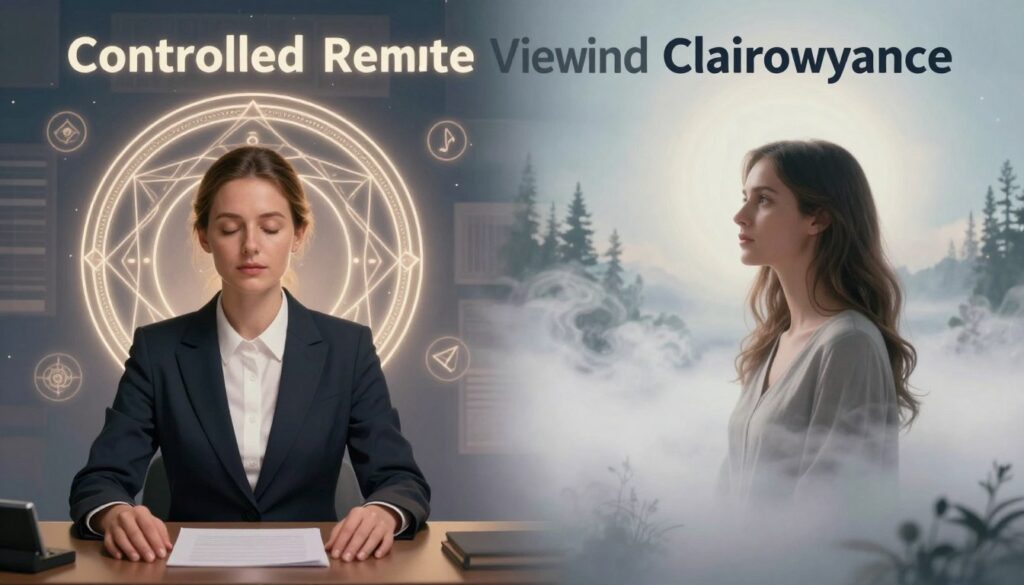
Understanding the Difference Between Controlled Remote Viewing and Clairvoyance
How information is gathered sets these two paths apart.
Remote viewing uses a stepwise protocol to collect data. Practitioners record impressions, cue targets, and follow rules meant to reduce noise. This approach aims for repeatable reports that can be checked and scored.
Clairvoyance often arrives as a sudden insight. It is personal and variable. That spontaneity makes consistent testing harder for labs or agencies.
- Protocol helps separate signal from guesswork.
- Spontaneous insight is rich but less predictable.
- Training tends to favor structured methods for operational use.
| Feature | Method | Consistency | Typical Use |
|---|---|---|---|
| Approach | Protocol-driven | Higher when trained | Research, intelligence |
| Perception | Targeted reporting | Structured scoring | Operational tasks |
| Experience | Disciplined practice | Repeatable | Field work |
That emphasis on method explains why agencies adopted the protocol approach while classic clairvoyant reports stayed largely outside formal operations.
The Origins of Remote Viewing in Intelligence Programs
Cold War curiosity turned psychic claims into formal tests for national security.
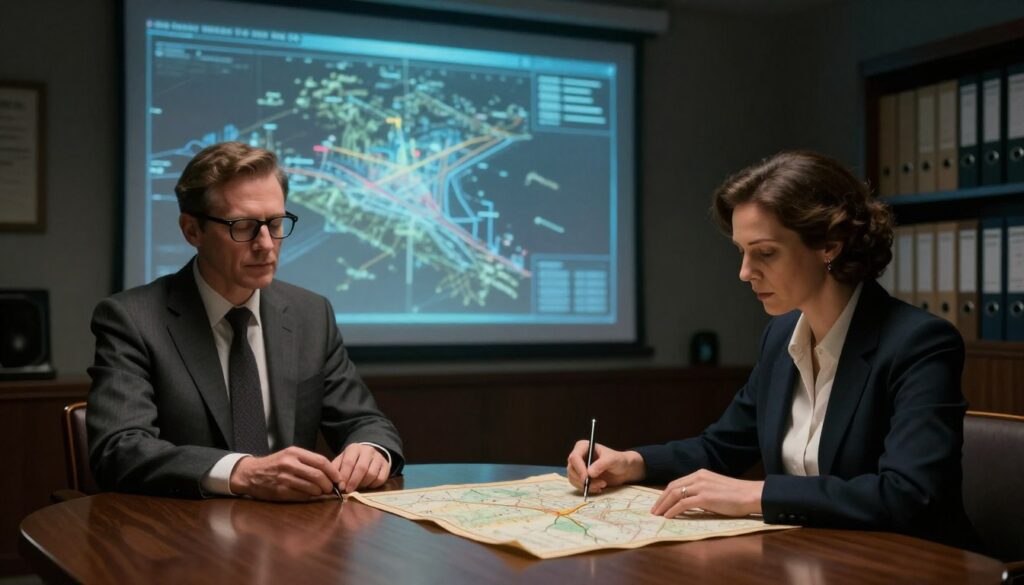
From 1975 to 1995 the Stargate Project ran as a government-funded program exploring whether extrasensory perception could serve intelligence work.
Physicists Russell Targ and Harold Puthoff led early research at the Stanford Research Institute. They tested the abilities of Ingo Swann and other people to gather useful information under controlled conditions.
The Stargate Project Legacy
Agencies in New York and at the research institute documented experiments that aimed to turn a viewer’s natural ability into a practical technology.
The project spent roughly $20 million over years of studies. Interest from the intelligence agency reflected hopes that this line of research might yield actionable results in a tense geopolitical time.
- Researchers tried to make reports repeatable and testable.
- Training and protocols were developed to improve consistency.
- Outcomes prompted both praise and skepticism in the scientific community.
| Item | Detail | Impact |
|---|---|---|
| Program | Stargate Project (1975–1995) | Explored military use of psychic reports |
| Researchers | Russell Targ, Harold Puthoff, Ingo Swann | Published experiments at Stanford Research Institute |
| Funding | ~$20 million over two decades | Supported sustained studies and training |
| Outcome | Mixed results in research and practical use | Continued debate over reality and reliability |
For exercises and practical practice linked to this research, see remote viewing exercises.
How Controlled Remote Viewing Functions
A clear protocol helps a viewer report impressions without naming the target, so the analytical mind stays quiet.
Remote viewing asks a person to note raw impressions first. The viewer describes shapes, colors, or feelings without guessing the target. This keeps the mind from drawing fast conclusions.
Practitioners write data on paper in stages. Early notes capture sensory fragments. Later passes add clarity and context. The process separates signal from noise.

Training opens the aperture of perception slowly. That way the viewer resists labeling early impressions. Trust in ambiguity is essential for good results.
| Step | Purpose | Outcome |
|---|---|---|
| Initial sketch | Capture raw sensory cues | Unfiltered data for review |
| Descriptive pass | Add details without ID | Refined impressions |
| Assessment | Separate signal from noise | Actionable information |
| Feedback | Validate accuracy | Skill improvement over time |
The method rests on the belief that the human mind can access information by non-local means if the right techniques are used.
The Nature of Clairvoyant Perception
Clairvoyant perception is often called “clear seeing” because it seems to deliver images or facts beyond the five physical senses.
Many people describe sudden visions, vivid dreams, or flashes of insight that arrive without formal training. These spontaneous impressions feel immediate and personal.
Historically, the term has been used for centuries to label accounts where one person acts as a medium or simply reports scenes far from their location.
Spontaneous Insights
Such experiences do not follow a stepwise protocol. They can appear while awake, during sleep, or in quiet reflection.
People who report these moments often say the information comes as a clear image or knowing that the mind recognizes instantly.

Historical Context
Across cultures, ordinary people and known mediums have claimed these abilities. The interest in this way of receiving data shows a long human wish to test the limits of consciousness.
While modern remote viewing created a trained path for repeatable results, classic accounts remind us that spontaneous sight has always shaped how others study psychic potential.
- Often sudden and untrained
- Reported across history and cultures
- Seen as an extension of human consciousness
Scientific Perspectives and Skepticism
Academic reviews have long scrutinized claims of psychic performance under lab rules.
Supporters point to statistical work, such as Jessica Utts’ conclusion that psychic functioning showed credible signals in some studies. Her analysis argued that results deserved further study rather than outright dismissal.
Skeptics replied with practical critiques. They said positive outcomes at the Stanford Research Institute may have come from sensory cueing in experiments. Critics also questioned protocols and blinding in early trials.
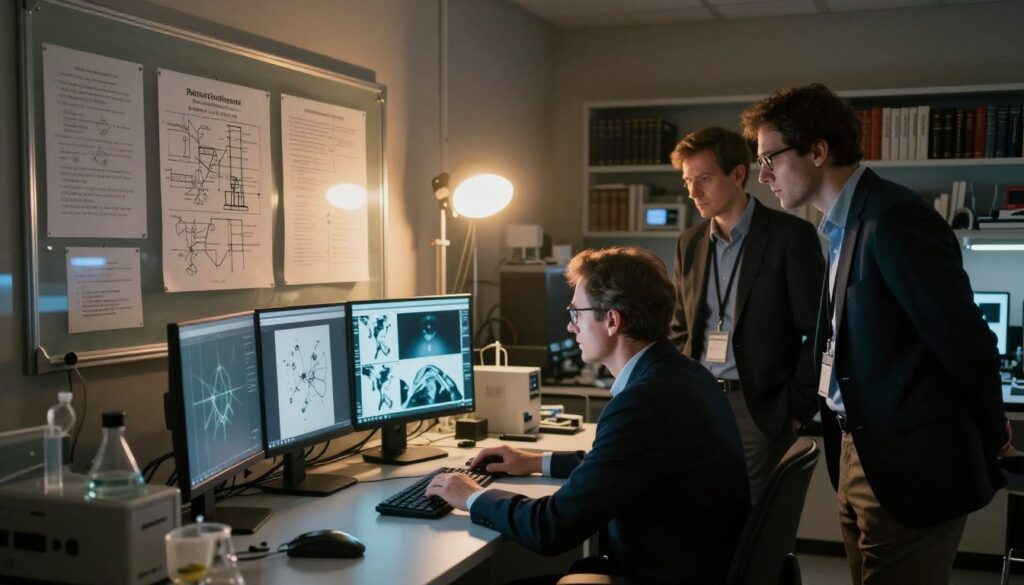
The PEAR lab at Princeton ran 336 formal trials by 1989, yet critics attacked experimental quality. In 1995 the CIA ended the Stargate Project after an American Institutes for Research review found no actionable intelligence data. That decision shaped public trust.
| Item | Finding | Impact |
|---|---|---|
| Jessica Utts | Statistical support for some effects | Called for more research |
| PEAR lab | 336 formal trials by 1989 | Faced methodological criticism |
| Stanford Research Institute | Prominent early experiments | Skeptics cited sensory cueing |
| Stargate Project | $20M program ended in 1995 | Evaluated as non-actionable by CIA |
Today most scientists view such work as lacking reliable replication. That stance keeps this area on the edge of mainstream science, even as curious researchers in New York and elsewhere continue small-scale experiments.
For a practitioner’s memoir and practical claims, see clairvoyant secrets revealed.
Comparing Training and Skill Acquisition
Developing psychic potential often follows two paths: structured teaching and spontaneous talent.
In structured work, systems such as the one developed by Ingo Swann outline clear steps. The goal is to teach any person how to access useful information through disciplined practice.

Developing Psychic Potential
Veteran trainer Joe McMoneagle proved that steady practice can produce reliable results in military-sponsored experiments. His progress shows how a viewer refines reports with feedback and scoring.
Training focuses on simple techniques: sketching impressions, staging passes, and checking outcomes. That process differs from spontaneous psychic abilities, which may arrive without practice.
- Structured training improves consistency.
- Feedback turns impressions into measurable results.
- Many people compare progress with others to learn faster.
| Aspect | Trained Path | Spontaneous Path |
|---|---|---|
| Origin | Program, lessons | Sudden insight |
| Goal | Repeatable results | Personal meaning |
| Use | Operational work, intelligence agency tasks | Medium work, personal growth |
Researchers at the Stanford Research Institute and elsewhere studied these methods as part of the Stargate Project. Debate over outcomes continues, but many people still pursue training to better map their own consciousness.
The Role of Intuition and Ambiguity
Trusting a fuzzy impression often leads to better hits in structured perception work. In many remote viewing sessions the paradox is clear: less certainty can mean more accuracy.
Intuition helps the viewer separate a genuine cue from the mind’s chatter. Training teaches people to note first impressions and resist quick explanations.
Many experiments show that those who accept ambiguity get stronger results than those who force a conclusion. This finding guides modern research and practical training alike.
By navigating uncertainty, a viewer can tap information that feels detached from normal time and space. That way of working trains the mind to value subtle signals over loud guesses.

| Focus | Role | Outcome |
|---|---|---|
| Embracing ambiguity | Builds trust in impressions | Improved hit rates in experiments |
| Intuition | Filters analytical noise | Clearer raw data for review |
| Training | Teaches restraint and technique | Steadier results over time |
For additional reading on spontaneous psychic perception, see what is clairvoyance.
Conclusion
Can psychic skill be tested like any other ability? The mix of protocol-based viewing and personal reports keeps that question open.
Early experiments at the Stanford Research Institute offered hopeful results, yet later studies struggled to replicate those findings. Ongoing research keeps testing methods and outcomes.
For many people, classic clairvoyance feels intimate and private, not a classroom task. Those personal abilities contrast with strict practice and scoring.
Future studies may narrow gaps in methods, but for now both paths challenge how we think about consciousness and time. For practical tips on developing sight, see how to practice clairvoyance.
FAQ
What is remote viewing as used in research and intelligence programs?
Remote viewing refers to a set of techniques developed to allow a trained person, called a viewer, to describe locations, objects, or events that are out of ordinary sensory range. The most well-known research took place at the Stanford Research Institute and later under the U.S. Army and intelligence programs such as the Stargate Project. Researchers like Russell Targ tested protocols, attempted to control variables, and collected written and recorded data for analysis.
How does clairvoyant perception typically present?
Clairvoyant perception usually appears as spontaneous visual impressions, flashes, or inner images that occur without structured training. Practitioners and mediums report sudden insights about people, places, or events. This type of psychic ability is often described as more intuitive and less protocol-driven than formal government or lab programs.
Are laboratory protocols used in programs like Stargate the same as psychic mediumship?
No. Laboratory protocols emphasize repeatable procedures, blind targets, and independent scoring to reduce bias. Mediumship and many spontaneous reports rely on personal experience, interpretation, and feedback from clients. The goals and methods differ: one seeks verifiable data under controls, the other centers on personal or spiritual context.
Who were key figures in early remote viewing research?
Important contributors include Ingo Swann, who helped shape early methods, and Russell Targ, who co-led experiments at the Stanford Research Institute and in later intelligence-sponsored work. These researchers produced reports, experiments, and protocols that influenced subsequent interest in applied parapsychology.
What kinds of results did controlled experiments produce?
Results varied. Some trials produced statistically significant hits under specific protocols; others failed to replicate. Studies often yielded mixed outcomes, prompting debate among psychologists, parapsychologists, and intelligence analysts. The variability led to calls for larger samples, better controls, and transparent scoring methods.
How do researchers score remote perception data?
Teams use blind judging, ranking, and forced-choice methods to compare a viewer’s report with several potential targets. Independent judges rate how well descriptions match targets. These procedures aim to reduce subjective bias and quantify correspondence between reports and true targets.
Can people be trained to deliver more reliable impressions?
Training programs have aimed to improve focus, sensory suppression, and reporting structure. Some individuals show marked improvement with practice and feedback. However, gains vary widely, and researchers emphasize that training does not guarantee consistent, high-accuracy outcomes for all participants.
How do scientists view claims of clairvoyance and trained viewing?
Many scientists remain skeptical because of replication challenges, potential methodological flaws, and cognitive biases. Parapsychologists argue that rigorous protocols and meta-analyses show small but meaningful effects. The conversation continues, centered on improving experiment design and open data sharing.
What role does intuition play in these practices?
Intuition and ambiguity are central. Viewers often contend with unclear impressions and must interpret symbolic content. Skilled practitioners learn to separate confident sensory impressions from guesswork. In spontaneous cases, intuitive hits can feel vivid but harder to verify under controls.
Are modern technologies used to test or augment these abilities?
Contemporary research sometimes employs neuroimaging, audio-visual recording, and computerized protocols to track responses and maintain blinding. These tools help document brain activity and ensure rigorous procedures. Yet no device reliably replaces human reporting for this kind of subjective data.
Did intelligence agencies find operational value in the research?
Intelligence sponsors explored operational use but often faced mixed utility. Some anecdotal successes were reported, while systematic evaluations highlighted low reliability for critical decision-making. Ultimately, interest waned as other intelligence methods and technologies advanced.
How should a curious person evaluate claims they encounter online or in books?
Look for clear methodology, independent replication, and transparent scoring. Favor sources that report raw data, statistical methods, and limitations. Be cautious of extraordinary claims without peer-reviewed evidence and avoid relying solely on anecdote.
Where can interested readers find primary sources or archives?
Declassified reports from intelligence programs, published papers by parapsychologists, and archives from institutions like the Stanford Research Institute provide original materials. University libraries and government declassification portals are good starting points for documented research and program summaries.