

This ultimate guide) sets clear expectations in plain language for readers curious about the topic. It explains the purpose, scope, and what you can expect to learn about how energy healing works on a spiritual level in everyday terms.
The guide frames the subject as an umbrella term that covers hands-on, non-touch, movement, and breath-based methods. It highlights common outcomes such as deep relaxation, better sleep, and a calmer mind.
We stay grounded: explanations focus on meaning-making, inner connection, and coherence while noting this approach is usually used alongside medical care. This is supportive care, not a substitute for diagnosis or treatment.
The article will cover what this practice means, what blockages are, what happens in sessions, popular modalities, benefits, and the science that exists today. It is written for curious beginners, returning practitioners, and anyone feeling stressed or disconnected.
Key Takeaways
- Clear, plain overview of the topic and expectations.
- Broad scope: hands-on, non-touch, movement, breath methods.
- Focus on inner connection with grounded, responsible language.
- Common benefits include relaxation, rest, and improved wellbeing.
- Use as supportive care alongside medical treatment.
- Audience: beginners, practitioners, and stressed individuals.
What “Energy Healing” Means in Spiritual Practice Today
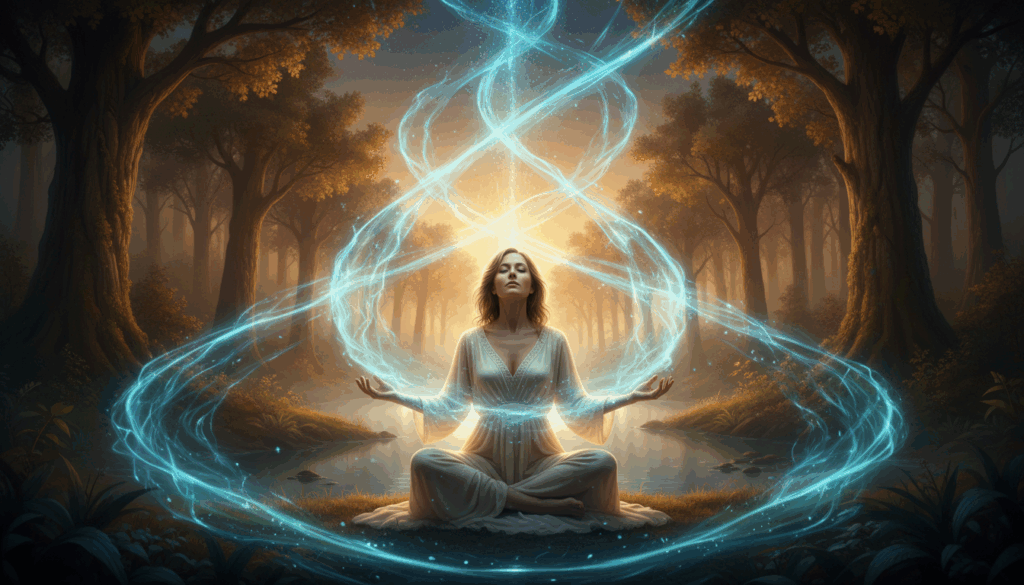
Terms such as ki, qi, and prana describe the familiar spark of vitality we notice after good rest or deep breath. These words point to the life force that makes movement, mood, and focus feel possible.
Energy as life force: ki, qi, and prana
Across traditions, these names map the same simple idea: a felt sense of aliveness. When life feels low, people report fatigue, heaviness, irritability, or low motivation. That everyday shift gives the concept practical meaning.
The field and the energy body as a bridge
The field is a useful metaphor many modern practices use to describe subtle influences around and through the body. The energy body links bodily sensations, mind patterns, and a sense of connection.
Restoring flow instead of managing symptoms
Energy healing aims to support the whole system returning to balance rather than chasing one complaint. Flow often shows up as ease, clearer breathing, calmer thoughts, and more resilience after stress.
“When you feel drained after a busy event or off after a fight, that’s a simple sign the field needs tending.”
How Energy Healing Works on a Spiritual Level
When life pressure mounts, the body can develop zones where flow feels blocked or uneven. These blockages form after long stress, trauma, toxins, or repeating emotional patterns. They show up as tightness, dull spots, or places that feel overactive.

Blockages and imbalances
Blockages mean areas where life force feels stuck, scattered, or overwhelmed. They link to trapped emotions, old shock, or habits that keep the system tense.
Imbalances are patterns of too-much or too-little activity in parts of the body—like a tight chest or a heavy gut. These mirror mood and reactivity in daily life.
Clearing and rebalancing the field
In practice, a trained practitioner helps clear interference and noisy patterns. This supports the person’s field to return toward clearer, steadier flow.
People often report feeling more centered and more like themselves after sessions. Thoughts soften, moods steady, and daily state improves.
Remembering wholeness vs. fixing
This approach frames change as realignment, not repair. The work invites the system to remember its baseline of clarity and balance.
Reality note: best results pair with good sleep, clear boundaries, hydration, and therapy when needed.
| Sign | Common cause | Shift after session |
|---|---|---|
| Tight chest | Chronic stress | Looser breath, calmer state |
| Heavy gut | Emotional looping | Improved digestion and mood |
| Jittery mind | Overstimulation, toxins | Clearer focus, steadier flow |
The Spiritual Anatomy Behind Healing: Centers, Pathways, and Vibration
Think of your inner map as a small city: centers are stations, pathways are busy streets, and signals keep everything moving. This view helps link subtle maps to the nervous system and organ responses without claiming medical equivalence.

Energy centers and communication pathways
Centers act like hubs that mirror how nerves and organs communicate. When stress hits, these hubs can slow down or get noisy, and the whole system shifts.
Pathways carry body energy information much like blood or signal traffic. That analogy makes it easier to notice patterns without confusing maps with medical charts.
Vibration, frequency, and common signs
People describe high states as clear, steady, and light. Low states often feel heavy, tired, or sore.
“Low-vibrational” words simply name sensations people feel before they can explain them.
- Low or misaligned states: fatigue, irritability, and pain.
- Balanced flow: warmth, tingling, deeper breath, and release.
Different techniques focus on various maps—chakras, meridians, or aura layers—but the shared aim is restoring coherence in the system.
For a practical primer on common approaches, see this ultimate guide to energy healing.
Common Causes of Energetic Blockages in Everyday Life
Daily pressures can pile up quietly, shifting how our bodies and minds register comfort and rest.
Prolonged stress and survival mode
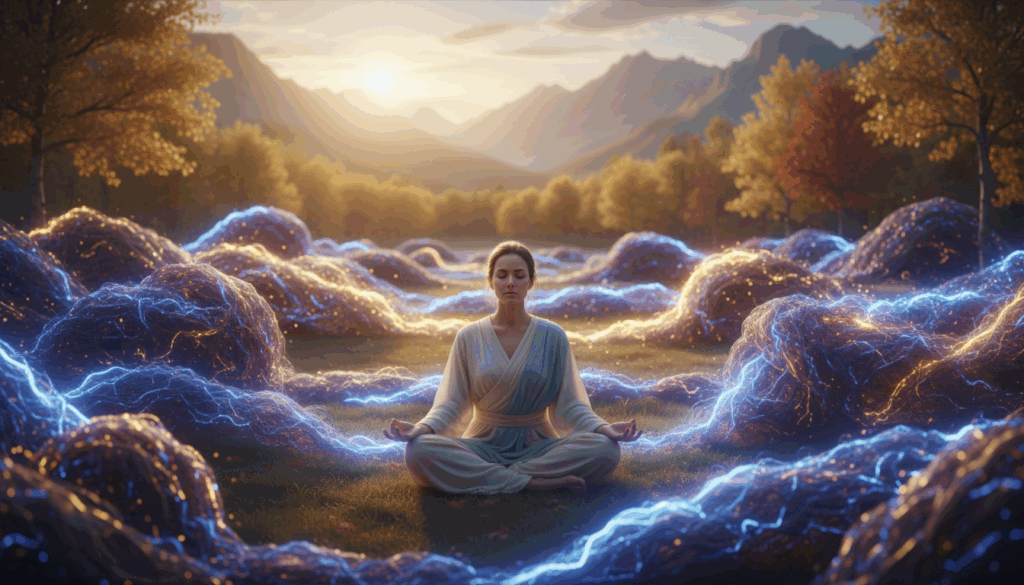
Survival mode looks like constant pressure, overstimulation, and little recovery time. People in this state feel on edge and tired.
When stress lasts, the body can’t return to balance easily. That creates patterns of tightness, poor sleep, and irritability.
Warning signals to notice
Emotional heaviness, mental fog, and a reduced sense of connection often show up first. Anxiety can feel like scattered focus and a steady on‑edge sense.
External influences and “energetic noise”
Too many inputs, conflict-heavy spaces, and blurred boundaries cloud clarity. That noise makes people feel not quite like themselves.
“Notice where the body tightens, where the mind repeats, and when your inner sense feels dim.”
| Cause | Common sign | Simple self-check |
|---|---|---|
| Chronic stress | Tight chest, restless sleep | Pause, count breaths for one minute |
| Emotional looping | Heavy mood, foggy mind | Name the feeling aloud, journal one line |
| External noise | Feeling off, low connection | Set a 10-minute quiet boundary |
Next: various approaches then address these blockages through clearing, grounding, and restoring flow with targeted methods and care.
Energy Healing Techniques and Modalities You’ll Hear About Most
Below is a concise tour of popular practices and what each typically aims to shift. Use this as a quick map so terms you read online make sense and you can decide which approach might fit your needs.
Reiki
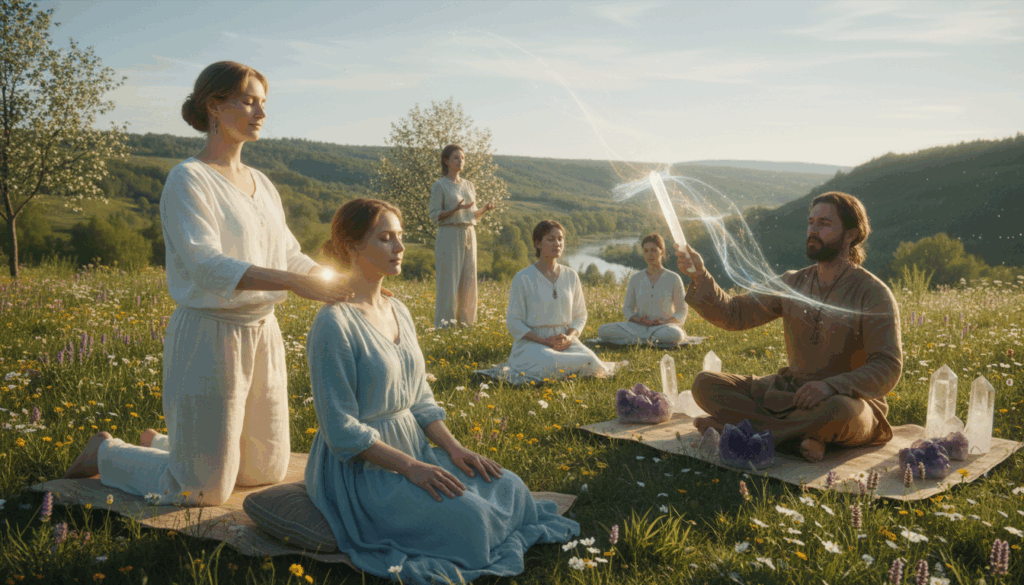
Reiki uses light touch or hands hovering near the body while a practitioner holds focused attention. Sessions often promote deep relaxation and support the body’s natural repair responses.
Acupuncture
From Traditional Chinese Medicine, acupuncture places thin needles at specific points to rebalance flow and often relieve pain or symptoms. It is a structured treatment with clear point lists and protocols.
Pranic Healing
Pranic work is non-touch. Practitioners scan the aura, clear blockages, then recharge the system with fresh force. It’s practical for people who prefer no direct contact.
Qigong
Qigong combines simple movement and breath training to boost qi flow. Many people use it daily for steadier mood, sleep support, and gentle physical conditioning.
Emotional Freedom Technique (EFT)
EFT pairs tapping on acupressure points with reframing thoughts. It can be self-applied after basic training and often eases emotional intensity and somatic tension.
Therapeutic Touch, Polarity, Quantum Touch, Reflexology
Therapeutic Touch centers on focused presence and non-touch balancing. Polarity blends gentle pressure, movement, and lifestyle shifts.
Quantum Touch and reflexology use breath, light touch, and targeted pressure (hands, feet, ears) to influence pathways linked to organ and muscle function.
Note: Training and practitioner skill matter. Seek qualified practitioners, state your comfort and goals, and consider adjunctive medical treatment when needed. For a practical step about sending supportive care, see this short guide.
What Happens During an Energy Healing Session
Most sessions start with a short check-in to pinpoint where the body and mind hold tension.
Intake and energetic assessment
The practitioner asks simple questions about sleep, recent stress, and goals. This practical talk maps patterns and areas of tightness without promising outcomes.
Energetic assessment often follows. The practitioner may scan with hands, sight, or trained intuition to notice imbalances in the field.

How practitioners work
Practitioners enter a focused state that supports guided intention. In some traditions this includes a conscious trance while staying fully aware.
The process is deliberate: clearing, gentle realignment, and attention to the body’s signals.
Hands, touch, and common sensations
Hands may rest lightly, hover, or stay away entirely depending on preference and modality. Clients report warmth, tingling, tears, calm, or little sensation at all.
Feeling nothing is normal and still valid as an experience.
Insight and integration
Changes often continue after the session. Emotions may shift, sleep can improve, and new clarity can emerge over days.
Aftercare suggestions: hydrate, rest, journal, move gently, and consult medical professionals for health concerns.
Benefits People Report: Mind, Body, and Spirit Outcomes
Clients commonly describe practical benefits after sessions. These are reported as lasting shifts in mood, sleep, and daily function rather than instant cures.

Commonly reported outcomes include:
- Deep relaxation: steady calm, slower breath, and better sleep quality.
- Peace: an emotional quiet that feels like being more at home in your body.
- Support for anxiety and repetitive emotional loops, with clearer thinking afterward.
- Reduced tension and less pain—often in the jaw, neck, or shoulders—as the body moves toward balance.
- A stronger sense of connection to purpose, authenticity, and inner guidance in daily life.
These benefits are commonly reported and should be framed as part of wider self-care. Pairing this approach with therapy, movement, community, and medical care often gives the best results.
For training or practice options, consider exploring psychic medium classes to deepen your skills and understanding.
What Science Says Right Now and How to Use Energy Healing Responsibly
Scientific studies point to some promising results, yet many questions remain about specific techniques and outcomes.

Where evidence is stronger
Clinical trials show acupuncture and Reiki can offer measurable health benefits in certain settings. Reviews note improvements in pain, sleep, and stress for some people.
Where research is limited
Many methods lack large, consistent trials. Differences in practitioner style, small sample sizes, and hard-to-measure subjective change make success rates unclear.
Safety, risks, and practical use
Energy therapies are usually non-invasive with low side effects. They are best used as complementary care, not a replacement for medical treatment.
Talk with licensed providers for treatments like acupuncture, share health history, and never delay urgent care. Evaluate practitioners for training, consent practices, and realistic claims.
Practical tip: Use these methods alongside conventional care, track sleep, mood, and pain over time, and coordinate with your healthcare team. For guidance, learn a practical method.
Conclusion
, In short, the main takeaway is clear: this practice is a process that aims to restore flow, balance, and coherence in the field so the body and mind can settle.
Think of it as remembering wholeness rather than fixing parts. People often report calmer breath, a deeper sense of peace, and clearer thought after sessions.
You now understand common causes of blockages, the role of vibration and state, what happens during sessions, and why benefits often include clarity and rest.
Try one modality, notice your experience over time, and choose practitioners who use consent and realistic guidance. Use this work alongside medical care when needed.
Many people find this way supports greater connection to life, more ease in the body, and stronger resilience day to day. For training options, consider become a psychic healer.
FAQ
What does this practice mean in spiritual terms today?
In modern spiritual practice, the approach refers to working with life force—terms like ki, qi, and prana describe the vitality that links body, mind, and spirit. Practitioners talk about an unseen field or body that reflects physical and emotional states, and the aim is to restore natural flow rather than simply mask symptoms.
How do blockages and imbalances form?
Stress, trauma, long-held emotional patterns, and chronic survival mode can interrupt flow. These disturbances show up as tension, foggy thinking, fatigue, or recurring pain. Over time they create sticking points in the subtle system that reduce resilience and clarity.
What does clearing and rebalancing the field involve?
Clearing addresses build-up in the subtle field and supports coherence across mind and body. Techniques clear congested zones, then practitioners help recharge and harmonize the system so the person regains inner connection and steadiness rather than simply removing a symptom.
Is the aim to fix something broken or to remember wholeness?
The focus is on remembering wholeness. Instead of treating the person as a collection of problems, the process invites the natural tendency toward balance. That shift helps people feel empowered and aligned, not dependent on continual intervention.
What spiritual anatomy is involved—centers, pathways, vibration?
Traditions describe centers and channels that link to the nervous system and organs. Vibration and frequency language explains how lower, stuck states can register as pain or fatigue, while balanced rhythms support clarity, resilience, and ease.
What daily causes create energetic blockages?
Prolonged stress, emotional heaviness, mental fog, and disconnection from purpose are common sources. External influences and constant informational noise also cloud personal clarity and make it harder for the system to self-correct.
Which techniques are most common and what do they do?
You’ll often hear about Reiki (light touch or hovering hands for relaxation), acupuncture (stimulating points to restore flow), pranic work (scanning and clearing the aura), qigong (movement and breath practices), Emotional Freedom Technique (tapping while reframing emotions), therapeutic touch and polarity therapy (non-contact balancing), plus quantum touch and reflexology that use breath, focused touch, and pathways to move subtle currents.
What happens during a typical session?
Sessions usually start with an intake to map patterns and stress points. Practitioners use focused awareness, guided intention, and sometimes trance-like concentration. They may use hands-on or non-touch placements; clients report warmth, tingling, relaxation, or emotional release. Integration often continues after the session.
How do practitioners work with sensations and client feedback?
Practitioners observe verbal and physical cues, adjust touch or distance, and invite clients to notice sensations and feelings. Clear communication helps tailor the approach and supports safe, gradual shifts in the system.
What benefits do people commonly report?
People often describe deep relaxation, better sleep, reduced anxiety, clearer thinking, less muscle tension and pain, and a stronger sense of purpose or inner guidance. Many notice both immediate calm and gradual lasting changes in habits and outlook.
What does research say and how should someone use this safely?
Evidence varies: acupuncture and Reiki have promising trial results for pain and stress relief, while research on some modalities remains limited. These approaches have low reported side effects but should complement—not replace—medical care. Choose trained practitioners and communicate openly about health conditions and concurrent treatments.
How long before someone might notice change?
Some people feel shifts after one session—deep relaxation or clarity—while others need several visits to clear longstanding patterns. Integration depends on lifestyle, stress levels, and support systems, so many practitioners recommend follow-up sessions and self-care practices like breath work or gentle movement.
Can these practices help with anxiety and chronic pain?
Many clients report reduced anxiety and less chronic tension as coherence returns. By calming the nervous system and shifting emotional loops, the approach can ease symptoms and improve coping, though outcomes vary and medical advice remains essential for serious conditions.
Do practitioners require formal training and certification?
Yes. Standards differ by modality and region, but reputable practitioners complete dedicated training, ongoing supervision, and continuing education. Ask about credentials, experience, and whether they follow clear safety and referral protocols.
Are there any risks or reasons to avoid a session?
Risks are low, but sessions can bring up strong emotions or temporary fatigue. Avoid as a replacement for urgent medical care. People with certain psychiatric conditions or recent trauma should consult their healthcare provider and seek practitioners experienced with complex cases.
What self-care supports the process between sessions?
Simple practices help: paced breathing, mindful movement like gentle qigong or walking, sufficient sleep, and reflection practices that encourage emotional processing. Reducing stimulants and managing screen time also improves clarity and supports ongoing balance.