
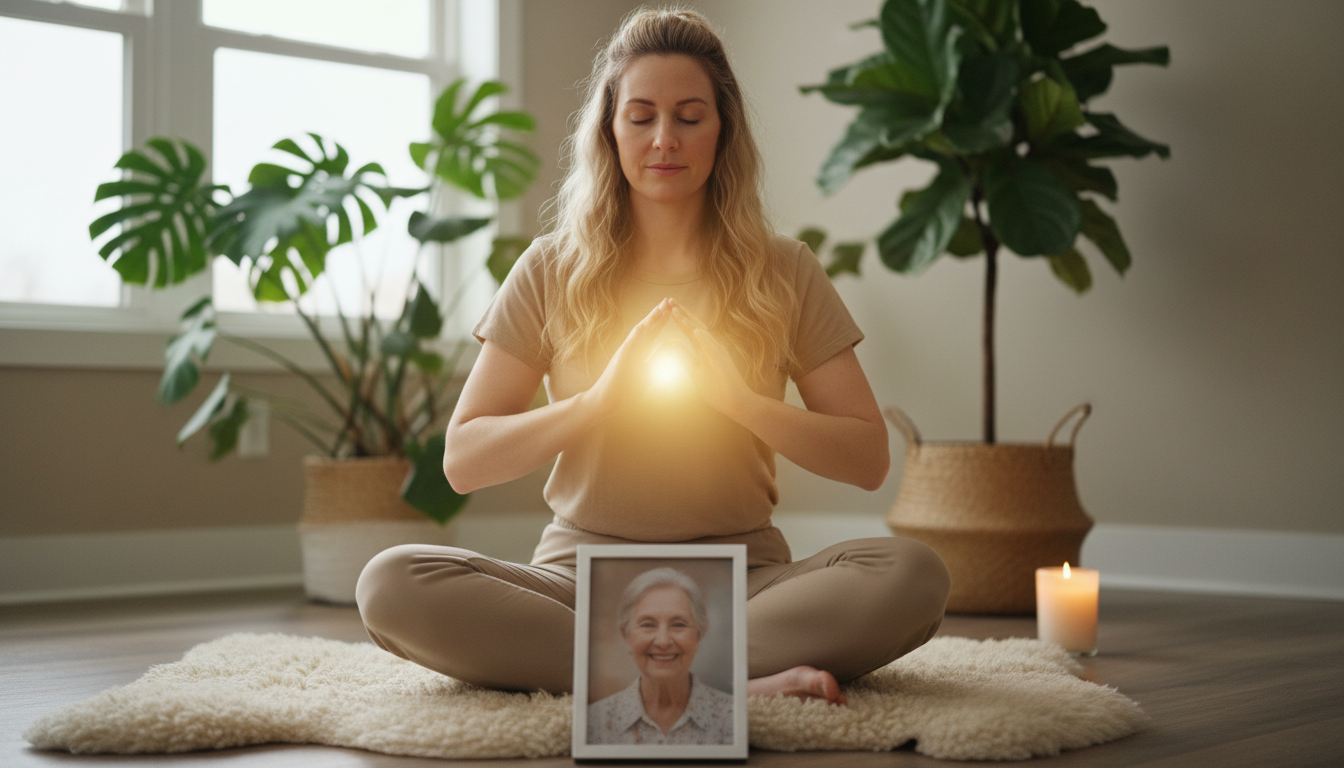
This brief guideexplains a calm, repeatable way to send healing energy to someone you love, even when you can’t be there in person.
Distance healing is framed as an energetic connection that can offer comfort across space. This article shows a heart-led practice that uses attention, intention, and a short meditation. You will learn a clear routine and simple steps that support emotional well-being.
Expect grounded guidance that complements professional care rather than replaces it. The piece explains what distance healing is, core principles, a step-by-step method, ways to grow with practice, and gentle aftercare.
Beginners may find guided meditations helpful; for example, Nicky Sutton’s 17-minute approach focuses on a heart-centered intention and can steady the mind. If you want extra support, check this guided resource.
Key Takeaways
- Learn a short, repeatable routine for remote comfort.
- Practice intention and focused attention, not force.
- Guided meditations can help beginners build confidence.
- This approach supports emotional care and complements medical help.
- Consistency and sincerity matter more than intensity.
What distance healing is and why people use it
Think of distance healing as an invisible bridge that carries kind attention across space. It is a focused, mindful connection people use when in-person care is not possible. This practice often feels like a sincere wish or calm presence held for another person.
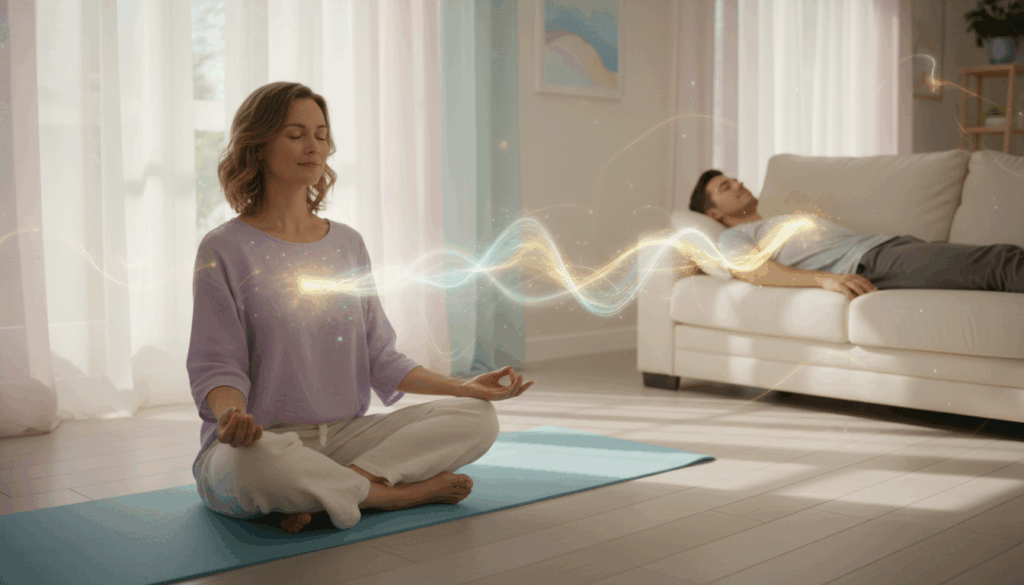
Distance as an energetic connection beyond physical space
Distance work treats life force as a shared field. Many traditions call this chi, prana, or ki. The idea is simple: attention and intention can offer comfort even across miles.
Common reasons people try remote support
People use this approach during stress, anxiety, grief, or when a loved one can’t get in-person help. A familiar moment might be sensing a friend’s low mood and then checking in—this makes the idea feel human and relatable.
Benefits: comfort, flexibility, whole-person support
Advantages include no travel, home comfort, flexible timing, and care that aims at body, mind, and spirit. Some studies and Reiki reports are often cited, but results vary and are not medical guarantees.
“Offer calm support with clear intent; the aim is comfort, not control.”
The core principles behind sending healing energy
Clear intention acts like a compass that guides focused attention toward someone who needs comfort. This section explains the simple principles that make the practice reliable and kind.
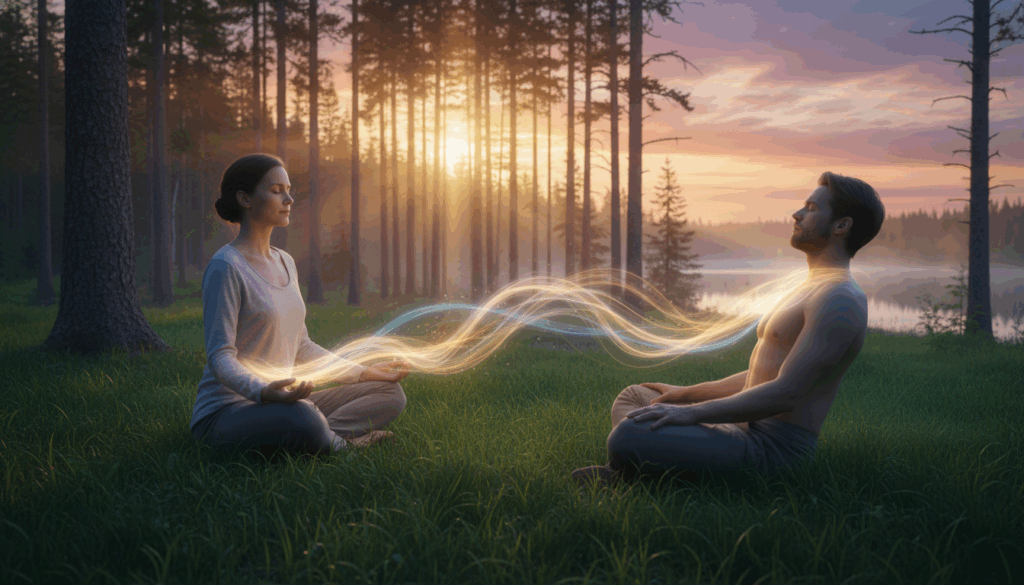
Intention and focused thoughts
Intention is the steering wheel of the process. You are not forcing a result; you are directing calm, clear thoughts with purpose.
Focused thoughts reduce mental noise and keep you present. Many meditation traditions treat this focus as the foundation of any effective practice.
Love, compassion, and a light visualization
Pair intention with compassion. Love acts as the emotional carrier that keeps work respectful and supportive rather than controlling.
A warm, bright light visualization helps the mind organize attention. Picture a living, gentle light that connects and comforts the recipient.
Alignment, trust, and ethics
Stay grounded and clear. Ideally, the recipient is open to receiving support, but if you are unsure, set an intention that only what serves their highest good is received.
“Aim for consent and well-being rather than diagnosis or control.”
| Principle | Why it matters | Quick practice cue |
|---|---|---|
| Intention | Directs focus without forcing | State a short, clear aim |
| Focused thoughts | Reduces distraction, builds presence | Count breaths for one minute |
| Compassion & light | Keeps the work safe and soothing | Visualize warm, bright light |
| Alignment & consent | Respects boundaries and trust | Set an intention for highest good |
Trust your intuition. Many people simply sense where care is needed. If you want more guided practice, see this ultimate guide.
How to send healing energy to someone you love
Begin with quiet, steady breath and a simple choice to be present for another person.
Prepare your space and mind
Choose a quiet spot, dim the lights, and silence notifications. Sit or lie down comfortably and breathe slowly for a few minutes. Let your body relax and settle into stillness.
Activate the heart chakra
Place attention at the center of the chest and notice warmth or softness. Visualize a greenish-reddish glow that expands gently as an infinite source of healing energy.

Create a clear connection
Bring the person to mind and say their name softly if it helps. Trust that intention creates a link even when you don’t know exact location.
Direct through the palm
Raise your arm and imagine light moving from your heart, down the arm, and out through your palm toward their heart or a specific body area. Use intuition; notice subtle feelings that tell you when it feels complete.
Close and return
Lower your arm and soften the visualization. Send well wishes of peace and strength, then release any outcome.
Finish by counting gently from 1 to 10, reconnecting with breath and space so you end grounded and calm.
| Step | Action | Quick cue |
|---|---|---|
| Prepare | Quiet space, slow breathing | Dim lights, sit comfortably |
| Heart | Activate chest warmth and glow | Visualize green-red light |
| Connect | Mental link without location | Say their name softly |
| Send | Direct through palm to heart/body | Follow intuition |
| Close | Soften visuals, send wishes | Lower arm, release |
For a guided option, try a step-by-step resource that builds confidence with practice: guided distance method.
Techniques to make your distance healing practice more effective over time
With simple adjustments your sessions can feel clearer, brighter, and more effective over time. These techniques help focus attention, develop skill, and protect your own space while you work.

Visualization upgrades that enliven the image
Brighten the light, sharpen details, and imagine the scene in vivid color. Picture movement, warmth, and texture so the image feels alive rather than flat.
If images are fuzzy, use feelings and intuition
Not everyone sees clear pictures. Focus on steady feelings: warmth, kindness, calm. Trust intuitive knowing and steady breath as valid tools.
Choose the best time and setting
Pick a regular window—morning, lunch, or bedtime—and a quiet chair where you won’t be interrupted. Short sessions done daily build more skill than rare long ones.
Healthy energetic boundaries
Ground before and after a session. If you notice others’ moods sticking, state an internal boundary phrase: “I send support with love, and I release what isn’t mine to carry.”
- Acknowledge distracting thoughts, return to breath, and restate your intention.
- Practice brief meditations often to strengthen focus and confidence.
- Remember this is a supportive practice alongside rest, care, and communication.
For a perspective on sensations and results, see this brief guide on felt experience.
Aftercare and personal growth for both you and your loved one
Once you finish, simple observations can reveal how the process touched your body and mind.
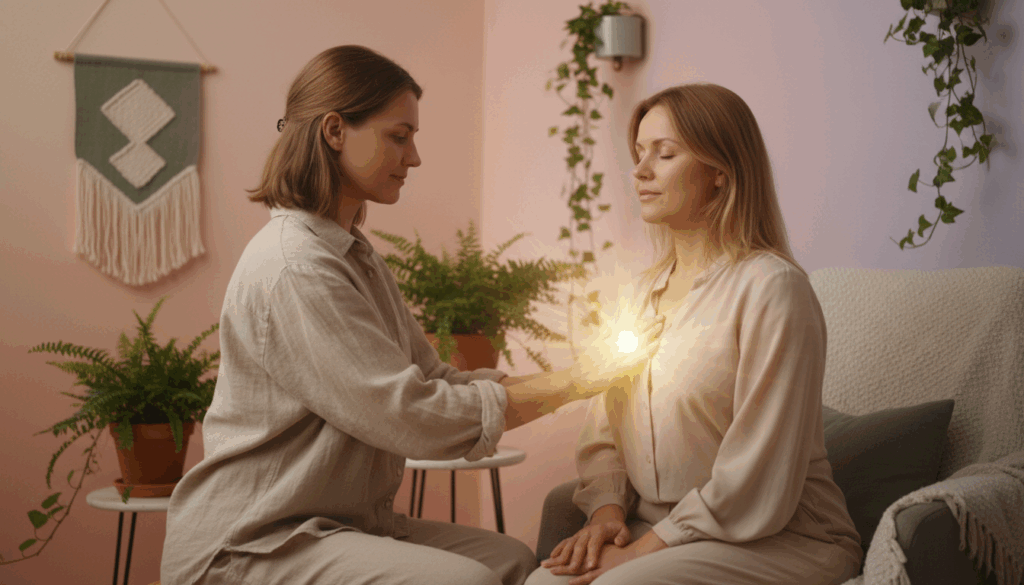
What to notice in your body and emotions
Common after-effects include a calm warmth, light sleepiness, a brief emotional release, or a neutral quiet. Notice these signs without urgent interpretation.
Take a minute for basic aftercare: drink water, stretch gently, and ground with a few deep breaths so your energy feels settled rather than floaty.
Reflection prompts to deepen the process
Keep a short journal with these prompts: how you felt while connecting, which moments felt strongest, how your emotions changed, and what insights appeared.
- Date and intention.
- Duration and sensations before/after.
- Any follow-up from the person, if appropriate.
How regular meditation builds skill and consistency
Short, daily meditation sessions sharpen attention, strengthen felt connection, and steady mood across time. Small meditations add up; they also support personal growth in everyday life.
“Subtle shifts still matter; practice often clarifies what was quiet at first.”
For structured practice and career paths that deepen this work, consider resources on how to become a psychic healer.
Conclusion
Small, steady rituals create a reliable link that comforts others even when apart.
This guide shows a short, heart-centered way to offer calm energy and gentle healing across distance. Ground first, open the heart center, set a clear intention, visualize light, close softly, and return grounded.
Success factor: sincerity and regular practice matter more than vivid images or dramatic signs. Keep practice kind and ethical; seek consent when possible and respect that each person’s life and path are their own.
Pick one time this week to try a brief session, jot a short note about the experience, and refine what helps you feel steady and clear. For related guidance, see this remove a love spell.
FAQ
What is distance healing and why do people use it?
Distance healing is an energetic connection that works beyond physical presence. Many people choose this approach for comfort, flexibility, and whole-person support when loved ones face stress, anxiety, or illness. It lets caretakers offer care when travel, time, or other constraints make in-person help difficult.
What are the core principles behind effective remote work with energy?
The process relies on clear intention and focused thoughts as the primary driver. Working from a place of compassion, visualizing light, and maintaining trust and alignment between sender and recipient strengthens the connection and outcomes.
How should I prepare my space and mind before a session?
Ground with steady breath and simplify the environment. Choose a quiet corner, reduce distractions, and center by feeling your feet, softening the jaw, and taking several slow inhales and exhales. Short rituals, like lighting a candle or playing gentle music, can help mark the transition.
What role does the heart center play in this practice?
The heart acts as a natural source of loving care. Focusing gentle attention there, imagining warmth or a soft glow, and allowing compassion to grow helps create a stable channel for supportive intentions.
How can I form a clear connection to someone at a distance if I don’t know their exact location?
Use their photo, a name, or a mental image to create a point of focus. Picture a thread of light linking you, or imagine the person surrounded by a protective glow. The clarity of your attention matters more than geographic detail.
What techniques help when directing support toward a specific body area?
Visualize sending a warm, focused beam from your palms or chest to the target area. Keep the image calm and steady, hold a gentle intention for relief, and breathe into the sensation. Short pauses allow you to check in and adjust the quality of the care.
How do I end a session respectfully and safely?
Soften and withdraw the focus slowly, offer well wishes like peace or ease, then release the connection by imagining the thread dissolving or closing a light gate. Finish with grounding steps: three slow breaths, feeling your feet, and a gentle stretch.
What if I struggle with visualization during practice?
Rely on feelings and intuition instead of images. Sense warmth in your chest, hold a clear intention, or use simple words like “calm” or “comfort.” Many practitioners build visualization skills over time through brief, regular exercises.
When is the best time and setting for remote sessions?
Choose a quiet period when you won’t be interrupted and both parties have privacy. Early morning or late evening often works because the mind is calmer. Consistency helps build a steady practice and strengthens the connection.
How do I maintain healthy energetic boundaries while supporting others?
Set an intention that limits what you take on emotionally. Visualize a protective shield around your field, or imagine a valve that regulates exchange. After sessions, clear your space with breath, a short walk, or a grounding routine to avoid carrying another’s mood.
What signs should I notice in my body and emotions after a session?
You may feel warmth, lightness, tiredness, or emotional shifts. Physical sensations like tingling or relaxation are common. Note changes without judgment and rest if you feel drained. These responses help you learn what different techniques produce.
What reflection prompts help deepen the practice and track progress?
Ask: What shifted in the person or situation? How did my body respond? Which moments felt most clear? Keep short notes after sessions to observe patterns and adjust focus, timing, or methods.
How does regular meditation improve consistency and skill?
Consistent practice strengthens attention, reduces reactivity, and sharpens subtle perception. Even ten minutes a day builds steadier focus, clearer intention, and a more reliable sense of connection over weeks and months.
Can this approach support anxiety and chronic stress in loved ones?
Yes. Gentle, repeated sessions aimed at calming the nervous system can offer relief alongside medical care and therapy. Use intentions that promote relaxation, safety, and resilience, and encourage the person to seek professional support when needed.