

Many people ask what is the color of healing energy because certain hues can shift mood fast. In everyday life, shades and light shape comfort, focus, and calm.
Chromotherapy views colors as more than visual cues. Traditions link particular tones to vibrational meanings and supportive mind-body states like balance, hope, or rest. This approach is usually used alongside medical care, not as a substitute.
This article previews three simple frameworks: the chakra map, common chromotherapy meanings, and easy home or work uses such as décor, clothing choices, and gentle visualization. You will learn why some tones feel grounding while others lift focus.
Safety note: Colored lighting and related tools can complement professional care. If you have health concerns, follow clinician guidance first.
Key Takeaways
- Readers will see which colors link with calm, sleep, focus, and vitality.
- Approaches include chakra theory, chromotherapy meanings, and simple home tweaks.
- Color use supports well-being but does not replace medical treatment.
- Personal preference matters; the right hue can change with mood and season.
- Try low-effort experiments like a lamp, a scarf, or brief visualization.
- For deeper practice, explore this energy healing guide.
Healing Energy and Color: Why Hues Matter in the Modern World
Dawn screens, office fluorescents, and evening lamps mean hues guide alertness and rest across time.
Colors shape emotions through learned cues—phrases like “feeling blue” show how simple associations stick. Visual tone also alters how a room feels; warm shades can energize while cool tones calm.
How color influences emotions, mood, and overall well-being
In a screen-heavy lifestyle, light and palette choices change how people react during the day. Subtle shifts in shade can lift mood or reduce stress without extra cost.
Think of color as a low-barrier support tool for mind and body: easy to try in a bedroom, office, or waiting room. Hospitals and clinics often use brighter art and soft lighting to lower anxiety and improve patient mood.
Chromotherapy and color light therapy as holistic approaches
Chromotherapy believes that hues carry properties that influence emotional states. It remains a complementary practice and not a standalone medical cure.
“Color light methods range from LED devices to filtered lamps and immersive fabrics or stones.”
Common practical forms of color light therapy include LED light panels, color-filtered bulbs, and wearable tinted fabrics. Intensity and application vary by purpose and setting.
| Use | Typical setting | Expected effect |
|---|---|---|
| Bright art or warm lighting | Hospital waiting areas | Reduce anxiety, lift mood |
| Cool, low-intensity light | Bedrooms, meditation rooms | Support rest and calm |
| LED color sessions | Wellness clinics, home devices | Targeted mood or focus shifts |
- Try gentle experiments over several days to see what helps your mood.
- Use color as a supportive tool alongside professional care when needed.
- Explore practical guides for sending supportive intentions with light at ways to send healing.
What Is the Color of Healing Energy? Understanding the Question Behind the Search
A useful approach treats visible wavelengths as tools that match varied goals, not one cure-all. Goals like rest, motivation, or soothing call for different hues. That means no single prescription fits everyone.
Think of light as a spectrum: each wavelength corresponds to a visible hue, and traditions read those tones as distinct vibrational qualities. Personal resonance matters—your steady pull toward soft green when stressed or bright yellow on sluggish mornings is meaningful feedback.
Why one universal hue rarely works for every person
People differ in history, culture, and what brings comfort. A shade that sparks joy for one person may feel overstimulating for another.
Warm versus cool: practical contrasts
Warm palettes (reds, oranges, yellows) often boost mood and vitality. They suit mornings, active spaces, and moments needing momentum.
Cool palettes (blues, greens, purples) usually support calm, focus, and meditation. They work well in bedrooms and quiet corners.
| Goal | Typical hue family | Practical use |
|---|---|---|
| Boost mood or drive | Warm (red, orange, yellow) | Morning light, active rooms, bright accents |
| Relaxation and sleep | Cool (blue, green, purple) | Bedrooms, meditation spaces, soft lamps |
| Balance and recovery | Neutral/soft tones (cream, teal, lavender) | Gentle fabrics, low-intensity light, wearable accents |
| Personal feedback | Any hue that feels right | Follow repeated preference as a guide |
“Start gently with light changes and adjust based on comfort; intense or flashing light may not suit everyone.”
Next you’ll see two helpful maps: chakra color meanings and a practical, color-by-color benefits guide. For an intuitive reading practice, explore a professional aura option like aura readings.
Chakra Colors and Healing Meanings in the Body’s Energy System
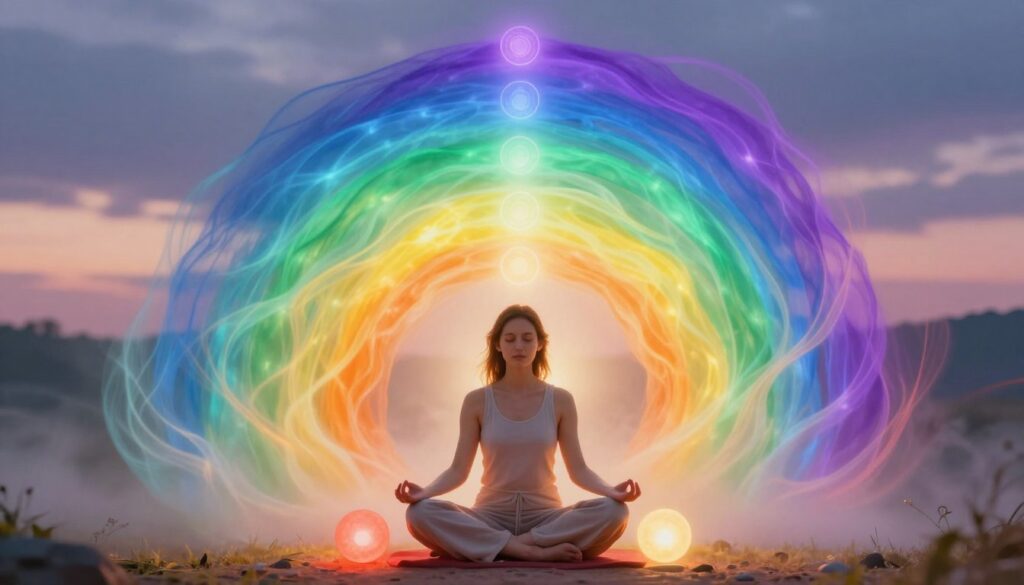
A simple seven-point map links main centers in the body to matching colors and clear themes. Many people use this system as a self-reflection tool during meditation, rest, or choice-making.
Root
Red and black support grounding, stability, and protective vitality. Use them when you feel scattered or unsafe.
Sacral
Orange encourages creativity, joy, and emotional flow. Try it when play or inspiration feels blocked.
Solar plexus
Yellow brings clarity and confidence. It links to digestion themes and helps with personal drive.
Heart
Green and pink open compassion, harmony, and gentle healing for self and others. These tones ease grief and soften criticism.
Throat
Blue supports calm, honest speech, and steadier emotional tone in talks.
Third eye
Indigo cues intuition and inner vision. Use it for reflection and better self-trust.
Crown
Violet and white invite spiritual connection, purity, and expansion. This feels like larger calm and perspective.
| Chakra | Hue(s) | Key meanings | Quick use |
|---|---|---|---|
| Root | Red, black | Grounding, vitality, protection | Wear sturdy fabrics, low lights |
| Sacral | Orange | Creativity, joy, emotional flow | Add playful accents, creative sessions |
| Solar | Yellow | Clarity, confidence, digestion | Sunlight breaks, bright accents |
| Heart | Green, pink | Compassion, harmony, healing | Soft textiles, nurturing rituals |
| Throat | Blue | Communication, truth, calm | Use in meetings or journaling |
| Third eye | Indigo | Intuition, insight, inner vision | Gentle reflection, quiet space |
| Crown | Violet, white | Connection, purity, expansion | Meditation, open-air views |
Healing Colors and Their Benefits: A Practical Guide to Common Hues
A quick cheat sheet helps match common hues to practical results for daily life.
Green
Balance, growth, and renewal. Green often soothes the mind because it mirrors nature. Many people use it for heart-centered harmony and to restore balance after stress.
Blue
Calm and sleep support. Blue helps slow a racing mind and can lower heart-rate reactions. Try soft blue lights or textiles to ease tension and encourage rest.
Yellow
Positivity and mental clarity. Yellow lifts mood and aids focus. Use it when you need creative spark or a confidence boost during a foggy day.
Red
Vitality and motivation. Red often raises circulation and drive. Use with care: it can overstimulate and may not suit people with high blood pressure concerns.
Orange
Enthusiasm and playful creativity. Orange brings upbeat vibes and is linked in holistic circles with immune-support themes. It brightens active spaces well.
Purple and Violet
Intuition and transformation. These hues favor meditation, reflection, and spiritual growth when deeper insight is the goal.
White
Purity and amplification. White clears and boosts other hues. Use it as a reset tone or to magnify a paired color’s intended properties.
Black and Brown
Grounding and protection. Black absorbs and shields, while brown connects to earth and steadiness. Both are useful when you want stable boundaries.
Soft Tones
Cream, teal, and lavender offer gentle comfort and clarity. These low-saturation options are ideal for home settings and quiet meditation.
“Choose a hue that feels right, then test it in small steps to see real change.”
For chakra-focused balance tips, see this chakra balancing guide.
How to Use Color Healing in Everyday Life at Home and Work
Start small: try one hue for one need for seven days. Wear a scarf, add a desk object, or swap a pillow cover. Track mood, sleep, or focus to see if the change helps.

Wear supportive tones
Use clothing, jewelry, and crystals to carry intent. A scarf, nail polish, or a pendant brings that tone close to mind and body. Rose quartz or clear quartz pair well with warm or neutral choices.
Surround yourself strategically
Swap throws, art prints, or desktop wallpaper rather than repainting. Simple swaps create mood shifts at home and at work without big effort.
Light and simple tools
LED light devices and color-filtered bulbs can bathe a small area in a hue. Favor gentle brightness over harsh pulses and test brief sessions before longer use.
Meditation with visualization
Breathe slowly and imagine a hue flowing head to toe or into a specific chakra. Repeat for five minutes to support calm, clarity, or steady focus.
| Setting | Recommended hue family | Quick tip |
|---|---|---|
| Rest spaces | Cool tones (blue, green) | Soft lamp, low intensity |
| Morning routines | Warm accents (yellow, orange) | Bright textiles, sunlight breaks |
| Kids’ areas | Cheerful, saturated hues | Playful art, safe lighting |
“Start with one small swap and notice the change over a week.”
Safety note: People with photosensitive epilepsy or certain eye conditions should consult a clinician before trying intense or rapidly changing light.
Choosing the Right Healing Color for You: Intuition, Goals, and Timing
Picking a supportive hue starts with a clear aim and a short, gentle experiment. Name one immediate goal—more energy, deeper relaxation, sharper focus, or emotional healing—and let that guide you for seven days.
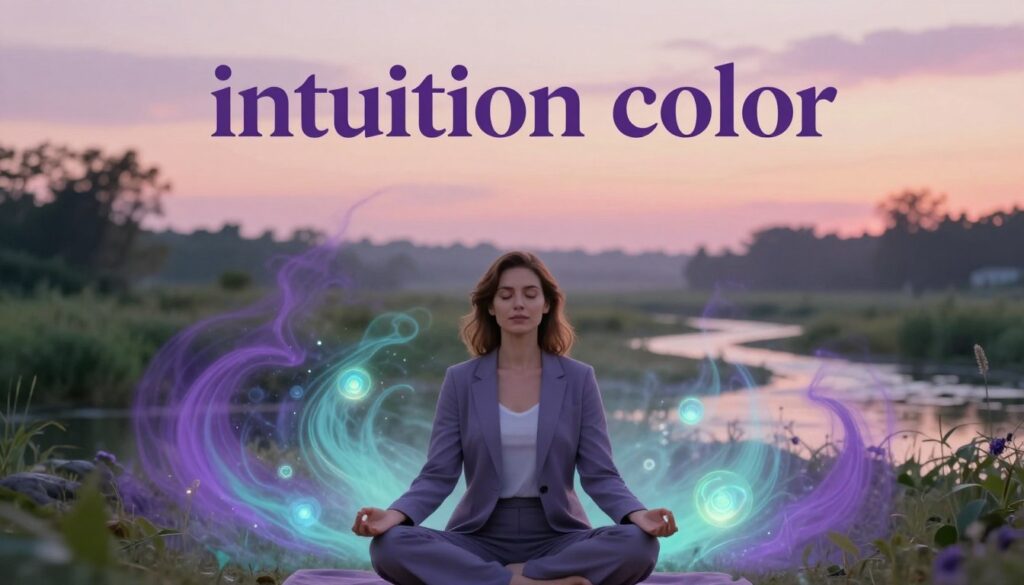
Match a hue to your goal
Energy: choose warm, bright tones for morning uplift.
Relaxation: favor cool, soft shades to slow the mind.
Focus: pick clear, mid-range hues that reduce distraction.
Emotional healing: try gentle, nurturing tones for comfort and love.
Birthstone color themes as anchors
Use a month-based anchor to keep things steady across seasons:
| Month | Anchor hue | Quick note |
|---|---|---|
| Jan | deep red | grounding |
| Feb | purple | intuitive |
| Mar | pale blue | calming |
| Apr | white | resetting |
| May | green | renewal |
Notice shifts and track results
Ask yourself which hue you gravitate toward in clothing or nature. Treat that pull as useful data from your intuition.
Keep a short log: sleep, stress, and daily focus after each swap. Adjust over time—needs change, and so will your preferences.
For a deeper practice, explore a related guide on how to become a psychic healer: learn more.
Conclusion
Simple shifts in light and fabric can nudge mood, focus, and rest without big effort.
Core takeaway: there isn’t one single shade that fixes every need. A spectrum of tones helps different goals, and personal resonance guides what works best.
Rely on two practical maps: chakra color associations for inner-center reflection and the everyday, color-by-color guide for routine support. Try one hue for a week and note changes.
Use chromotherapy and light thoughtfully as a complement to medical care. If you have health concerns, follow clinician advice first.
Start gently with low-intensity exposure, especially if you have photosensitivity. Small, intentional design choices can help people feel more grounded, calm, optimistic, or focused—one hue at a time.
FAQ
How do hues influence mood and overall well-being?
Different hues interact with perception and physiology. Cool tones like blue and green tend to calm heart rate and ease anxiety, while warm tones such as yellow and orange can raise alertness and boost motivation. Using these colors thoughtfully in clothing, rooms, or lighting helps shape everyday mood and mental clarity.
What role does chromotherapy and light therapy play in holistic health?
Chromotherapy uses colored light and filters to support nervous system balance and emotional resilience. Practitioners combine specific wavelengths with breathing, massage, or guided relaxation to encourage restful sleep, reduce stress, or lift spirits. It’s a complementary approach alongside conventional care, not a replacement for medical treatment.
Why isn’t there a single universal hue for healing across everyone?
Personal history, cultural background, and current needs shape which hue feels restorative. One person may find green soothing for heart-centered calm, while another prefers soft blue for mental steadiness. Healing works best when color choices align with individual resonance and goals.
How can someone use warm versus cool tones for different intentions?
Warm tones—reds, oranges, yellows—energize, encourage creativity, and support motivation. Cool tones—blues, greens, indigos—promote relaxation, focus, and emotional balance. Match tone to intention: choose warm shades for activity and cool shades for rest or reflection.
Which colors correspond to the main chakras and their functions?
Chakra hues follow a spectrum: root uses grounding reds and earth browns, sacral favors orange for creativity, solar plexus aligns with yellow for confidence, heart embraces green and pink for compassion, throat uses blue for clear speech, third eye prefers indigo for insight, and crown uses violet or white for spiritual connection.
What are practical benefits of green for everyday healing?
Green supports balance, renewal, and heart-centered calm. Incorporate it through plants, textiles, or accent walls to foster steady breathing, reduced agitation, and a sense of renewal during stressful periods.
When is blue most helpful for health and mood?
Blue soothes the nervous system and helps with sleep and stress reduction. Use soft blue lighting in evening routines, or blue accents in bedrooms and work nooks to encourage steady focus and calmer evenings.
How does yellow support creativity and mental clarity?
Yellow brightens attention and can lift spirits, enhancing problem solving and confidence. Add yellow in small doses—desk accessories, lamps, or art—to spark ideas without overwhelming the senses.
Are there cautions with using red for vitality?
Red can boost circulation and motivation, but intense red exposure may raise anxiety or blood pressure in sensitive people. Use muted tones or small accents if you have hypertension or easily triggered stress responses.
What healing themes are associated with orange?
Orange supports enthusiasm, playful creativity, and social warmth. It’s useful in communal spaces, studios, or activity areas to invite engagement and immune-supportive movement like dance or gentle exercise.
How do violet and purple aid intuition and transformation?
Violet and purple foster inward reflection and subtle shifts in awareness. Use them in meditation corners or journaling spaces to encourage insight, dreamwork, and a sense of spiritual expansion.
When should white be used for cleansing or system alignment?
White amplifies clarity and offers a neutral backdrop for other hues. It works well in healing rooms, therapy spaces, or minimalist home zones to support resets and bring a sense of openness.
How do darker tones like black and brown support grounding?
Black and brown create a stable base and protect against overstimulation. Incorporate them through furniture, rugs, or grounding stones to anchor energy and enhance a sense of safety linked to the earth.
What gentle tones help with comfort and clarity?
Soft cream, teal, and lavender soothe sensory overload and support gentle clarity. Use these in nurseries, recovery rooms, or relaxation corners to maintain comfort without dulling alertness.
How can I apply color healing at home and work?
Start small: swap a pillow cover, add a lamp with adjustable LEDs, or place a plant in your workspace. Match hues to function—calming tones in bedrooms, energizing accents in home offices—and test changes over weeks to notice effects.
What techniques help personalize color choices by age and preference?
Observe reactions over time. Children often thrive with bright, playful palettes; adults may prefer muted schemes. Seniors benefit from high-contrast, warm lighting to aid visibility and comfort. Adjust saturation, texture, and light rather than hue alone.
How do I choose a hue that matches my current goal or timing?
Identify the aim—focus, relaxation, creativity, or emotional healing—then select a supportive hue. Try short experiments: wear a color for a day, apply it in a small space, or use colored light sessions to find what feels most aligned.
Can birthstone color themes serve as anchors across seasons?
Yes. Matching seasonal choices with birthstone hues offers a personal, symbolic anchor. Use jewelry, textiles, or small decor items in those tones to maintain continuity and emotional support throughout the year.