
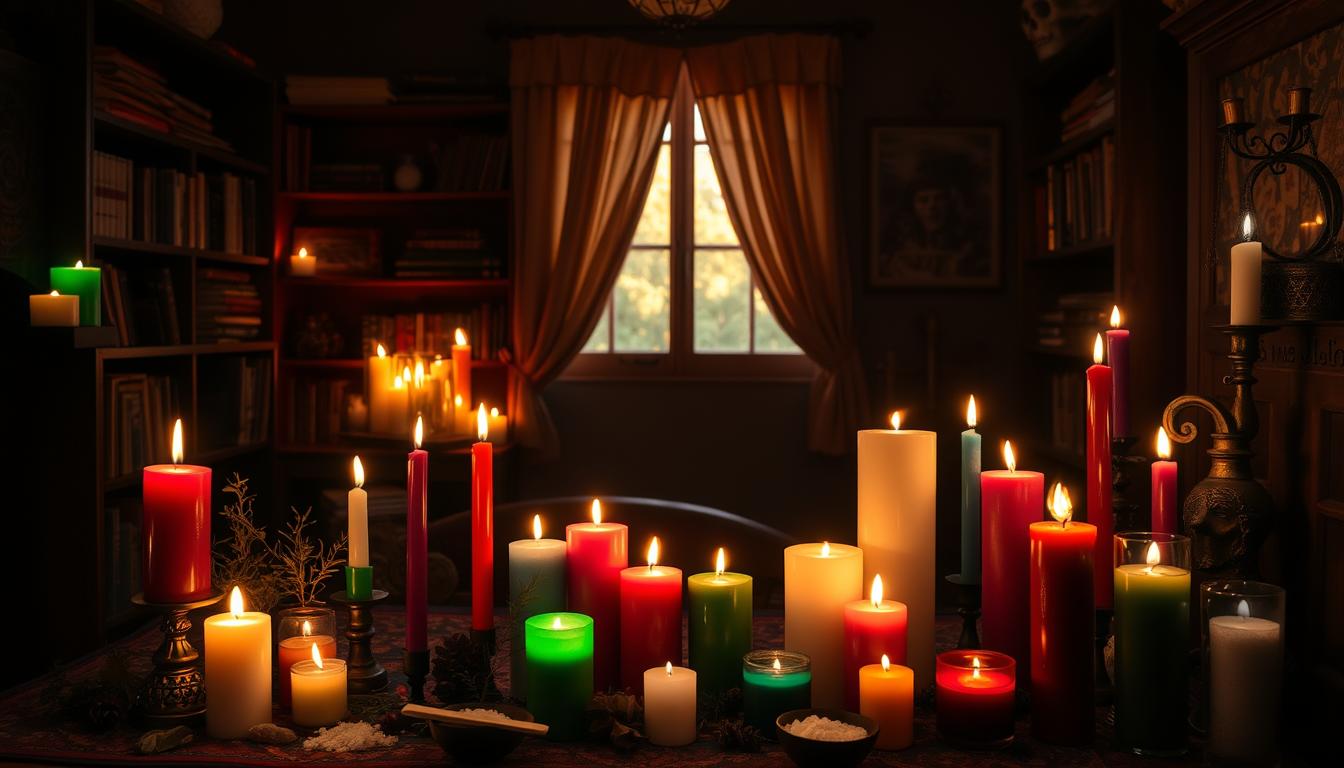
Start simply: one small wick, a steady flame, and a clear intention can focus your energy toward a goal.
This beginner’s guide makes the practice approachable and safe. You’ll learn what this work is, why it often feels effective, and how the element of fire and the light it gives help center attention.
Across the world, many traditions use flames—Hinduism, Buddhism, Pagan paths, and Christianity—so you’re joining a long-standing ritual that links personal energy with a simple tool.
Keep expectations realistic: visualization and emotion drive results more than gear. Start with one plain example and add color choices, oils, or herbs as you gain confidence.
Later sections will cover safety, setup, and how to read outcomes so you feel ready to try a focused session tonight. For related guidance on symbolic practice and cards, see tarot resources.
Key Takeaways
- One light and a clear intention can focus your mind and energy.
- The fire element serves as a focal point for visualization.
- Start simple; add color, oils, or herbs as you learn.
- Many faiths and paths use similar candle-centered rituals.
- Safety, setup, and reading results are covered in later sections.
Foundations of Candle Magic for New Practitioners
At its heart, this practice uses simple tools and steady focus to turn intention into visible change.
Why they work: intention, visualization, and the element of fire
Decide on a goal, visualize success, and focus will. The flame acts as a steady anchor for the mind, helping you keep attention on a single aim while you breathe and picture the result.
The element of fire symbolizes movement and transformation. Wax, flame, and smoke create a visual timeline you can watch as your intention unfolds.
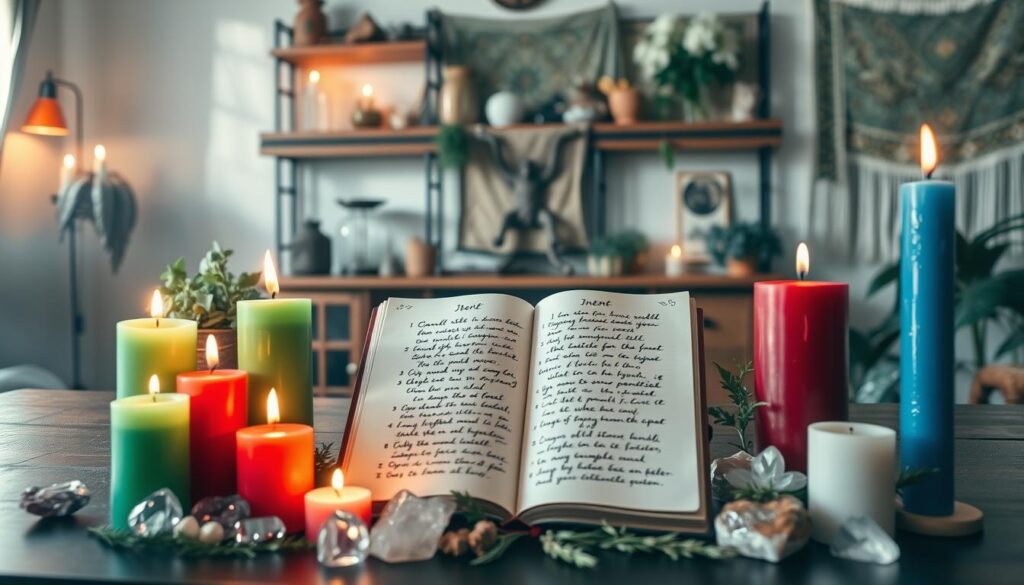
A brief history and spiritual context across traditions
Across the world, small flames have supported prayer and ritual. Temples, shrines, churches, and folk rites use lights to hold focus and mark sacred words.
Beginners can start with a basic light and later add colors, oils, or gentle scribing as intuition guides them. There is no single right course; choose the ways that help you stay present and purposeful.
- Use spoken words or a short affirmation to anchor feeling and intent.
- Trust your intuition when selecting color, scent, or shape.
- Reflect after each session to learn what works for you.
| Principle | Simple Practice | Why it helps |
|---|---|---|
| Intention | State a clear goal in one sentence | Keeps focus and guides visualization |
| Visualization | Picture the outcome for 2–5 minutes | Strengthens emotional connection to the goal |
| Element (fire) | Watch the flame while breathing slowly | Provides an anchor and symbolizes change |
For a practical next step and related skills, consider exploring how to get clairvoyance to build intuitive awareness alongside your practice.
Tools, candles, and correspondences: building your ritual base
Building a reliable ritual kit starts with practical choices about shapes, wax, and simple correspondences.
Choosing your candle: shapes, sizes, wax types, and a fresh wick
Use a new candle for each working to avoid residual vibrations. Pick a size that fits your session: chime lights for single-sit work, jar/prayer styles for multi-day focus.
Tapers and pillars give longer burn times; votives and tealights are compact. Many practitioners prefer beeswax for a clean burn, though paraffin or soy are common — check sensitivities and wick size before use.
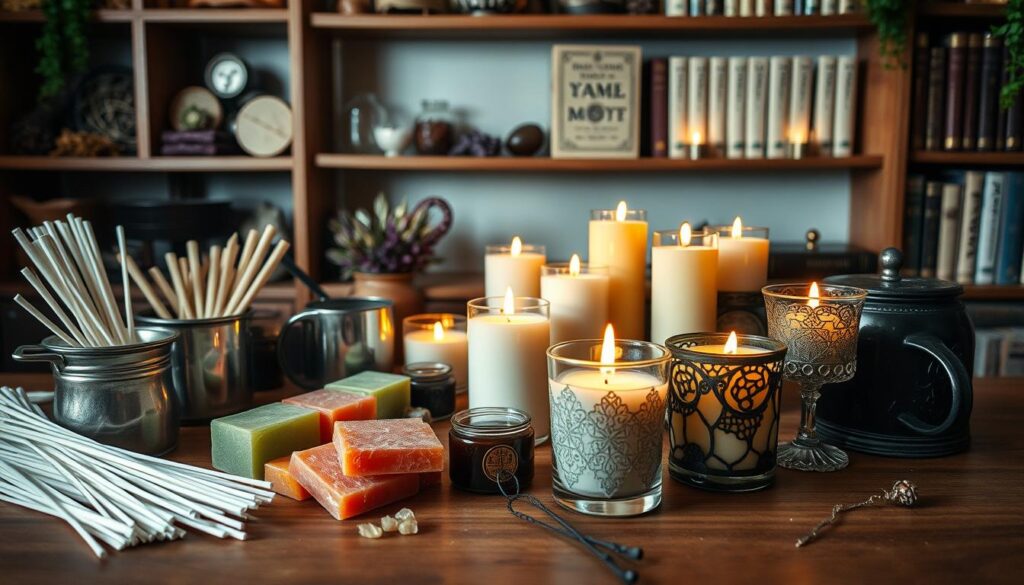
Color meanings for common goals
White stands in for any shade. Red links to passion and strength; pink for love and friendship; green for prosperity; blue for peace and intuition.
Purple supports spiritual growth; black aids protection and banishing; yellow attracts learning and joy; orange invites opportunity.
Oils, herbs, and safe dressing
Anoint lightly with a natural oil or a prepared blend. For a carrier mix, add 10–20 drops of essential oil (lavender for healing, bergamot for prosperity) to a 30 ml amber bottle and top with jojoba or fractionated coconut.
Grind herbs fine so they stick; roll the oiled candle in powdered herbs and burn in a fireproof container that catches debris.
Fire safety and setup
Place holders on a fireproof surface with a wide base. Keep the area free of drafts, flammables, pets, and kids. Never leave a flame unattended and keep a snuffer handy for controlled extinguishing.
If you want guidance on protecting your space during workings, see psychic protection practices for practical tips.
How to do candle magic: a simple step-by-step ritual
A simple ritual can turn focused time and clear words into a meaningful practice. Prepare your space first: clear clutter, pick a quiet time, and cleanse with smoke, sound, or visualization to set a calm tone.
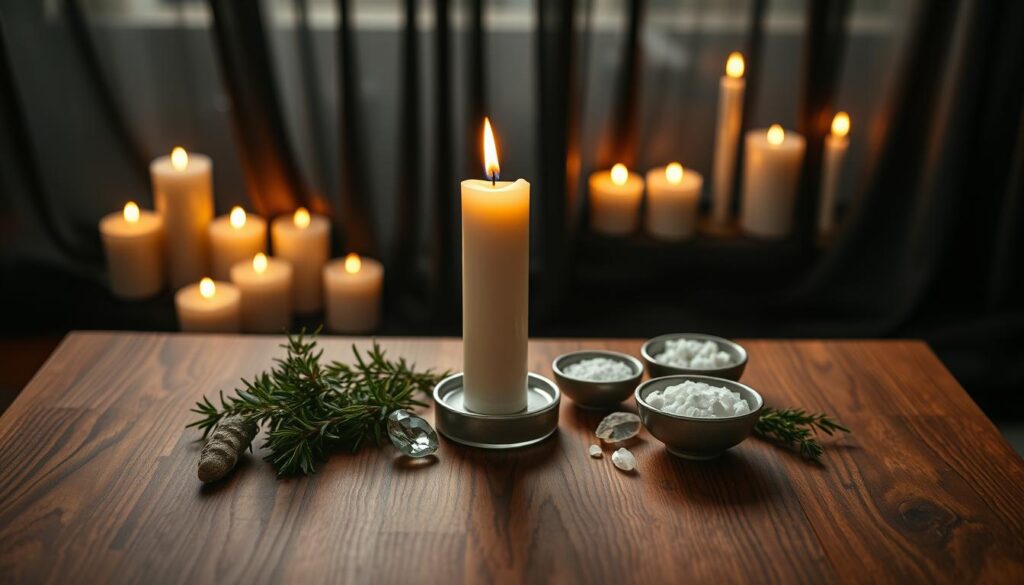
Set up an altar that supports your goal. Place the candle securely on a fireproof base, add a crystal or card if it helps, and take a few steady breaths to ground your energy.
scribe and dress the wax
Scribe symbols, sigils, or short words into the wax near the wick so your message is literally part of the tool.
Anoint from the top toward the middle and from the base toward the middle with a few drops of oil. Roll the wax in finely ground herbs so they cling without falling into the flame path.
set intention, light, focus, and close
Write your goal on parchment or speak it aloud in present tense. Light the wick and watch the flame while you visualize the outcome; let energy build rather than forcing results.
“Let your words be simple and true; the flame will mirror your focus.”
Use a snuffer to pause the work, or allow chime candles to burn fully. Record what felt strong and any impressions. For related practice tips, see improve psychic readings.
Reading the work and leveling up your practice
When you tune in to flame behavior and wax shapes, the practice becomes a tool for clearer intuition. Start by watching without judgment. Note how the flame reacts, then pair that observation with your intent.
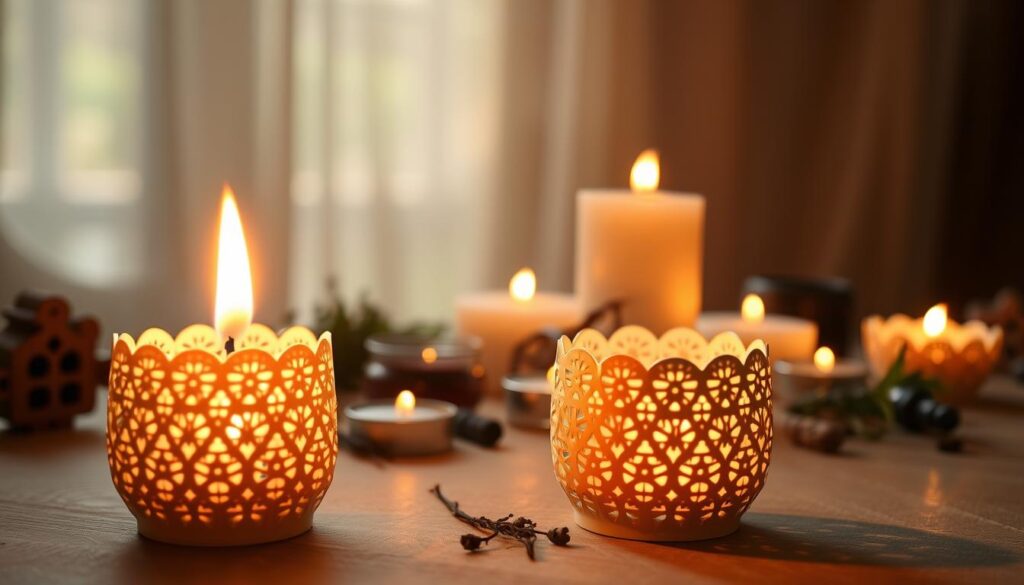
Interpreting the flame and candle wax for insight
Watch flame height, steadiness, and color. A tall, stable flame often feels affirming, but drafts, wick length, and surface matter too. Rule out mechanical causes before assigning meaning.
Try wax reading by dripping melted wax into cold water and noting shapes. Treat impressions like symbols in tea-leaf work—simple, immediate associations matter most.
Working over days, jar and chime candles, and making your own
For multi-day work, use jar or prayer candles and return at the same time each day. A few minutes of focused meditation as the flame steadies helps keep energies aligned toward your goal.
Chime lights suit single, targeted sessions when you want a quick, sharp result. To level up, customize store-bought pieces by scribing, anointing with a drop of oil, and dressing with a pinch of herbs.
- Recycle wax stubs into new jars or roll beeswax sheets around a wick for DIY pieces.
- Keep add-ins minimal so the burn stays clean and safe.
- Track flame behavior, wax remnants, timing, and your mindset to build consistent success and notice patterns that point to abundance.
“Practice steadily; small, careful observations multiply your power over time.”
For practical training that complements these skills, explore a short course on how to become a psychic healer at how to become a psychic healer.
Conclusion
Even brief, well-focused sessions can set change in motion.
Bring clarity to your goal and let a plain white candle or a simple color choice amplify intent for money, love, healing, or protection. Start with one spell at a time so energy stays focused and measurable.
Keep safety first: use a fireproof base, keep the wick clear, and have a snuffer on hand. Light layering of wax-safe oil and a pinch of herbs helps without choking the flame.
Track results in a small journal. Repeat sessions often improve luck, success, wealth, and abundance as you refine your ways. Try purple for empowerment as you grow.
Take the first step tonight: choose a candle, set one clear goal, and let the work unfold with care, patience, and heart.
FAQ
What is the simplest way to start a candle-based ritual?
Begin with a clear goal and a quiet space. Choose a single taper or pillar in a color that matches your intention, trim the wick to about 1/4 inch, and place the light on a stable, heatproof holder. Ground yourself with a few deep breaths, state your purpose aloud or silently, and focus on the flame while visualizing the outcome. Limit distractions and never leave the flame unattended.
How do color correspondences work for protection, love, money, and healing?
Colors act as visual languages that align with specific aims. For protection, darker tones like black or deep blue are common; pink or red for love and emotional matters; green or gold for money and abundance; and white or light blue for healing and clarity. Pick the hue that resonates with your intent and use it consistently throughout the practice.
What types of wax and wick are best for reliable results?
Natural waxes such as soy, beeswax, or vegetable blends burn cleaner and hold scents well. Cotton or hemp wicks tend to burn evenly and produce minimal smoke. Choose a size and shape that suits your ritual length: tapers for short workings, pillars or jar candles for longer spells. Always test new products for burn behavior before an important session.
Can I dress a light with oils and herbs safely, and how do I do it?
Yes — dressing enhances focus and energy. Use a small amount of a carrier (like jojoba) to dilute essential oils if needed, and anoint from the base toward the flame for attraction work or from the flame toward the base for banishing. Press a light gently into dry herbs or sprinkle them into a ring around the holder rather than on top, to avoid flare-ups. Keep safety in mind and use non-flammable herbs for direct contact.
What are the key fire-safety rules when working with flames around pets and children?
Place lights on sturdy, heat-resistant holders and a noncombustible surface. Keep a safe distance from curtains, papers, and textiles. Never leave a burning light alone — extinguish it if you must leave the room. Keep pets and children well away, and have a fire extinguisher or a lid nearby to smother an accidental flare.
How long should I let a ritual light burn for effective results?
Duration depends on your intent. Short intentions can be supported with a quick burning session; long-term goals often benefit from burning until the wax melts significantly or the candle burns out. For safety, use jar or pillar lights for longer workings, and always consider a scheduled check or a trusted person to monitor the flame if it must remain lit for hours.
How do I interpret the flame and wax signs after a session?
A steady, bright flame often signals clear energy and alignment with your goal. Flickering can point to shifting energies, distractions, or unknown influences. Pooled wax and drips may suggest obstacles or suppressed aspects of the issue; clear, even burning and an upright, intact wick usually show steady progress. Keep a simple journal to note patterns over multiple sessions.
Is it better to work on specific days or times for different intentions?
Timing can enhance focus. Many practitioners favor certain days of the week — for example, Friday for love, Thursday for abundance, Tuesday for action — but consistency and clear intention matter most. Moon phases also help: new moons for beginnings, full moons for culmination. Use timing as an aid, not a strict rule.
Can beginners safely make their own lights or blends at home?
Yes, with care. Start by melting small amounts of soy or beeswax with a double boiler, use tested wicks sized to the vessel, and add a few drops of essential oil after the wax cools slightly to preserve scent. Label everything and test-burn a sample before relying on it for important work. Safety equipment and good ventilation are essential.
How do I close a ritual and dispose of remains respectfully?
Thank the elements or energies you invited, snuff the flame rather than blowing it out to avoid scattering energy, and allow wax to cool. Dispose of wax remnants in compost if using natural wax and herbs, or bury them in soil for earth-return rituals. Paper or written intentions can be burned safely in a controlled container or shredded and returned to the earth.
What tools form a basic ritual kit for someone starting out?
A simple kit includes a few neutral holders, a small selection of lights in meaningful colors, a jar of carrier oil, a few essential or ritual oils, basic herbs, a wick trimmer or scissors, a fireproof mat, and a notebook for intentions and observations. Keep items clean and stored separately to preserve scent and energy.
How can I avoid common mistakes like unclear intent or overreliance on tools?
Focus on clarity. Spend a few minutes writing or speaking a concise statement of purpose before lighting. Remember tools amplify intention; they don’t replace it. Practice grounding and visualization to strengthen personal energy, and reflect after each session to refine your approach rather than simply adding more items.
Are there simple ways to build confidence and deepen practice over time?
Keep a regular practice schedule, log results, and experiment with small variations like color swaps or different oils. Study reputable sources and consider workshops or books from established authors. Gradual, consistent practice builds intuition and skill more effectively than sporadic, large rituals.
What ethical considerations should I keep in mind when working for outcomes like love, money, or luck?
Respect consent and free will; avoid targeting specific people without their awareness. Aim to attract qualities or opportunities rather than control another’s choices. Work for your own empowerment and clarity, and consider the wider consequences of any outcome you seek.
Where can I learn more reliable information and products for safe practice?
Look for books and courses by reputable authors, community classes, and trusted suppliers such as health-food stores or artisan apothecaries for natural oils and waxes. Read reviews, verify ingredient lists, and favor shops that prioritize quality and safety. Local witchcraft or metaphysical shops can also offer hands-on guidance.