
Welcome to a concise guide on aura farming, a trend that Gen Alpha and Gen Z use to sharpen how they present themselves today.
Think of it as a deliberate way to shape your reputation with small, cinematic actions. When Timothée Chalamet stares down a scene in Dune, he shows how presence can command attention.
Young people share short video clips and media posts to show their process. Kids and creators aim for a natural look that still feels powerful.
This introduction explains why the term went viral and how online trends turned a niche habit into a cultural moment. You can learn simple steps to develop your vibe and make social media work for you.
For a related look at turning personal skills into income, see how to become a paid psychic.
Key Takeaways
- Aura farming is about crafting a steady, memorable presence.
- Timothée Chalamet’s on-screen focus is a clear example.
- Short video and social media shape today’s cool factor.
- Gen Alpha and kids share tips to make it feel effortless.
- Small, repeatable actions build a strong public image.
Understanding the Aura Farming Phenomenon
These days, teens trade small rituals and looks to build a steady social signal that others notice. This trend mixes real-life behavior with gaming language to map coolness like a score.
Defining Aura Points
Aura points are informal markers of status. Kids earn them by doing things that peers admire. A simple pose, a calm response, or a perfect clip can add to someone’s visible image.
The Concept of Effortless Cool
Farming refers to the gaming practice of grinding tasks. Teens borrowed that word to describe how people keep adding small wins to boost social standing.
- Act with nonchalance to project ease.
- Make difficult tasks look simple to gain respect.
- Study how figures like Timothée Chalamet carry themselves for cues on presence.
| Behavior | What it Earns | Example |
|---|---|---|
| Quiet confidence | Status points | Calm reply in a tense moment |
| Curated posts | Social respect | Short, well-shot video clip |
| Consistent style | Recognizable image | Signature outfit or pose |
To explore related skills that turn perception into practice, see developing awareness.
Origins of the Term in Gaming and Anime
Fandom chats in early 2024 began tagging characters who project steady intensity as if they were leveling up. That online chatter pulled a slang strand from players who spend hours grinding in games.
In the world of anime, figures like Piccolo, Gon, and Sangwoo became clear examples of a focused presence. Those characters can grab attention with one look, so fans started to call them an aura farmer in jest and praise.
The term spread through short clips and video threads where users pointed out moments that felt like slow, deliberate reputation-building. Gaming culture — where farming refers to repeating tasks for XP — gave the metaphor a direct path into social talk.
By early 2024, the word was making way from niche fandoms into broader slang. As Gen Alpha began to use term in posts, the idea evolved into a way to describe how people craft a steady, magnetic public image.
For a related take on intentional presence and perception, see exploring clairvoyant abilities.
How to Master Aura Farming in Your Daily Life
You can build quiet confidence by making difficult things look like no big deal.
The power of nonchalance lies in timing and expression. Perform something cool, like landing a perfect bowling strike or a slick bottle flip, then keep your face steady. That calm reaction sells the moment.
The Power of Nonchalance
Act with ease. When you strike, smile slightly or not at all. People read restraint as control.
Subtle Gestures and Poses
Small moves matter. A casual signature on a dropped piece of paper can parody fame and boost standing among friends.
Curating Your Social Environment
Choose peers and places that reflect the lifestyle you want. Hang with people who value coolness and steady presence.
- Practice in low-stakes moments to gain points without trying hard.
- Study examples, like Rayyan Arkan Dikha dancing calmly on a boat, to copy the flow.
- Even in a game, how you act shapes what people think of your life today.
| Action | Effect | Example |
|---|---|---|
| Do something skilled | Gain social points | Perfect bowling strike + blank look |
| Parody fame | Signal confidence | Kid signing paper like an autograph |
| Curate friends | Boost long-term image | Spend time with calm, confident peers |
Stay chill, practice often, and let subtle moves add up. For related practice in energy work, see how to send someone healing energy.
The Role of Social Media in Cultivating Presence
Short clips and staged backdrops let creators turn ordinary moments into memorable signals for followers.
Visual Storytelling and Vibe
On TikTok, users literally count the points they earn when a clip lands. That simple tally becomes proof of presence and status.
Instagram and similar platforms let people curate a striking image of their lifestyle. Careful shots, moody lighting, and rapid edits shape how the world reads your profile.

The optics of cool often involve being seen in dramatic settings. Those scenes make it easier for peers to give attention and for a new trend to spread.
“A well-timed post can turn a quiet moment into social capital.”
- Social media is the stage where kids and creators show their approach to aura farming.
- Curated visuals help boost perceived status and influence among peers.
- How you use the term on your profile shapes whether followers find you authentic.
For practical ways to refine your presence and channel intent into clear posts, see channeling tips.
When Trying Too Hard Leads to Cringe
When someone seems to be performing for likes, the room can go from admiring to awkward in a heartbeat.
If a kid or teen is obviously aura farming, peers may mock the effort. Gen Alpha and Z use that slang to call out moves that feel staged.
Trying too hard to gain aura points is the fastest route to losing them. A forced strike, signing paper like an autograph, or an overplayed pose reads as desperate.
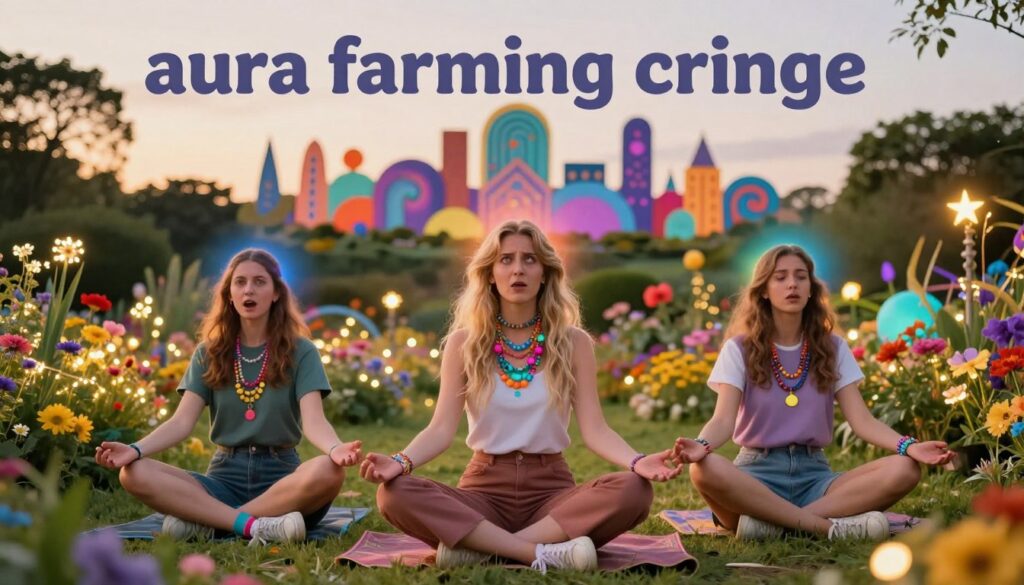
Authenticity wins. Whether in a game, a short video, or in life today, people reward calm confidence. When actions look practiced rather than natural, the vibe flips to cringe.
- Peers spot effort before the act lands and can call you out.
- In anime and games, truly cool characters never appear to be trying hard.
- Keep practice private; let small wins show without announcing them.
“The difference between cool and cringe is often whether your actions feel forced.”
To learn ways to steady your presence without showmanship, see channel your healing energy.
Conclusion
Learning to present yourself well is a tool — one that works best when it stays true to who you are.
Mastering aura farming is about balance. Track a few aura points if that helps, but keep your focus on real moments that feel rewarding.
Kids today face pressure to perform. Understanding this term can help them resist the urge of trying hard and choose a healthier way to show up.
True presence comes from steady confidence, not staged displays. Prioritize your happiness over chasing imagined points.
For practical practices that support calm presence and self-care, see this energy healing guide.
FAQ
What does "Aura Farming" mean for kids and teens?
It describes the act of deliberately building a personal vibe or image to gain social points, attention, or status among peers. Think of it as curating moments, style, and actions so others see you as cool or notable.
Where did the term come from?
The phrase traces back to gaming and anime communities where players collect “points” or presence. Over time, social media and youth culture adopted it to describe real-life behaviors that mimic those game mechanics.
What are "aura points" in simple terms?
They’re metaphorical social credits earned when others react positively to your look, confidence, or content. Likes, compliments, invites, and attention all function like those points in everyday life.
How do young people try to gain these social points?
Strategies include mastering a casual posture, choosing memorable outfits, sharing striking photos, or dropping well-timed comments. Small gestures—like a confident walk or a unique accessory—can also make an impression.
Can social media help build a strong presence?
Yes. Platforms such as Instagram, TikTok, and Snapchat reward consistent visual storytelling and clear aesthetic choices. Posting thoughtfully and maintaining a cohesive vibe helps signal identity to peers.
When does trying to boost one’s image become counterproductive?
It becomes cringe when actions feel forced, inconsistent, or too performative. Overediting, exaggerated poses, or copying trends without authenticity usually backfires and can lower perceived credibility.
What role does nonchalance play in this trend?
Acting effortless often reads as confidence. Genuine ease—rather than rehearsed behavior—tends to attract more positive reactions because it feels real and relatable.
Are there healthy ways to cultivate presence without losing authenticity?
Focus on subtle consistency: refine your style, pick hobbies you enjoy, and share moments that reflect who you are. Surround yourself with supportive friends and avoid chasing trends that clash with your values.
Is being known as an "aura farmer" a bad thing?
Labels vary by community. Some use it playfully to describe someone who pays attention to image; others use it critically. What matters most is intent—cultivating confidence is fine, but authenticity should stay central.
Can adults benefit from the same strategies teens use?
Absolutely. Clear personal branding, understated confidence, and thoughtful storytelling help in careers, networking, and creative fields. The tactics translate when used genuinely and appropriately.