

Remote viewing began as a term coined by Ingo Swann to name a way people can perceive distant targets without physical senses. This idea drew serious study. The Stargate Project, for example, got about $20 million in funding over two decades to test whether trained people could gather accurate information.
The skill is taught through a step-by-step process that helps a participant separate signal from noise during a session. With practice, a person can learn to collect useful data about places, people, or events. Some business leaders, such as Sony co-founder Akio Morita, credited similar intuitive hits with giving them an edge in decision making.
Whether you call it a remote view or another name, the key point is clear: this is a trained ability that relies on structure, discipline, and repeatable methods. To try basic exercises, see a short guide at remote viewing exercises.
Key Takeaways
- Ingo Swann coined the phrase; the idea has historical roots.
- The Stargate Project received major government funding for study.
- The skill uses a clear process to pull useful information in a session.
- Practice and structure help separate signal from noise.
- Business leaders have linked intuitive insight to competitive advantage.
Understanding Controlled Remote Viewing Terminology and Definitions
Precise wording and labels keep sessions focused and verifiable. In the CRV method, clear terms act as a training map that guides both student and monitor.
These phrases trace back to protocols developed by Ingo Swann and refined by Lyn Buchanan. They form a coordinate-based process that separates instinctive impressions from analytic noise.

Adhering to steps keeps results objective. Monitors use set markers to record what the viewer reports and to compare notes later. This helps confirm which impressions match the target.
- CRV refers to the specific protocol set used in many formal programs.
- Strict session rules support reproducible outcomes and verifiable feedback.
- Learning the terms is the first skill any student must master.
| Term | Purpose | Example Use |
|---|---|---|
| Coordinate | Labels the target without revealing details | Assigned before a session begins |
| Marker | Flags sensory hits during a session | Monitor notes timing and type |
| Analytic Overlay | Identifies biased theories from the mind | Stopped and recorded for review |
| Feedback | Verifies accuracy after a session | Used to train and improve skill |
The Origins of Remote Viewing
What began as informal reports of unusual perception became a structured program backed by federal money.
The Stargate Project
The Stargate Project was a U.S. government program that ran until 1995 and cost about $20 million. It aimed to test whether psychic abilities could aid intelligence work during the Cold War.
- The project explored psychic espionage and used coordinate remote methods to task subjects.
- Famous participants included Joe McMoneagle, who later received a Legion of Merit for his service.
Stanford Research Institute
At SRI, physicists Russell Targ and Harold Puthoff led early experiments in the 1970s. Ingo Swann was the first person tested; his successes helped shape formal testing methods.
These studies moved the field into repeatable protocol forms. Several books by authors such as Joe McMoneagle and Paul Smith give firsthand accounts of training and operational use.

Core Concepts of Consciousness
Consciousness frames how a person notices both ordinary sights and subtler impressions beyond the five senses.
Consciousness can be described as a state of wakefulness and awareness that allows the mind to gather useful information not tied to the body’s immediate input. The conscious mind focuses on the outside world while the subconscious holds deeper, abstract knowledge.
Many students use meditation and focused breath work to shift state. These practices quiet the analytic mind and open a channel to inner signals. The brain then sorts impressions more clearly.
Remote viewing uses this ability to transcend normal time and space so a viewer can perceive a distant place or thing. In practice, simple attention skills become the means to collect impressions with less bias.
“Intuition is the mind’s fast path to data the senses miss.”
- Conscious focus filters noise.
- Subconscious supplies broader patterns.
- People often report flashes of insight that mirror trained sessions.

| Concept | Role | Example |
|---|---|---|
| Conscious mind | Handles external focus | Noticing a scene with the eyes |
| Subconscious | Holds abstract knowledge | Dream images or sudden insight |
| Meditation | Alters awareness | Calms thought to access impressions |
Defining the Target
A clear target gives a viewer a focused gateway to collect usable impressions. Before any session begins, the task must be named so attention stays tight and testable.

Hard vs Esoteric Targets
Hard targets are concrete: a building, a vehicle, or a marked place on a map. These targets let a viewer report physical layout, materials, and spatial details.
Esoteric targets involve abstract events, a mood, or an idea. Descriptions may cover processes, intentions, or changes over time rather than fixed objects.
| Target Type | Example | Primary Focus |
|---|---|---|
| Hard | Industrial site | Shape, texture, location |
| Esoteric | Past event | Sequence, emotion, change over time |
| Hybrid | Person at a place | Both physical details and intent |
- The target site is the exact place the viewer attempts to describe.
- Report facts without prior knowledge to stay objective.
- By centering on a specific target, a viewer can move through time and space to log accurate data.
The Role of the Viewer
People who train as a remote viewer learn to record raw sensory cues before the mind builds a story. This helps keep reports factual rather than speculative.

A viewer is a person taught to gather impressions about a distant target without relying on ordinary five senses. Early uncertainty is normal; learners often feel ambiguity before clear hits appear.
Successful remote viewing asks for a balanced mindset. Combine curiosity with a measured scientific skepticism. That mix keeps notes useful and testable.
- Trust impressions: note sensory cues without naming the target.
- Stay neutral: avoid early identification or guesswork.
- Act as conduit: describe what comes, then let analysis follow later.
Many people show a natural degree of this ability, similar to musical talent that varies across individuals. For more on training and roles, see a practical guide for a remote viewer.
Understanding Tasking Protocols
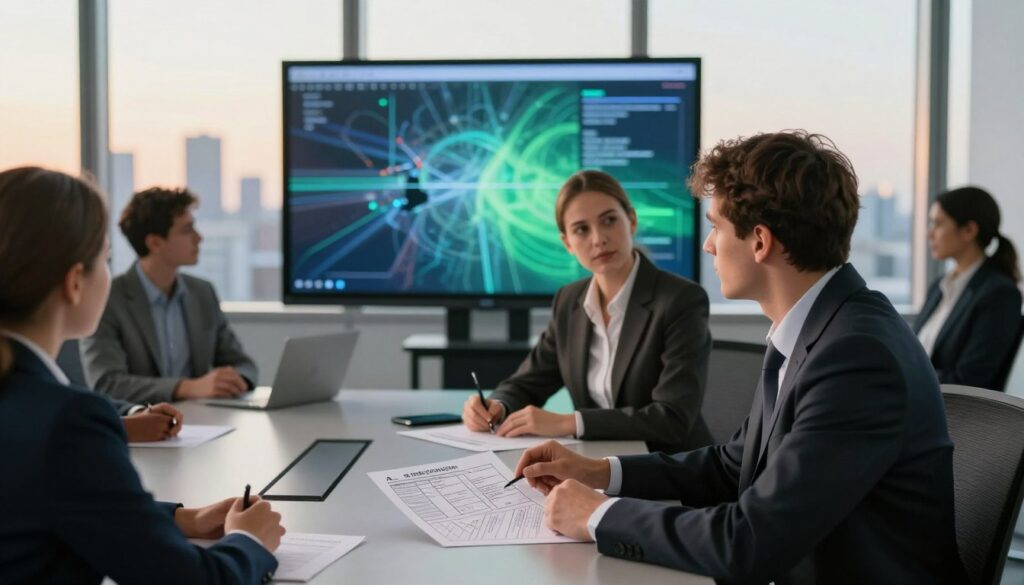
Tasking sets the frame for every session and protects results from bias. Clear procedures stop the conscious mind from seeding answers. A tight task prevents guesswork and keeps reports testable.
Double Blind Tasking
Double blind tasking means neither the monitor nor the viewer has access to briefing details. This removes cues that might shape impressions.
In practice, a sealed set of coordinates or an ID is used. The viewer records impressions without feedback until the end. This protects the integrity of the session.
Neutral Wording
Neutral wording keeps prompts free of hints. Use plain labels and avoid descriptive hints about location, purpose, or scale.
One person writes the task using neutral steps. A second person loads the series for testing. The viewer focuses for a fixed time and logs impressions without naming the object.
| Step | Purpose | Example |
|---|---|---|
| Assign ID | Mask the target | Numeric code only |
| Deliver Prompt | Keep wording neutral | “Describe this ID” |
| Timed Focus | Limit exposure time | Five minutes per run |
| Record & Compare | Preserve raw data | Notes before feedback |
In-Session Sensory Impressions
During a session, sensations often arrive as brief textures, colors, or sudden physical cues rather than full pictures. A viewer should note these raw hits without forcing a label.
What to record first: temperature, texture, color tones, smells, and basic emotions tied to the target site. These fragments form the initial gestalt.

How impressions shape the report
Impressions are often symbolic and fuzzy. Start by describing the place or thing as a whole before chasing specifics.
Write single words or short phrases. That creates a clear set of data for later analysis and avoids premature guessing.
“Trust the crude hits first; clarity often comes after feedback.”
- Kinesthetic cues: weight, pressure, motion.
- Auditory cues: distant hums, tones, rhythms.
- Visual fragments: shapes, color swatches, light quality.
Feedback is essential. Comparing impressions to confirmed results trains the viewer to turn vague signals into useful information in future sessions.
Managing Analytical Interference
Keeping the mind quiet is central to accurate results. Before H3 topics, note that most errors in a session come from quick judgments the brain makes to explain sensations. These judgments mask raw data and reduce reliability.
Analytical Overlay
Analytical overlay (AOL) happens when the conscious brain tries to name or explain an impression too soon. This leap creates confident but wrong statements.
Watch for long arguments in your head. Pause, note the feeling, then return to simple descriptors like texture, color, or temperature.
Castle Building
Castle building is the habit of stitching impressions into a neat story. It feels satisfying but often adds false detail that was never sensed.
Mark these stories in your notes as hypotheses, not facts. That keeps the raw hits pure for later review.
Doorknobbing
Doorknobbing is a last-second label offered as a session ends. This quick conclusion is usually analytic and unreliable.
Instead, treat final lines as possible leads to test, not the definitive result. Make that part of your protocol.

Practical steps: train yourself to set aside early stories, hold attention on sensory fragments, and tag any interpretive notes. With steady practice, CRV students learn to separate signal from noise and make each session more useful.
The Importance of Feedback
Feedback is the information given to the viewer after the official end of a session. It shows which impressions matched the intended target and which came from the mind’s guesses.
Good feedback is part of a clear learning process. It helps the viewer test raw notes against reality and see patterns in accuracy. That review turns isolated hits into repeatable skill.
Regular feedback is core to training. With steady practice, a person learns to spot analytic interference faster. Over time the viewer calibrates the sense of true signal versus imagination.

- Timing: feedback only after the run ends to avoid bias.
- Clarity: show concrete matches and mismatches.
- Consistency: repeat reviews to build recognition skills.
“Feedback turns impressions into learning.”
| Element | Why it matters | Example |
|---|---|---|
| Timing | Prevents cueing during the session | Release target after the end |
| Specifics | Shows what matched the notes | Point out accurate textures or shapes |
| Frequency | Builds skill through repetition | Weekly reviews as part of training |
For practical exercises that pair feedback with energy work, see a short guide on how to send healing energy.
Data Recording and Management
Accurate session outcomes start with disciplined record-keeping. Good data habits turn scattered sensations into useful information that trainers and researchers can trust.

The GIGO principle — Garbage In, Garbage Out — is simple: poor inputs yield poor results. If notes are vague or edited after the fact, the final analysis will be unreliable.
GIGO Principle
Every piece of data gathered during a run must be logged as it appears. Keep entries brief: single words, short phrases, and timestamps.
- Record immediately: capture sensations before the analytic part of the brain alters them.
- Keep a complete record: note context, target ID, and any interruptions.
- Use databases: proper management lets teams analyze trends across many sessions.
By treating record-keeping as a regular part of training, viewers can track progress and spot which target types yield the best results. Over time, this builds real skill and measurable improvement.
Scientific Validation and Research
Careful experiments over years asked whether a person can sense a distant place or event under strict controls.
The PEAR Lab at Princeton ran two decades of research showing human intention can affect random systems. That work linked consciousness to measurable deviations from chance.
Government programs also tested these abilities. The Stargate program, declassified in 1995, revealed many years of funded study to see if psychic skills could aid intelligence work.
Independent analysts strengthened the case. Statistician Jessica Utts reviewed government studies and concluded that psychic functioning meets standards used in other science fields.

Researchers at SRI and SAIC reported effects that resist simple explanations like fraud or design flaws. Dean Radin later used meta-analysis to show a consistent, if small, effect across many studies.
Most studies find the ability is distributed across people. That means many subjects show a modest but repeatable signal rather than one person being uniquely gifted.
Results matter: taken together, the program work, lab reports, and meta-analyses argue that this topic deserves careful, open study. For broader context on psychic research and practice, see a short guide to psychic powers.
Advanced Viewing Techniques
Experienced practitioners use layered methods to widen their perceptual aperture and reduce guesswork.
Ingo Swann developed the six-stage CRV system to help a person separate signal from noise during a session.
That structured process trains attention and consciousness so impressions arrive as clear fragments, not rushed stories.

Coordinate remote methods let a viewer focus on a numeric ID to access information about a place in time and space without physical proximity.
Practice, simple meditation, and consistent feedback are the means that turn the process into skill. Many books by program authors explain these stages in detail for students and researchers.
“Open the aperture of the mind, then hold attention without making quick labels.”
| Technique | Purpose | Practice |
|---|---|---|
| Six-stage CRV | Structure impressions | Progressive training runs |
| Coordinate method | Mask target identity | Numeric prompts |
| Meditation focus | Quiet analytic noise | Short daily sessions |
To pair energy work with feedback and practice, see a short guide on how to send healing energy.
Common Session Challenges
A viewer’s physical state often sets the ceiling for any session’s clarity and endurance.
Physical inclemencies can include illness, fatigue, or sudden pain. These conditions drain focus and shorten useful attention spans.
When discomfort appears, note it immediately in your log. Record the issue, pause briefly, then use breathing or a short break to return to neutral.

Physical Inclemencies
Environmental distractions—noise, temperature swings, or interruptions—also reduce quality. A noisy room makes sensory hits harder to trust.
- Manage surroundings before a run: remove clutter, mute devices, and check lighting.
- Use short grounding rituals to reset attention after breaks.
- Build resilience through steady practice and consistent protocols.
Professional viewers learn to log issues rather than erase them. Over time, tracking interruptions improves session results and helps trainers spot patterns.
“Small habits—rest, hydration, and a quiet space—pay off in clearer reports.”
The Role of the Monitor
The monitor acts as a steady person who holds structure while a viewer gathers impressions. In a session the monitor preserves raw information, times runs, and keeps notes so results stay testable.
The monitor guides the viewer through protocol steps and uses neutral prompts to prevent analytic bias. They avoid leading questions and focus on short, clear cues that protect the integrity of the target report.
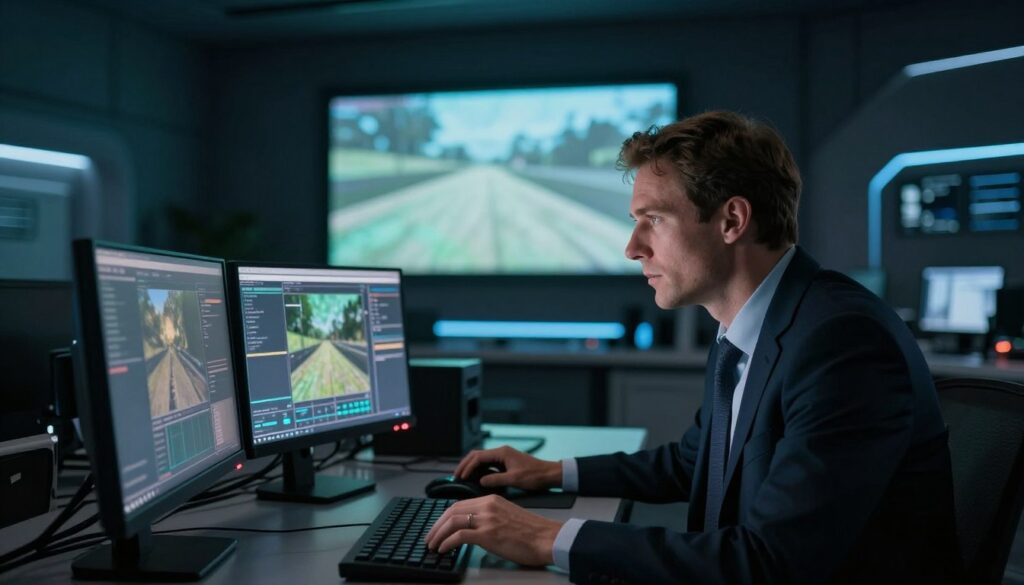
Recording is a core duty. A monitor captures timestamps, sensory words, interruptions, and any emotional shifts the viewer reports. This record turns subjective hits into material trainers can evaluate.
In historical programs, a skilled monitor managed tasking, maintained objectivity, and ensured the person stayed calm through each run. Their discipline often matched the viewer’s own ability in importance.
“A neutral, attentive monitor keeps a session honest and a report useful.”
- Guide protocol and timing.
- Ask nonleading prompts to reduce analytic overlay.
- Log data clearly and protect the viewer’s state.
Ethical Considerations in Practice
Ethics shape how practitioners handle impressions about real people or places. Work that gathers information must protect privacy and respect the rights of any person tied to a target.

Consent and harm avoidance come first. Do not use abilities to pry into sensitive matters for profit, espionage, or harassment.
Many modern programs borrow guidelines from earlier government work to keep processes transparent. These rules require clear record keeping, neutral prompts, and feedback only after the end of a session.
Practitioners should log data carefully and note when impressions may affect another person’s rights. That record becomes part of ethical review and training.
“Use any gained information as a learning tool, never as a means to exploit a person or place.”
| Concern | Practical Step | Why it Matters |
|---|---|---|
| Privacy | Obtain consent or avoid personal targets | Protects individuals and legal rights |
| Transparency | Keep clear session records | Enables accountability and review |
| Purpose | Define ethical use before work | Prevents misuse for espionage or harm |
| Adaptation | Update rules as consciousness research grows | Keeps practice aligned with new findings |
As studies of the mind and consciousness evolve, ethical frameworks must adapt. Regular training, clear policies, and a culture of respect keep practice useful and responsible.
Conclusion
Finally, the overview shows how structure, training, and feedback combine to yield reliable results.
This glossary aimed to map the core language and steps used in practice. By learning the coordinate remote approach and the six-stage crv method, students gain a clear path for skill development.
Careful study supports the claim that subtle abilities appear across many people. Consistent results come from steady practice, honest logs, and routine feedback.
Approach this work with curiosity, solid ethics, and patient discipline. That mix gives the best chance to turn impressions into testable, useful findings.
FAQ
What is the glossary for Controlled Remote Viewing?
The glossary collects essential terms used in the practice and study of CRV. It covers items such as target, viewer, session, coordinate tasking, sensory impressions, feedback, and data management. The list helps students, researchers, and practitioners learn consistent language for training and reporting.
How did this form of perception research begin?
Interest rose during the Cold War when government and private labs funded programs to test nonordinary perception. Projects at institutions like Stanford Research Institute and later government programs explored protocols, monitoring, and ways to validate results under controlled conditions.
What was the Stargate Project?
Stargate was a U.S. government program that evaluated psychic functioning for intelligence applications. It consolidated multiple research efforts, standardizing methods, session logs, tasking approaches, and validation processes aimed at producing reliable actionable data.
What are core concepts of consciousness relevant to this practice?
Key ideas include attention management, the distinction between sensory impressions and analysis, state shifts of awareness, and the role of intention. These elements shape how a practitioner perceives target information and how it is recorded and interpreted.
How is a "target" defined?
A target can be a place, person, object, event, or concept designated for a session. Targets are often anonymized and coded to prevent bias. Tasking may use coordinates or other neutral markers so the viewer focuses on impressions rather than known details.
What’s the difference between hard and esoteric targets?
Hard targets are concrete: a building, vehicle, or geographic site. Esoteric targets are abstract, such as emotions, future scenarios, or symbolic meanings. Methods for assessing accuracy vary by type and may require different feedback and validation tactics.
What does the role of the viewer involve?
A viewer enters a session with training in protocol, attention control, and data recording. They report sensory impressions, sketches, and descriptive data while avoiding analytical leaps. The process emphasizes disciplined practice and clear documentation.
What are typical tasking protocols?
Protocols include single-blind or double-blind tasking, coordinate-based cues, and neutral wording to avoid leading the participant. Proper tasking reduces bias and helps ensure session results are more objective and testable.
What is double-blind tasking?
Double-blind tasking hides target identity from both the viewer and the session monitor who interacts with the viewer. An independent party prepares the target and later provides feedback. This setup strengthens experimental control and credibility.
Why is neutral wording important in tasking?
Neutral wording prevents suggestion and minimizes the viewer’s tendency to fill gaps with assumptions. Clear, concise prompts that avoid descriptive hints preserve the integrity of impressions and improve the quality of recorded data.
What kinds of impressions occur in-session?
Session reports typically include visual impressions, textures, sounds, smells, spatial relationships, and the sense of energy or emotion. Viewers separate raw inputs from analytical labels to keep reports grounded in direct experience.
What is analytical interference and how does it show up?
Analytical interference happens when the mind interprets or rationalizes impressions too early. It can produce confident but incorrect statements, mental stories, or associations that mask true input. Recognizing and sidelining analysis preserves session clarity.
What is analytical overlay?
Analytical overlay refers to added narrative, guesses, or labels that a viewer applies to an impression. It often appears as definitive statements that go beyond sensory detail and can mislead the monitor or evaluator.
What does "castle building" mean in sessions?
Castle building describes when a viewer imagines elaborate scenarios to explain sparse data. The mind fills blanks with coherent but unsupported stories. Training helps detect and halt this tendency to protect result accuracy.
What is doorknobbing in the context of a session?
Doorknobbing is a metaphor for seeking familiar cues or easy labels instead of staying with raw impressions. It often leads to cliché or comfortable answers that may not match the target and reduces the usefulness of data.
Why is feedback important?
Feedback confirms accuracy, teaches pattern recognition, and helps viewers calibrate their perceptions. Proper feedback is timely, specific, and presented in a way that preserves learning while avoiding leading the participant in future sessions.
How should data be recorded and managed?
Sessions require clear logs, sketches, timestamps, and metadata such as tasking method and monitor notes. Good data handling follows the GIGO principle: garbage in, garbage out. Accurate records support validation and repeatability.
What does the GIGO principle mean for practice?
GIGO reminds teams that poor tasking, sloppy recording, or biased feedback produces unreliable outcomes. High-quality inputs, strict procedure, and careful archiving yield the best chance of meaningful results.
Has scientific research validated these methods?
Research has produced mixed outcomes. Some studies reported statistically significant results under rigorous controls, while others found weak effects. Ongoing peer-reviewed work examines protocols, replication, and how to reduce experimenter effects.
What advanced techniques exist for experienced practitioners?
Advanced work focuses on layered protocols, extended series, cross-checking by multiple viewers, and integrating analytic methods to triangulate data. Practitioners also refine attention skills, body awareness, and feedback processing.
What common session challenges arise?
Challenges include environmental distractions, fatigue, emotional disturbance, physical inclemency, and strong analytical interference. Preparing a quiet space, scheduling sessions thoughtfully, and using breaks help mitigate problems.
How does physical inclemency affect sessions?
Poor lighting, temperature extremes, noise, or discomfort lower focus and increase errors. Attention to the physical setting improves concentration and the quality of impressions collected during a session.
What is the role of the monitor?
The monitor supports the viewer by enforcing protocol, recording data, offering neutral prompts, and managing timing. A skilled monitor maintains objectivity, prevents leading cues, and facilitates accurate documentation.
What ethical issues should practitioners consider?
Important concerns include consent, privacy, responsible use of findings, and avoiding harm. Practitioners must respect subjects, ensure voluntary participation, and use results in ways that follow legal and ethical standards.