
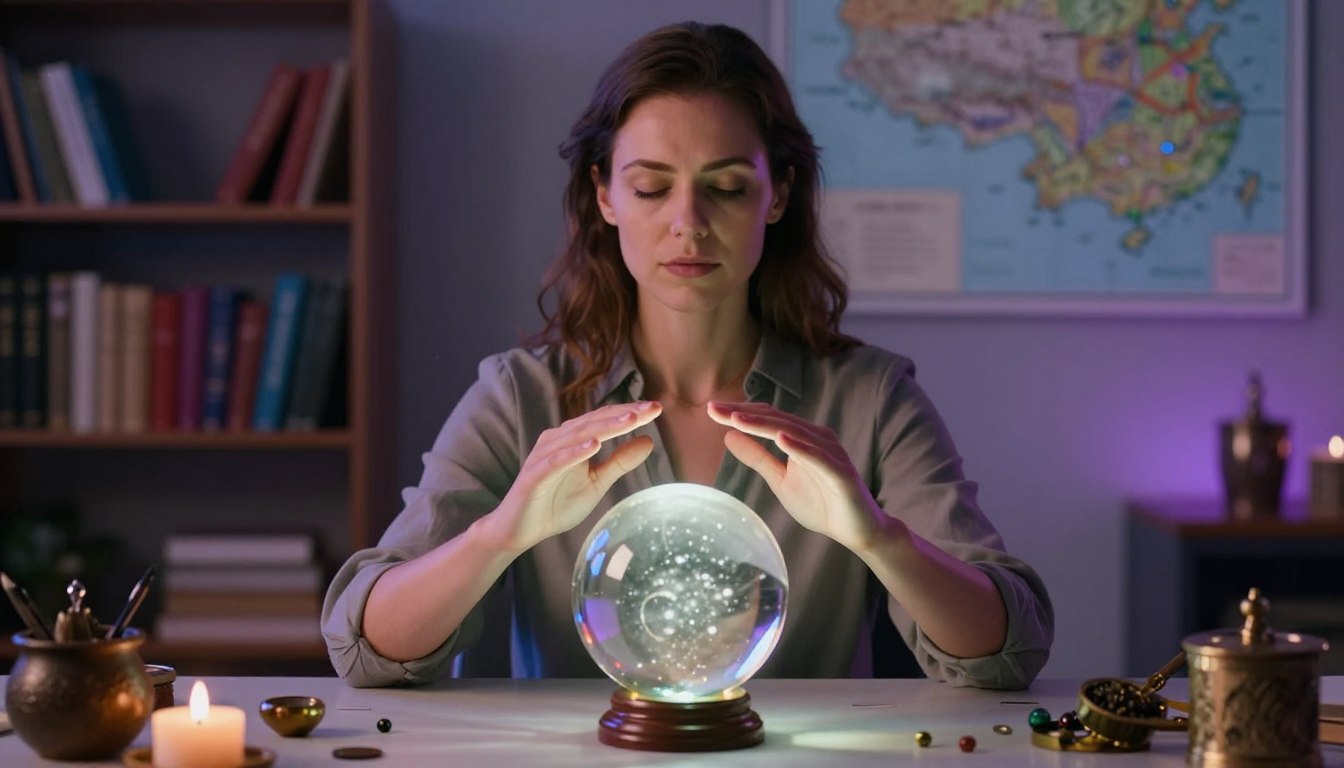
Remote viewing blends science, history, and a curious view of the human mind. The Stanford Research Institute led early studies during the Cold War. Those projects showed a structured protocol could let a person perceive distant targets beyond normal senses.
Researchers like Ingo Swann helped prove that human consciousness might not be limited to the body. The U.S. government funded classified programs inside the national defense budget for decades.
This short guide explores protocols such as CRV and the boundaries they test. You will find clear steps, research notes, and practical exercises, including remote viewing exercises, that aim to unlock potential human mind skills.
The goal is simple: present evidence, share methods, and invite curious readers to examine this mystery with an open, critical view.
Key Takeaways
- Remote viewing is a structured, trainable skill with historical backing.
- SRI and Ingo Swann played central roles in early research.
- Government programs treated this science as a defense asset.
- Human consciousness may reach beyond physical space and time space limits.
- Controlled protocols like CRV offer repeatable ways to explore perception.
Understanding the Foundations of Remote Viewing
Project Stargate shows a clear link between defense planning and the study of unusual perception. The U.S. Army funded this program for roughly twenty years to test whether trained people could gather useful information beyond usual sensors.
The Military Origins of Project Stargate
At the Stanford Research Institute, physicists Harold Puthoff and Russell Targ created repeatable experiments. Their work formalized protocols that turned spontaneous impressions into a teachable state.
Defining the Scope of Non-Local Perception
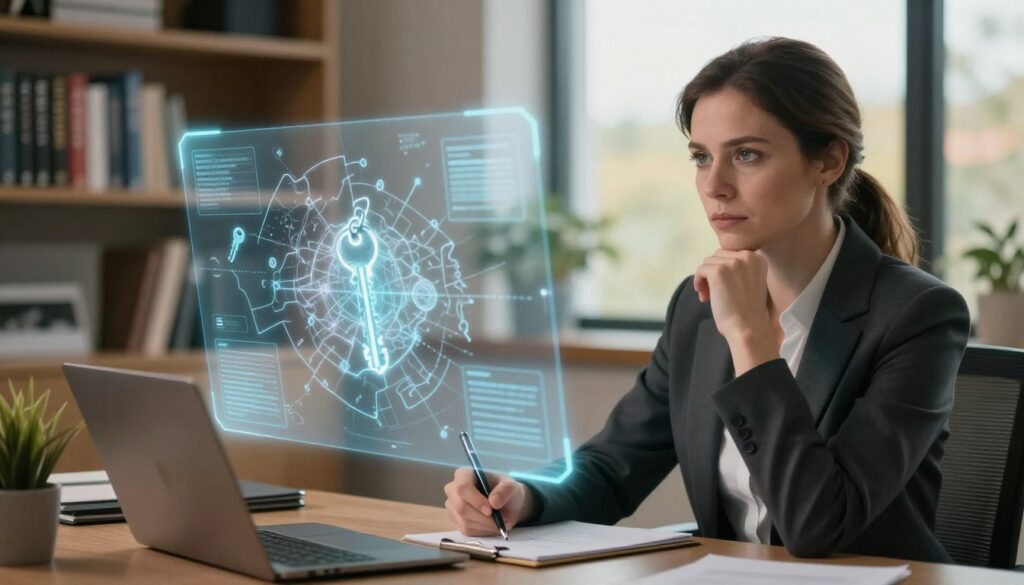
Controlled remote viewing aimed for standard steps so a viewer could report data across space and time. Ingo Swann’s accurate description of Jupiter’s rings—later confirmed by NASA—gave these methods credibility.
The subconscious mind plays a key role in filtering signals and presenting usable impressions. This history shows that the human mind may hold broader capabilities than once thought.
For readers curious about related psychic methods, see an accessible primer on clairvoyant practice — exploring clairvoyant abilities.
How to do controlled remote viewing for lost objects
A short, focused routine helps a viewer enter the right state before attempting a target.
Begin with five to ten minutes of quiet preparation. Breathe, relax the body, and clear the mind of plans. Then take a pen and paper and make an ideogram — a spontaneous mark that begins the signal line.

Follow a strict process that reduces analytical guesses. Record impressions in short phrases, sensory notes, and sketches. Feedback after each session trains the mind to trust incoming data and improves accuracy over time.
Apps such as Verevio provide thousands of verified targets for practice. Use that database to build skill with consistent sessions and measured feedback. The U.S. Army used similar protocols in real investigations, which shows the method can work in practical settings.
- Start with ideogram, then expand sensory impressions.
- Keep notes brief and nonjudgmental.
- Seek feedback and track progress over weeks of practice.
| Stage | Action | Benefit |
|---|---|---|
| Preparation | 5–10 minutes of clearing and focus | Reduces mental noise, improves contact |
| Initiation | Ideogram on paper | Creates the signal line for impressions |
| Feedback | Compare results with target data (Verevio) | Reinforces accurate data and refines skill |
Training builds discipline and helps separate imagination from genuine impressions. For related energetic practices and guiding techniques, see this brief primer on sending healing energy: a short healing-energy guide.
The Role of the Subconscious in Target Acquisition
When chatter in the head fades, the subconscious supplies sharper sensory hints about distant targets.
The subconscious mind is the main source of raw impressions during a session. A viewer must learn to receive these signals without letting the critical mind change them.
Clearing Analytical Overlay for Better Results
Analytical Overlay (AOL) happens when logic or expectation intrudes on incoming data. That guessing breaks the flow and lowers accuracy.
Clearing AOL is a core step in the CRV process. Simple cues, short breaths, and neutral labeling of impressions help keep the mind quiet.
- The subconscious mind stores sensory fragments that form the basis of target data.
- Removing analytical guesses preserves objectivity in the viewing state.
- Training the mind to stay receptive improves consistent acquisition of information about a target.

| Aspect | Practical Step | Result |
|---|---|---|
| AOL recognition | Pause, note the thought, let it go | Reduces false guesses |
| Receptive state | Five minutes of quiet focus | Clearer sensory data from the subconscious |
| Feedback | Record impressions, compare later | Refines trust in genuine data |
Mastering this balance between conscious and subconscious boosts the viewer’s ability to gather accurate information. For more on expanding inner skill, see unlocking psychic powers.
Advanced Stages of the Viewing Process
Advanced stages shift the work from basic impressions to building a fuller sense of the target. This phase asks the viewer to layer raw sensory inputs into a coherent model.
Sensory Data Acquisition
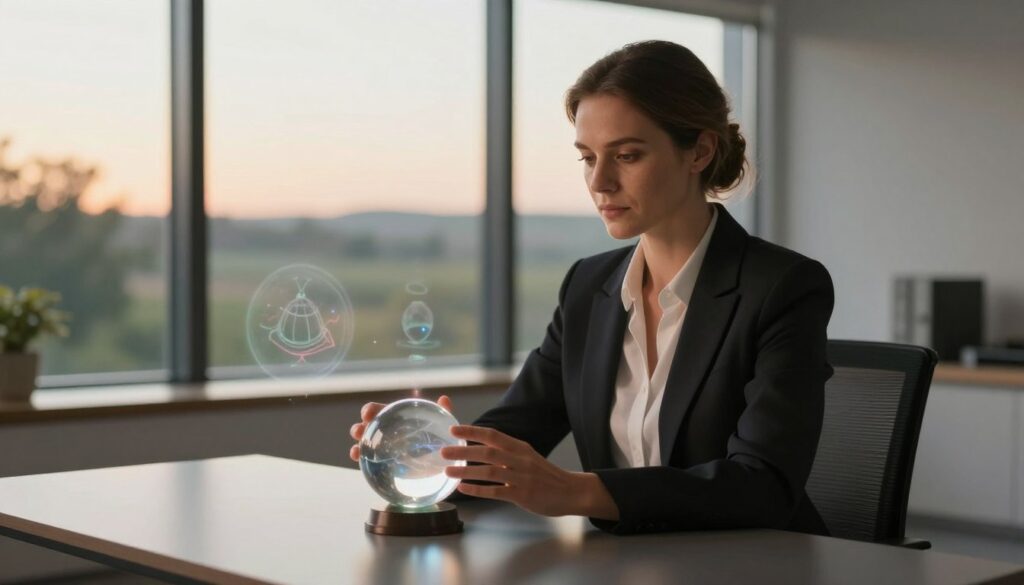
Start by noting raw sensations: texture, temperature, and color before naming the target. These details form the most reliable information and reduce guessing.
Record brief notes about smell, weight, and surface. The goal is neutral reporting so the subconscious mind can supply richer cues without interference.
Sketching and Structural Mapping
Use quick sketches on paper to lock in shape and scale. You need no artistic skill; simple lines and angles give structure.
Stage 6 often asks the viewer to imagine a three-dimensional model, similar to shaping a small sculpture in the mind. That practice shows the potential of the human mind in target reconstruction.
The Feedback Loop
The final step compares notes and sketches with the real target. Feedback trains the brain and improves each future step in the process.
- Focus on sensory data to build detail.
- Map shapes on paper to anchor impressions.
- Use feedback to refine training and boost accuracy.
For related energetic practices that support this training, consider a short guide on sending healing energy.
Final Thoughts on Mastering Your Perception
Learning to notice subtle impressions, opens a path toward greater understanding of consciousness and the potential within each person.
Regular practice sharpens the mind and broadens what you accept as useful information across time and space. Gentle discipline and honest feedback help this growth.
Whether aiding investigations into missing persons or exploring distant phenomena, remote viewing can be a practical tool. Use it as a safeguard against modern misinformation and as a means to expand your capabilities.
Every session matters. Keep a log, track progress, and consider learning more about how experienced practitioners work by exploring how to become a psychic detective. Over time, potential widens and understanding deepens.
FAQ
What is the basic idea behind Controlled Remote Viewing (CRV) used to locate misplaced items?
CRV is a structured mental protocol that guides a trained viewer through focused perception beyond normal sensory channels. Practitioners use stepwise procedures to quiet analytical thoughts, access impressions from the subconscious, and record sensory-like data about a target. The process emphasizes discipline, clear protocols, and feedback cycles to refine accuracy when searching for misplaced objects or persons.
Where did modern methods of non-local perception originate?
Systematic research into non-local perception gained public attention through programs like the U.S. Army and CIA-sponsored Project Stargate. Researchers such as Russell Targ and Harold Puthoff explored distant perception in laboratory settings, documenting protocols and casework that informed later civilian training. These efforts shaped protocols and terminology used in contemporary practice.
What limits define the scope of non-local perception techniques?
Non-local perception is not a substitute for physical search methods. It offers informational leads—sensory impressions, spatial cues, and symbolic elements—that must be corroborated with empirical checks. Environmental complexity, viewer training, and confirmation bias affect results. Ethical use and critical verification are essential to avoid misinterpretation.
Can anyone learn the protocol and achieve reliable results?
Many people can learn the protocol and improve with regular practice. Success depends on disciplined training, feedback, and a willingness to follow structured steps rather than relying on intuition alone. Some individuals develop stronger aptitude, but practice and mentoring raise baseline capability for most learners.
What steps reduce analytical interference during a session?
Clearing analytical overlay starts with simple relaxation and breath control, followed by repeating neutral cues and using target identifiers that avoid descriptive labels. Viewers note raw impressions without immediate explanation, use simple sketches, and mark uncertainties. These steps help keep conscious assumptions from shaping the incoming data.
How do sensory data acquisition stages work in the protocol?
Early stages focus on general impressions—temperature, texture, and spatial layout—before moving to detail. Viewers capture sensory-like descriptors (visual, auditory, tactile) and emotional tones. The protocol separates stages so broad characteristics guide attention, then successive passes add clarity and specificity.
What role do sketches and structural maps play?
Sketching translates vague impressions into physical form. Structural maps help viewers organize spatial relationships and landmarks associated with the target. Simple diagrams reduce memory decay, provide anchors for later validation, and create a record that investigators can compare with real-world searches.
How does feedback improve future searches?
Feedback verifies which impressions matched reality and which did not. Accurate confirmation reinforces effective techniques and helps identify consistent biases. Review sessions refine a viewer’s approach—tightening protocols, adjusting sensory focus, and improving note-taking—to boost reliability over time.
Are there ethical concerns when applying these techniques to missing persons?
Yes. Using perception methods with sensitive cases requires consent, coordination with authorities, and clear boundaries. Such techniques should complement official investigations, not replace them. Respect for privacy and proper legal procedures is essential to avoid harm or false leads.
What materials and environment best support practice?
A quiet, uncluttered space with minimal interruptions works best. Viewers use neutral paper, pencils, a simple timer, and standardized session forms. Consistency in environment and tools helps reduce extraneous variables and supports repeatable results.
How long does it take to see meaningful improvement?
Improvement varies by person and practice frequency. Some notice clearer impressions within weeks of disciplined practice and feedback; others take months. Regular short sessions, structured coaching, and careful review accelerate progress more than sporadic attempts.
Can scientific methods evaluate these practices?
Yes. Controlled experiments, blinded targets, and rigorous statistical analysis help measure performance beyond chance. Past government research applied such methods with mixed results; ongoing studies and transparent data sharing remain important for evaluating capability and limits.
What are common pitfalls newcomers should avoid?
Newcomers often overinterpret vague impressions, skip feedback, or neglect protocol discipline. Emotional investment in specific outcomes and lack of systematic record-keeping reduce effectiveness. Sticking to simple steps, honoring uncertainty, and maintaining a learning mindset prevent common errors.
Where can someone find credible training or further reading?
Look for established instructors who teach structured protocols and provide feedback. Books and papers by researchers involved in early programmatic work, plus peer-reviewed studies on perception and cognition, offer context. Joining practice groups and attending workshops helps build skill under guidance.