

Welcome. This Ultimate Guide explains what does the hierophant tarot card mean and its place in the major arcana. Readers will find clear, practical insight into a figure who sits in a formal church setting with a triple crown, triple cross, keys, and two acolytes. These images show how tradition, values, and guidance are passed from mentor to community.
Upright readings often point to institutions, rituals, and tested frameworks that deliver wisdom and stable knowledge. In contrast, a reversed turn can push toward nonconformity and reclaiming personal power.
This section previews symbolism, role in the deck’s story arc, and real-world uses like mentorship, group learning, and ethical frameworks. You will also find practical reading tips and links to related study, such as a focused look at practice and skill-building on Eight of Pentacles.
Key Takeaways
- The guide defines the card’s meaning within the major arcana and daily readings.
- Symbolism (triple crown, cross, keys, acolytes) shows transmission of knowledge.
- Upright = tradition, mentorship, community; reversed = new methods, personal truth.
- Practical value in career, love, finance, rituals, and ethical choices.
- Friendly, accessible tone welcomes beginners and deepens veteran practice.
Quick Overview: The Hierophant in the Major Arcana
In the major arcana, this figure acts as a steady guide, translating shared rituals into clear rules for seekers.
Role and function: As a stabilizing figure, it formalizes insight into shared tradition and gives readers a sense of orientation in the world. This placement in the major arcana points to social order, authority, and the value of tested systems.
Upright themes: Tradition, knowledge, beliefs, and values come forward. Following established rules can feel empowering because it taps into group wisdom and proven methods.
Reversed contrast: At a glance, reversal signals rebellion and new methods. It honors autonomy and urges experimentation when old ways no longer serve.
Practical notes: The card often shows the right time to seek guidance, join a community, or learn inside an institution. Learning from others saves time and lowers risk, offering safety when stakes are high.
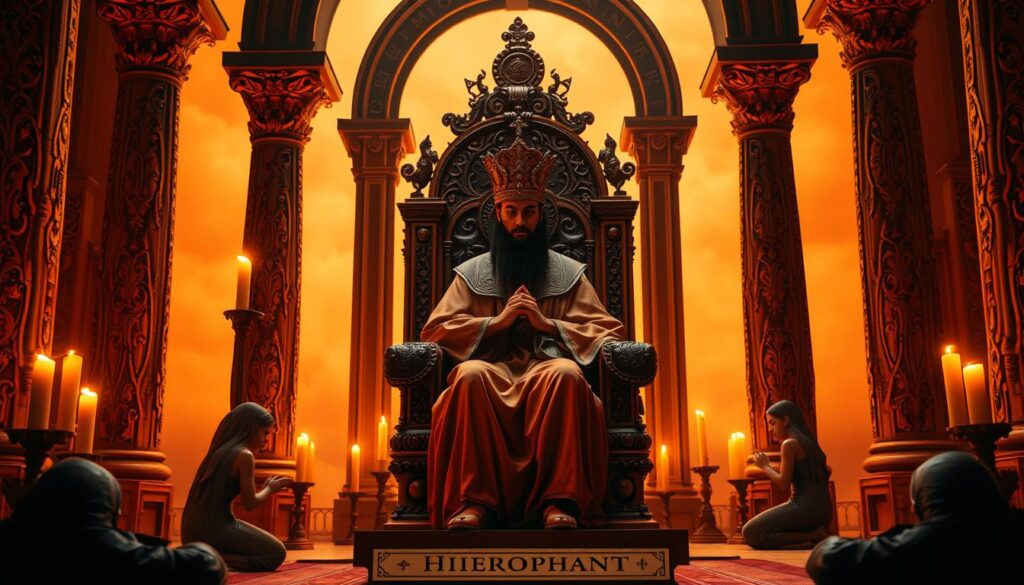
- Teacher figure with clear authority when order and support are needed.
- Suggests ethical frameworks for decisions in personal and professional life.
- Prepares you for deeper looks at imagery, upright and reversed readings, and applied tips ahead.
Card Imagery and Symbolism at a Glance
Look closely and the imagery maps out how wisdom moves between institutions and daily life.
Triple crown and triple cross: The triregnum and triple cross mark authority across three realms — church, world, and heaven. This figure acts as a mediator, linking spirit, institutions, and everyday choices.
Keys and acolytes: Crossed keys signal access and custodianship. They point to responsibility for sacred things and a duty to open or close pathways. Two acolytes show how knowledge passes from teacher to students and supports continuity in groups.
Pillars, roses, and lilies: Pillars named Law and Liberty (or Mercy and Severity) frame a balance between order and compassion. Red roses and white lilies offer a quick visual of physical life and spiritual purity in harmony.
Rulership and titles: Taurus gives this figure steady temperament and respect for tested methods. Some decks label this role as Pope or High Priest, while a brief nod to the high priestess shows complementary intuition versus articulation.

- Symbols communicate wisdom without words, aiding quick reads.
- Structures support values and order rather than gatekeeping status.
What Does the Hierophant Tarot Card Mean
This figure often appears when systems, mentors, and ritual help turn belief into useful steps for daily life.
Teacher and mentor role: The hierophant card points to a teacher who translates sacred wisdom into simple, repeatable actions. This creates a clear connection between spiritual insight and everyday choices.
Honor what works first. Learning within a structured path gives skills and context that protect you from avoidable mistakes. Then you can invent with confidence.
Guidance in uncertain times: When you feel lost, this role highlights sources of knowledge and ethical frameworks that last. Seeking a mentor or joining a learning group speeds growth and keeps integrity intact.

Rituals and ceremonies provide rhythm and shared meaning during big shifts. They anchor life changes and help communities pass on wisdom.
Shadow side: Structures can calcify. If rules stop serving people, the reversed view warns against blind obedience and urges healthy reform.
See this symbol as support, not control. It can also invite you to teach—share knowledge thoughtfully and ethically.
- Validates choices tied to values and long-term stability.
- Encourages mentorship, education, and community learning.
- Previews applied readings in love, career, and money—learn more in the upcoming sections or explore a related emotional guide like King of Cups guide.
Upright Meaning: Values, Structure, and the “Tried-and-True” Path
Upright energy encourages choosing established paths that match personal ethics and group norms.
General guidance: Follow tested processes and supportive structures when you need clarity. Aligning your values with community practices reduces friction and gives a steady sense of order.
Love upright: Expect safe partnerships and shared beliefs. This reading often points to marriage potential or a relationship that feels comfortable within social traditions.
Career upright: Success rises through teamwork, training, and mentorship. Formal education or a trusted program can speed progress and boost real-world skills.
Finances upright: Favor conservative moves and traditional institutions for stability. Keep funds in reputable banks, avoid gambling, and choose low-risk plans to protect long-term goals.

- Lean on community and rituals to reduce decision fatigue.
- Prioritize order and consistent routines that support integrity.
- When unsure, follow established steps and document choices for clarity.
Reversed Meaning: Challenging the Status Quo
A reversed reading invites you to question outdated systems and test new ways that better fit your life.
General guidance
Non-conformity and reclaimed power: Feeling boxed in by too many rules often signals a need to change course. Try small experiments before you overhaul everything.
Love reversed
Stale dynamics or misaligned values show up as boredom, secrecy, or taboo behavior. Talk openly about needs and boundaries to restore authenticity in relationships.
Career reversed
Bureaucracy, stifling procedures, and peer pressure can drain motivation. Set firm limits and use creative tactics to solve blocked projects or unfair norms.
Finances reversed
Explore new systems and calculated risks while keeping reserves intact. Diversify slowly and only invest time or money you can afford to test.
- Timing tip: move when rigid processes stop progress or drain energy.
- Keep traditions that protect core values; shed those that limit growth.
- Try a quick spread to separate useful norms from stifling constraints.

| Area | Signs | Action | Outcome |
|---|---|---|---|
| Love | Stale ties, clashing values | Open talk, boundary work | Renewed honesty |
| Career | Bureaucracy, peer pressure | Set limits, innovate | Clearer role, less drain |
| Finances | Outdated systems, fear | Small tests, diversify | Greater resilience |
| Timing | When progress halts | Plan safe trials | Measured change |
For a focused read on patience and measured growth, see a related spread on Seven of Pentacles.
The Hierophant’s Archetype: From Pope to Wisdom Keeper
This archetype traces a long line from ceremonial leaders to modern keepers of shared wisdom.
Etymology: The name comes from a Greek phrase meaning “to reveal the holy.” Historically it tied to initiatory roles, like those in the Eleusinian Mysteries. Over time, the image shifted from strict papal authority to a more inclusive Wisdom Keeper.
The figure acts as a teacher who helps others fold beliefs and knowledge into daily life. This role favors guidance that builds competence and independence rather than dependence.

Community wisdom versus gatekeeping
Healthy authority shares access and lowers barriers. Gatekeeping hoards power and limits growth.
- Traditions are living practices that change while honoring lineage.
- Examples: rituals, study circles, service, and mentorship that pass community memory.
- In crisis, this part of the deck stabilizes life by transmitting tested methods.
| Aspect | Healthy | Unhealthy |
|---|---|---|
| Authority | Transparent, empowering | Closed, status-driven |
| Practices | Adaptive traditions | Rigid rules |
| Outcome | Shared knowledge, strong community | Stifled growth, hoarded power |
Takeaway: Seek leaders who teach with integrity and clarity. When knowledge is shared, others become self-sufficient and the world gains resilience.
High Priestess vs. Hierophant: Intuition and Understanding
Intuition and instruction form a pair that guides inner knowing into shared practice.
Receiving vs. articulating: The high priestess listens to subtle signals and holds secret channels of insight. The hierophant card translates that silence into clear, usable knowledge for groups and learners.
Deck and reader roles: Think of the deck as the high priestess—silent, receptive—and the reader as the guide who frames that raw wisdom for others. This helps readings stay useful and ethical.

From learning to choosing
The path flows from quiet reception to informed choice. That is why this card appears before the Lovers: learn first, then commit.
- Pull both cards to balance feeling with explanation during a reading.
- Practice translating intuitive hits into steps you can teach.
- Journal prompts: note the flash, name its meaning, list one practical action.
| Phase | Role | Result |
|---|---|---|
| Receive | High Priestess | Inner wisdom surfaces |
| Articulate | Hierophant card | Shared knowledge forms |
| Decide | Lovers | Conscious commitment |
Takeaway: Honor both ways of knowing—feel first, then speak with care so others can act with clarity and consent.
Rituals, Practices, and Belonging in Today’s World
Belonging grows when people practice regular acts that reflect shared values.
Finding stability through shared practices and institutions
Small routines create predictability in busy life. Daily gratitude, short communal meals, or seasonal observances give people a steady rhythm. These practices help a community pass values across time.
Institutions such as schools, spiritual centers, and study groups keep order and offer practical support when change feels heavy. They are places to learn skills, ask questions, and find peers who care.
A consistent ritual can heal relationships. Agreeing on simple habits—weekly check-ins, a bedtime routine, or shared chores—builds trust and makes love less fragile.
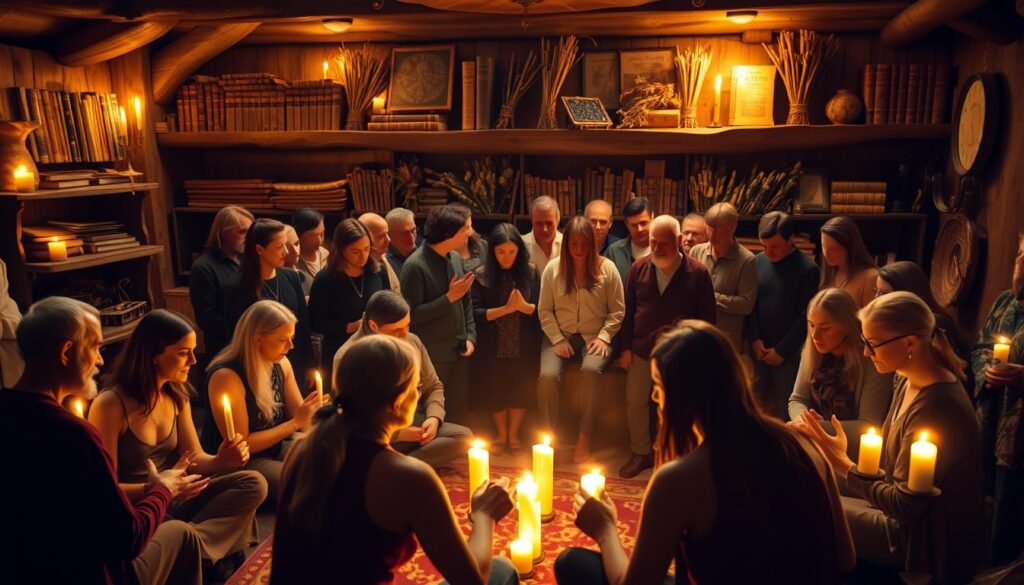
- Shared practices create belonging and help families keep values alive.
- Simple rituals — gratitude, volunteering, study circles — give connection without dogma.
- Choose traditions that feel alive; retire those that feel performative.
- Belonging is collaborative: each part matters in keeping rituals kind and inclusive.
| Focus | Example | Benefit |
|---|---|---|
| Daily | Gratitude note | Calmer emotions |
| Weekly | Family meal or check-in | Stronger connection |
| Seasonal | Community service day | Shared meaning |
Reading Tips: Working with Authority, Guidance, and Beliefs
A careful read shows when steady protocols help and when fresh approaches serve better.
When to follow tradition—and when to adapt
If safety, legality, or ethics are at stake, follow trusted rules and time-tested practices.
If personal growth or creativity is blocked, try measured experiments and new ways.
“If in doubt, choose safety first and test change in small, reversible steps.”
Mentorship, group learning, and ethical guidance in readings
Seek a teacher when specialized learning will protect you and others. Group study helps spot blind spots and refines judgment.
Phrase guidance with humility: state what is your view and what others may consider. This keeps advice fair and clear.

- Create a simple code of ethics for your practice to keep guidance consistent.
- Keep short notes on outcomes so you can refine how you teach and advise.
- Spread prompt: “Which tradition supports me now, and where should I innovate?”
Quick reading strategies
With Justice or Temperance, lean on established practices. With The Fool or The Tower, explore adaptive ways.
In love readings, honor shared values but change rituals that stifle real intimacy.
| Situation | Sign | Action |
|---|---|---|
| Safety / Law | Risk present | Follow rules, consult mentor |
| Stagnation | Routine blocks growth | Test small changes, track results |
| Group Choice | Diverse views | Use group learning to cross-check |
For related study on intuitive development and professional skill, see exploring clairvoyant abilities.
Symbolism Deep Dive: The Hierophant’s Keys, Crowns, and Pillars
Small emblems—keys, crowns, and pillars—hold big lessons about shared power and responsibility.
Crossed keys: The crossed keys show access granted and duties attached. Linked to Saint Peter’s legacy, they remind readers that permission to enter a system also asks for care and stewardship.
Use this image in a spread by asking, “Which key am I being offered?” It helps spot privileges that come with obligations.
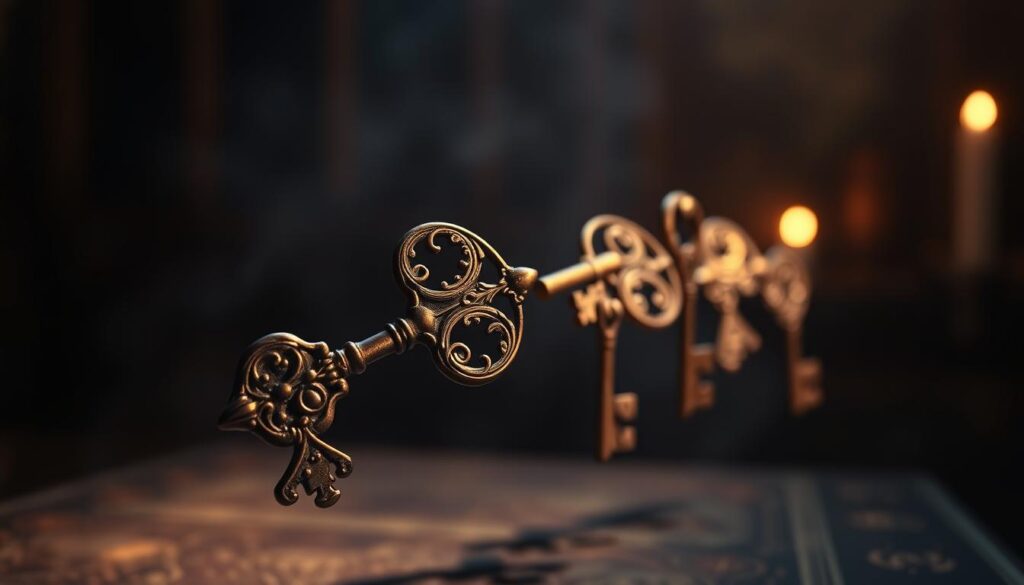
Triple regalia: church, world, and heaven
The triple crown and triple cross map three realms of influence: religion, world, and spirit. This design outlines where a figure holds authority and where guidance can apply.
Think of it as a jurisdiction map: decisions may affect social life, inner belief, or public systems.
Mercy and Severity: balancing spiritual and material life
Pillars read as Mercy and Severity. They teach balance between compassion and consequence in everyday things.
Roses and lilies pair with those pillars to mix bodily needs and higher values. Together they show that neither side should dominate.
- Symbols show power that safeguards rather than controls.
- Religion shaped the imagery; modern readings emphasize shared wisdom and collective learning.
- Prompt for spreads: “Which pillar needs more of my care?”
| Symbol | Key message | Prompt for reading |
|---|---|---|
| Crossed keys | Shared access and responsibility | Which key is offered to me? |
| Triple crown | Scope of authority across realms | Where does my influence reach? |
| Pillars | Balance mercy and consequence | Which pillar needs more weight? |
Tip: Track how these symbols appear across cards to spot patterns in your readings. Contrast them with the high priestess to move from inner silence to outward meaning-making and counsel.
Career and Money with the Hierophant: Stability, Systems, and Status
Career moves often reflect how well you work inside systems and with senior guides. In work life, this card points to growth through formal learning, mentorship, and teamwork. Favor paths where credentials and clear policies actually matter.
Navigating hierarchy and leveraging education
When stability is the priority, choose employers with clear procedures and steady pay. Read status cues ethically: seek roles that give responsibility and service, not just prestige.
Upright readings favor collaboration and structured learning. Reversed readings warn of stifling bureaucracy and peer pressure. If a system blocks you, try small process pilots before wide changes.

- Pursue growth through certifications, apprenticeships, and trusted mentors to boost credibility.
- Prioritize stability with regulated accounts and basic risk management for money decisions.
- Navigate authority by clarifying decision rights, asking for process maps, and using institutional resources.
- Align your path with organizations whose values match yours to reduce friction over time.
| Area | Upright | Reversed |
|---|---|---|
| Career | Team success, mentorship, learning | Bureaucracy, blocked projects |
| Money | Conservative accounts, steady plans | New systems tested carefully |
| Action | Follow clear policies, document steps | Propose small pilots, build coalitions |
Practical step: Identify one system to master this quarter and one sponsorship relationship to cultivate. For longer-term wealth tied to legacy and community, see a focused reading like Ten of Pentacles reading.
Conclusion
To conclude, mentorship and ritual offer practical doors to move from knowing to doing. Use the hierophant tarot as a prompt to translate shared wisdom into everyday steps that support your values and community ties.
Let knowledge mature into beliefs you can live by. Take the keys offered—mentors, study, simple practices—and open new ways in work, relationships, and life without losing your autonomy.
Balance feeling with form: pair insight from the high priestess with clear methods so your readings guide action. Choose the way that honors shared wisdom and your unique role, and let what you learn uplift others.
FAQ
What is the Hierophant in the Major Arcana about?
A figure of tradition, learning, and shared values, guiding through established systems and communal rituals. It represents teaching, structure, and a bridge between spiritual practice and daily life.
How does imagery—like the triple crown and crossed keys—help interpret the card?
Symbols show authority and access: the triple crown links spiritual, worldly, and moral realms, while crossed keys signal permission to enter sacred knowledge and responsibility for that wisdom.
When upright, what practical advice does this card offer?
Embrace proven systems, seek mentors, and align with community standards. It supports formal education, stable careers, and relationship commitments rooted in shared beliefs.
What does the card suggest when reversed?
Reversal points to challenging authority, breaking from tradition, or exposing rigid rules. It can advise creative adaptation, questioning norms, or reclaiming personal power from gatekeepers.
How does this figure compare with the High Priestess?
The High Priestess embodies inner knowing and secrecy, while this figure speaks outwardly—teaching, codifying, and handing down communal wisdom for others to follow.
What themes appear in love readings?
Upright readings favor stable partnerships, shared values, and long-term commitment. Reversed readings warn of misaligned beliefs, staleness, or the need to redefine relationship rules.
What about career and finances?
In work, expect mentorship, structured advancement, or roles in institutions. Financially, upright energy favors steady systems like banks or pensions; reversed energy favors new models and calculated risks.
How can I use this card in a reading for guidance?
Ask whether to follow established paths or innovate. Use it to identify mentors, institutions, and ethical frameworks that support your goal, or to spot where tradition stifles growth.
What are alternative titles and astrological links?
Often titled Pope or High Priest, this figure connects with Taurus energy—stability, values, and the trust found in longstanding structures and practices.
Are there common misreadings to avoid?
Don’t assume blind obedience; the card can endorse thoughtful tradition or signal needed reform. Avoid reading it as purely conservative—context shows whether it supports or challenges authority.
How does community factor into its message?
Community provides rituals, education, and belonging. The card highlights institutions that transmit collective wisdom and offers tools for ethical leadership and shared identity.
Can this card indicate a teacher or mentor appearing in my life?
Yes. It often signals a guide, formal instructor, or a role you may adopt—teaching, advising, or stewarding a system that others rely on.
What rituals or practices align with this energy today?
Group study, ceremonies, joining professional associations, and following ethical codes reflect its energy. Such practices create stability, shared meaning, and trusted frameworks.
How do keys, crowns, and pillars deepen its meaning?
Keys mean access and responsibility; crowns represent authority across realms; pillars balance law and liberty. Together they stress duty, order, and the careful transmission of wisdom.