

Quick clear intro: This guide explains an energetic ritual meant to tie two people’s feelings, focus, and commitment together. It is not instant control. Instead, the practice channels intention, attention, and ritual to support a stronger connection over time.
Why people try this: Many seek to rekindle romance, reinforce commitment, or handle stalled communication. Methods range from red figure candles carved with names to simple pink candle rites repeated on Friday.
Expect variation in results. Outcomes depend on prior bond, distance, and emotional resistance. Ethical practice stresses consent, grounding, shielding, and cleansing to avoid harmful energy.
Preview of what comes next: step-by-step pink candle instructions, candle-and-thread techniques, photo and hair correspondences, and reversal or cord-cutting options. Reflect on goals before moving into ritual work.
Key Takeaways
- These rituals aim to strengthen an existing bond, not force personality change.
- Common tools include names, a candle, and a clear affirmation or incantation.
- Results vary; timelines depend on real-world factors and follow-up care.
- Ethical practice and skilled caster work reduce negative outcomes.
- Reversal methods exist and should be learned before starting.
Understanding Love Binding: What It Is and Why People Use It
Binding rituals aim to link two people’s energies into a steadier bond over time. These rites focus on strengthening an existing connection or inviting deeper commitment through focused tools and intent.

Binding spells vs other love spells
Binding spells tie two energies and aim for lasting commitment. By contrast, attraction work boosts magnetism, reconciliation rites repair trust, and marriage spells bless long-term union.
Common reasons people seek binding
People turn to this type of magic for several reasons:
- To steady on-and-off couples and reduce volatility.
- To renew spark after conflict and rebuild emotional safety.
- To invite commitment when both parties show openness.
“Intent matters more than technique; clear, ethical purpose reduces backlash.”
Ritual mechanics are simple: choose tools, visualize shared goals, and channel focused intent. Photo-based focus, affirmation-heavy methods, and culturally specific paths are all spells used depending on context. Always assess mutual feelings and consent before proceeding.
Ethics First: Intention, Free Will, and Responsible Practice
Responsible practice begins with respect for free will. Ethical work centers on consent, transparency, and harm reduction. Practitioners who follow white magic principles focus on healing, harmony, and mutual growth rather than coercion.
White magic approach: honor autonomy, use rituals to support clear communication, and choose methods that nurture both people. Positive intent tends to produce healthier outcomes; manipulative aims can create emotional chaos and long-term harm.

When labels and risks matter
The term black magic often applies when energy work aims to control or override another’s will. Such practice may carry karmic risk and spiritual backlash. A spell may misalign if it targets someone who is unwilling or indifferent.
“Clear, ethical intent lowers the chance of unintended consequences.”
- Signs of misalignment: anxiety spikes, repeated conflict, or emotional numbness.
- Responsible casters teach boundaries, consent, and possible side effects.
- Seek credible guidance and avoid quick fixes or dubious shortcuts.
| Approach | Core aim | Risk level |
|---|---|---|
| White magic | Healing, consent, mutual growth | Low when practiced responsibly |
| Coercive work | Control, override free will | High — emotional and karmic backlash |
| Professional guidance | Education, boundaries, safe protocols | Lowest with experienced caster |
Reflect on motives before proceeding. If your aim aligns with both parties’ best interests, consider learning grounding, protection, and cleansing methods first. For additional guidance on relationship-focused readings and alignment, see soulmate readings.
What Does a Love Binding Spell Do
A love binding spell links two people’s intent so their attention and care grow toward the same goal.

How energy is “bound” between two people
Energetic binding focuses intent through ritual tools to align emotional and mental attention. The rite directs energy, symbols, and words to encourage both parties to work toward a shared connection.
Expected outcomes and limits of results
Typical results include increased affection, steadier communication, and clearer desire to nurture the bond. These outcomes often strengthen an existing spark rather than create genuine feeling from nothing.
Limits: a ritual cannot rewrite character, erase consent, or replace compatibility. Mixed intention or unclear goals dilutes power and reduces effectiveness.
- Time to notice change varies with rapport, readiness, and logistics.
- Maintenance or follow-up work can reinforce gentle progress.
- Obsession-level outcomes are possible but risky; ethical practice aims to uplift, not control.
“Use ritual alongside honest talks, counseling, and kind actions to build lasting change.”
For spiritual guidance paired with readings, consider tarot readings to clarify intent and next steps.
Tools, Timing, and Preparation for Binding Rituals
Gathering proper tools and timing sets the stage for focused ritual work and safer results.

Choosing items and small tools
Core kit: colored candles (pink for gentle affection, red for passion), quality oils, blue thread, needles, and crystals like hematite or obsidian.
Photos and personal items sharpen visualization and strengthen energetic links when used ethically and with consent.
Best days, moon phases, and setting
Friday night during a waxing moon supports growth and deepening bonds. Nighttime helps focus and calm.
Clear clutter, silence phones, and make sure distractions are minimized before you begin.
Grounding, cleansing, and protection
- Cleanse with sage, incense, salt, or sound to clear old energy.
- Shield by visualizing a luminous barrier around you and your tools.
- Ground with slow breaths, hold hematite, and feel the earth beneath your feet.
| Step | Purpose | Key items |
|---|---|---|
| Preparation | Clarity and calm | Clean space, journal, names |
| Timing | Amplify growth | Friday, waxing moon, night |
| Protection | Keep outside influences away | Sage, visualization, crystals |
“Clear, calm preparation keeps energy focused and reduces risks.”
How to Cast a Simple Pink Candle Love Binding Spell
Begin this simple pink candle rite on a calm Friday evening to focus intention and care.

Materials checklist
- Pink candle in a heat-safe holder
- Blank piece of paper and pen
- Quiet space with minimal distractions
- Optional: journal to note date and sensations
Step-by-step ritual and incantation
- Perform only on Friday to align with love-focused energy.
- Center yourself, cleanse the area, and make sure interruptions are minimized.
- Light the candle and write both first and last names on the paper.
- Draw a single circle around both names, place the paper before the flame.
- Visualize shared moments and mutual affection with your partner or person of interest.
- Repeat aloud three times: “We are one soul. We are one body and heart, united by love.”
- Allow the candle to burn down naturally; never blow it out.
What to do if the candle extinguishes early
If the flame goes out prematurely, repeat the same ritual the next day.
Continue each day until the candle is fully spent to strengthen consistency and increase the chance of gentle results.
Safety reminder: use a stable holder, keep away from flammables, and never leave burning candles unattended.
Track the date, sensations, and any subtle shifts in a journal. This helps measure progress and informs later choices about follow-up spells or support.
| Item | Purpose | Notes |
|---|---|---|
| Pink candle | Focus affection and gentle intention | Use quality wax; burn in a stable holder |
| Paper & pen | Anchor names and visualization | Write full first and last name for clarity |
| Quiet space | Reduce distractions, protect focus | Turn off devices; choose safe surface |
Candle-and-Thread Binding: A Traditional Variant
In this variant, tactile steps — carving, anointing, and threading — turn intent into a steady current of energy.
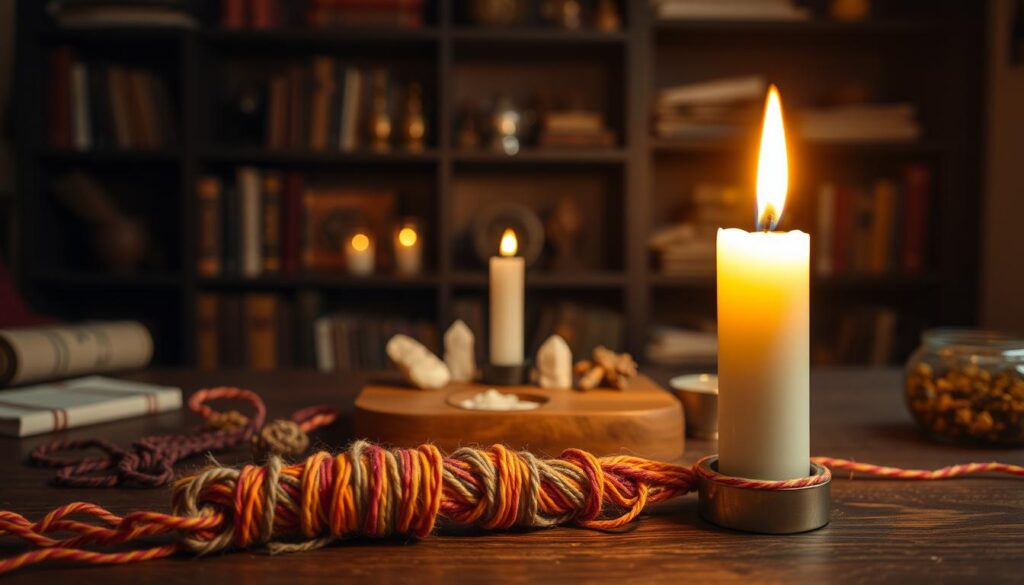
Setup: choose a red figure candle or a red pillar if needed. Gather love oil, blue thread, a sturdy needle, and matches. Work on a heat-safe surface and keep water or a fire extinguisher nearby for safety.
Carving, anointing, and piercing
Use a fine needle to carve the target’s name upward toward the wick. Carve your full name directly over theirs in the same upward motion. This aligns names and focus.
Anoint from the candle midpoint up toward the wick, then from midpoint down to the base. Pulling oil both ways activates flow and seals intent.
Thread the needle with blue thread and pierce the candle at the chest area. This acts as a symbolic link to the partner’s emotional center.
Knot work, words, and lighting
- Wrap the blue thread around the candle three times. Tie one knot with the phrase “In Heart.”
- Tie the second knot saying “In Mind.”
- Tie the final knot with “In Body.”
“Just as this candle burns, so shall the heart of [Name of Target]. His heart burns after me. His Heart Shall Not Sleep. They shall turn to me until they so follow, I, [Your Name], with great love and affection.”
Speak the incantation in a calm, steady voice. Aim for confident, ethical intent rather than force. Light the candle to set the work in motion.
Affirmations and aftercare
Use kind, mutual affirmations such as “Our love grows in honesty and respect.” Note names, date, and each step in your journal. Record sensations and any shifts in communication with your partner.
| Step | Action | Purpose |
|---|---|---|
| Prepare | Red candle, oil, thread, needle | Create focused workspace and tools |
| Carve & Anoint | Names carved up; oil pulled up and down | Align names and activate flow |
| Pierce & Knot | Needle at heart; three knots with phrases | Bind emotional focus, seal intent |
| Light & Journal | Ignite candle; record ritual details | Set energy moving; track outcomes |
Safety note: never leave a burning candle unattended. Dispose of wax remnants respectfully and cleanse the space afterward. If outcomes feel off, seek gentle reversal or professional guidance.
Photo and Hair Bindings: Targeted Methods for Stronger Links
Visual anchors like pictures or DNA-linked items make it easier to direct intention toward a specific person.
Photos help lock onto a target’s energy by giving your mind a concrete image to follow. A clear, recent picture improves visualization and strengthens the emotional connection you seek. Use a photo of both people together when possible to symbolize unity.

Using photos to focus visualization and intention
Place the photo on your altar with both names written nearby. Focus on calm breathing and imagine mutual harmony while speaking respectful intentions.
Ethical use of hair and personal items
Hair or unwashed clothing carries DNA-linked energy and can intensify work. This potency raises responsibility: never use another person’s items without clear consent. Ethical practice minimizes harm and preserves integrity.
“Personal items create strong influence—handle them with respect and clear permission.”
- Photo tips: choose recent, high-quality images; a joint picture signals togetherness.
- Hair role: small strands act as a potent energetic link; reserved for careful, consensual use.
- Aftercare: store items respectfully and cleanse tools after rituals to reset energy.
Some traditions, including voodoo lineages, work with personal correspondences but require cultural respect and expert guidance. Timelines for results vary; intense links do not guarantee rapid change, so patience is key.
- Place photo and both names on your altar.
- Light a small candle for focus; follow fire safety rules.
- Visualize mutual care and speak kind, mutual intentions.
| Item | Role | Care |
|---|---|---|
| Photo | Sharpen visualization and anchor intent | Use recent image; store respectfully |
| Hair or clothing | Intensify energetic link via DNA | Use only with consent; cleanse after use |
| Small candle | Focus attention and seal the rite | Follow fire safety; never leave unattended |
For spiritual clarity before deeper work, consider pairing readings with a trusted practitioner. See a trusted tarot resource at tarot card reading for guidance on intention and timing.
Choosing Your Path: Witchcraft, Voodoo, White Magic, and Beyond
Choosing a spiritual path shapes the tone, tools, and outcomes of any heartfelt ritual. Each tradition brings its own ethics, language, and methods. Pick one that aligns with your values and respects others.

When to use voodoo rituals and why expertise matters
Voodoo comes from West Africa and often calls loa, ancestral spirits linked to love and care. Rituals may use candles, roots, and offerings.
Because of cultural protocols and spirit work, trained practitioners are essential. Misuse risks spiritual imbalance and disrespect.
White magic approaches that respect autonomy
White magic focuses on healing, free will, and mutual benefit. These love spells enhance self-worth and gentle attraction without coercion.
Witchcraft blends nature-based rites and seasonal timing. An experienced caster with years of practice helps align intent, visualization, and aftercare.
| Path | Core focus | Common elements |
|---|---|---|
| Witchcraft | Nature, cycles, blessing unions | Herbs, moon timing, candles |
| Voodoo | Spirit work, ancestral guidance | Offerings, roots, loa invocation |
| White magic | Healing, consent, mutual growth | Affirmations, protection, gentle spells |
“Choose a path that honors consent, boundaries, and long-term emotional well-being.”
- Compare goals and risks before hiring a spell caster.
- Verify credentials, testimonials, and aftercare policies.
- Remember: life context, history, and consent shape outcomes more than ritual type.
Safety Precautions: Avoiding Backfire and Negative Energy
Prioritize simple safety steps to reduce risk and keep energy focused. Clear the space, calm your breath, and set an honest intention before any ritual.

Shielding, cleansing, and handling unintended consequences
Cleanse by burning sage or incense and opening windows to refresh the room.
Visualize a bright barrier around you and your tools to block outside interference. Ground with slow breathing, meditation, or holding a stone to stabilize emotions.
If a candle goes out early, retake the rite the next day rather than forcing it.
Signs a spell may be misaligned and how to reset
Warning signs: anxious obsession, sudden conflict, or strange chaos in daily life. These may mean work needs review.
To reset, pause all activity. Cleanse tools, journal your intent, and adjust wording so it respects autonomy for both people.
Consider shifting toward gentler, white-leaning methods. If black magic or overt control was used, expect higher risk and seek trusted guidance.
“Stop, cleanse, reflect, and reach out to an experienced caster if you feel harm or confusion.”
| Action | Why it matters | How to do it |
|---|---|---|
| Cleansing | Clears stuck energy | Burn sage or incense; open windows |
| Shielding | Prevents interference | Visualize luminous barrier around space and tools |
| Grounding | Stabilizes emotions | Deep breaths, meditation, hold grounding stone |
| Reset | Stops harmful trends | Pause rituals, cleanse tools, journal intent |
Journal steps and small changes so you can spot patterns in results over time. If progress stalls, review steps, refine wording, and make sure intentions are clear and compassionate.
Do Binding Spells Work Immediately? Timing and Expectations
Timing and personal readiness shape how quickly ritual effects surface. Expect varied pace. Energy aligns with inner clarity, logistics, and daily life.

Divine timing, resistance, and real-world factors
Spiritual timing sometimes outpaces human desire. Doubts, mixed intentions, or life stress can delay movement.
Distance or minimal contact slows practical shifts. If a candle goes out, repeat the rite on the next Friday until it finishes.
How long results may last and maintenance options
Some people notice subtle change in days; deeper healing can take months or years. Consistent, ethical intent helps steady outcomes over time.
- Maintenance: periodic candle focus or shared affirmations.
- Combine ritual work with kind actions and clear communication.
- If nothing moves, consult a caster for timing tweaks or adjusted practice.
“Balance hope with realism: true connection grows when heart and actions align.”
| Factor | Effect on timing | Suggested action |
|---|---|---|
| Intention clarity | Speeds alignment | Journal goals and dates |
| Logistics (distance) | Slows manifestation | Use maintenance rituals and patience |
| Resistance or doubt | Delays results | Do inner work; seek counseling if needed |
Reconciliation, Commitment, and Breakups: Directing Outcomes
Intentional rites can support couples through repair, deepen promise, or help close a painful chapter. Use ritual work as a tool alongside honest talks and practical steps. Clear intent and respect for autonomy guide safer, kinder results.

Strengthening an existing relationship ethically
Focus on mutual growth. Gentle rituals that promote steady communication help rebuild trust. Pair any rite with therapy, boundary setting, and shared actions to reinforce change.
- Compassionate reconciliation: stabilizes contact and repairs trust.
- Shared practices: joint affirmations, small weekly rituals, and clear goals.
- Commitment boosts: white-leaning approaches that encourage loyalty and mutual investment.
When and how rites are used to end relationships
Severing work can clear energetic ties when both people need closure. Some traditions, including voodoo lineages, offer decisive methods—but seek experienced guidance to avoid harm.
Act only after calm reflection, not in anger. Ethical clarity lowers harm.
Aftercare: cleanse, journal, and set firm boundaries. If you share a home or finances, coordinate logistics first. For spiritual support and readings before action, consider reputable psychic readings.
How to Reverse or Break a Love Binding Spell
Releasing an energetic link takes ritual care, honest intent, and practical follow-through.

Counter-rituals with candles and thread
Classic reversal steps: use a new candle, carve the person’s full name, then pierce the heart area in reverse. Wind thread counterclockwise without tying knots while stating the release wording.
“As this candle burns, I release [Name]. His/Her shall be free In Heart, in Mind & in Body. Their ties to me are now released.”
After the flame dies, discard leftover wax and thread respectfully. Clean the altar and ground yourself.
Cord-cutting and revoking intent
To sever ties physically, set two candles for each person and connect them with string. Cut the string at midpoint, then let both candles burn to ash. This ritual action dissolves residual connection.
Non-magical reset: consciously withdraw consent and visualize the energetic contract dissolving. This inner revocation often clears patterns without tools.
Working with the original spell caster
If possible, contact the original spell caster or an experienced practitioner to ensure a clean undoing. A trusted caster can review wording and confirm safe rituals to avoid backlash.
- Aftercare: cleanse, ground, and journal the reversal date and feelings.
- Signs of release: lighter mood, fewer intrusive thoughts, calmer interactions.
- Safety: stable holders, good ventilation, and never leave flames unattended — make sure you are safe.
For further guidance or to consult an experienced practitioner, consider reaching out to a trusted resource like consult an online psychic.
Should You Work with a Professional Spell Caster?
Hiring a skilled spell caster often improves safety and clarity. A pro brings years’ experience in timing, wording, and tailoring rituals to each person’s situation.

Before work begins, a reputable caster will assess goals, relationship dynamics, and ethical fit. They ask direct questions to confirm consent and to avoid risky approaches like black magic.
Benefits include customized rituals, ongoing maintenance, and clean reversals if needed. Good professionals also coach clients to pair ritual work with real-life steps that support healthy change in the relationship.
Do your due diligence: check testimonials, ask about years experience, and make sure methods are transparent. Interview potential casters and ask about timelines, risks, and aftercare options.
“Choose someone who emphasizes consent, clear intent, and follow-up support over quick guarantees.”
- Ask about training, references, and ethical stance on white magic vs. coercive tactics.
- Prefer experts for culturally specific work such as voodoo to respect protocol.
- Watch for red flags: pressure, secrecy, or promises of instant results.
If you want readings before committing to ritual work, consider a trusted source for guidance like online tarot readings. A good caster helps people align spiritual work with real choices so outcomes stay realistic and safe.
Conclusion
Conclusion
Wrap up calmly. A clear recap helps you choose next steps after any ritual. A love binding spell aims to align two people’s energy so affection, steadiness, and caring action can grow over time.
Ethics matter. Favor white magic and consent; avoid black magic or coercion that harms well-being. Practical methods include the pink candle rite, candle-and-thread knot work, and photo or hair correspondences handled with care. Binding love spells should always pair with honest communication and real-life effort.
Prioritize safety: cleanse, shield, and ground. Watch for misalignment and learn reversal or cord-cutting if needed. If you plan to cast love work, consider trusted guidance to reduce risk and match practice to your values.
With clear intent, steady care, and respect for everyone involved, binding spells can help support a healthier relationship and a fuller life.
FAQ
What is a binding spell and how is it different from other love spells?
A binding spell focuses on creating or strengthening an energetic link between two people. Unlike attraction spells that boost chemistry or glamour work that alters perception, binding aims to stabilize commitment or connection over time. It often uses symbolic items — candles, thread, photos, personal objects — to anchor intent and energy.
Why do people seek binding rituals?
People pursue bindings for many reasons: to repair trust, reinforce commitment after a breakup, protect a partnership from outside interference, or deepen emotional intimacy. Some use them to clarify a partner’s intentions; others seek closure or to prevent contact after abuse. Intent and context shape whether a ritual is appropriate.
Are binding spells ethical and how does consent factor in?
Ethics center on consent and free will. Responsible practitioners follow white magic principles that honor autonomy and avoid coercion. When a ritual attempts to control or manipulate another person, it risks harmful outcomes and ethical breaches. Always consider alternatives that empower informed choice.
When does a ritual cross into harmful or “black magic” territory?
A ritual is often labeled harmful when it overrides someone’s agency, causes emotional harm, or seeks revenge. Using personal items without permission, targeting a person to force behavior, or pursuing spells for control are typical red flags. Those actions increase risk and moral responsibility.
How is energy “bound” between two people in practice?
Practitioners use symbolism and focused intent to create an energetic cord or pattern linking two people. Ritual elements — spoken phrases, knots, candle flames, and personal tokens — act as anchors. The work channels attention, belief, and intention into a stable pattern that influences feelings and choices over time.
What outcomes are realistic and what limits should I expect?
Expect subtle shifts rather than instant miracles. A binding can clarify intentions, increase emotional openness, or reduce outside influence, but it won’t erase free will or guarantee specific behaviors. Practical factors — communication, emotional readiness, and life circumstances — shape results.
What items and preparations are common for binding rituals?
Typical tools include colored candles (pink for romance, red for passion), oils or anointing blends, thread or cord, photos, and personal items like hair or jewelry. Cleansing (smudging, salt baths) and grounding beforehand helps focus energy. A calm, private space and clear intention complete preparation.
When is the best time to perform a binding ritual?
Timing depends on intention. Waxing moons support growth and strengthening work; full moons amplify power for pivotal shifts. Weekdays tied to love and relationships, like Friday, work well for romantic focus. Choose a time when you’re emotionally steady and free from distractions.
What grounding and protection practices should I use?
Grounding can be simple: barefoot contact with earth, deep breathing, or visualizing roots. Protection often includes shielding visualizations, salt circles, white candle work, or calling on benevolent energies. These prevent unwanted attachments and keep intent clear and safe.
Can you outline a simple pink candle binding ritual?
A basic version uses a pink candle, a photo of you and the partner, rose oil, and a pink or red thread. Anoint the candle, set the photo beneath, tie the thread around the candle while speaking an affirmation, and burn the candle safely while visualizing the desired bond. If unsure, consult experienced practitioners for detailed guidance.
What should I do if the candle goes out early during the ritual?
If a candle extinguishes, remain calm. See it as feedback, not failure. Relight after grounding and review intention. Check for drafts, clear the space, and reinforce protection. If it happens repeatedly, pause and reassess your readiness and motives before continuing.
How does the candle-and-thread variant work?
This traditional method carves names into a candle, anoints it, then wraps or knots thread around it to symbolize binding. Piercing the “heart” or knot work deepens the symbolic link. The act of knotting focuses intention and can be paired with affirmations to direct energy toward a stable connection.
Are there sample affirmations for directing intention during knot work?
Short, clear affirmations work best. Examples: “Our hearts align with honesty and care,” or “We choose respect, trust, and lasting connection.” Keep language positive, present tense, and specific to the values you want to encourage.
How are photo and hair bindings different from general rituals?
Photo and hair bindings focus energy by using personal items that hold identifying information. Photos help visualize the relationship; hair or other personal items create a more direct energetic link. Because these involve personal material, ethical use and consent become even more important.
Is it acceptable to use someone’s hair or personal item without permission?
No. Using hair or DNA-linked items without consent risks ethical violation and can create unintended consequences. Always obtain clear permission or choose symbolic substitutes like written names or shared objects to avoid harm.
When should someone seek voodoo or professional ritual work instead of DIY approaches?
Complex cases — legal entanglements, deep trauma, or high-stakes relationship dynamics — benefit from experienced practitioners. Voodoo and other traditions carry cultural depth and specific protocols; trained practitioners help avoid mistakes and respect tradition. Vet credentials and reviews before hiring.
How do white magic approaches differ in practice?
White magic focuses on consent, healing, and positive outcomes without coercion. Techniques emphasize self-work, protection, and requests for mutual benefit. Practitioners prioritize ethical frameworks and may blend energy work with counseling or communication strategies.
What precautions prevent backfire or negative energy?
Clear intent, consent, thorough grounding, and protection practices reduce risks. Avoid rituals driven by revenge, desperation, or attempts to control others. Regular cleansing, cord-cutting practices, and community support help handle residual energy.
What signs show a spell may be misaligned and how can I reset?
Red flags include increased anxiety, unexpected hostility, or persistent bad luck around a relationship. To reset, stop the current ritual, perform cleansing baths or smudging, circle with protective salt, and do a cord-cutting or reversal practice. Consulting a reputable practitioner helps if symptoms persist.
Do bindings take effect immediately and how long do results last?
Some effects appear quickly, like emotional shifts or renewed communication. Full integration often unfolds over weeks or months. Duration depends on ongoing consent, real-world actions, and maintenance rituals. Periodic reinforcement or relationship work helps sustain outcomes.
Can bindings help reconciliation or end relationships ethically?
Bindings can support reconciliation by encouraging honest communication and commitment when both parties agree. They can also be used to sever unhealthy ties when rituals focus on releasing and protecting the person seeking closure. Intent and consent guide ethical use in both cases.
How can a binding be reversed or broken?
Reversals include counter-rituals with opposite intention, candle work aimed at release, cord-cutting ceremonies, and formal revocation of intent. Working with the original caster or a trusted practitioner makes reversal safer and more thorough.
Should I hire a professional spell caster?
Consider a professional when work feels emotionally complex, when cultural specificity matters, or when you want accountability. Choose a well-reviewed practitioner who explains methods, discusses risks, honors consent, and offers aftercare. Transparency and references matter.