

Welcome. This short guide helps shoppers in the United States pick the right set for study, display, or readings. It explains how early trionfi packs evolved into modern decks and why two main types exist: gaming packs and reading-focused packs.
What to expect: you’ll find a clear overview of a standard pack—four suits of 14 plus a 21-card trump set and the Fool—so you can tell gaming sets from divination versions at a glance.
We cover handling, finishes, sizes, and simple spreads for beginners. You’ll also get buying tips on print quality, included guides, and how imagery and lineage affect interpretation and comfort in use. By the end, choosing a deck that fits your goals and style will feel straightforward and confident.
Key Takeaways
- Two main types: gaming packs and divination-focused decks.
- Know the structure: suits, trumps, and the Fool explain functionality.
- Handle matters: size, finish, and stock affect shuffling and durability.
- Beginner tips: simple spreads and journaling speed learning.
- Buy smart: check print quality and included guides for value.
Start here: How to choose a tarot deck that fits your style and goals
Pick a deck by first naming what you’ll actually do with it: play traditional games, study imagery, or use it for readings. Your purpose narrows choices fast and makes shopping simpler.
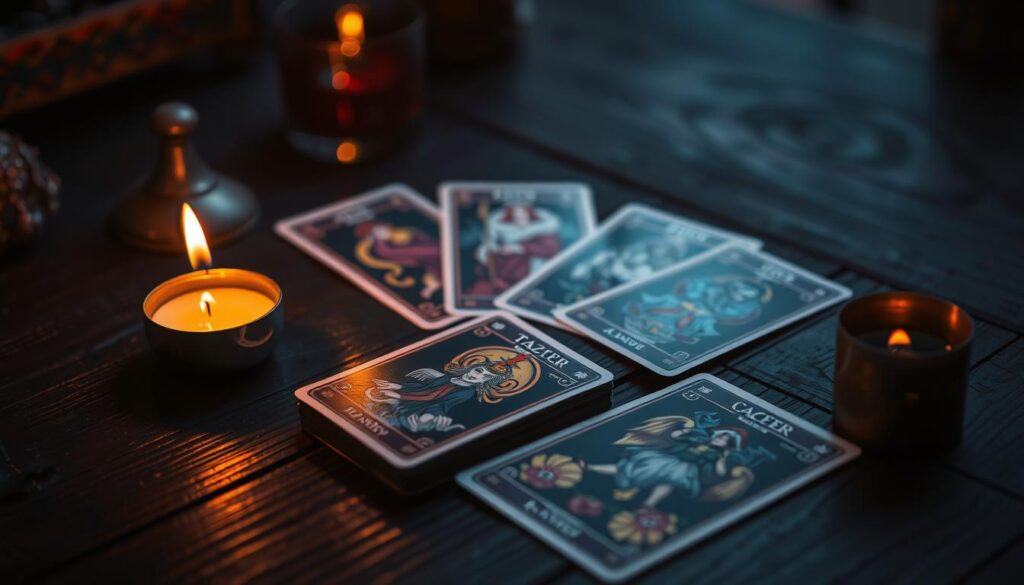
Clarify your use: gaming, divination, or collecting
Some decks follow historic game structures; others emphasize evocative imagery for interpretation. A typical set still contains four suits, 21 trumps, and the Fool, so check structure if gameplay matters.
Match your experience level: beginners vs seasoned readers
Beginners benefit from scene-based minors and clear symbolism that speed learning. Experienced users may prefer experimental artwork or pip-style minors for nuance.
Consider artwork, symbolism, color, and imagery
Look at images and color up close. Strong symbolism and readable artwork help you connect faster and make spreads easier to interpret.
What’s in the box: guidebook, packaging, and extras that help
Check for a solid guidebook, reference sheets, and sturdy packaging. These details protect the deck and shorten the learning curve.
“Choose the set you’ll actually use; excitement matters as much as history.”
- Tip: If you read for others, pick neutral palettes and inclusive imagery.
- Tip: Collectors may favor limited editions; readers should test shuffle comfort and size.
tarot cards
Knowing the 78-card layout makes buying easier. A complete 78-card tarot deck contains four suits of 14 (A–10 plus four court ranks), a 21-card trump set, and the Fool. Each part has a practical role in games and a symbolic role in readings.
The four suits often appear as Wands, Cups, Swords, and Pentacles. They map to creativity, emotion, intellect, and the material world. That makes the deck useful for many everyday topics.
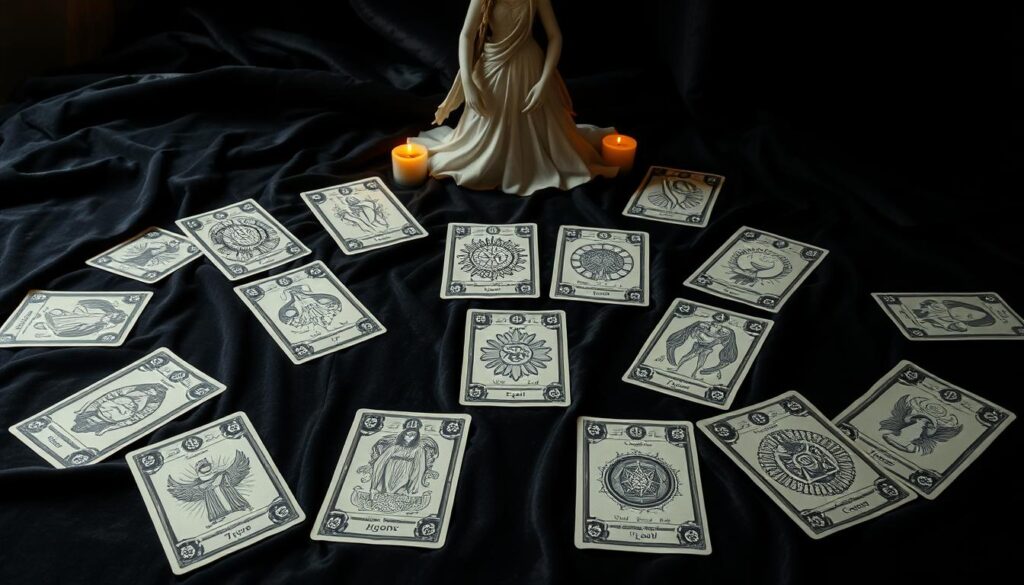
Historically the Fool can be a top trump or an excuse in gameplay. In readings, it usually signals new beginnings. Buyers should note whether a deck uses pip-style minors or fully illustrated scenes; the former echoes game lineage, the latter helps beginners learn meanings.
“Choose a deck by purpose: play, study, or personal reading.”
- Practical tip: test shuffle feel and legibility before you buy.
- Style matters: minimalist, classic, or vivid art will affect daily use.
- Search language: both 78-card tarot and 78-card tarot deck return the same system in stores.
| Feature | Game-focused | Reader-friendly |
|---|---|---|
| Minor style | Classic pips, sparse imagery | Scene-based, symbolic art |
| Fool role | Special trump or excuse | Symbol of beginnings |
| Best for | Historical play, collectors | Beginners, interpretive study |
A brief history buyers should know
Understanding origin helps you choose a deck with confidence. The system began in mid‑15th‑century northern Italy as carte da trionfi, where makers added trump cards to standard playing sets. Early examples like the Visconti‑Sforza packs set visual and structural precedents buyers still seek today.
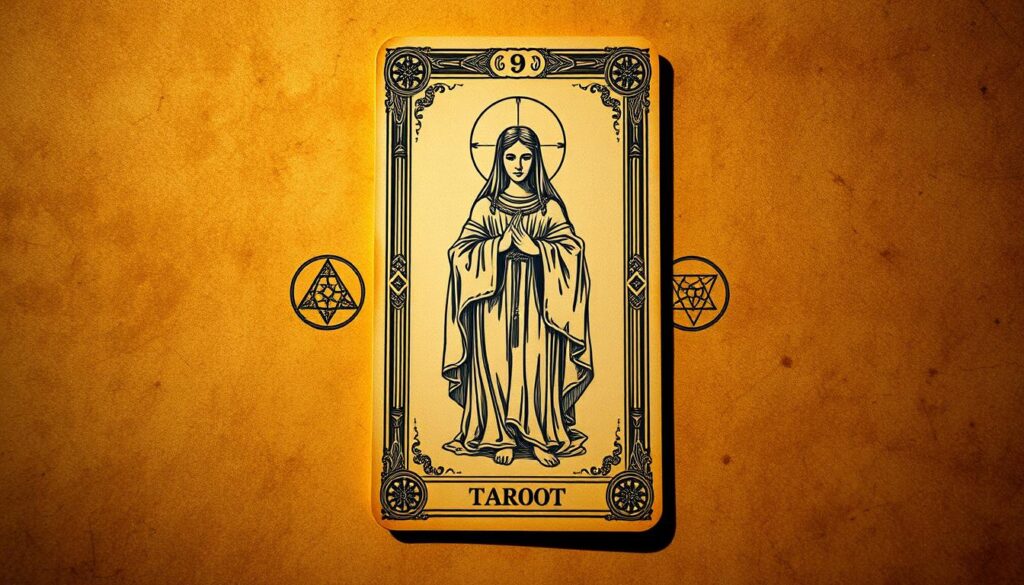
From 15th‑century Italian trionfi to modern use
As these decks spread during the Italian Wars, regional trump orders emerged. Scholar Michael Dummett later catalogued those regional details, which explains why some reprints follow historical orderings.
Historic milestones include Minchiate expansions and later reproductions that aim to be museum‑accurate. If you want an authentic feel, look for notes about the Visconti‑Sforza lineage on the product page.
Card games vs divination: two distinct traditions
For centuries the original tarot served as playing cards in social games. Then, around 1750, an anonymous manuscript and later Parisian occultists repurposed the system for divination, creating a parallel tradition that still shapes design choices.
- Gaming packs keep pip‑style minors and historic trump orders.
- Reading‑focused decks emphasize scene‑based imagery and symbolic details for interpretation.
“Knowing the history clarifies why some decks aim for classic tarot accuracy while others prioritize intuitive artwork.”
Need help choosing? See a practical example with the Eight of Pentacles overview to compare traditional structure and reader-friendly design.
The anatomy of a 78-card tarot deck
Think of the set as two families plus a wild card that links them. The structure makes learning and shopping simpler. A clear layout also helps when you compare product listings.
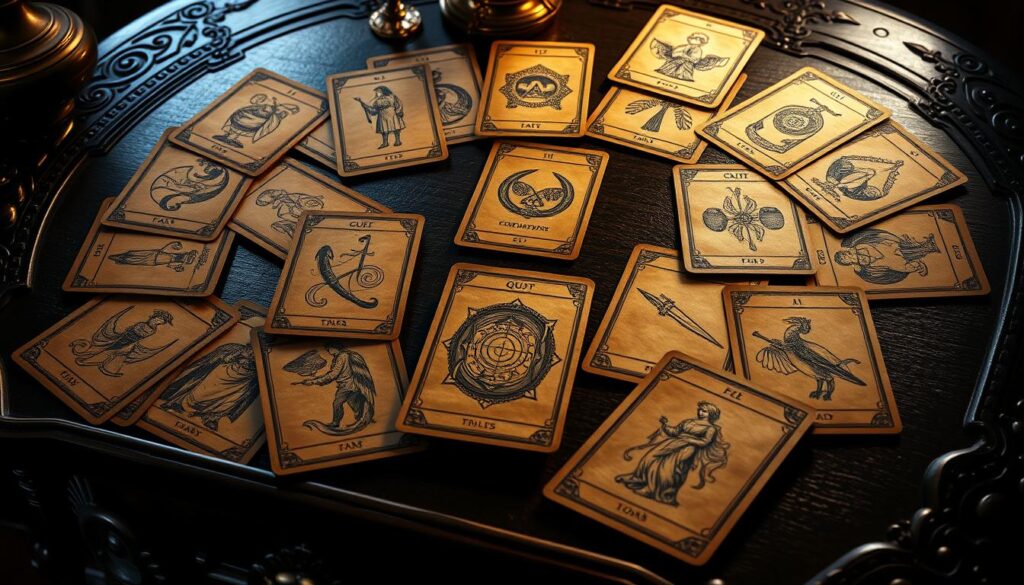
Major Arcana, Minor Arcana, and the Fool
A complete 78-card tarot pack breaks into two parts: the 22-card Major Arcana (this includes the Fool) and the 56-card Minor Arcana. The Major Arcana holds broad archetypes and life chapters.
The 21 trumps plus the Fool form the backbone used in classic play and as archetypal anchors in readings. In games the Fool may act as a top trump or an excuse; in readings it signals beginnings and risk.
Suits, courts, and pips: how decks are structured
Each suit contains ten pips (Ace–10) and four court ranks: King, Queen, Knight, and Page or Jack. Courts often indicate people, roles, or approaches in a spread.
- Pip-style minors show suit symbols only and echo game lineage.
- Scene-based minors display illustrated vignettes that many readers find easier to interpret.
- Buying tip: look for clear suit symbols and legible titles to speed study and reduce confusion.
“A well-structured set ensures every card has a meaningful place in your practice.”
Understanding this anatomy gives you quick, useful details when comparing different deck listings. Whether you favor clean pips or detailed scenes, structure matters for study, play, and readings.
Understanding the Major Arcana for better buying decisions
The Major Arcana (22 cards) is the backbone of many esoteric decks. Look at these cards first when you shop. They show broad themes that guide long-term use and study.
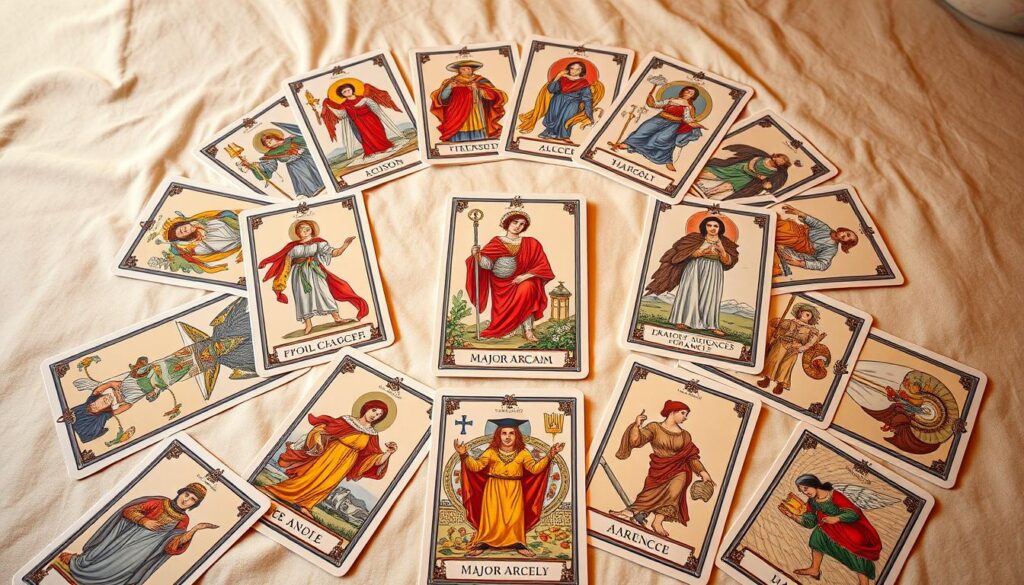
The Fool’s Journey traces a narrative from The Fool’s innocence to the completeness of The World.
The Fool’s Journey: from The Fool to The World
The sequence maps personal growth, so expressive faces and clear symbols make the story easier to read.
Choose majors with readable iconography — sun, moon, towers, and stars help you recall meanings fast.
Why some buyers start with Major Arcana-only readings
Majors-only pulls focus on big-picture themes and reduce overwhelm for beginners. They work well for reflective daily practice.
- The majors chart major life stages, so clear majors speed learning.
- Consistent titles and numbers stop you flipping through a guidebook constantly.
- If you can’t decide between two sets, compare the major spreads in product images; pick the one that draws you in.
“For life transitions, majors often surface most; choose a deck whose majors you love looking at.”
| Aspect | What to check | Why it matters |
|---|---|---|
| Imagery | Expressive faces and clear symbols | Speeds interpretation during readings |
| Labeling | Consistent numbers and titles | Reduces confusion for beginners |
| Sequence | Standard ordering vs renames | Standard helps learning; variants suit experienced users |
For readers who want to expand from majors-only practice to wider study, a thoughtful major set makes the transition smoother. See a related guide to psychic development for context in readings: exploring clairvoyant abilities.
Minor Arcana suits and what their themes mean for you
The Minor Arcana maps daily life into four elemental streams you can read at a glance. Each suit carries an element and a focus that helps you answer specific questions about work, feelings, thinking, and resources.
Pick a deck whose imagery makes each suit feel obvious to you. That clarity speeds learning and keeps readings honest and useful.
Wands: energy, creativity, willpower
Element: Fire. Wands signal action, ambition, and projects in motion.
Choose a deck where Wands feel lively and motivating. Those images help you plan and build momentum.
Cups: emotions, intuition, relationships
Element: Water. Cups speak to feelings, empathy, and connection.
Soothing or evocative artwork enhances reflective readings about love and personal bonds.
Swords: ideas, intellect, communication
Element: Air. Swords cover thought, truth, and conflict.
Look for crisp, readable imagery that helps you name problems and give clear advice without melodrama.
Pentacles: material world, body, stability
Element: Earth. Pentacles track work, health, money, and home.
Grounded visuals with coins, gardens, or tools make practical life questions easier to unpack.
- Browse gallery images for each suit to see whether the style helps you sense each element at a glance.
- Courts mirror personalities; choose artwork that makes Pages, Knights, Queens, and Kings quick to identify.
- For work or wellness questions, Pentacles-heavy imagery helps reveal nuance.
“Choosing a cohesive visual style across suits prevents confusion and supports smoother readings.”
| Suit | Element | Primary themes | What to look for in a deck |
|---|---|---|---|
| Wands | Fire | Action, creativity, will | Energetic art that inspires |
| Cups | Water | Emotion, intuition, relationships | Soothing, inclusive scenes |
| Swords | Air | Thought, conflict, communication | Crisp imagery for clarity |
| Pentacles | Earth | Work, health, resources | Grounded, practical symbols |
Iconic deck lineages: choosing your visual language
Visual lineage shapes how a deck speaks to you the moment you lay it out. Pick a family that matches your learning style and aesthetic taste. That choice speeds study and builds confidence.
Rider‑Waite‑Smith lineage—illustrated by pamela colman smith in 1909—popularized scene-based minors that many find easy to read. Rider waite imagery often becomes the default study system for beginners and teachers.
Tarot de Marseille keeps a classic European look with pip-style minors and bold, woodcut lines. It suits collectors and anyone who wants a study-forward, historic feel.
The Swiss 1JJ and regional variants started as game patterns but also work for divination. These sets bridge play traditions (like French Tarot and Königrufen) and modern reading uses.
“Choose the lineage that speaks your visual language — your connection to the art and symbolism matters most.”

| Lineage | Visual style | Best for |
|---|---|---|
| Rider‑Waite‑Smith | Scene-based, symbolic images | Beginners, everyday readings |
| Tarot de Marseille | Pip-style, historic woodcut look | Study, collectors, numerology |
| Swiss 1JJ / Regional | Game-oriented variants, updated trumps | Players and mixed-use collectors |
- Tip: Compare the same card’s images across lineages to see how symbolism shifts.
- Tip: If you want fast access to meanings, Rider waite derivatives are common and user-friendly.
Spotlight: Pamela Colman Smith and the Smith‑Waite Centennial
The Smith‑Waite Centennial honors a visual language that many beginners find instantly usable.

Why it matters: the Smith‑Waite Centennial is a faithful reproduction of the 1909 Rider‑Waite deck illustrated by pamela colman smith. This deck created in that era set a standard for clear, scene-based minors and symbolic majors.
Why this artwork is ideal for beginners
The scenes are approachable and story-like. Learners can “read the picture” instead of memorizing lists.
A smith tarot deck features consistent imagery from card to card. That consistency speeds recognition and reduces reliance on guidebooks.
Symbolism and imagery that guide intuitive readings
Colman Smith’s symbolism uses everyday details—gestures, objects, landscape—to link feeling with meaning.
Practical benefit: many study courses and books reference Rider‑Waite images, so an RWS-inspired deck created in this tradition aligns your practice with common resources.
“Subtle, story-rich artwork helps you remember meanings and build confidence in readings.”
| Feature | Smith‑Waite Centennial | Why it helps you |
|---|---|---|
| Imagery style | Scene-based, narrative | Makes meanings intuitive and memorable |
| Consistency | Uniform symbolism across the deck | Speeds learning and reduces confusion |
| Study compatibility | Matches common Rider‑Waite references | Eases transition to courses and books |
If you want a starting place that supports both intuitive reading and structured study, a smith tarot deck is a strong choice. For a focused example on how imagery guides interpretation, see this Seven of Pentacles overview.
Formats, finishes, and feel in hand
How a deck feels in your hands shapes whether you enjoy using it every day. Physical choices—stock, size, and backs—affect shuffle comfort and how a spread looks on the table.

Card stock and linen finish: durability and shuffle comfort
Thickness matters. Sturdier stocks resist bends and last longer, while flexible stocks riffle easily for frequent readers.
A linen finish improves grip, cuts glare, and extends life. If you handle a deck daily, this finish makes a real difference to shuffle feel and durability. Choose linen finish when you want both longevity and a pleasant tactile response.
Card size, borders, and backs: readability and aesthetics
Standard sizes feel cinematic during readings; smaller sizes suit compact practice and smaller hands.
Borderless images can feel immersive. Borders protect art edges and hide wear. Sleek backs help conceal orientation when shuffling and create a tidy table presence.
“Pick the combo of stock, finish, size, and backs that fades into the background—then your readings flow.”
| Feature | Best for | Why it matters |
|---|---|---|
| Thick stock | Long-term use, collectors | Durability and solid fan feel |
| Linen finish | Daily readers | Grip, low glare, longer life |
| Smaller size | Travel, small hands | Easier shuffling and portability |
| Borderless art | Visual impact | Immersive images, shows full artwork |
Shapes and innovations: from classic rectangles to round tarot
Design experiments have stretched beyond rectangles to reshape how we read and hold a deck. Alternative shapes can change how imagery reads and how reversals or directionality behave during a spread.
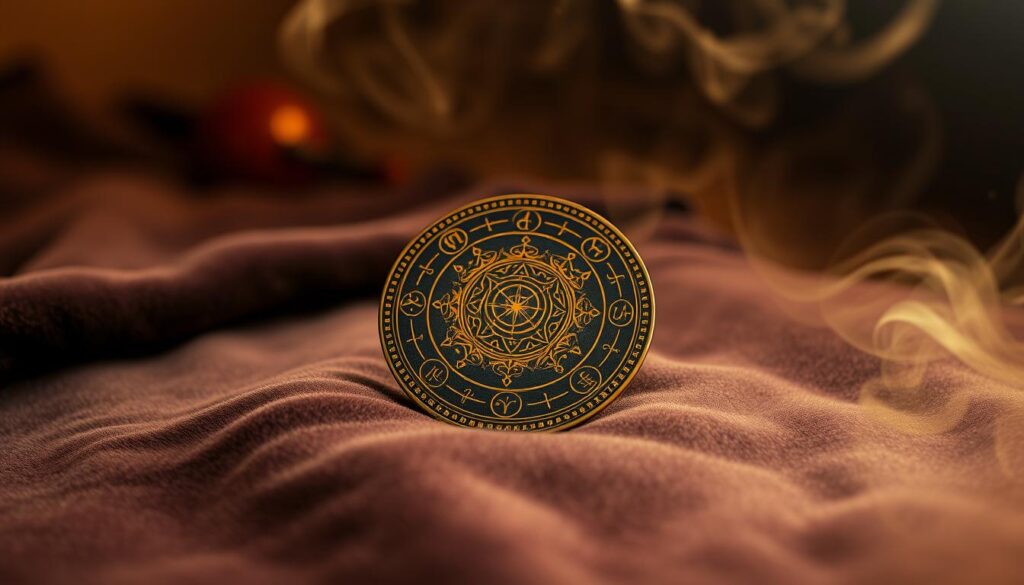
Motherpeace round tarot and the reading experience
Motherpeace made circular formats visible to many readers. The motherpeace round tarot popularized a communal, ergonomic layout that invites readers to circle up and work collaboratively.
Round formats remove the simple upright/reversed binary. Angles and position gain nuance and can hint at emphasis, flow, or relational focus.
When to consider a new tarot format or original deck
Try a round tarot deck if you want expressive art to breathe in new ways and you enjoy directional cues beyond reversed meanings.
- Round designs add directional nuance and emphasize cycles or lunar themes.
- Consider storage: nonstandard shapes often need special boxes or pouches.
- Check community feedback for wear patterns and shuffle comfort before committing to a new tarot deck.
For many readers, a unique format refreshes a seasoned practice. Still, beginners may prefer standard rectangles first for ease of learning and handling.
“Form should support clarity—choose innovation when it enhances interpretation and joy.”
What’s included: guidebooks, boxes, and how they help you learn
A strong guidebook and protective box turn a handsome set into a usable learning kit. Many cartomantic decks ship with booklets that range from detailed manuals to slim pamphlets. Those choices matter for how quickly you learn and how long the deck lasts.
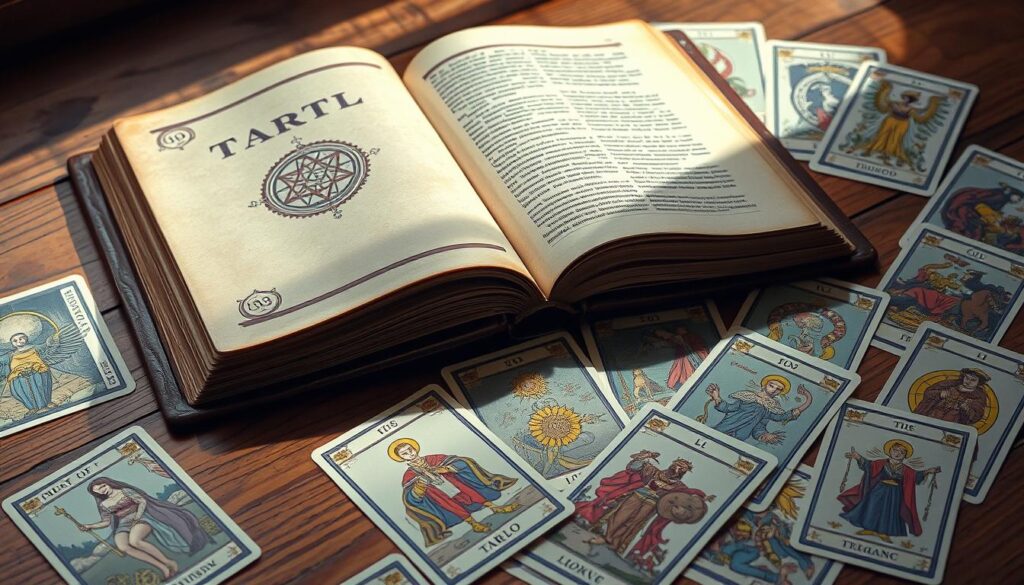
Comprehensive guidebook vs pamphlet: learning curves
Comprehensive guides give card-by-card meanings, suggested spreads, and historical notes. They work well for self-study and for readers who want consistent references.
Pamphlets cover essentials and save packaging space, but beginners may need external resources. If you prefer step-by-step instruction, choose a deck with a full guidebook.
- Protection: a two-part rigid box keeps corners crisp; a tuck box is lighter but wears faster.
- Extras: reference cards, spread mats, or journals make a deck an all-in-one learning kit.
- Visual learners: pick guidebooks with full-color images that match your deck exactly to avoid confusion.
- Travel readers often prefer magnetic boxes or tins that secure a deck inside a bag.
- Check that any included index uses the same names and numbering as the deck to avoid mid-reading mixups.
“A thoughtful guidebook and durable box can extend the life and usefulness of your purchase.”
For help developing intuitive skills alongside printed guidance, see this short primer on building clairvoyant practice: how to get clairvoyance.
Price and value: how much should a tarot deck cost?
How much you spend usually reflects paper quality, printing, and packaging choices. That simple fact helps you set expectations before you click buy.
Budget, midrange, and premium tiers each offer different trade-offs. Budget options keep the price low with simpler printing and lighter boxes. They work well for practice, but they may show wear sooner if you read daily.
Midrange sets balance cost and quality with better stock, crisper ink, and sturdier packaging. Many buyers find this the sweet spot for long-term use.
Edition notes: originals, classic reprints, and first runs
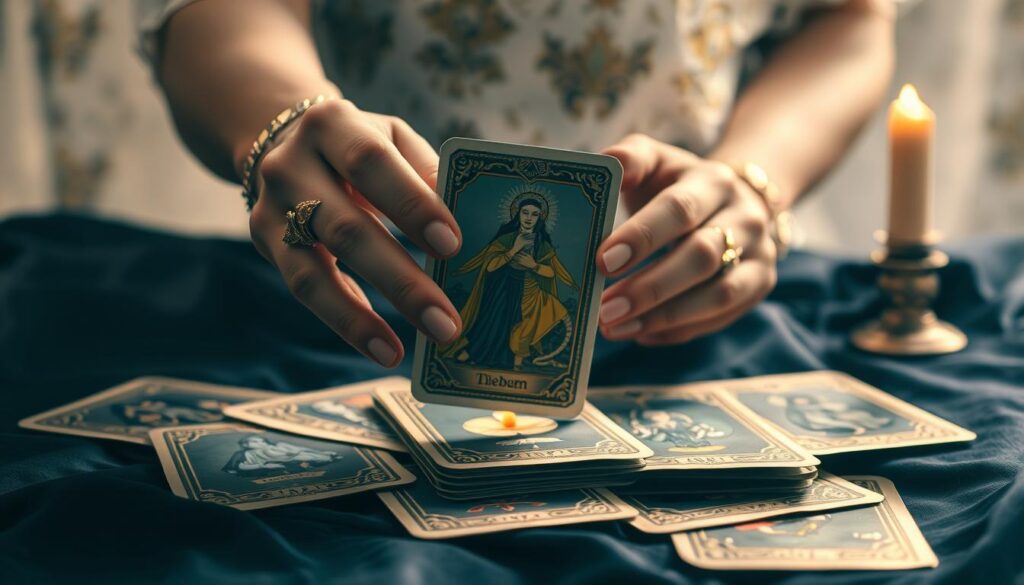
Historically faithful reprints like Marseille or Visconti‑Sforza vary in price based on color correction and run size. A deck original or a tarot deck original label can mean first print runs or creator-published editions.
- Premium: linen finish, specialty inks, archival box.
- Midrange: quality stock, guidebook, solid box.
- Budget: starter friendly, lighter packaging.
“Check product specs—size, stock, finish, and edition notes—to match price with tangible details.”
| Tier | Typical price | What to expect |
|---|---|---|
| Budget | $10–$25 | Basic print, simple box, decent for practice |
| Midrange | $25–$60 | Better stock, clear printing, useful guidebook |
| Premium | $60+ | High-end finishes, extras, limited or signed runs |
Beginners’ picks: deck traits that make learning easier
Start with a set that turns symbols into stories you can grasp at a glance.

Clear scene-based minors vs abstract pips
Scene-based minors help beginners read the picture. Figures, gestures, and simple scenes turn meanings into immediate cues. This speeds recall and builds confidence.
Abstract pips reward study of numerology and suit elements. They are excellent for deeper work but can slow early progress for learners who want fast wins.
Symbols, color, and artwork that support memorization
Look for images with clear focal points and expressive figures. Your eye should land on the story without hunting for clues.
Color cues reinforce memory: warm tones for Wands, cool tones for Cups, airy palettes for Swords, and earthy hues for Pentacles. Legible titles and numbering cut lookup time and build confidence.
- Companions: a full guidebook and reference cards speed memorization in the first weeks.
- Balance: choose artwork that is detailed but clear so meanings emerge as you grow.
- Comfort: stock and finish that shuffle easily keep you practicing more often.
“Pick the deck that excites you visually; enthusiasm speeds learning more than any single feature.”
| Trait | Best for beginners | Why it helps |
|---|---|---|
| Scene-based minors | Quick intuitive reading | Turns symbolism into story |
| Pip-style minors | Numerology study | Teaches counting and suit focus |
| Color cues | Memory reinforcement | Speeds suit recognition |
| Guidebook / refs | Accelerated learning | Reduces lookup friction |
Final tip: if overwhelmed, start with a classic Rider‑Waite‑Smith lineage deck for clear images, then branch out once basics feel steady.
For readers and collectors: style, art, and symbolism depth
Artistic choices shape how a reading lands. Color, contrast, and pacing of imagery guide focus and emotion during a spread.

Imagery and light/dark tone for different life questions
Light and shadow affect interpretation. Brighter palettes lift resilience and hope. Deeper tones invite nuance and honest reflection.
Choose a deck by mood: gentle palettes suit personal growth work. Dramatic contrast fits transformative themes.
Artist-led interpretations and modern takes on classic systems
Many contemporary creators reinterpret RWS and Marseille imagery while keeping a familiar structure. An artist may add new symbols or change figures to widen representation.
- Artist-driven sets often deepen symbolism and unify visual pacing across 78 images.
- Collector editions highlight the art with larger sizes or premium finish to show details.
- Read an artist’s statement to see what influenced the deck created and whether its message fits your practice.
- For broad use, favor a versatile style that adapts to many life topics instead of a narrow theme you may outgrow.
“A seasoned illustrator who plans images across a full suite usually gives you a more coherent reading experience.”
Using your tarot deck: simple readings to get started
A three-card layout is a fast way to practice reading rhythm and structure. It keeps focus on story and helps you build confidence without getting lost in complex spreads.
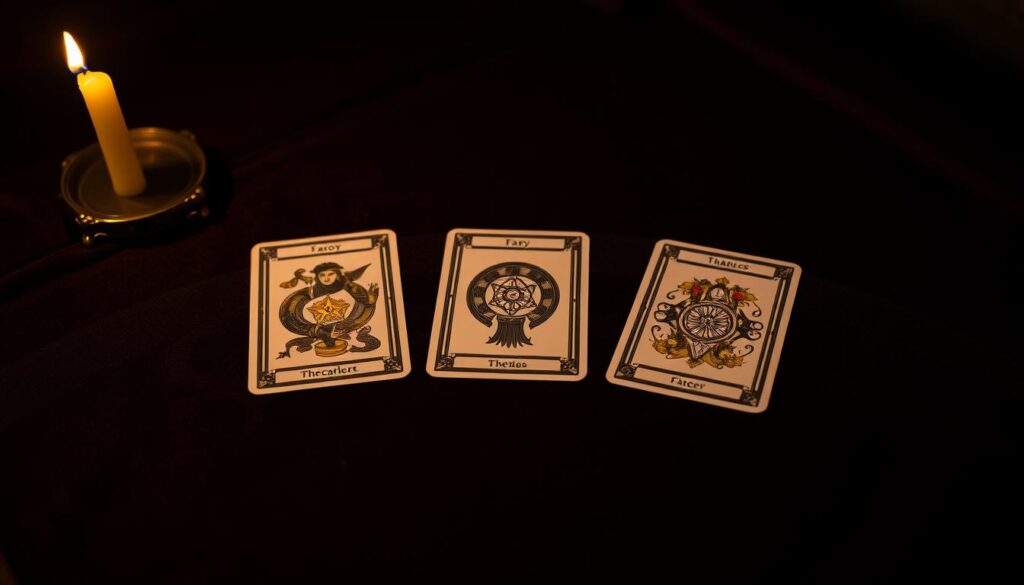
Set up a 3-card spread: past, present, future
Shuffle until you feel ready, then deal three cards left to right. Read the first as past, the second as present, and the third as future.
Tip: turn one card at a time and say its story aloud. Speaking links images into a coherent narrative and reveals connections.
Shuffling, drawing, and keeping a reading journal
Shuffle in a way that feels natural—overhand, riffle, or a gentle wash. Consistency trains your hands and mind to sync before each pull.
Log date, question, pulled card names, and short notes in a journal. Revisit entries to spot repeating themes and growth over time.
- Practice: try a majors-only day for big-picture insight; the Major Arcana can guide clearer outcomes.
- When a reading hints at completion, The World often signals closure—use surrounding details to refine that meaning.
- For readers working with emotion and wishful insight, see the Nine of Cups overview for how feeling-focused pulls can land.
“Keep readings grounded: ask focused questions and frame advice into small, actionable steps.”
Authenticity and use-cases: playing cards vs divination decks
Deck purpose matters. A historical set made for play will feel different from a modern reader’s edition. Knowing why a set was designed helps you pick one that fits your intent.
Recognizing game-use packs and cartomantic editions
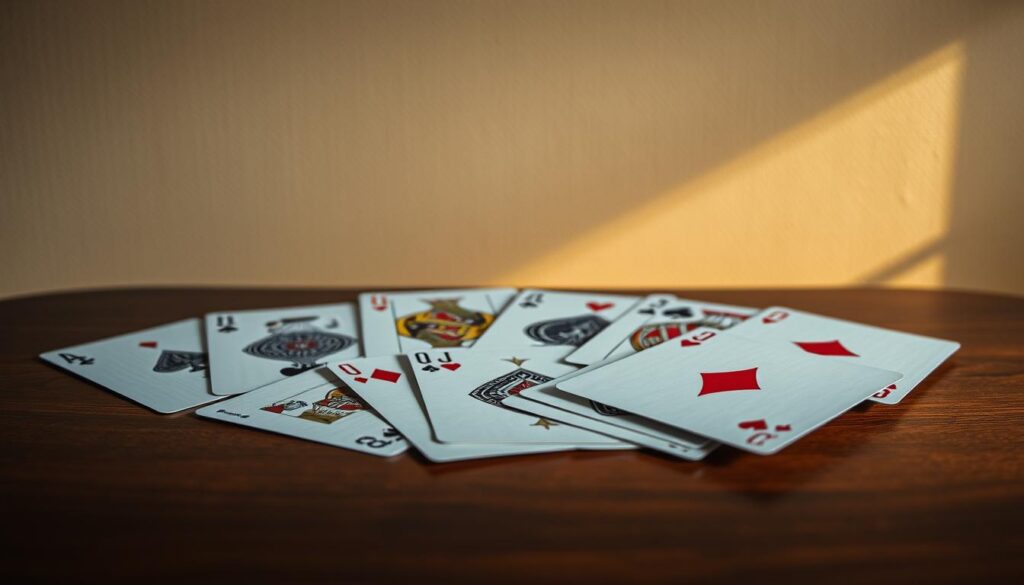
Playing cards built for salon games tend to list rules, point systems, or regional names like French Tarot, Cego, or Königrufen on the box. They keep pip-style minors and faithful trump orders.
By contrast, reader-focused decks highlight scene-based art, guidebooks, and inclusive imagery. These edits often adapt a classic tarot lineage so meanings read easily at a glance.
- Authenticity starts with purpose: gaming packs emphasize handling and historic specs; cartomantic editions favor symbolism.
- Look for rulebook references or point tables to identify a game pack quickly.
- Classic patterns such as Marseille or Swiss 1JJ can bridge both uses if you want historical accuracy and reading flexibility.
- Compare product pages: gaming sets list counts and suit specifics; reading decks sell imagery and theme.
“Decide by use: pick a faithful game pack for play or a clear symbolic set for readings.”
| Feature | Game-use | Reader-focused |
|---|---|---|
| Primary aim | Trick-taking and historical play | Interpretation and meaning |
| Minor style | Pip-style, sparse scenes | Scene-based, narrative art |
| Package info | Rule names, point details | Guidebook, artist notes |
| Best for | Players, collectors of original tarot | Readers, learning practice |
Conclusion
Let your hands judge stock and size first — comfort predicts how often you’ll use a deck.
Match purpose with format: pick a set that fits study, display, or readings and check linen finish, backs, and card feel before you buy.
Balance art you love with clear printing and sensible price. A Rider Waite–style system is a solid starting point for many readers.
Keep one reliable workhorse and add a round tarot deck or an artist original deck for special sessions. When imagery, color, and handling align, the practice feels effortless and a little magic follows.
Trust what feels right, check specs, and let your practice evolve.
FAQ
What are the main parts of a 78-card deck and why do they matter?
A full 78-card deck splits into the Major Arcana (22 trump-like images) and the Minor Arcana (56 suit cards). The Major Arcana show archetypal scenes useful for big themes, while the Minors break into four suits—Wands, Cups, Swords, Pentacles—that map to energy, emotions, mind, and material life. Knowing this helps you pick a deck that supports the kinds of readings you want to do.
How should a beginner choose a deck that fits their goals?
Start by clarifying purpose: study, readings, collecting, or play. For learning, choose a deck with clear scene-based minor illustrations and a helpful guidebook. If you want an art-forward object, look for editions with strong artwork and solid production values. Also consider card stock and finish for shuffle comfort.
Why is Pamela Colman Smith often recommended for new readers?
Pamela Colman Smith’s imagery in the Rider‑Waite‑Smith lineage offers clear, narrative scenes packed with symbolic cues. Those visuals make intuitive interpretation easier for beginners and remain a foundation for many modern designs and instructional systems.
What differences matter between budget, midrange, and premium decks?
Price affects card stock weight, finish (linen or smooth), printing fidelity, box quality, and extras like guidebooks or special edition artwork. Budget decks work fine for practice; midrange often balances art and durability; premium editions add collectors’ touches and high-end materials.
How do round formats like Motherpeace change the reading experience?
Round formats alter how you fan, shuffle, and lay out the deck, which can feel more tactile and organic. They also change visual flow and spread options. Choose a round deck if the shape enhances your ritual or aesthetic preference.
What should I look for in packaging and guidebooks?
Look for a sturdy box that protects the deck and a guidebook that matches your learning style. Comprehensive books offer card-by-card meanings, spreads, and exercises. Short pamphlets are fine for experienced readers or collectors focused on artwork.
Are some decks better for intuitive readings than others?
Yes. Decks with rich, figurative imagery and clear symbolism tend to support intuitive work. If you prefer a symbolic or minimalist approach, abstract pips or artist-led reinterpretations may suit you better. Test cards visually to see if they spark immediate impressions.
What role does card finish play in usability?
Finish affects shuffle feel and longevity. Linen or embossed finishes grip better and resist wear; smooth finishes slide easily but may scuff quicker. Consider how often you’ll shuffle and whether you travel with the deck when choosing finish.
How do historical card-game lineages differ from divinatory decks?
Game-oriented regional decks (like Tarot de Marseille or Swiss 1JJ) follow traditions used for play and may lack scene-based minors. Divinatory decks, especially Rider‑Waite‑Smith derivatives, often include illustrative imagery meant to support reading and interpretation.
Should I buy a reprint or an original classic deck?
Reprints often improve preservation, card quality, and availability while staying faithful to original art. Originals hold historical and collector value but can cost more and show wear. Choose based on budget and whether authenticity or usability is your priority.