
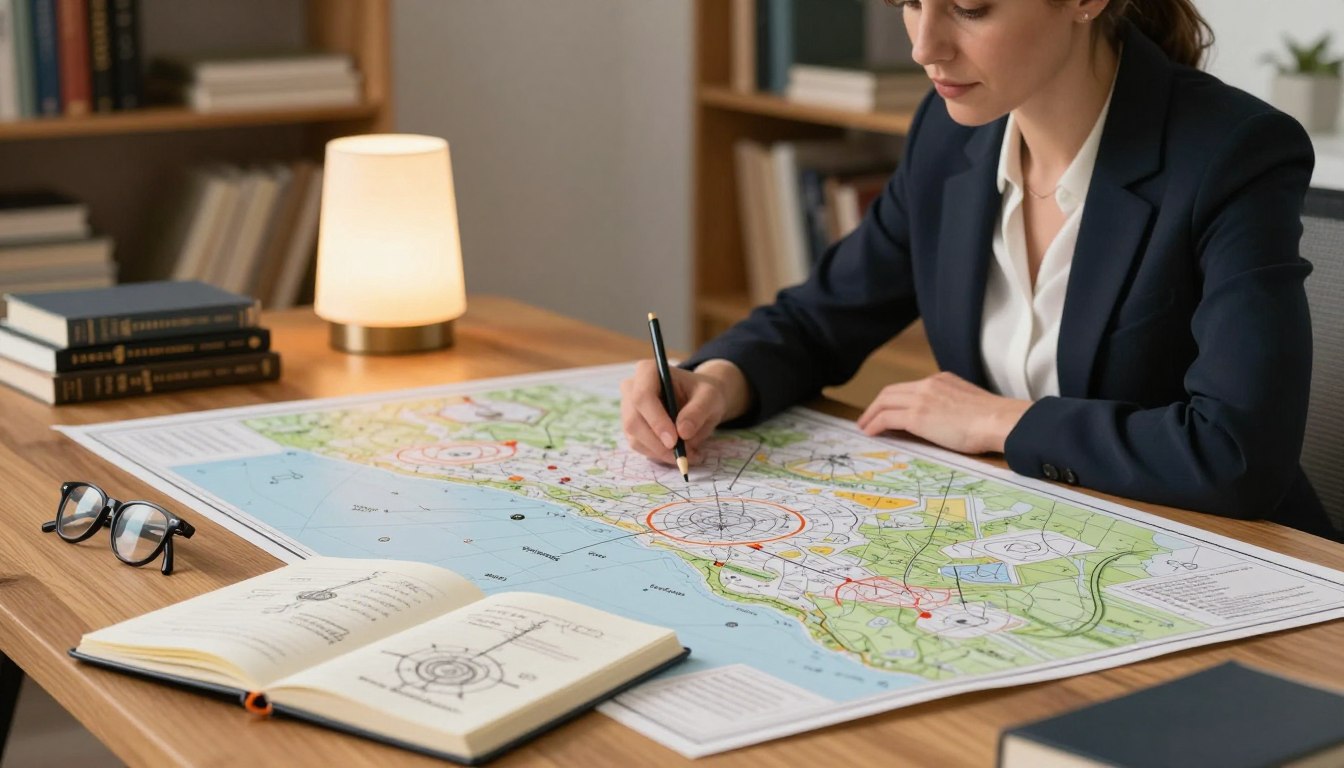
Start here to learn how a simple set of numbers can act as a mental bridge. The Stanford Research Institute developed protocols to ensure blind testing, and those methods still guide practice today.
A clear coordinate gives a viewer a neutral anchor. This helps the mind focus and organize impressions during a session.
Using a specific point allows you to gather images, numbers, and other data in a controlled way. Over time, the process sharpens your ability to translate subtle information into meaningful descriptions.
In this short guide you will learn the basics of how a random code can unlock access to consciousness and latent psychic abilities. Practical exercises and structured practice help turn impressions into useful data. See simple exercises at guided practice and learn healing energy techniques that pair well with focused work at energy exercises.
Key Takeaways
- Stanford protocols created blind-test methods that shape today’s practice.
- A coordinate acts as a neutral anchor for focused mental work.
- Short, structured sessions help organize impressions into images and data.
- Interpreting numbers and symbols builds practical ability over time.
- Pair practice with guided exercises to speed learning and consistency.
Understanding Remote Viewing Targets for Beginners with Coordinates
Neutral number pairs act like blank labels that keep the conscious mind from guessing.
The Role of Random Numbers
The Stanford Research Institute (SRI) created a numeric ID system so a viewer receives no clue about the target ahead of time.
Random numbers like 4821-7293 or 1536-8924 act as neutral anchors. They prevent analytical overlay and let impressions emerge naturally.
The Stargate Project confirmed these IDs reduced mental interference during testing. This protocol helps a viewer access intuition rather than prior knowledge.
Why Coordinates Are Not GPS
These numeric tags are arbitrary identifiers, not satellite data or map references.
They cannot be searched in any database because they carry no geographic meaning. Instead, they simply label a specific item so the viewer can focus on images and information.
“By keeping the session blind, the viewer can record raw impressions without introducing guesses.”

- SRI found random numbers stop the conscious mind from grasping at details.
- The Stargate Project used the same approach to maintain strict blind conditions.
- Tools like zvarik.cz can generate a numeric ID tied to a hidden image to practice the method.
| Use | Example | Benefit | Notes |
|---|---|---|---|
| Random ID | 4821-7293 | Neutral anchor | Prevents analytical overlay |
| Practice Tool | zvarik.cz | Easy generation | Ties ID to hidden image |
| Protocol | Stargate method | Blind testing | Validated by research |
To explore how clairvoyant skills and focused perception link to this practice, see an in-depth guide on clairvoyant abilities.
Preparing Your Environment for a Successful Session
A calm, consistent environment helps the mind tune into subtle signals during a session.
Find a quiet spot where you can relax and sit or lie comfortably. Many viewers prefer a cushioned chair or bed to hold focus without strain.
Switch off your phone and block harsh sunlight. Reducing external noise and bright light keeps the conscious mind steady. This makes it easier to receive clear impressions and images.
Set a routine: use the same room, lighting, and start ritual each time. Consistency helps your consciousness enter a meditative way faster.

Use structured platforms when you practice. Social RV offers over 300 unique targets and the community has logged more than 7,500 sessions. That volume proves regular practice yields better data and skill growth.
“Record impressions immediately after each session to preserve raw notes.”
Keep a journal and note any numbers, images, or sensations. This habit turns fleeting impressions into usable information and helps the serious student track progress. Learn more about developing psychic skills at psychic powers.
Executing Your First Remote Viewing Session
Open a session with a few slow breaths to quiet chatter and invite subtle sensations.
Meditation and Mental Focus
Begin by centering on breath. Use a 4/2 tempo: inhale four counts, hold two, exhale four, hold two.
Dr. Courtney Brown stresses that meditation reduces imagination noise and clears a path for genuine data. Maintaining steady breathing helps the mind relax without wandering.
Managing Sensory Impressions
Let sensations arrive naturally. Many viewers notice temperature, pressure, or simple images before a full scene forms.
Note shapes, colors, and textures rather than naming objects. This prevents the thinking mind from guessing and keeps your impressions raw and useful.
Recording Your Data
Keep a simple log during the session. Write down numbers, sketches, single words, and brief sensations as they appear.
Follow a strict protocol to avoid accidental influence. After the session, reveal the target and compare your notes to the actual information.
- Use clear, short entries to preserve first impressions.
- Maintain focus on the coordinate so the connection remains steady throughout the session.
- Consider pairing this practice with related exercises like energy healing to support concentration and calm.
“Record impressions immediately after each session to preserve raw notes.”

Conclusion: Advancing Your Consciousness Research
Regular, blind practice helps each viewer turn raw impressions into usable data. Consistent sessions train the mind to spot true signals and reduce imagination noise. This steady work advances your personal research and adds useful information to the broader field.
Mastering the basics of the coordinate system keeps every session objective. A clear anchor lets a viewer record impressions without guessing. Over time, your ability to read subtle sensations and images strengthens.
Keep challenging yourself with new targets and strict protocols. Pair practice with related exercises like healing energy or explore focused rituals such as a distance intent practice to support concentration. Your dedication helps expand our understanding of consciousness and the potential of the mind in viewing research.
FAQ
What are coordinates and how do they help a viewer?
Coordinates are short numeric or alphanumeric cues used to prompt impressions. They act as neutral pointers to a specific session cue so a viewer’s mind can gather sensory impressions, images, and data without conscious guessing. Treat them as simple tags rather than maps; the goal is to focus attention, not to provide location details.
Are the numeric cues the same as GPS or map coordinates?
No. Numeric cues used in sessions are not geographic coordinates like GPS latitude and longitude. They are arbitrary identifiers designed to be random and free of semantic meaning. This prevents conscious associations and helps the mind access impressions untainted by prior knowledge.
How do random numbers support unbiased perception?
Random numbers reduce expectation and memory bias. When a cue has no obvious pattern or meaning, the conscious mind cannot easily guess specifics. This allows subtle sensory impressions, emotions, and mental images to surface more reliably during a session.
What basic setup helps create a consistent session environment?
Keep the space quiet, dim the lighting, and remove distractions like phones. Use a comfortable chair and a simple notebook for sketches and notes. Consistent timing and a simple ritual, such as a short breathing exercise, help stabilize attention and improve repeatability.
How long should a first session last?
Aim for 20 to 30 minutes for an initial session. That window balances focus and fatigue. Shorter sessions of 10–15 minutes can work for practice, while longer sessions risk mental wandering. Track time and your impressions to refine what works best.
What mental practices help improve focus during a session?
Simple mindfulness breathing and guided relaxation prepare the mind. Counted breaths, body scanning, and brief visualization of a neutral scene reduce internal chatter. The goal is relaxed alertness—calm attention without forcing images or conclusions.
How should sensations and impressions be managed during a session?
Note raw impressions first: shapes, textures, temperatures, emotions, and sounds. Avoid interpreting or chaining impressions into stories. Label sensations briefly, then move on. This preserves the integrity of incoming data and prevents premature conclusions.
What is the best way to record session data?
Use a simple protocol: timestamp, cue number, sketches, sensory lists, and any spontaneous words or emotions. Keep sketches loose; detail comes later. Digital audio recordings can supplement written notes, but ensure files are clearly labeled and stored securely.
How can beginners evaluate their accuracy?
Compare session notes to verified feedback after a blind target is revealed. Look for repeating motifs, correct sensory matches, and consistent descriptors rather than exact matches. Track results over many sessions to identify reliable signals versus noise.
What ethical considerations should viewers follow?
Respect privacy and safety. Avoid targeting private individuals or sensitive locations without consent. Use techniques responsibly, prioritizing research, personal growth, and lawful, constructive aims. Document intent and maintain transparency when working with others.
How often should one practice to improve abilities?
Regular short practice beats sporadic long sessions. Aim for several focused sessions per week, with pauses for reflection and feedback. Consistency builds perception skills, pattern recognition, and confidence in reporting impressions.
Are there tools or protocols recommended for structured sessions?
Several established protocols emphasize blind cues, staged phases, and structured reporting. Use a simple phase-based approach: cue presentation, initial impressions, detailed sensory listing, sketching, and scoring. Adopt what produces clear, repeatable data for you.
Where can I find training resources and research papers?
Look to university libraries, peer-reviewed journals on consciousness research, and reputable organizations that publish protocols and study results. Books by experienced researchers and documented case studies can provide structured exercises and practical tips.