
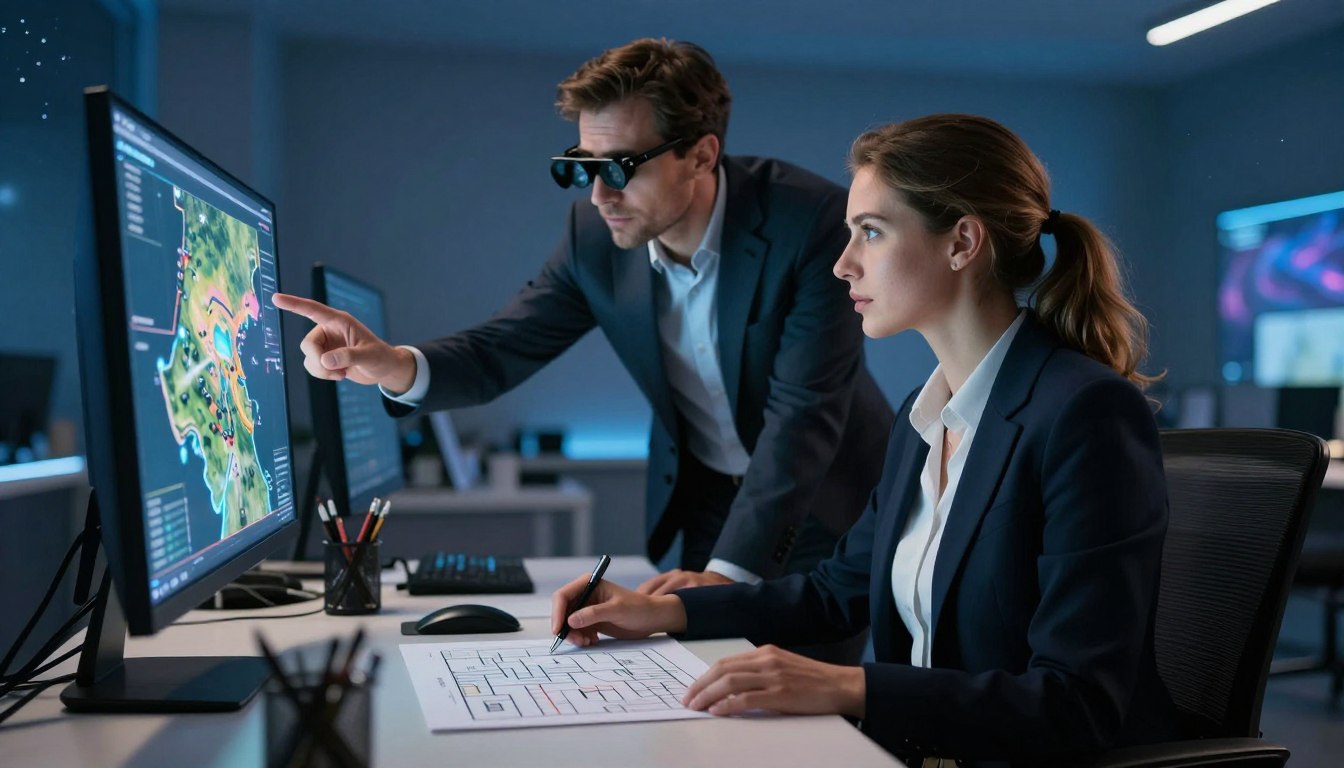
Remote viewing was named in 1970, sparking decades of curiosity about extrasensory perception. Many people have traced the term’s roots while exploring how consciousness can expand beyond physical senses.
The Monroe Institute offers the Gateway Voyage program. Participants often report life-changing experiences that shift their view of reality.
Trainer Marinda Stopforth notes that this skill is natural and grows with consistent practice. Developing such abilities takes time and steady effort.
Students build skills through a structured program that gathers information from unique sessions. Over time, people report deeper insight into their own potential and the wider world.
For guided exercises, consider exploring practical drills like those listed at remote viewing exercises. A steady routine helps maintain gains and keeps participants engaged.
Key Takeaways
- The term remote viewing dates back to 1970 and shaped modern interest in ESP.
- Gateway Voyage often produces deep, transformative experiences.
- Skills require time and consistent practice to develop.
- Structured programs help students gather useful information.
- Persistent practice expands consciousness and life perspective.
Understanding the Role of a Remote Viewing Monitor
A monitor’s role centers on holding the session space so a viewer can stay focused. The session guide creates a neutral frame where sight and thought do not intrude.
Defining the responsibility
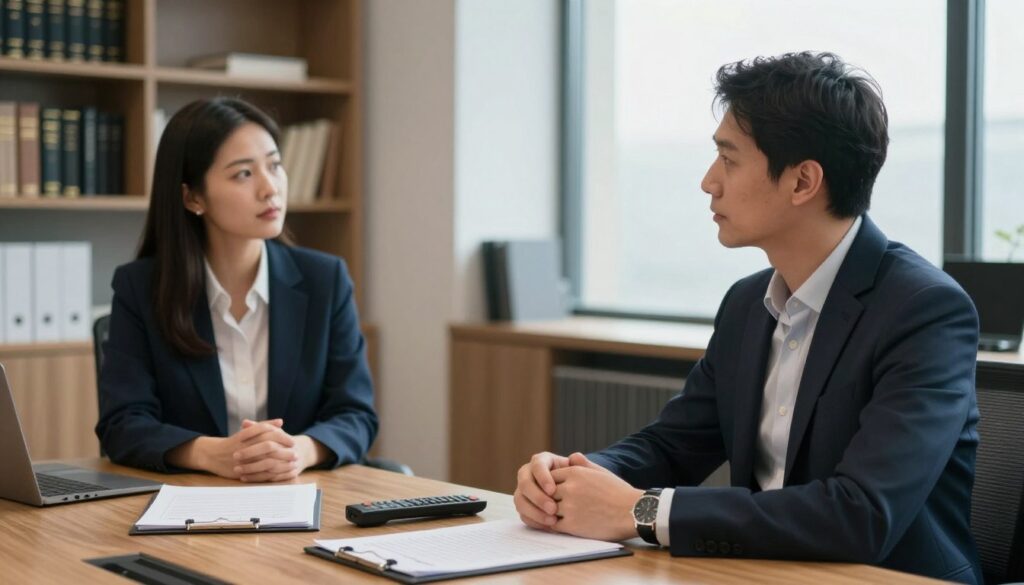
The monitor sits with the remote viewer and keeps the process on track. In strict protocol, every person in the room must not know the target. That preserves the value of each session.
The relationship with the viewer
Trust and professionalism matter. A good session partner protects the target information and gently refocuses the person when attention drifts.
“Neutrality and clear timing protect the integrity of the impressions that arise during viewing.”
- Support: Provide calm, distraction-free space for students.
- Integrity: Manage target data and avoid outside influence.
- Guidance: Help people translate impressions into useful knowledge for life.
For related training and professional pathways, see this paid psychic guide.
How to Become a Coordinate Remote Viewing Monitor
A clear study path blends classic books, steady practice, and guided video lessons.
The journey often starts with foundational reading. Many students study the book “The Seventh Sense” by Lyn Buchanan to learn the field’s history and methods. That book helps frame the CRV process and the terms students will use.
Lori Williams, owner of Intuitive Specialists, has over 20 years of experience teaching this military-style approach. She has worked with people from across the world and shaped programs that fit beginners and seasoned practitioners.
The training uses structured program content and instructional video material that guides the viewer through steps. By practicing the CRV method over years, a person learns to separate imagination from raw intuition and capture clear target information.
- Study key books and manuals.
- Follow step-by-step video lessons.
- Practice regularly and log results.
- Work with experienced instructors like Lori Williams.
| Resource | Purpose | Timeframe |
|---|---|---|
| “The Seventh Sense” (book) | History and protocol basics | Weeks |
| Instructional videos | Step-by-step demonstrations | Weeks–Months |
| Guided practice | Target ID and feedback | Months–Years |
The History and Scientific Context of Remote Viewing
Work by Russell Targ and Harold Puthoff at the Stanford Research Institute moved this controversial skill from anecdote into laboratory tests.
Origins at the Stanford Research Institute
In the early 1970s, physicists at SRI led careful experiments that put remote viewing under scientific scrutiny. Those tests asked participants to describe distant targets while researchers recorded impressions and scores.
The results were striking enough that the U.S. government funded follow-up work. CIA and Department of Defense backing created the Stargate Project during Cold War years.
Many participants reported accurate descriptions of target sites. Those sessions produced data that sparked debate across the scientific world.
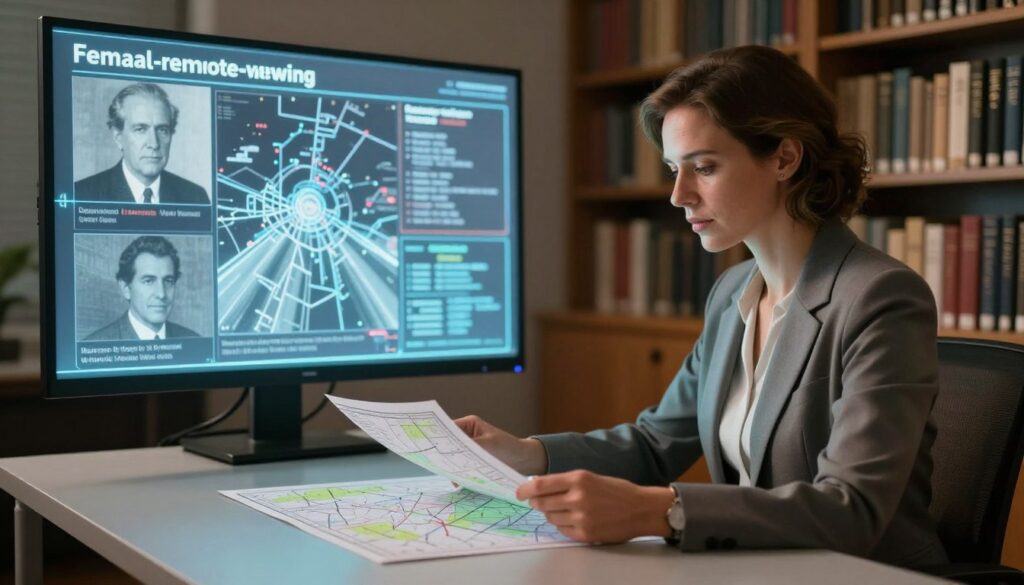
Scholars and practitioners later compiled records in a book and in academic papers. Over time, this body of information formed the foundation for modern practice and study.
| Institution | Focus | Key Outcome |
|---|---|---|
| Stanford Research Institute (SRI) | Controlled experiments on perception | Documented hits and sparked peer review |
| Stargate Project (CIA/DoD) | Applied research for intelligence | Multi-year funding and archival records |
| Academic authors | Analysis and preservation | Books and papers that inform today’s practitioners |
Today, the historical record helps people place these experiences in context and judge the phenomenon with clearer evidence. For related practical pathways, see this psychic detective guide.
Essential Skills for Effective Monitoring
Maintaining a calm and unbiased field is central to any successful session. A good guide protects the process so impressions can arrive without interruption.
Neutral presence matters. The guide must resist the urge to name or judge impressions. This keeps information pure and useful for later review.
Regular practice builds key skills. Over time, the guide learns subtle cues that show a viewer is connecting with the target. Those cues help with timing and gentle redirection.
Conscious management is vital. The training program stresses that the guide must manage personal thoughts and feelings. Projecting ideas can skew results and confuse the viewer.
- Hold an impartial frame so intuition can surface.
- Guide without analyzing impressions during the session.
- Spend steady time on practice to read subtle signals.
- Protect the integrity of information for later feedback.
These skills help people support others as they explore expanded abilities and bring meaningful insight into daily life. For related notes on psychic skills, see psychic powers.
The Importance of the Double-Blind Protocol
A well-run double-blind setup removes bias and preserves data integrity during sessions. This control ensures neither guide nor participant knows the target in advance. That simple rule keeps impressions free from subtle cues.
Why strict controls matter
Why Double-Blind Matters
When researchers use double-blind methods, the results carry more weight in the world of remote viewing. Joe McMoneagle has long urged strict adherence to these steps. His work shows that clean protocols produce verifiable information rather than anecdote.
Maintaining Neutrality During Sessions
During sessions, the guide must guard every detail and avoid accidental cues. Each person involved stays neutral and quiet. That stance protects the viewer and the data gathered over time.
- Protocol: Neither party knows the target before the session.
- Attention: Watch for slips that might give away hints.
- Training: Students learn that this program and practice yield credible results.
“Strict protocols are the foundation for any credible experimental result in this field.”
| Element | Purpose | Outcome |
|---|---|---|
| Double-blind | Prevent bias | Verifiable data |
| Neutral guide | Protect impressions | Cleaner reports |
| Structured practice | Build skill | Reliable detail |
Training Programs and Professional Development
Today’s courses mix foundational reading with guided session practice and video lessons.
Professional development often starts with a structured program. Many people enroll in courses that cover basic and advanced methods. These programs offer clear steps and regular practice.
Students frequently study a textbook by experts like Lyn Buchanan. That book gives historical context and protocol details. Watching an instructional video helps learners refine technique and timing.
Over the years, programs have evolved. They now include feedback loops, peer sessions, and curated content. This helps students apply skills in daily life and gain lasting experiences.
- Curriculum: Mix of book study, video demos, and guided sessions.
- Practice: Repeated drills with professional feedback.
- Outcome: Clearer impressions and useful information for life.
| Offering | Focus | Typical Length |
|---|---|---|
| Foundational program | Basics and protocol | Weeks–Months |
| Advanced training | Complex techniques and feedback | Months–Years |
| Continuing education | Peer review and new content | Ongoing |
Distinguishing Between Remote Viewing and Clairvoyance
Practices that emphasize structure often yield more reliable impressions than spontaneous sight alone. This section clarifies the main methodological differences so readers can choose the right approach for study or practice.
Key Differences in Methodology
Remote viewing follows set steps and documented protocol. A trained viewer records impressions in phases, which helps isolate detail and reduce bias.
Clairvoyance often arrives as sudden images or flashes. It can be vivid but lacks the checks that make data verifiable over time.
- Protocol vs. spontaneity: The program-style method emphasizes sequence and repeatability.
- Detail and measurement: Trained viewers focus on measurable detail about the target rather than open-ended visions.
- Skill development: A person who practices protocol gains consistency; intuition still plays an important role.
In professional settings, students learn to separate imagination from factual impressions. That way, the quality of information improves and feedback can refine abilities.
Overcoming Common Myths About Psychic Abilities
Popular stories make psychic abilities seem mystical, yet method and repetition explain much of the skill.
Many people assume remote viewing only belongs to those born with special gifts. In fact, structured training and steady practice help most people learn reliable protocols.
Another false idea is that a remote viewer can see everything at any time. Sessions often yield partial, symbolic, or fragmentary information about a target. That partial data still guides useful insight when logged and reviewed.
Watching an educational video clarifies expectations and shows that regular practice matters more than sudden talent. A supervised program also reduces fear, proving the process is safe and methodical.
- Reality: Skills grow with practice and feedback.
- Limits: Reports are often symbolic, not cinematic.
- Safety: Training protects the integrity of sessions.

| Myth | Fact | Benefit |
|---|---|---|
| Only gifted people can do it | Structured practice teaches skills | More people can participate |
| Viewers see everything clearly | Impressions are often partial or symbolic | Records improve interpretation |
| Practice is risky | Supervised programs emphasize safety | Students gain confidence |
For a clear primer on related sight-based experiences, see exploring clairvoyant abilities.
Conclusion
Mastering the role of a session guide yields deep insight into human consciousness and offers practical skills you can apply in daily life.
Following a structured program helps people develop the core abilities needed to support others during remote viewing sessions. Consistent practice over time refines skill and builds reliable reports.
As more people join these programs, collective knowledge grows and the field gains clarity. This guide aimed to share essential information and clear next steps for anyone ready to begin.
For related practice and energy support, see the healing energy guide for complementary techniques that many find helpful.
FAQ
What does a Coordinate Remote Viewing (CRV) monitor do?
A monitor guides sessions, prepares targets, records impressions, and ensures protocols are followed. They keep the process structured so the viewer can focus on perception and reporting without bias.
What responsibilities define the monitor’s role?
Responsibilities include briefing the viewer, assigning coordinates or targets, applying double-blind safeguards, documenting results, and providing clear feedback. Monitors also manage time, handle session logistics, and maintain ethical standards.
How should a monitor interact with a viewer?
The monitor stays neutral, uses concise prompts, and avoids leading language. Supportive but detached interaction helps maintain signal integrity and prevents contamination of impressions.
What steps are involved in training for this role?
Training covers protocol knowledge, practice sessions, session logging, and studying case examples. Many aspiring monitors take courses from established programs, read key books, and gain hands-on experience with volunteer viewers.
Where did this method originate?
Research at the Stanford Research Institute in the 1970s is a major origin point. That work laid out systematic procedures, produced experimental data, and influenced later civilian and academic interest.
What background knowledge helps a monitor excel?
Useful knowledge includes experimental design, documentation practices, basic psychology, and familiarity with intuition-based techniques. Strong listening skills and attention to detail are essential.
Why is a double-blind protocol important?
Double-blind design prevents expectations from shaping outcomes. Neither the viewer nor the monitor knows target details, which reduces cueing and improves the credibility of results.
How does a monitor maintain neutrality during sessions?
Neutrality is maintained by using scripted prompts, avoiding feedback until after data collection, and keeping personal reactions private. Good monitors follow written protocols consistently.
What training programs are reputable for monitors?
Look for programs with documented curricula, experienced instructors, and hands-on practice. Check reviews, sample lesson plans, and whether they emphasize protocol rigor and ethical conduct.
How does this method differ from clairvoyance?
This approach uses structured protocols, targetblind procedures, and repeatable session formats. Clairvoyance often implies spontaneous perception, while coordinate-based methods emphasize documentation and testing.
What common myths should be debunked about this field?
Myths include the idea that anyone instantly has accurate perceptions or that emotion alone ensures success. Real progress comes from disciplined practice, protocol fidelity, and objective evaluation.
How much practice is typically needed to become competent?
Competence depends on frequency of sessions, quality of feedback, and mentorship. Regular practice with well-run sessions and critical review accelerates skill development more than sporadic attempts.
Can monitoring be done remotely or must it be in person?
Monitoring can be remote with secure digital protocols and clear timing procedures. Remote setups require extra attention to data integrity and participant verification.
What tools help monitors document sessions effectively?
Standard tools include session logs, timestamped audio or video, blind target envelopes or digital equivalents, and secure storage for records. Good documentation supports analysis and learning.
How do monitors evaluate results objectively?
Use blind scoring methods, independent judges, and statistical checks. Comparing impressions against control targets and keeping detailed logs reduces bias and clarifies performance.