
,
Energy healing is a complementary approach that describes a life force—called qi or prana—that may influence well-being. In plain terms, the phrase “how does energy healing work?” asks what people mean when they seek relief, calm, or balance for body and mind.
This short guide covers core concepts, common techniques, what a session looks like, remote options, possible benefits, and safety notes. Many try this for relaxation, stress support, and better health, not as a replacement for medical care.
Some methods involve gentle touch while others use a non-touch approach. That difference matters for comfort and access, especially for new users or those with physical limits.
The article centers on balance in body and life as a theme. If you have serious symptoms, see a healthcare professional first. Read on with a curious but grounded view; this material is informational and respectful of both believers and skeptics.
Key Takeaways
- Energy healing describes a life force that may affect well-being.
- This guide explains techniques, sessions, and remote options.
- Methods can be hands-on or non-touch for accessibility.
- It is complementary self-care, not a substitute for medical help.
- Focus is on restoring balance for body and mind.
What Energy Healing Is and Why People Try It
Many people come to these practices seeking calm, relief from tension, or a clearer sense of balance.
Roots and basic ideas
Energy medicine is a CAM term for methods that work with a proposed subtle field or life force.
Traditions name that force differently: Traditional Chinese Medicine calls it qi; Ayurveda uses the word prana. Both offer a framework for talking about flow, balance, and sensation.
Why people add this to care
In the United States, many use these approaches alongside conventional medicine and therapy as part of general wellness and supportive care.
Common goals include stress control, emotional support, easing pain or tension, and better mind-body balance. Some report clear shifts; others note simple relaxation. Both outcomes can be valid.
| Aspect | Tradition | Common Motivation |
|---|---|---|
| Subtle field | Qi (TCM), Prana (Ayurveda) | Balance, calm |
| Modern use | Complementary medicine | Stress relief, pain support |
| Expectation | Relaxation to shifts | Well-being, greater clarity |
how does energy healing work?
The core idea centers on restoring balance in the body’s field so people move from feeling wired and tired to regulated and calm.
The core idea: restoring balance in the body’s energy field
Practitioners say problems appear when flow energy gets stuck. That can show up as muscle tension, racing thoughts, poor sleep, or low motivation.
What “blockages” and disrupted flow can feel like
Blockages are described as patterns, not medical labels. Folks often notice heaviness, tightness, or scattered attention when the system is out of sync.
Hands-on vs non-touch approaches
Hands-on methods use light touch or pressure to channel and clear. Non-touch methods hover or scan the field to recharge depleted spots.
Mind-body relaxation and benefits
Sessions often slow breathing and lower stress response. That relaxed state can support better clarity and may help physical and emotional balance.

| Aspect | What it targets | Typical sensation |
|---|---|---|
| Blockages | Tension patterns, racing thoughts | Heaviness, tightness |
| Hands-on | Local stuck spots | Warmth, pressure |
| Non-touch | Field scanning | Tingling, pulsing |
| Relaxation effects | Breath, nervous system | Calm, clarity |
Common Energy Healing Techniques and How Each One Works
Below is a concise menu of popular modalities, what each claims to do, and how sessions typically feel.
Reiki
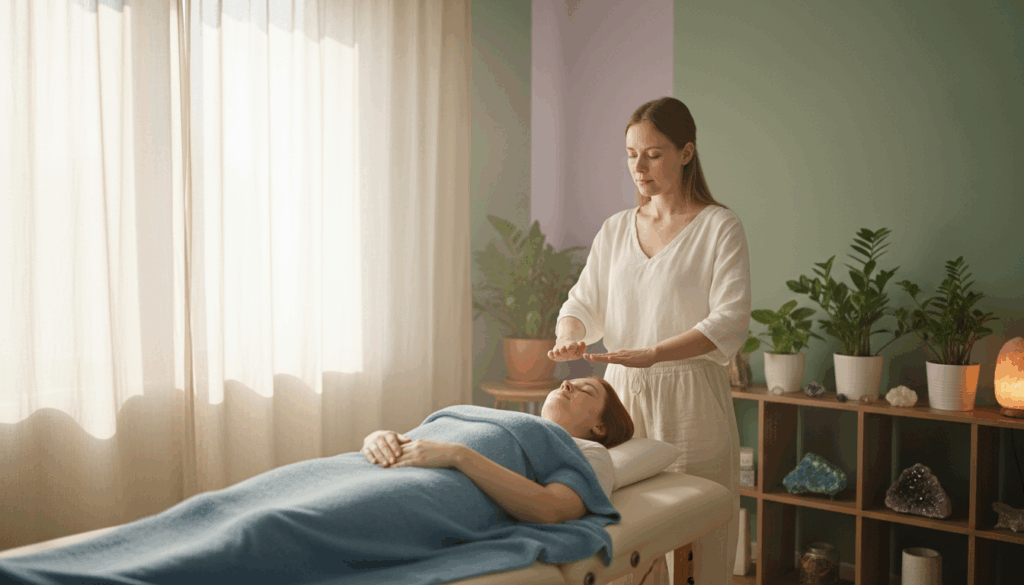
Hands lightly rest on or hover above the body while the practitioner focuses attention to support natural balance. Sessions are often used for relaxation and stress relief.
Acupuncture (Traditional Chinese Medicine)
Very thin steel needles are placed at acupressure points on the head, neck, back, and limbs to rebalance flow. Many seek this treatment for pain and regulation.
Pranic Healing
This is non-touch: a practitioner scans the aura for blockages, removes stuck spots, then “scatters” fresh field to recharge the person’s system.
Qigong
A self-practice of gentle movement and breathwork that boosts qi flow. People report lower blood pressure, less pain, and better sleep.
EFT Tapping
Tapping acupressure points while naming an upset thought, then pairing that with a constructive phrase to calm emotions and stress.
Therapeutic Touch / Healing Touch
Practitioners assess the biofield by passing hands over the body and clear imbalances without direct contact.
Polarity Therapy & Quantum Touch
Both use light pressure, breathing, and focused attention; Quantum Touch often targets specific pain areas during gentle touch.
Reflexology
Pressure on feet, hands, or ears to support pathways linked to muscles, glands, and organs. Many choose it for targeted relief and relaxation.
For more background on protocols and training, see this practical guide.
How a Typical Energy Healing Session Works (In Person)
A typical in-person session follows a clear flow from intake to a short debrief so first-timers know what to expect.
Initial intake and goals
The practitioner begins with a brief consultation about your goals, current symptoms, and recent stress levels. They ask about relevant health history and what you hope to gain from the session.
During the session
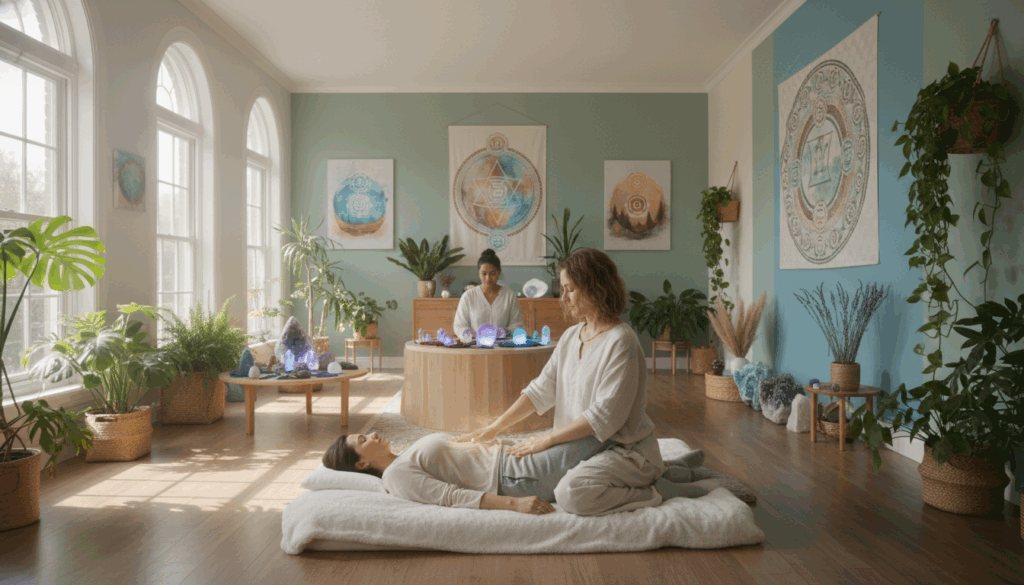
You stay fully clothed on a table or chair while the practitioner uses hands, hovering, or specific techniques. Some sessions include gentle tools like crystals or light touch depending on the modality.
Common sensations
Many notice warmth, tingling, pulsing, or vivid images. Emotional release or a deep sense of relaxation is common. Everyone’s experience varies and that is normal.
Post-session debrief
After the session, the practitioner shares observations and offers recommendations for self-care. Suggestions may include rest, hydration, and simple practices to support overall health.
| Stage | Focus | What you may feel | Follow-up |
|---|---|---|---|
| Intake | Goals, symptoms, stress | Short talk, clarity | Plan for session |
| Treatment | Hands-on or non-touch | Warmth, tingling, pulsing | Rest, notes |
| Debrief | Insights, recommendations | Calm, reflective | Self-care tips |
| Tracking | Post-session changes | Shifts over 24–48 hours | Log symptoms and sense |
How Remote and Distance Energy Healing Works Today
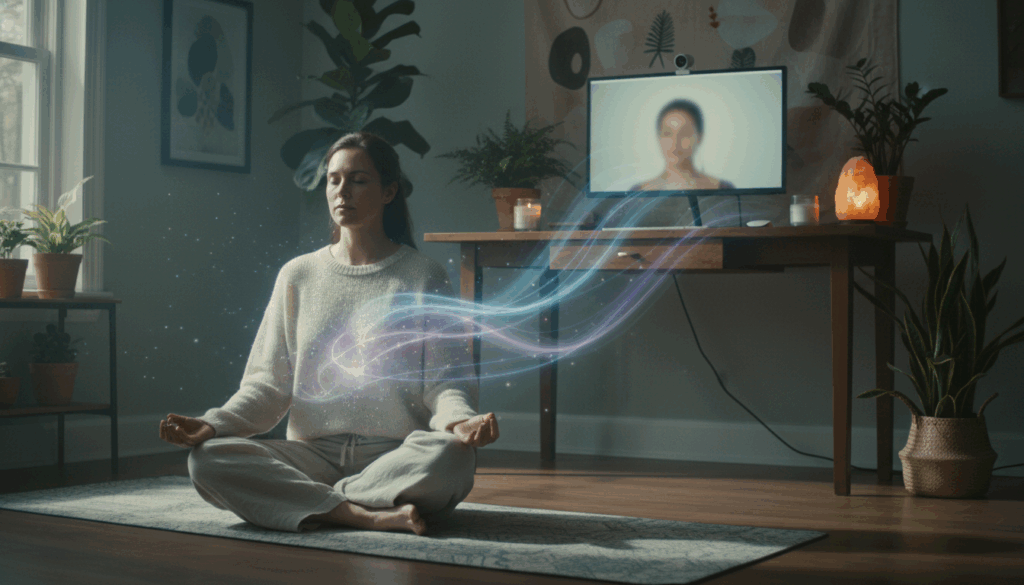
Virtual sessions let a practitioner guide focused work while you rest at home. Most run over video (Zoom or similar) and last about 45–60 minutes.
Before a session, clients set a quiet room, lie on a couch or bed, and angle a camera so the practitioner can see and hear them. Keep a blanket and eye mask handy. Stable internet and a charged device help the session flow.
Common remote modalities
Reiki, chakra clearing, and aura cleansing are often offered remotely. These methods use touch-free scanning and focused attention. Acupuncture requires needles and must be in person.
What the practitioner does
The practitioner leads breathing and guided relaxation, then uses focused attention and subtle techniques similar to in-person work. You may stay on camera or turn it off; many choose to relax off-camera while the practitioner continues.
Why people report calm
Clients report deep relaxation, tingling, and a clear mind after a session. Guided calm, steady attention, and nervous-system downshifts create a strong sense of peace even at a distance.
| Item | Typical setup | What you may feel |
|---|---|---|
| Time | 45–60 minutes, video call | Warmth, tingling |
| Place | Quiet room, camera view | Relaxation, calm |
| Modalities | Reiki, chakra, aura | Clearer mind, peaceful |
To read tips on remote technique and sending support, see this practical guide for more on distant practice and setup.
Benefits of Energy Healing for Mental Health and Overall Health
Clients often turn to these practices when stress and anxiety make daily life harder. Sessions aim to produce deep calm, gentle release, and clearer thinking so people can function more easily day to day.
Stress reduction, anxiety support, and emotional release
Many report feeling less reactive after a session. That drop in tension can lead to emotional release and a calmer mind.
These effects support coping with chronic stress and mild anxiety without claiming to cure conditions.
Better sleep, relaxation response, and improved quality of life
A steady relaxation response often improves sleep and daytime focus. Better rest then boosts overall functioning and lifts daily mood.
Small shifts in sleep and calm add up, improving overall health and quality of life for many people.
Supportive care for pain, tension, and recovery
Practices are commonly used alongside medical care to help ease pain and muscle tension during recovery. They are a complement, not a replacement, to treatment plans.
Mind-body balance: clarity, self-awareness, and optional growth
Beyond symptom relief, people often notice clearer thinking, more self-awareness, and, if desired, gentle spiritual growth.
Set realistic goals: pair sessions with hydration, movement, sleep routines, and therapy when needed. For background on training and protocol, see mental health.
What Research Says About Energy Healing (and What It Doesn’t)
Researchers have tested several modalities, and results point to symptom support rather than cures.
What studies suggest: Trials and reviews show acupuncture and Reiki among the better-studied approaches. Some randomized trials and reviews report reduced pain, lower anxiety, and improved mood after brief courses of sessions.
Examples include a 2014 review that found Reiki may reduce pain and anxiety, a 2011 trial with six 30-minute sessions showing mood gains versus no treatment, and a 2013 review reporting benefits of Healing Touch, Therapeutic Touch, and Reiki for cancer-related symptoms.

Why findings vary
Variation comes from different techniques, small samples, and differing controls.
Measurement of subtle outcomes is hard, and many studies use diverse session lengths and frequencies, which limits clear comparisons.
What research on remote work shows
A 2015 pilot with distant Reiki (30-minute sessions for five days) reported lower pain, anxiety, and fatigue in people receiving standard care plus remote sessions.
Clear limits and practical takeaway
Important: No credible evidence shows these therapies cure medical or mental conditions. They should not replace medical treatment or crisis care.
- Promising for symptoms: acupuncture and Reiki show potential for pain, anxiety, and mood.
- Not proven cures: therapies are supportive, not substitutes for standard treatment.
- Practical tip: try modalities as complementary care, track results, and keep your healthcare team informed.
| Study / Review | Modality | Sessions | Reported outcome |
|---|---|---|---|
| 2014 review | Reiki | Varied randomized trials | Reduced pain and anxiety (more research needed) |
| 2011 trial | Reiki | Six 30-minute sessions over 2–8 weeks | Improved mood vs no treatment |
| 2013 review | Healing Touch/Therapeutic Touch/Reiki | Multiple clinical studies | Benefits for cancer-associated pain, anxiety, QoL |
| 2015 pilot | Distant Reiki | 30 minutes daily for 5 days | Lower pain, anxiety, fatigue when added to usual care |
For an overview of common methods and training, see this resource for more on choosing techniques and practitioners.
Risks, Safety, and When to Talk to a Healthcare Provider
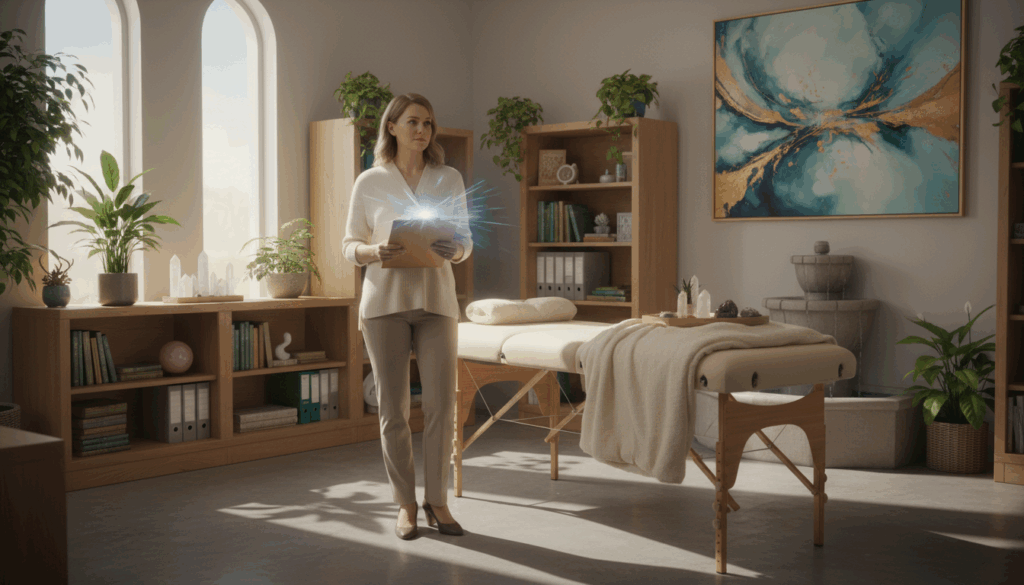
These practices pose low physical risk in most cases, yet they should fit into an overall care plan. Most methods are non-invasive with minimal physical manipulation, so side effects are rare.
Why many techniques are low-risk
Hands-off approaches and light touch mean fewer complications than invasive procedures. That said, common-sense safety still matters: check practitioner training and comfort with basic first aid.
When to consult a medical provider
Talk with a clinician for ongoing conditions, new or worsening symptoms, pregnancy, or complex medication regimens. If you have an acute problem or suspect a serious illness, seek immediate medical attention first.
Using these practices alongside medicine and therapy
Position complementary sessions as supportive care. Let your therapist or doctor know what you try so treatments stay coordinated and safe.
Red flags to watch for
- Promises to cure serious conditions or pressure to stop medication.
- Discouragement of standard evaluation for new symptoms.
- Practitioners who exceed their scope or offer diagnoses outside their training.
Choose a grounded practitioner who communicates clearly, respects medical plans, and supports integrated care. Your health system works best when approaches are thoughtful and coordinated.
How to Get Started: Choosing a Practitioner and Planning Your First Session
Move from curiosity to care by following a short plan for finding and booking a session.
Find reputable practitioners: Start with personal recommendations. Ask your doctor, therapist, yoga teacher, or friends. Check local wellness centers and spiritual communities. Use online directories with caution—some listings are not regulated.
Questions to ask before you book: What is your training and background? Which modality and techniques do you use? What does a typical session include and how long is it? What are fees and cancellation policies? How many follow-up sessions do you recommend?
Prepare your body and mind: wear loose, comfortable clothing and drink water before you arrive. Bring a sweater or blanket for comfort. Avoid heavy meals right before a session. Set a simple intention without forcing an outcome.
For remote sessions, create a quiet room, stable internet, and a place to lie down. Allow 15 minutes afterward to rest and note any sensations.
Track your progress
Keep a short log after each session: stress level, sleep quality, symptom changes, and shifts in energy or mood. Re-evaluate after a few sessions. Keep what helps and stop what doesn’t fit your needs or budget.

| Step | What to do | Why it matters |
|---|---|---|
| Ask for referrals | Talk to health pros, teachers, friends | Find trusted, local options |
| Interview | Confirm training, modality, fees | Set clear expectations |
| Prepare | Comfortable clothes, hydrate, quiet space | Better relaxation and results |
| Track | Log stress, sleep, symptoms, energy | Measure what helps over time |
For details on practitioner training and classes, see practitioner training and classes.
Conclusion
,
At its simplest, many traditions describe the body as a field of flow where sessions aim to restore balance and clear blockages.
Practical takeaway: people often seek these methods for calm, better sleep, and clearer thinking. Reported outcomes include relaxation and improved mental clarity.
Options you saw above include hands-on touch, non-touch scanning, movement and breath practices, and point-based methods like acupuncture or reflexology. Choose one that fits your needs and comfort.
Research is promising for some modalities (notably Reiki and acupuncture) but not conclusive. Use these practices as a complement to medical care for serious or ongoing issues.
Next step: pick a modality, try a session (in person or remote), and track stress, sleep, and mood. For chakra-focused options, see chakra balancing as a starting resource.
FAQ
What is meant by life force, qi, or prana?
These terms describe a subtle vitality believed to move through the body and support health. Traditions such as traditional Chinese medicine and Ayurveda call it qi or prana. Practitioners use movement, breath, touch, or intention to encourage smoother flow and restore balance in the body’s field.
How does this type of therapy fit with conventional care?
Many people use it as a complementary approach alongside medicine, psychotherapy, or physical therapy. Clinics, hospitals, and integrative health centers in the United States increasingly offer modalities like acupuncture and Reiki to support symptom relief, relaxation, and recovery without replacing medical treatment.
What is the basic principle behind restoring balance in the body’s field?
The core idea is that physical and emotional symptoms sometimes reflect disruptions in the body’s field. By clearing blockages and encouraging flow, practitioners aim to reduce tension, improve circulation, and support the body’s self-regulation systems.
What do blockages feel like in daily life?
People describe blockages as persistent pain, tightness, brain fog, fatigue, or emotional stuckness. Others notice anxiety, sleep problems, or reduced mental clarity when pathways feel restricted.
What’s the difference between hands-on and non-touch approaches?
Hands-on methods involve light touch or hovering hands, commonly used in Reiki and Healing Touch. Non-touch approaches, like pranic healing, involve scanning the aura and clearing energy at a distance. Both aim to shift attention, calm the nervous system, and encourage balance.
Can mind-body relaxation support symptom relief?
Yes. Techniques that slow breath, guide attention, and reduce sympathetic arousal often lower stress hormones, ease anxiety, and improve sleep. That relaxed state helps the body repair and can boost mental clarity.
What are common techniques and what do they do?
Popular options include Reiki (light touch or hands hovering to support flow), acupuncture (needles at acupoints to rebalance qi), pranic healing (non-touch aura work), qigong (movement and breath), EFT tapping (acupressure-point tapping with focused thought), Therapeutic Touch and Healing Touch (biofield assessment and clearing), polarity therapy and Quantum Touch (breath, touch, and pressure), and reflexology (pressure on feet or hands to affect pathways).
What happens during a typical in-person session?
Sessions start with an intake about goals, symptoms, and health history. The practitioner uses hands, attention, and chosen techniques while you lie or sit comfortably. Many notice warmth, tingling, emotions, or deep relaxation. Afterward, you’ll get recommendations for self-care and follow-up.
How do virtual or distance sessions work?
Remote sessions use video or phone to set intention and guide relaxation. Modalities like Reiki, chakra work, and aura cleansing adapt well to distance. Clients often report sensations of calm and peacefulness even when the practitioner is not physically present.
What benefits do people report for mental and overall health?
Reported benefits include reduced stress and anxiety, better sleep, eased muscle tension and pain, improved mood, and greater self-awareness. Many use these therapies as supportive care alongside medical or psychological treatments.
What does research say about these practices?
Studies show promising outcomes for modalities such as acupuncture and some Reiki trials for pain and anxiety, but evidence quality varies. More rigorous, larger studies are needed. These approaches are best seen as complementary rather than replacements for standard medical care.
Are there safety concerns or red flags?
Most techniques are low-risk and noninvasive. Avoid practitioners who promise cures, pressure you to stop prescriptions, or discourage medical evaluation for serious symptoms. Always inform your healthcare provider about complementary treatments you use.
How do I choose a reputable practitioner?
Seek referrals, check professional directories, and ask about training, certifications, session structure, and fees. Look for clear communication about scope of practice, contraindications, and how the modality complements medical care.
How should I prepare for a first session?
Wear comfortable clothing, hydrate, and bring notes about symptoms and medications. Set a simple intention and arrive with an open but realistic mindset. Plan gentle self-care afterward, like rest or journaling, to track effects.
How can I track whether a practice helps me?
Keep a brief log of symptoms, sleep, mood, and stress levels before and after sessions. Note changes in pain, energy, and clarity over several visits to spot patterns. Share findings with your practitioner and healthcare team to guide next steps.