
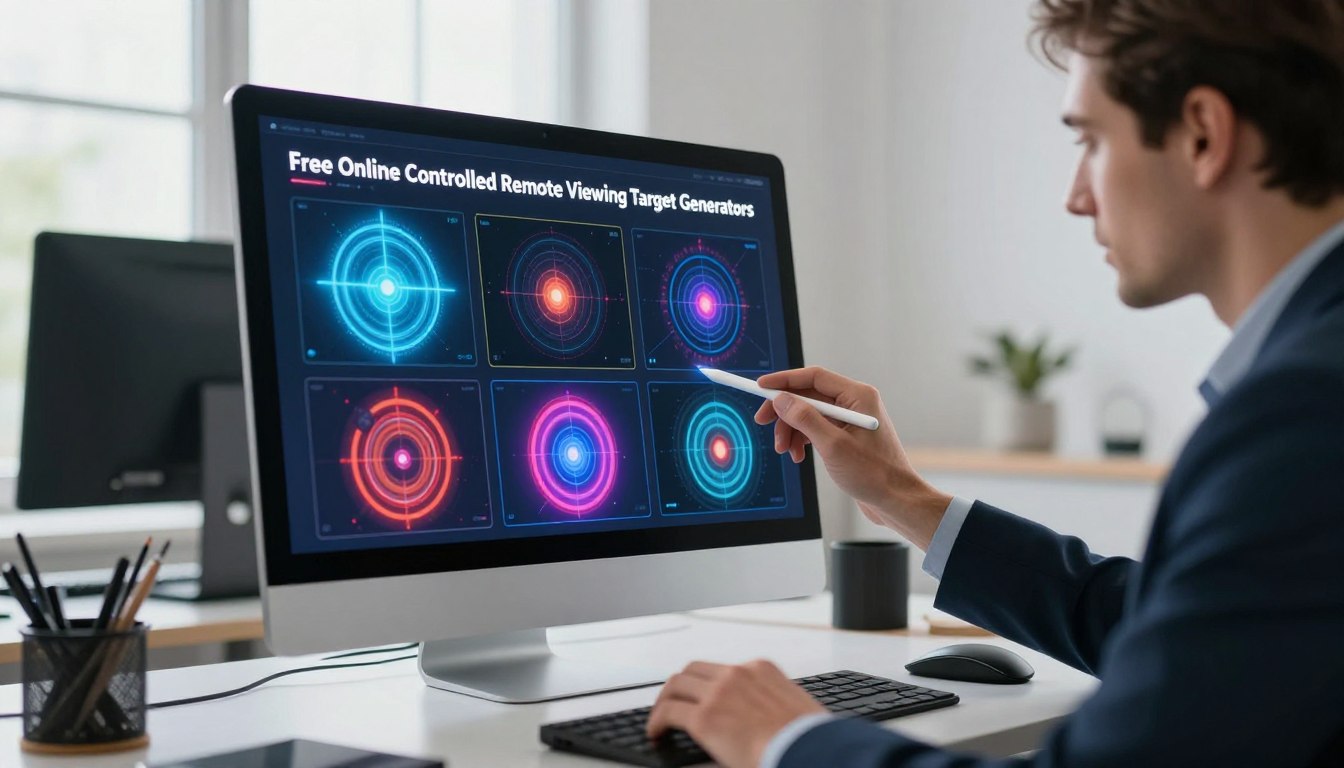
Remote viewing is a structured, trainable practice that helps people access information about distant places, objects, persons, or events. This guide introduces practical tools and a clear framework to sharpen those skills.
The Verevio app offers 5,900+ manually verified and mapped targets. That resource gives a steady supply of high-quality targets for practice. Using mapped locations helps you train in a structured and measurable way.
We examine the best tools that pair modern technology with proven protocols. Whether you are a curious beginner or a seasoned practitioner, these solutions provide a reliable viewing framework. For exercises, see a targeted set of practice drills at remote viewing exercises, or explore guided sessions at online psychic coaching.
Key Takeaways
- Structured practice boosts consistency and accuracy.
- Verevio supplies thousands of verified mapped targets for training.
- High-quality targets improve natural psychic abilities over time.
- Tools suit both beginners and advanced practitioners.
- Use guided exercises to build a repeatable skill set.
Understanding the Fundamentals of Remote Viewing
Knowing how the practice began clarifies why protocol and discipline matter in every session.
The Role of Targets in Perception
Targets serve as the focal point that channels a viewer’s attention to gather information beyond normal senses. In training, clear, consistent targets let students measure accuracy and improve their method.
Proper sessions use strict steps so a viewer stays focused on the target and not imagination. That discipline is a core part of learning abilities and producing repeatable results.

Scientific Origins of the Practice
Ingo Swann developed the core protocol in the early 1980s while working with military teams during the Star Gate era. Physicists Harold Puthoff and Russell Targ ran experiments at the Stanford Research Institute that supported the approach.
- Swann famously described Jupiter’s rings before spacecraft confirmation — a notable example of potential accuracy.
- Over the years the method moved from classified work to public training for dedicated remote viewers.
For practical guidance on focused energy and discipline that complements this training, see how to send healing energy.
Exploring Free Online Controlled Remote Viewing Target Generators
Access to verified, numbered entries makes practice measurable and repeatable.
The Verevio app hosts more than 5,900 manually verified and mapped targets, with 160+ new items added each week. This steady flow keeps every session fresh and challenging.
Each entry has a unique number that links to a specific image or location. Click the feedback button after your session to compare sketches and notes with the actual photo. That direct feedback is how many practitioners measure progress and refine abilities.
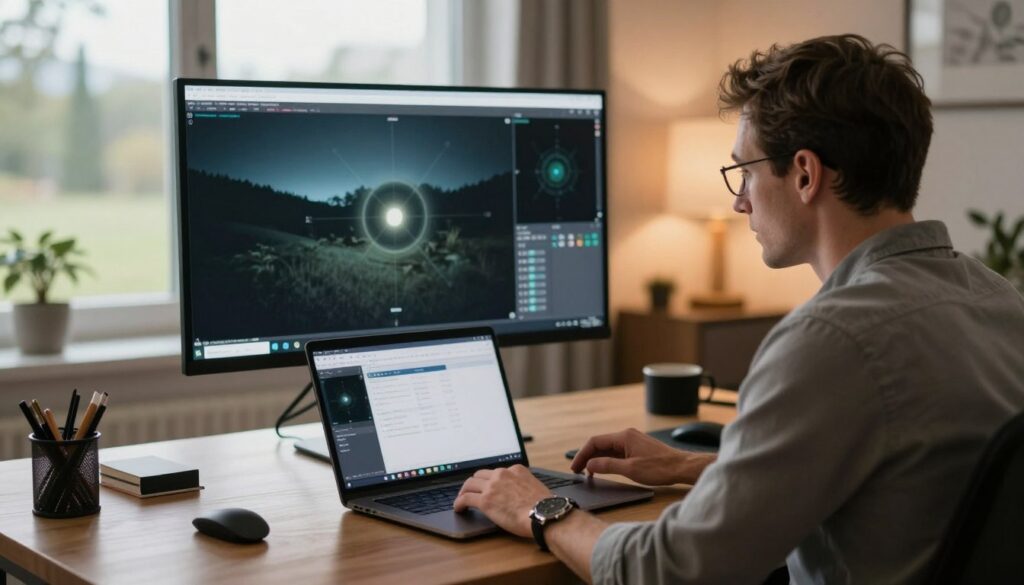
- Massive database: 5,900+ mapped entries for long-term practice.
- Flexible order: Practice in any order to fit your schedule.
- Specialized trainers: 22 trainers, including the Remote Viewing Nexus with 1,000+ handpicked items.
For guidance on structured sessions and coaching, consider exploring related psychic readings.
Selecting the Right Methodology for Your Practice
A clear practice approach helps you turn impressions into repeatable results.
Controlled Remote Viewing Protocols
Controlled remote viewing offers a strict, step-by-step framework. It guides a viewer through phases so data is recorded in a consistent order.
Major Ed Dames later expanded protocol with Technical Remote Viewing to add depth. That method can yield detailed results but may overwhelm beginners.
Intuitive and Freestyle Approaches
Freestyle methods let impressions flow without formal stages. Many find this style faster for creative insights during a viewing session.
Skip Atwater’s Extended Remote Viewing uses a near-sleep state to produce a steady stream of impressions. Use this method if you prefer continuous perception over checkpoints.
Associative Remote Viewing Techniques
Associative techniques link an image to a future event so you can predict outcomes. The process depends on careful selection of the image and later feedback.
- Frontloading button: click it to receive neutral data and avoid bias before a session.
- Every target number in the database is chosen to preserve a consistent training order.
- Follow the correct steps and compare feedback to your notes to refine your abilities over time.
“Choosing the right method is a crucial part of your development.”
For structured career guidance and paid practice tips, see how to become a paid psychic.
Best Practices for Maintaining Safety and Accuracy
Safety and accuracy begin when you pick calm subjects and keep strict session notes. Protecting your mental health is as important as honing skill. Choose neutral images and avoid emotionally charged content.
Keep firm boundaries. Paul H. Smith stresses separating the practice from daily life. If a specific number or image causes distress, stop the session and switch to a benign subject.
Follow a clear feedback routine. Never press the feedback button until you finish the session and record all initial impressions. Delaying feedback prevents bias and improves results.
- Maintain safety by avoiding phobia-triggering targets.
- Use a high-quality photo to stay grounded, but respect personal limits.
- Keep the session transcript with the matching image to track accuracy over time.
“Maintain a clear boundary between the session and daily life.”
For steps to tighten your approach and improve accuracy, see improve readings. A calm method and proper records help viewers produce consistent, safer results.
Conclusion
A steady routine with mapped numbers helps you turn impressions into reliable results.
Mastering remote viewing takes regular practice with verified targets and clear notes. Use a simple number or a mapped image to stay measurable.
Follow a structured, controlled remote method to protect your focus and refine your abilities. Treat feedback from each session as a core part of growth.
Keep ethics and safety first. Explore new targets and varied techniques in small steps. When you want guidance, see the remote viewing guide for more tools and tips.
FAQ
What is Controlled Remote Viewing (CRV) and how does it differ from general intuition?
CRV is a structured protocol developed to help practitioners gather impressions about a concealed location, object, or event. Unlike casual intuition or psychic hunches, CRV uses staged steps, reference rules, and feedback to improve repeatability and accuracy. The method emphasizes discipline, session notes, and feedback loops so viewers can track progress over time.
How do target selection and feedback work during a viewing session?
In a viewing session, a target is kept unknown to the viewer and presented by a monitor or generated through a randomized system. After the session, feedback—often an image or description of the actual site or event—lets the viewer compare impressions to reality. This cycle of session, feedback, and analysis improves skill, timing, and information clarity for viewers.
Are there different CRV protocols or viewing styles to choose from?
Yes. Traditional CRV follows a multi-stage protocol with structured cues. Many practitioners also use intuitive or freestyle approaches that prioritize spontaneous impressions, while associative techniques link responses to predefined outcome choices. Each approach serves different goals: protocol-driven work focuses on rigor, intuitive work on creativity, and associative work on decision-making tasks.
What should I look for when choosing a target generator or session tool?
Look for reliable randomization, clear target storage, and straightforward feedback options like images or event descriptions. Security and user privacy matter if sessions are logged. Also check whether the tool supports session records, scoring, and export features so you can analyze results over months or years.
How can I maintain safety and mental health while practicing viewing methods?
Set clear boundaries, limit session length, and schedule regular breaks. Avoid targets that may be emotionally disturbing. If intense imagery arises, pause and ground yourself with breathing or a short walk. Many experienced practitioners keep a journal and consult peers or mentors to process difficult sessions safely.
What types of feedback images or data are most useful after a session?
Photographs, maps, event timelines, and concise factual summaries work best. Visual feedback helps confirm spatial impressions, while timelines and descriptions validate sequence and context. Good feedback is specific, allowing accurate comparisons and measurable scoring of session results.
Can beginners expect consistent results quickly?
No. Skill generally develops over time. Early sessions often yield vague impressions. Consistent practice, staged protocol work, and reliable feedback lead to gradual improvements in clarity and specificity. Tracking sessions and reviewing patterns helps accelerate learning.
How important is a monitor or facilitator during a session?
A trained monitor helps maintain protocol integrity, provides unbiased target delivery, and offers objective feedback. For beginners, having a monitor improves discipline and reduces self-cueing. Solo sessions are possible but require stricter self-control and randomized target handling.
What is associative remote viewing and when is it used?
Associative techniques tie impressions to a set of predefined choices—like images linked to future market moves or event outcomes. Viewers describe which image or option resonates most. This approach is often used in predictive tasks, decision support, or applied experiments where direct description is less practical.
How do practitioners measure and improve accuracy over time?
Use scoring metrics, blind feedback, and statistical review of session outcomes. Regularly compare impressions to verified feedback and note recurring strengths or weaknesses. Many teams run controlled trials, log session times and conditions, and adjust protocols or training to refine abilities.
Are there community resources or organizations that support skill development?
Yes. Veteran groups, independent forums, and some training schools offer mentoring, peer review, and structured practice sessions. Look for experienced trainers, transparent methodology, and communities that emphasize ethics, documentation, and constructive feedback loops.
What ethical guidelines should practitioners follow?
Respect privacy, avoid targeting individuals without consent, and decline work that could harm others. Be transparent about limitations and avoid making definitive claims without corroborating evidence. Ethical practice includes clear record-keeping and responsible use of any information gained.