

Coordinate remote viewing is a structured protocol that trained practitioners used to gather usable information about a distant target. In a documented case, a person was located at the main railroad station in Weimar, Germany while waiting for a train.
The method allowed teams to pinpoint a location without being at the site. Structured sessions produced tangible results that supported search efforts and guided ground teams toward the correct area.
Clear analysis of session notes and sketches made the information actionable. This article shares an example of how disciplined viewing sessions and careful analysis helped identify a person at a crowded transportation site.
Key Takeaways
- CRV is a formal protocol that delivers targeted data when applied correctly.
- Structured sessions can produce actionable results in complex environments.
- Thorough analysis of session notes improves accuracy and relevance.
- Understanding the target area is vital; the Weimar station case shows practical success.
- Interested readers can practice basic exercises via remote viewing exercises to learn sighting skills.
Understanding the Fundamentals of Remote Viewing
Researchers turned an intuitive skill into a disciplined process at a major research institute. This work made the faculty repeatable and testable under strict controls.
Remote viewing is best described as a structured mental faculty that lets a person perceive details about a target shielded from the senses. Scientists at the Stanford Research Institute (SRI) developed protocols to keep results objective and reduce imagination.
The practice uses a trained viewer in a controlled room to access impressions about a target behind the iron curtain. This setup helped the U.S. government study the potential strategic value of the ability during the Cold War.
Why this matters:
- The scientific approach separates a professional viewer from a fortune teller.
- Research into consciousness suggests the human mind can extend beyond the body during sessions.
- Structured protocols make collected data more reliable and actionable.
Defining the Human Faculty
Below is a quick comparison of core elements that researchers tracked during experiments.
| Element | What It Measures | Operational Benefit |
|---|---|---|
| Perception | Quality of sensory impressions | Helps validate accurate hits |
| Protocol | Steps to limit bias | Increases repeatability |
| Control | Blind conditions and targets | Separates data from guesswork |
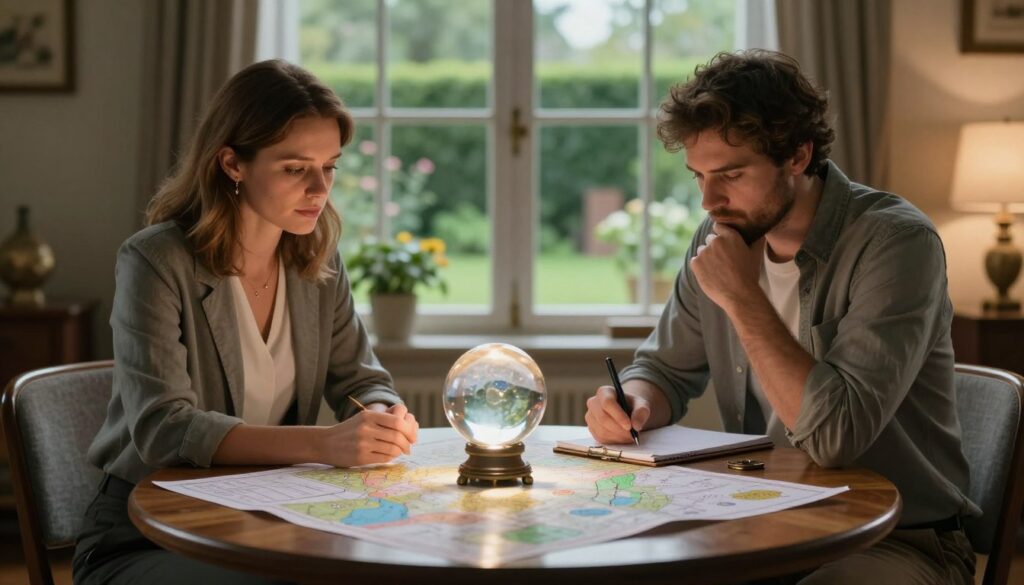
To explore practical training and how to become a skilled practitioner, see become a psychic detective.
Historical Context and Military Applications
Project Stargate became the best-known U.S. Army program that trained personnel over more than twenty years to gather intelligence using an atypical mental faculty.
The program tasked trained operators to sketch layouts of Soviet facilities and to locate lost aircraft behind the iron curtain. These efforts answered high-level military interest in targets such as a massive submarine and nuclear research sites.
Training emphasized strict controls so reports could be judged useful to commanders. That discipline helped shift how the world of intelligence viewed nonstandard collection methods.
“The program tested whether trained operators could supply actionable data about distant sites under controlled conditions.”
Below is a quick comparison of mission types and outcomes.
| Mission Type | Example Target | Operational Outcome |
|---|---|---|
| Facility layout | Soviet research site | Sketches aided imagery analysis |
| Asset location | Lost aircraft | Search areas refined |
| Strategic monitoring | Northern submarine | Raised agency interest |
Read a concise project overview to learn more about training and historical results.
Coordinate Remote Viewing Techniques for Finding Missing Persons
A calm environment and strict protocol make it easier to separate impressions from interpretation.
Preparing the Tasking Environment
Clear the room and the mind. Remove distracting items and ask the viewer to relax before the session. This lowers analytical overlays and helps sensory data surface.
Begin with a brief grounding exercise. A quiet set supports sketches and spontaneous marks that lead the process.
Maintaining Target Blindness
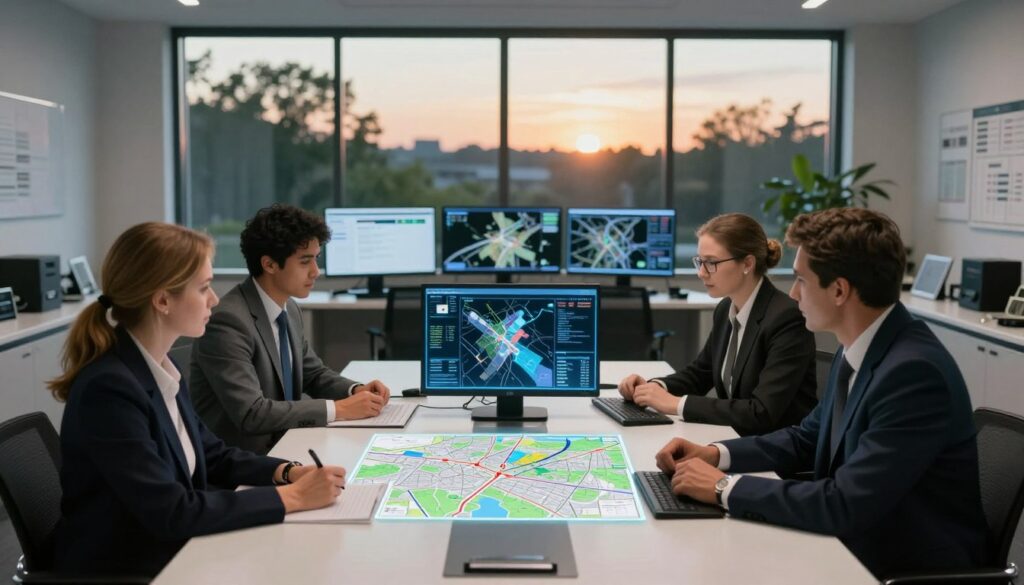
Maintaining target blindness is essential. The viewer should have no prior facts about the person or the site.
- Start the session with an ideogram — a single spontaneous mark that establishes contact.
- Focus descriptions on textures, temperatures, and simple sensory notes without naming objects.
- Allow the hand to sketch the area; drawings often bypass the analytical mind and reveal useful layout data.
Proper training ensures that collected data is a true description of the site and not a guess. A trained viewer follows the protocol and records impressions in stages.
For related practices on energy and focused intent, see send healing energy.
The Seven Stages of the Viewing Process
The process unfolds like a ladder, with each rung offering clearer contact between the mind and a distant area.
Stage I begins with initial contact. The viewer notes simple shapes and basic impressions of the site.
Stage II deepens sensory perception. The experience feels bodily; textures, temperatures, and smells can appear.
Stage III opens the aperture wider. Sketches and layouts let the viewer display the area visually.
Stage IV allows capture of complex data. Objects, persons, feelings, and abstract concepts surface here. This stage often supplies names and clearer roles.
Stage V is a focused data dump. Material below conscious awareness is gathered and recorded.
Stage VI strengthens contact with the site and refines earlier impressions.
Stage VII adds phonetics and naming. The viewer may access labels or short words that identify the target.

| Stage | Main Function | Output | Use |
|---|---|---|---|
| I | Initial contact | Basic shapes | Orient session |
| III | Visual display | Sketches/layout | Map the area |
| IV | Detailed capture | Persons, objects, emotions | Actionable clues |
| VII | Naming | Phonetics/labels | Confirm identity |
Practitioners often review stage notes to see how perception progressed. That review helps judge reliability and next steps.
Learn related energy practices that support focus and a calm body during sessions.
Analytical Methods for Evaluating Session Data
Analysts break session records into focused segments to spot patterns that point to a true site. A clear, repeatable process helps move raw notes into usable intelligence.
In-Depth Session Review
The team reads sketches, sensory notes, and stage markers line by line. They compare the written description and visual output against known facts. This step highlights concrete clues and flags weak impressions.
Identifying Out of Sequence Data
Analysts watch for entries that clash with the timeline or show inconsistent imagery. These out of sequence sets are marked and often excluded from the project’s final rating.
Establishing Data Reliability
Reliability grows when impressions repeat across sessions and when a viewer’s notes match external intelligence. Teams correlate multiple data sets and score hits to judge probability.
Good analysis turns scattered notes into a concise report that ground teams can use. To broaden methodological context, see this guide on clairvoyant abilities.

| Step | Focus | Outcome | Action |
|---|---|---|---|
| Review | Notes & sketches | Identifies clues | Rank impressions |
| Cross-check | Multiple sessions | Consistency score | Increase confidence |
| Filter | Out of sequence sets | Reduce false leads | Exclude from report |
Lessons from Past Operational Successes
Several historic examples reveal how trained viewers supplied precise descriptions that intelligence analysts could act on. These lessons show a consistent process: disciplined sessions, careful note-taking, and rigorous analysis.
In 1979 Joe McMoneagle described a massive submarine under construction in northern Russia. His notes included structural details such as missile tubes. Later satellite intelligence confirmed many of those specifics.
Pat Price offered a striking example in 1974 by describing the Rinconada Park pool complex. Details he recorded matched features later verified by photographs taken decades earlier.
Why it mattered: government teams used results to refine inquiries at sites like Semipalatinsk. Repeated hits across sessions increased confidence in the data and guided actionable decisions.
“These examples highlight the nature of consciousness and its ability to access information across both space and time.”
| Case | Year | Output | Operational Impact |
|---|---|---|---|
| Joe McMoneagle | 1979 | Submarine description (missile tubes) | Confirmed by satellite, refined search focus |
| Pat Price | 1974 | Rinconada Park pool features | Verified years later; validated method |
| Project uses | 1970s–1980s | Site and facility data | Supported intelligence on nuclear research |
Conclusion
When structured methods guide perception, a viewer can supply useful, testable information about a distant target. A clear process turned impressions into usable data in past cases and made reports actionable.
The human mind showed repeatable patterns: disciplined sessions, careful notes, and steady analysis. That approach helped teams turn raw information into direction that field units could follow.
Understanding the nature of consciousness keeps the practice relevant. If you want to learn more, explore remote viewing to see how training refines this process and supports future work.
FAQ
What is Coordinate Remote Viewing (CRV) and how is it used to locate missing people?
CRV is a structured method that trained viewers use to gather impressions about a target site by using only coordinate cues or a random reference. Practitioners collect sensory data, sketches, and impressions in staged sessions. Investigative teams use the outputs to generate search areas, refine leads, and cross-check with physical evidence and local intelligence.
How does the human faculty for perception relate to this practice?
The method treats perception as an expanded faculty of consciousness that can access nonlocal information. Training emphasizes quieting analytical mindsets, using sensory reporting, and following protocols to reduce bias. This helps viewers separate raw impressions from interpretation during sessions.
What is the historical background of this approach and were any governments involved?
Variations of this work were studied during the Cold War by several agencies, including U.S. military and intelligence programs such as the Stargate Project. Research explored operational use, training regimens, and validation. Results were mixed, prompting lessons about controls, tasking, and evaluator procedures.
How should the tasking environment be prepared before a session?
Prepare a quiet, controlled space free from interruptions. Use blinded tasking: the viewer should not know identifying details about the person or site. Provide only minimal target cues, like a set of coordinates or a unique reference number. Document the timing, observers, and any pre-session instructions to preserve integrity.
What does maintaining target blindness mean and why is it critical?
Target blindness means preventing the viewer and often the analyst from having prior knowledge about the subject. It reduces cueing and expectation effects that can contaminate data. Proper blindness increases the chance that impressions are independent and therefore more useful to investigators.
What are the seven stages of the viewing process?
The seven-stage model structures sessions from coarse to fine detail. Early stages capture broad spatial impressions and basic qualities; later stages focus on detailed sensory material, sketches, and actionable descriptors. Progression allows analysts to track consistency and develop leads without forcing premature conclusions.
How is session data reviewed in-depth after collection?
Analysts perform a systematic review that includes transcribing notes, comparing sketches, timestamp verification, and matching impressions to known geography or evidence. Multiple independent reviewers help spot consistent elements. Documentation of session conditions and changes supports reproducibility checks.
What is "out of sequence" data and how is it identified?
Out of sequence data refers to impressions that do not fit the temporal or spatial context of the target—for example, future or past events unrelated to the search. Analysts flag such elements by cross-referencing timestamps, corroborating sources, and testing whether similar impressions appear in multiple sessions or viewers.
How do teams establish reliability of the information produced?
Reliability is assessed through replication, inter-viewer agreement, and independent verification against physical evidence or other intelligence. Scoring systems, blind controls, and statistical analyses help quantify confidence. Reliable elements are those that recur across sessions and match external data.
Are there documented operational successes and what lessons do they teach?
There are case reports where impressions contributed to narrowing search areas or generating useful leads. Lessons emphasize rigorous protocols, careful tasking, multi-source corroboration, and realistic expectations about accuracy. Successful integration depends on treating impressions as investigative leads rather than sole proof.
Can untrained people perform effective sessions?
While anyone can attempt basic exercises, trained practitioners follow protocols that reduce bias and improve reporting quality. Training focuses on sensory awareness, staged progression, and strict documentation. Teams seeking reliable input typically work with experienced viewers and skilled analysts.
How should law enforcement incorporate this information ethically and legally?
Agencies should treat impressions as supplementary leads and maintain transparency with victims’ families. Any operational use must comply with legal standards, evidence rules, and established investigative practices. Proper documentation and validation steps are essential before allocating field resources based on such data.
What precautions prevent contamination of sessions and results?
Use physical and informational controls: blind tasking, separate analysts from viewers, secure session records, and limit access to target identifiers. Maintain chain-of-custody for notes and recordings. Debriefing procedures should avoid introducing external details that could retroactively bias reports.
How long does a typical session or project take?
Single sessions often last between 30 minutes and two hours, depending on protocol stage. Multi-viewer projects with follow-ups and analyses can span days or weeks. Timelines depend on task complexity, availability of trained personnel, and the need for corroborative research.
What role does analysis and intelligence fusion play after sessions?
Analysis integrates impressions with geospatial data, witness statements, and forensic leads. Intelligence fusion helps prioritize search areas, allocate resources, and test hypotheses. Effective fusion increases the practical value of subjective impressions by anchoring them to verifiable facts.