

Many readers once mixed up similar terms, and this intro clears the main differences. The phrase out of body experiences versus controlled remote viewing named the two paths, but each followed a distinct route to extra-physical perception.
An out of body experience was a broad label for moments when awareness moved beyond the physical body. Some reported spontaneous shifts during sleep or deep meditation, while others sought more structured practice.
Astral projection described a specific travel into the astral plane and stood as one type of body experience. The act of projection usually meant a deliberate separation of consciousness. That differed from methods used in modern research, which aimed for repeatable, intentional results.
Key Takeaways
- Terms were often confused, but they described different methods of perception.
- An out of body moment could be spontaneous or practice-driven.
- Astral projection was one clear form of travel beyond the physical.
- Projection involved deliberate separation, unlike some observational techniques.
- For deeper study, see a detailed guide on astral projection.
Defining the Spectrum of Consciousness
Consciousness can shift like a dial, tuning attention to different layers of perception. Robert A. Monroe developed a Phasing Model that likened focused awareness to changing radio stations. His idea showed how where you placed attention shaped the particular reality you would encounter.

The Radio Dial Analogy
Monroe’s metaphor made the mechanics easy to grasp. By turning an internal dial, a person moved between subtle levels. This shift altered perception and the kind of experience that followed.
Understanding Non-Ordinary States
Patty Ray Avalon co-trained the OBE Spectrum program at the Monroe Institute to unify many non-ordinary states into practical practice. The institute had offered tools that helped people explore beyond the physical container.
Carl Rogers added a human-centered view by describing life as a process of becoming. That idea fit well with training aimed at mastering inner shifts through meditation and focused intent.
| Contributor | Core Idea | Practical Use |
|---|---|---|
| Robert A. Monroe | Radio dial model of consciousness | Guided audio and phasing exercises |
| Patty Ray Avalon | Unified training for subtle states | OBE Spectrum curriculum |
| Carl Rogers | Becoming; fluid human process | Self-directed exploration and meditation |
Comparing Out of Body Experiences Versus Controlled Remote Viewing
One approach favors rich sensory travel across non-physical realms; the other prioritizes disciplined data collection about a specific target.
Astral projection involves intentional separation of consciousness from the physical body to explore inner landscapes. Practitioners often report vivid scenes, travel, and a strong sense of presence in another world.
By contrast, remote viewing trains the mind to receive clear information about a target location, event, or object while the practitioner stays anchored in the physical body. This method is structured and repeatable.
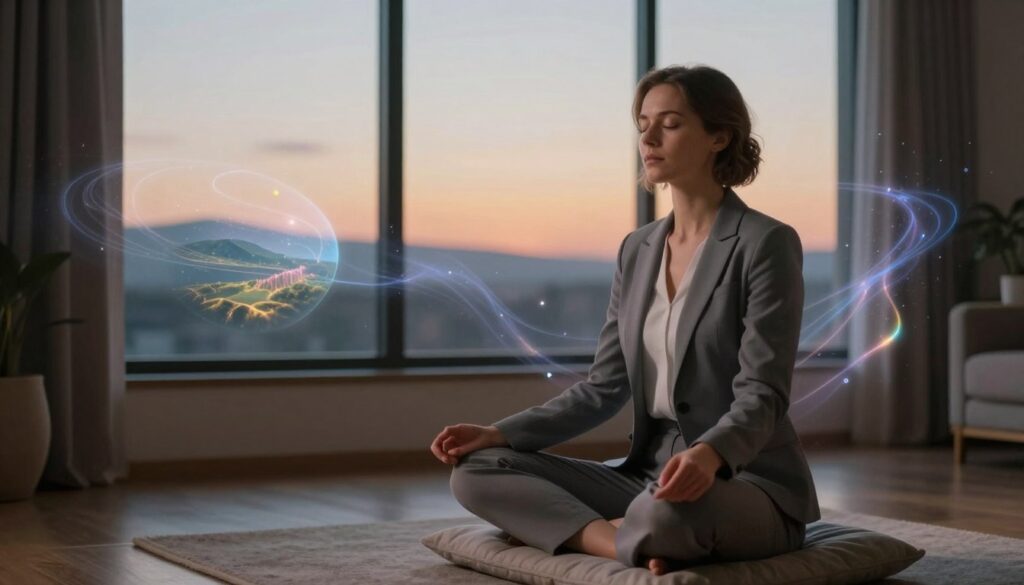
- Astral projection equals immersive projection and travel across subtle realms.
- Remote viewing focuses on gathering reliable information for research, intelligence, and archaeology.
- Yoga Nidra and similar practices offer a supportive foundation for both approaches by teaching deep relaxation and attention control.
Research shows that trained teams used remote viewing in applied investigations. For guided exercises and practice routines see remote viewing exercises.
The Mechanics of Astral Projection
Astral projection begins as a calm, deliberate skill that links focused intent with relaxed physiology.

Practitioners use deep meditation and breathing to loosen attachment to the physical body. This technique prepares attention and invites subtle changes in consciousness.
The Role of the Astral Plane
The astral plane acts like a responsive field shaped by thought and feeling.
Landscapes shift with your mood and mental images. Symbolic forms and guides often appear during an OBE and interact with the traveler.
“Exquisitely crafted frequencies, including gamma states, provide scaffolding that helps bridge ordinary awareness to rarer states.”
- Deliberate journey: Projection is an intentional trip into a dimension ruled by energy, not physical laws.
- Sensory change: Many report vivid sensations—floating, flying, and altered perception—during this state.
- Growth tool: People use astral projection for insight and personal development beyond the standard physical body.
| Element | What Happens | Practical Tip |
|---|---|---|
| Attention | Shifts toward inner imagery and subtle feeling | Use steady breath and simple anchors |
| Audio Scaffolding | Gamma-enhanced tones ease entry to refined states | Try short guided tracks during meditation |
| Astral Environment | Forms respond to emotion and intention | Set clear intent before projection |
For detailed practice notes and an example method, see a related guide on clairvoyant training.
Protocols for Remote Viewing
Protocols turn intuition into repeatable data by giving the practitioner a clear path from calm to focused perception.
Target Focus
The first step is quieting the mind and setting a clear intention about the target. A target can be a person, location, event, time, or object separated by distance or time.
Maintaining a neutral stance prevents bias and keeps the impressions about the target clean. Clear instructions about the target help the viewer avoid guessing.
Structured Protocols
A standardized sequence guides the session: initial relaxation, sketching raw impressions, refining details, and final analysis. Each stage reduces noise and improves the quality of information.
Record keeping and blind procedures are crucial. They allow later verification and help labs or teams compare results in research settings.
Practical Applications
This technique has found uses in intelligence, archaeological research, and scientific projects where conventional data were scarce. Teams have used strict protocols to gather actionable information about a specific location or event.
When done correctly, structured viewing can supply leads that complement traditional investigation methods.
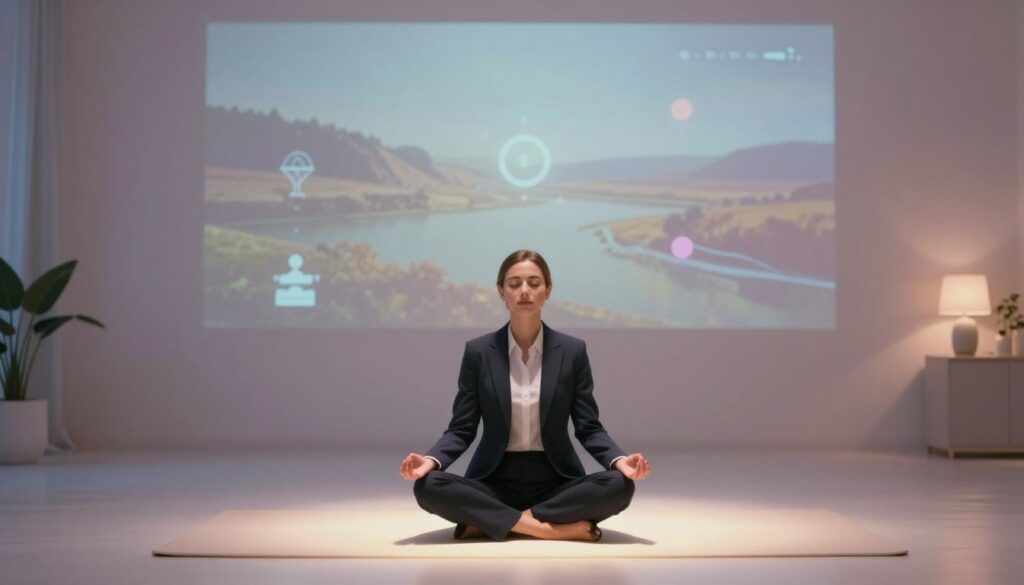
- Calm attention improves perception.
- Blind targets reduce bias.
- Stages from impression to analysis produce verifiable information.
| Stage | Purpose | Outcome |
|---|---|---|
| Relaxation | Quiet the mind | Cleaner impressions |
| Impression Capture | Record raw data | Initial descriptors |
| Analysis | Refine and verify | Actionable information |
Shifting Perspectives on the Physical Body
Learning to shift attention lets you remain present in the physical body while also perceiving distant targets. With practice, the same person can hold daily awareness and gather valid information about a separate location or time.
The Monroe Institute showed that trained people could move across phases of consciousness and access presentient clues. This method suggests that linear time can be flexible and that perception can reach beyond immediate surroundings.

Release limiting beliefs and fear and the mind expands. Research supports the idea that what we call physical reality is often shaped by thought. When barriers fall, people report clearer perception and richer phenomena.
- Stay grounded: You can remain in your body and still gather useful information about a target.
- Tune attention: Like a radio dial, consciousness can shift to different layers that contain hidden data.
- Grow perspective: This practice helps you see that more information exists than ordinary senses show.
For a primer on related extrasensory skills, see what is ESP. Embracing this shift in perspective helps you realize that knowledge was available all along, and that disciplined viewing can reveal it while you remain anchored in your life.
Conclusion
These approaches invite steady practice and clear intent. Whether you pursue astral projection or structured remote viewing, each method helps expand consciousness and reveal new information.
People who train find deeper self-knowledge and a firmer sense of place. A single session can change how you value perception and phenomena.
Keep records, set kind intent, and stay grounded in daily life. For related practical work, see this healing energy guide to build skill and care.
FAQ
What is the key difference between an out of body experience and controlled remote viewing?
An out of body episode typically involves a felt separation between awareness and the physical form, often with vivid sensory impressions and a sense of location change. Controlled remote viewing uses structured protocols and blind targets to collect information, emphasizing reproducible steps and documentation rather than spontaneous sensation.
How does the radio dial analogy help explain non-ordinary states of consciousness?
Think of awareness like a radio tuner. Ordinary waking attention is one station. Non-ordinary states—like trance, meditative focus, or projection—shift the dial to different frequencies. Each frequency yields distinct perceptions and types of data, from sensory impressions to symbolic insights.
Can both techniques provide verifiable information about a target?
Yes, but they differ in reliability. Controlled protocols, used in remote viewing, aim for verifiable results through blind targets and controlled testing. Spontaneous projection can yield accurate details, but verification is harder because the experience is usually subjective and lacks formal controls.
What role does the physical body play during astral projection?
During projection, the body remains physiologically present and typically relaxed or immobilized. Practitioners report a parallel awareness that seems to move beyond the flesh while the brain and heartbeat continue. Safety and grounding techniques are often recommended before attempting projection.
What is the astral plane and how does it relate to these practices?
The astral plane is a term used to describe a non-physical environment encountered in many projection reports. It’s described as layered, responsive to thought, and populated by archetypal imagery. Not everyone experiences it the same way; some report landscapes, others symbolic scenes or meetings with entities.
What are the basic protocols used in structured viewing methods?
Structured methods include blind target assignment, remote sessions with time limits, clear recording of impressions, and independent verification. Protocols aim to minimize bias—using decoys, randomized tasks, and separate evaluators helps test the accuracy of collected data.
How do practitioners select and focus on a target?
Targets are often chosen randomly or assigned to reduce cueing. Focus techniques include breathwork, simple sensory anchors, and written target summaries withheld from the viewer. Viewers describe impressions without naming objects to avoid leading language.
What practical applications exist for these techniques?
Applications range from personal development and creative problem solving to historical investigation and investigative contexts. In professional settings, structured viewing has been explored for intelligence and archival research, while projection is more common in spiritual and therapeutic practices.
Are there safety concerns when attempting projection or intensive viewing sessions?
Yes. People with certain psychiatric conditions should avoid deep dissociative techniques without professional guidance. Practitioners recommend grounding routines, clear intention setting, and gradual practice to reduce disorientation. If distress occurs, stop and seek support.
How can beginners start practicing safely and effectively?
Begin with short, guided relaxation and observation exercises. Learn basic breath control and note-taking skills. Join reputable workshops or use materials from recognized researchers like Dean Radin or Russell Targ for structured learning. Keep sessions brief and journal impressions for later review.
Do time and distance affect the quality of information obtained?
In structured viewing, distance is usually irrelevant; sessions have retrieved accurate details about remote locations. Time targets (past or future) are more complex and yield mixed results. Practitioners treat temporal targets cautiously and verify findings rigorously.
How does personal belief influence outcomes?
Belief shapes expectation, which influences attention and interpretation. Skepticism can limit vividness, while strong conviction can encourage confidence and persistence. Balanced skepticism—open but critical—helps practitioners remain objective and evaluate results fairly.
Can experiences be independently verified?
Yes, through follow-up research and third-party validation. Controlled protocols that use blind targets and independent judges provide the strongest evidence. For spontaneous projection, verification requires corroborating details or external witnesses, which are rarer but possible.
Are there scientific studies on these phenomena?
Yes. Parapsychology and consciousness research have produced controlled experiments on distant perception and structured viewing. Results vary; some studies report above-chance findings, while others find null results. Ongoing research aims to refine methods and replication standards.
What ethical considerations should practitioners keep in mind?
Respect privacy and consent when targeting living people or sensitive locations. Avoid making definitive claims without verification. Be transparent about limits and avoid exploiting vulnerable individuals seeking healing or answers.