

Remote viewing gained an official name in 1970 and grew into a structured field over the years. Many people have explored its basics and reported striking impressions after focused training.
The Monroe Institute offers structured programs that teach students how to access their intuitive side. Trainer Marinda Stopforth highlights that this is a natural ability anyone can develop with steady training. World-renowned expert Joe McMoneagle brings years of professional research to those courses.
Learning the proper protocol helps a viewer record accurate information about a target. By noting minutes of each session and using simple tools, a person can track progress and analyze results. Curiosity is the best starting point for expanding inner abilities.
Key Takeaways
- CRV evolved into a methodical field after 1970.
- Structured training can turn hunches into knowns.
- Record impressions and minutes for useful analysis.
- Understanding coordinates helps separate consciousness from the body.
- Curiosity and steady sessions lead to clearer results.
- Explore exercises and steps via a practical resource: remote viewing exercises.
Understanding the Basics of Remote Viewing
Remote viewing describes the effort to access impressions about a distant target through extrasensory perception. This simple definition frames why curious people pursue the skill and what they expect to find.
Defining Extrasensory Perception
Extrasensory perception lets a viewer gather information about an unknown object or location that is physically separated by time or space. The process emphasizes clear reporting of sensation, shape, and simple detail rather than interpretation.
Historical Context
Over many years, groups like The Monroe Institute refined teaching methods. Their Gateway Voyage program introduces students to the basics and helps them notice subtle shifts in perception.
- Evidence across years suggests people can experience impressions that feel independent of the body.
- Focusing on the target trains attention and reduces bias during sessions.
- Curiosity often signals readiness to learn more; disciplined steps then build skill.

Explore signs you may have intuitive gifts for further guidance: discover your hidden gifts.
How to Practice Coordinate Remote Viewing at Home
Start each session by writing a pair of latitude and longitude numbers on your transcript. This single act gives the viewer a clear anchor and separates the target from nearby objects.
Follow a simple sequence: note the coordinates, set a timer, then breathe and allow impressions to arise. Many trainers in Mapleton, Oregon emphasize this order for disciplined training.
Dedicate at least twenty minutes. Shorter sessions often feel forced; a measured bit of time lets information surface naturally and improves results.
- Write coordinates on the sheet before beginning.
- Ignore distracting objects in the room; keep attention on the numbers.
- Record minutes and simple impressions without heavy interpretation.
Using coordinates keeps the viewer on task and helps ensure the reported information links back to the correct target object or location.
For related techniques on focused energy and intent, see a practical guide such as send healing energy guide.

The Importance of the Double Blind Protocol
A strict double-blind setup stops guesswork and protects the integrity of each session. In this approach, no person involved knows the identity of the target. That lack of prior knowledge keeps results free from subtle cues and expectation effects.
Why Blind Targets Matter
Research at the Monroe Institute supports the idea that a true double-blind environment is a vital part of reliable remote viewing. When neither monitor nor tasker knows the target, the viewer’s impressions are less likely to be shaped by external hints.
- Scientific rigor: The protocol is a key part of the science behind the method and helps validate results.
- Documentation: Every step and minute of each session should be recorded so the information stands independent of prior knowledge.
- Bias reduction: If a person who assigns the target knows it, their cues can influence outcomes unconsciously.
- Long-term use: Professional viewers have used this protocol for years to test accuracy and build credible research.
Essential Tools for Your Practice Sessions
Small, consistent tools help a viewer gather clearer impressions over time.
Start simple. A pen, blank paper, and a reliable timer give structure. Track minutes and note each bit of information as it appears. Short sketches often match target objects later.
The International School of Clairvoyance recommends using feedback photos as a key validation tool. These images let a viewer compare impressions with the real target. That feedback is vital for honest training and steady progress.
- Keep a folder of session notes so you can review each day and spot trends.
- Save sessions locally in your browser when possible. It helps preserve transcripts across multiple trials.
- Use a simple checklist: set time, record minutes, sketch impressions, then reveal feedback.
“Feedback photos are a necessary tool for validating your session.”
Remember: the right tools make a big difference in clarity. For more on developing intuitive skills, see this psychic powers guide.
Preparing Your Mind for Intuitive Impressions
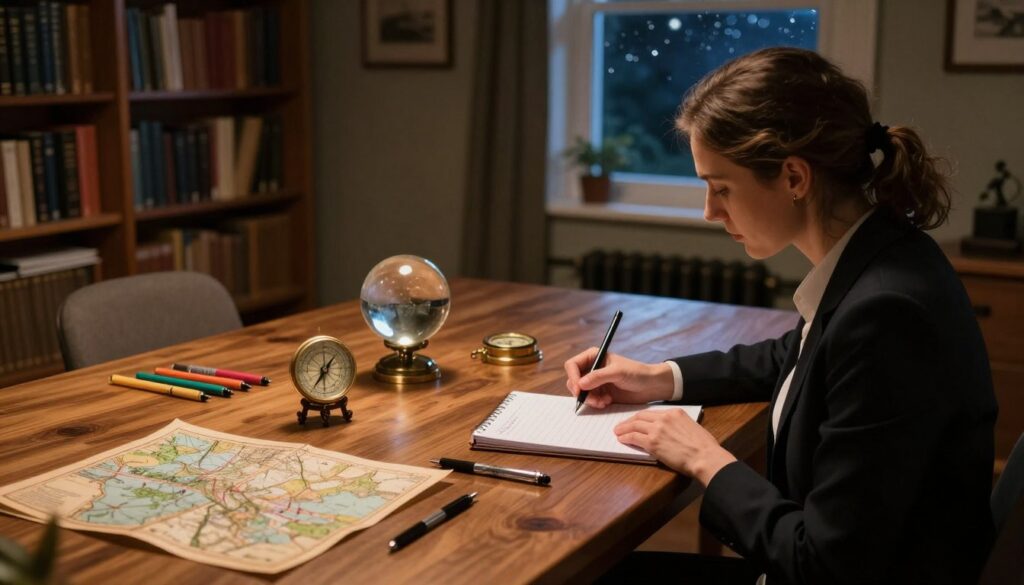
A calm, focused mind helps a viewer pick up subtle information about a distant target. Start with a brief moment of stillness. Let your breathing slow and your attention settle.
Creating a Quiet Space
Find a room with minimal noise and soft lighting. Turn off notifications and set a timer for the session length so interruptions are less likely.
A simple, uncluttered spot helps the mind stay on task for the minutes you plan to spend on the target.
Clearing Mental Clutter
Before you begin, jot down any pressing thoughts or feelings. This quick act frees your mind from daily concerns and reduces mental chatter.
Clearing clutter makes it easier to tell the difference between random thoughts and genuine impressions.
Setting Intentions
State a clear intention about receiving information. Say it aloud or write it on your transcript. This signals readiness and frames the session for focused perception.
When the viewer stays calm and open, bits of impressions arrive with less effort. For guidance on developing this ability further, see a short training test: develop psychic abilities test.

Defining the Roles of Viewer and Monitor
Knowing who does what during a session sharpens focus and preserves protocol integrity.
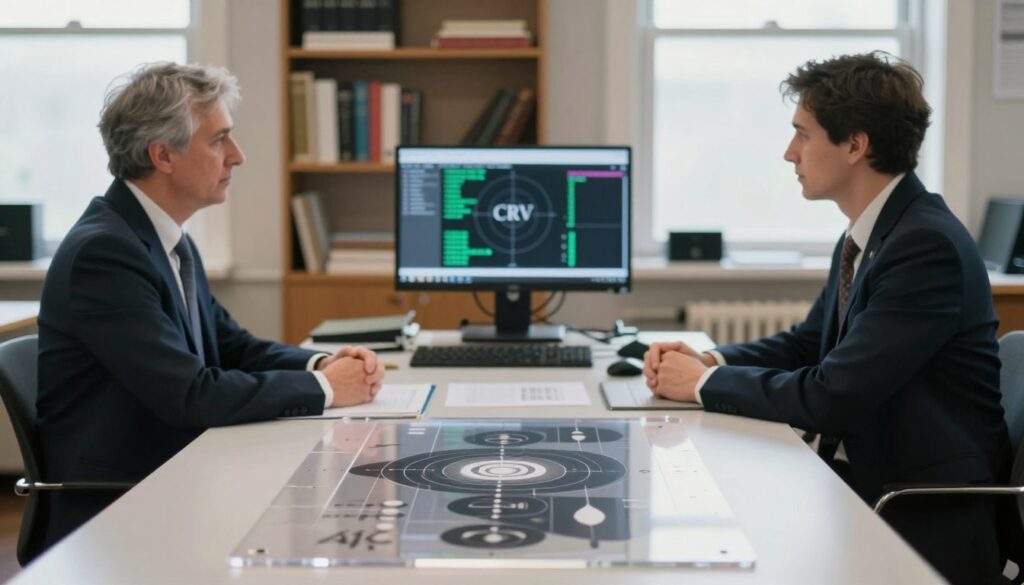
The Monroe Institute teaches three main roles: the viewer, the monitor, and the analyst. Each person plays a distinct part in successful remote viewing. Clear roles help the team gather cleaner information about a given target.
The monitor guides the viewer and keeps time. A skilled monitor asks brief, neutral prompts that draw out detail without leading the report. This helps the viewer offer honest impressions and a useful bit of description.
- Monitor role: guide the viewer and keep focus on the target.
- Training value: years of instruction have refined the way analysis is taught.
- Questioning: gentle, open prompts improve the quality of detail.
- Integrity: everyone must remain blind to the target for the protocol to work.
- Rotation: switching roles gives each person insight into how guidance shapes results.

Managing Expectations During Your Training
Growth in this skill mirrors everyday life—pleasant peaks and occasional dips. That idea, shared by Marinda Stopforth, helps set a calm tone for anyone learning remote viewing.
Many people struggle with the urge to be right. Students must unlearn that need. Remote viewing is not about guessing the answer first.
Accepting uncertainty frees the mind. When a viewer drops the pressure of perfection, clearer impressions often arrive. Even top viewers have times when accuracy slips.
Give each session a fair bit of time and view unclear results as data, not failure. Every trial adds value to your training and builds honest skill.
Keep a short log of minutes, moods, and sketches. Over weeks, patterns emerge and your results improve.

Managing expectations is a vital point in training—ups and downs are part of the path.
For wider context on developing related skills, see this clairvoyant abilities guide.
Overcoming the Need for Immediate Results
For many beginners, the urge for a quick answer blocks clear impressions. Society rewards certainty, and that condition makes it hard for a viewer to stay open during training.
Trust the process. The correct target often reveals itself in its own time. Pressing for an instant result usually tightens attention and produces guesses rather than useful data.
What helps:
- Accept that each session gives only a bit of information about the target.
- Focus on steady practice rather than instant validation.
- Log minutes and moods so progress is tracked without pressure.
A patient viewer learns that success comes across many sessions, not one clear answer. Over time, impressions become richer and more reliable. This shift from needing to be right to being curious is a key step in lasting training.

Analyzing Your Session Transcripts
A disciplined analysis step turns raw impressions into useful research about each target.
After your session, spend a few quiet minutes comparing written notes with feedback. This clear comparison helps a viewer spot which words and sketches matched the actual target.
The Monroe Institute stresses that this analysis is as important as the viewing itself. Without review, small patterns stay hidden and progress stalls.
- Review transcripts and note any matched shapes, colors, or words.
- Record minutes, mood, and any stray guesses that later proved false.
- Document results day by day so trends become obvious.
“Your transcripts are the primary research tool you have to track progress.”
| Step | Action | Benefit |
|---|---|---|
| After Session Review | Compare notes with feedback images | Spot accurate impressions quickly |
| Pattern Tracking | Log results by day | Identify strengths and blind spots |
| Protocol Refinement | Adjust prompts and timing | Capture cleaner information each time |
| Research Use | Use transcripts for long-term study | Build repeatable, reliable results |

Connecting with Your Natural Abilities
Many students report that their sense of self shifts during sessions, revealing more than just mental images.
Marinda Stopforth reminds learners that this skill is natural and exists across backgrounds. That idea frees people from the notion that only a few can access intuitive information.
Curiosity is a useful signal. It shows readiness to explore deeper consciousness and to notice subtle impressions about a target.
Pay attention to feelings and small bits of sensation. Those cues build a steady relationship with your inner senses.
As viewing becomes regular, the ability to pull clear information about a target grows more consistent. Many practitioners say their experiences change daily perception and expand what they find possible.
- Connecting with natural ability often brings clearer perception of the target.
- Curiosity helps unlock deeper impressions and sustain learning.
- Noticing feelings strengthens relationships with intuition and mind.
| Benefit | What You Notice | Result |
|---|---|---|
| Greater clarity | Distinct shapes, textures | More accurate information about a target |
| Stronger trust | Consistent feelings and bits of data | Reliable access to impressions |
| Broader perspective | Shift away from only the physical body | Expanded sense of consciousness and daily life |

“Many students discover they are more than their physical body through these experiences.”
Expanding Your Consciousness Through Practice
Consistent sessions often stretch your sense of reality and invite new ways of sensing the world.
The Monroe Institute helped many people notice that they are more than their physical body. Long-term engagement with viewing challenges a simple idea of what is real and expands personal consciousness.
These sessions bring many small, meaningful shifts. Your mind learns to hold impressions without rushing them. Each attempt is a bit of a journey that slowly integrates intuitive data into daily life.
Often, these experiences create deep feelings of connection. That sense of connection can improve your relationships and change how you relate to the world.
Keep in mind that steady repetition builds ability. Over time your perception widens and your sessions turn into useful practice for everyday awareness.

“As viewing becomes regular, the ability to pull clear information grows more consistent.”
Common Challenges for New Viewers
Many people find the protocol feels rigid at first, and that rigidity can block honest information.
New viewers often try to force impressions and end up with guesses instead of useful detail. That urge can make a session feel like work rather than a calm search for data.
It is common for a person to feel frustrated when minutes pass with no clear objects or shapes. Frustration often tightens attention and dims subtle feelings about the target.
Feeling-based bias also happens. Strong emotions about a session can color what a viewer writes. When feelings lead the report, the raw information becomes harder to sort.
Many viewers see better results over time as they learn to trust small bits of data and stop chasing quick answers. Keep a short log and note changes in minutes and mood.
“Every viewer faces these challenges; occasional stalls are part of the path.”

For tips that improve session clarity, consider a focused guide on how to improve psychic readings.
Conclusion
Small, consistent steps often produce the deepest shifts in perception and accuracy.
Keep clear notes and log each session. Record any small detail and compare it with feedback. This habit turns scattered impressions into useful data over time.
Trust your natural ability and stay patient. Each honest step builds skill and reveals patterns you can use for growth.
Embrace the process with an open mind. With steady effort and clear records, you will find lasting progress in your work and inner exploration.
FAQ
What is extrasensory perception in simple terms?
Extrasensory perception refers to gathering information outside the five senses. It includes impressions such as images, feelings, or words that arise without obvious sensory input. This definition helps set expectations and separates intuition from guesswork.
Why is historical context useful for learners?
Knowing the history shows how techniques evolved and what scientific research exists. It highlights protocols used by military and academic groups, and helps learners adopt tested methods rather than myths.
What does a double blind protocol involve?
A double blind setup means neither the viewer nor the monitor knows the target details. This prevents cueing and bias, making results more reliable. It also mirrors research standards used in controlled experiments.
Why must targets be blind?
Blind targets remove conscious influence and reduce chance hits. They ensure impressions come from intuitive channels rather than memory, inference, or subtle hints from others.
What basic tools are helpful for sessions?
Useful items include a timer, plain paper, a pen, index cards with coordinates, and a quiet seating area. Optional tools are a simple recorder and reference images for post-session scoring.
How do I create a quiet space for focus?
Choose a small, uncluttered area with minimal light and noise. Turn off devices, use soft lighting, and keep supplies within reach. A consistent spot trains the body and mind to enter a receptive state faster.
What are quick ways to clear mental clutter?
Try brief breathing exercises, a one-minute body scan, or jotting down pressing thoughts before starting. These steps reduce inner chatter and let subtle impressions surface more easily.
How important is setting intent before a session?
Stating a clear, simple intention focuses attention and frames the session. A short phrase like “receive accurate impressions” helps the mind align and reduces wandering.
What are the roles of viewer and monitor?
The viewer generates impressions and records them without analysis. The monitor prepares coordinates, keeps time, and reads only neutral prompts. This split keeps data pure and reduces feedback.
How should I manage expectations during training?
Expect variable outcomes and small improvements rather than instant mastery. Track each session, note sensations and time spent, and value consistency over dramatic results.
How do I handle disappointment when progress is slow?
Reframe slow progress as learning. Focus on process metrics—minutes practiced, number of sessions—rather than accuracy alone. Patience reduces pressure and supports steady gains.
What is the best way to analyze session transcripts?
Compare impressions to target feedback using objective scoring categories: form, color, texture, and function. Record matches, near misses, and misses. Look for patterns in wording and timing.
How can I connect with natural intuitive abilities?
Regular short sessions, mindfulness routines, and sensory awareness exercises strengthen access. Gentle curiosity and low-stakes practice help sensations feel safe and reliable.
How does regular work expand consciousness?
Repeated, disciplined sessions increase sensitivity to subtle cues and build confidence. Over time, the mind learns signals and refines the language used to describe impressions.
What common challenges do beginners face?
New practitioners often report distracting thoughts, impatience, and overanalysis. They may also confuse memory with impressions. Simple structures, clear roles, and brief sessions help overcome these issues.
How long should a single session be for beginners?
Start with 10–20 minute sessions. Shorter, frequent practice reduces fatigue and keeps impressions fresh. Increase duration gradually as focus and stamina improve.
Can a single person do blind sessions alone?
Yes. Use sealed envelopes, randomized index cards, or an online blind-target generator. Maintain strict separation between target preparation and viewing to preserve blindness.
Is there any scientific research worth reading?
Look for peer-reviewed studies in journals such as Journal of Parapsychology and work by researchers like Russell Targ and Jessica Utts. Balanced reading helps distinguish rigorous methods from anecdote.
What practical tips speed skill development?
Keep a concise log, practice daily, review transcripts objectively, and work with a consistent monitor when possible. Small, focused habits build ability faster than sporadic, long sessions.