

Ingo Swann shaped the field with a clear insight: the ideogram was the single most vital yet least understood part of the process.
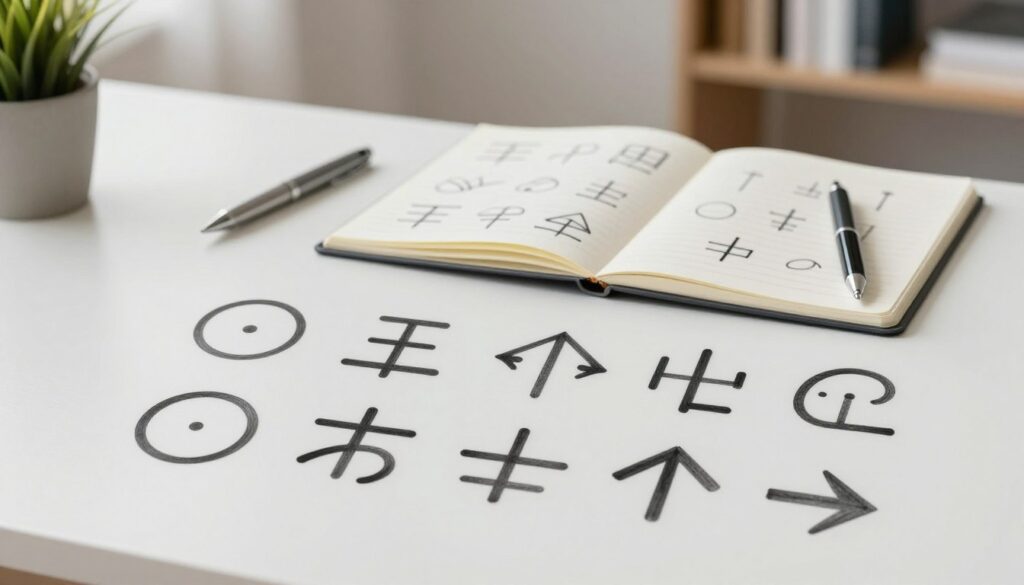
The ideogram appears as a quick, spontaneous mark that captures the major gestalt produced by the signal line. For many viewers, that first scribble acted like a seismograph. It showed whether the mind had connected with the target and gave the session its initial direction.
Research at SRI backed this up. Over 140 trials with visitors showed that even those with little training could generate useful ideograms on first contact. In practice, that raw sketch became the foundation for later stages and for decoding site information.
Across years of study, experienced practitioners learned that mastering this small, fleeting mark improved accuracy, speed, and confidence. The ideogram guided the viewer from vague feeling toward clear data, helping a viewer move through the process with order and purpose.
Key Takeaways
- Ingo Swann introduced the ideogram as a core concept.
- The ideogram is an involuntary, rapid sketch that reflects the signal line.
- SRI trials showed novices could produce accurate first impressions.
- The mark acts like a seismograph, revealing connection quality.
- Mastery of the ideogram supports clearer stages and richer site information.
Understanding the Role of Ideograms in Remote Viewing
A brief, instinctive stroke often reveals the core nature of a site before any words are formed. The ideogram is that first graphic response on paper. It arrives fast and with feeling, guiding the session toward useful data.
The Concept of Gestalt
Gestalt captures the essence of a target. Children sketching a tree or water show the same quick grasp of form that trained viewers develop. That primary impression gives the viewer a reliable point of reference for later stages.
The Signal Line
The signal appears as a sequence, a steady flow of impressions. Robert Durant called this the “relentless progression of the data.”
“The data come on in a steady, unfolding line.”

| Component | Role | Example |
|---|---|---|
| Gestalt | Primary essence captured quickly | Open water, round shape |
| Signal | Sequential flow of impressions | Strong motion, steady arrival |
| Ideogram | Spontaneous mark on paper | Short stroke that suggests object |
Practice asks the viewer to follow feeling and motion, not analysis. Let the ideogram emerge, then expand the information through careful stages and simple notes.
How to Use Ideograms in Controlled Remote Viewing
A single, fast scribble often holds the core signature of a distant site before words arrive.
Ingo Swann taught that the ideogram encodes the primary gestalt of a target. Think of that mark as the cover of a book: it gives a clear hint about content without reading every page.
When a viewer rushes into higher stages, valuable site information can vanish. The initial mark sets order and protects signal data during the session. Treat it as a compact map, not a full report.
“The ideogram is the first spontaneous graphic representation of the target’s major gestalt.”
Practical steps:
- Pause briefly after the first stroke and note feeling and motion.
- Record simple tags: land, water, round, vertical—then proceed.
- Resist jumping stages; decode the mark before expanding data collection.
The disciplined viewer builds on that sketch. With practice and training, the ideogram becomes a reliable foundation for richer information about the site and object.

The Historical Origins of the Ideogram
Historical reports reveal that a quick, involuntary sketch frequently signaled initial contact with a target.
At SRI, researchers watched guests make tiny scribbles the moment they felt the signal. Ingo Swann noticed this pattern and began treating that reflex as meaningful. Paul H. Smith later documented these trials in 2001 and highlighted their role in validating the program.
The team ran over 140 sessions. That volume of data showed the marks were not random. They repeated across people and time. Researchers saw the sketch as a compact sign that pointed toward the site’s essence.
The Influence of Art and Perception
Swann drew on Rudolf Arnheim’s work, Art and Visual Perception. Arnheim helped explain why simple marks carry clear meaning. This link between art and sensing shaped the early structure of the method.
“Small, reflex-driven strokes offered viewers a dependable initial map of content.”
Key historic points:
- SRI observations found consistent reflex marks.
- Arnheim’s theories informed interpretation.
- Paul H. Smith summarized results that formalized the concept.

| Year | Researchers | Finding |
|---|---|---|
| 1970s–1980s | Swann, Puthoff, Targ | Spontaneous sketches noted as signal indicators |
| 2001 | Paul H. Smith | Documentation that supported formal adoption |
| Across trials | SRI teams | 140+ sessions confirmed reflex consistency |
Defining the Core Components of the Ideogram Sequence
A quick graphic reflex can freeze the core signature of a target long enough for later analysis.
The I-Component
The I-component is the spontaneous mark produced on paper. It arrives in a single motion and gives the viewer an immediate visual anchor.
The A-Component
The A-component records feeling and motion. This captures dynamics—whether the site suggests stillness, flow, height, or depth.
The B-Component
The B-component is the automatic analytical response. It is a simple one-word tag that names the major gestalt and prevents clutter from prolonged thinking.
How the three parts work together:
- The I-component sets the graphic base.
- The A-component adds kinesthetic context and timing.
- The B-component supplies a concise label for later stages.
| Component | Function | Practical cue |
|---|---|---|
| I | Spontaneous graphic anchor | Single quick stroke on paper |
| A | Feeling-motion context | Note movement, tempo, and texture |
| B | Automatic analytical label | One-word description of gestalt |
The Importance of the Feeling-Motion
Feeling-motion names a paired experience: the tactile sense of a target and the directional flow that arrives with the first mark.
Ingo Swann coined the term because no single English word fit both halves. That dual sensation tells a viewer whether a site feels hard, fluid, or clearly manmade.
The motion part is as vital as the feeling. Watch how the pen glides: a rising stroke hints at vertical shape; a wavy line suggests flowing water or texture; a short, sharp dash can signal solid edges.
Capture those kinesthetic cues before the mind overlays analysis. Prioritizing feeling-motion yields richer data than focusing on the sketch’s neatness.
“The dual-aspect experience bridges the subconscious and the conscious mind.”
Practical cues:
- Note pen tempo and direction immediately.
- Label the sense—hard, soft, moving—briefly.
- Let the feeling guide later stages of the session.

Decoding the Automatic Analytical Response
A single, sharp label often follows the instinctive sketch and locks the session’s initial meaning.
The automatic analytical response, or B-component, is the one-word tag that names the major gestalt of the site. It should arrive almost immediately after the ideogram and feeling.
Ingo Swann taught that speed matters. A prompt tag keeps the conscious mind from reshaping impressions and reduces Analytical Overlay.

When a viewer hesitates, it usually signals forcing rather than receiving. That pause invites the mind to guess and that guess can corrupt later data.
Use practice to trust the first impression. With training, a remote viewer learns to accept the short label and then expand on it in later stages.
“Trust the first word; it preserves the raw contact with the signal.”
- The B-component gives concise information for follow-up.
- Immediate labeling protects the session from bias.
- Practice quick decoding to keep order and quality in the process.
Why Beginners Should Avoid Rushing the Process
Beginners often rush the sketch and lose the delicate clues that the first mark holds.
Ingo Swann warned that the ideogram is the first casualty when people hurry a session. New viewers may think they grasp the concept after a few attempts. That confidence often prompts jumping ahead to naming or detailed sketching.
Premature analysis strips valuable information from the signal. A fast guess adds Analytical Overlay and corrupts later data.
The Danger of Premature Analysis
When a viewer skips decoding, key feeling and motion vanish. The site’s basic nature then becomes harder to recover.
Practice patience: slow the process, record the instant mark, tag it, and only then move on. That order protects raw information and builds true skill over time.
Trust the first mark; it contains the core idea that guides every later stage.

- Beginners rush and lose subtle cues.
- Swann taught the ideogram holds core site information.
- Slowing down reduces false data and strengthens training.
For related practice that builds focus and steady intent, see this short guide.
Establishing a Strong Foundation with Basic Gestalts
Begin Phase 1 by learning seven simple marks that stand for core environmental types.
Lyn Buchanan teaches seven basic ideogram gestures: land, water, manmade, natural, space/air, motion/energy, and biological/live. These gestalts give a viewer quick anchors during a session.
Without these symbols, it is hard to classify a site or expand on initial data. The goal of Phase 1 is simple: identify the main gestalt and record a short tag that preserves the first feeling and signal.
Each student should craft personal symbols. A private shorthand builds a steady language with the subconscious. Over time, those marks speed decoding and improve accuracy.
“Master the seven basic gestalts and the later stages gain order and clarity.”
Practice: repeat short trials, note which marks recur, and refine your symbols. This structure anchors later description and keeps information clean as the process moves forward.

Practical Applications for Daily Life
Simple graphic cues drawn in minutes can give practical guidance for personal decisions. A short mark on paper often taps a deeper layer of awareness and yields quick, usable information.
Warning Ideograms
Warning Symbols
Certain sketches can flag danger, deception, or manipulation. A viewer who trains brief signs can spot subtle risks before acting.
Use them sparingly and check the feeling that comes with a mark. That keeps the mind from inventing threats and preserves the signal.
“A single quick sketch can be an early alert—trust the prompt, not the story.”

Health and Emotional Cues
Short diagnostic marks help identify anxiety, low mood, or spiritual strain. These signs give a viewer plain data that can guide reflection or professional help.
Lyn Buchanan advised expanding basic symbols for life situations. With regular practice, people strengthen the link between conscious thought and subconscious signals.
| Application | What it Flags | Action |
|---|---|---|
| Warning sketch | Deception, danger | Pause and verify |
| Diagnostic mark | Anxiety, fatigue | Journal or seek care |
| Daily check | Decision clarity | Note, then revisit later |
For guided practice and more examples, see a short guide that complements this training.
Recognizing and Interpreting New Ideogram Shapes
New marks sometimes surface during a session and then reappear across different targets, each carrying a repeatable hint about a site’s character.
When an unfamiliar ideogram appears, remain calm and note it in the B-component as “unknown.” This preserves raw data and prevents guesswork from overwriting the signal.
Later stages let the viewer describe that shape in detail. Record sensory tags, motion, and any linking impressions about the site or object. Over time, these notes build a personal dictionary of signs.
Touching the sketch can trigger a sudden knowing for some people. That instant recognition is a skill that grows with practice and regular sessions.
New shapes mean the subconscious is adapting and offering richer information. Treat each recurrence as an opportunity: document, test across sessions, and refine meaning. This process strengthens the relationship between viewer and mind and raises overall accuracy.

- Label unknown marks and move on.
- Describe the shape later in stages for clarity.
- Track repeats across sessions to confirm meaning.
The Difference Between Kinesthetic and Lexical Approaches
Two distinct traditions govern the first sketch: one trusts bodily motion, the other trains shapes as a code.
Kinesthetic follows Ingo Swann’s lead. The focus is on the immediate feeling-motion that arrives with the signal. This path aims to bypass the left hemisphere and keep the conscious mind from reshaping raw data.
Lexical treats marks as a learned language. Specific shapes map to set gestalts, creating a controllable feedback loop but requiring extensive training and memory work.

“Both approaches have practical merits; choose the one that fits your goals.”
Quick contrasts:
- Kinesthetic preserves immediate feeling and motion for clearer data at early stages.
- Lexical gives repeatable symbols that speed labeling but risks early analytical input.
- Both methods can improve accuracy with proper training and practice; each suits different viewers and sites.
For targeted drills that strengthen bodily sensing and steady attention, try these remote viewer exercises.
Common Mistakes When Working with Ideograms
Many sessions derail when a viewer lets expectation reshape the first scratch on paper. That early change often turns a fresh cue into a tidy guess.
Avoid forcing the mark. Trying to make an ideogram look like a known object invites Analytical Overlay. The result is lost data and muddled information about the site.
Don’t skip the phase. Some people jump ahead and miss the foundation that the quick sketch provides. Without that base, later stages lack order and clarity.
Hesitation is another risk. Overthinking the mark gives the conscious mind time to rewrite what the signal first offered. That alters feeling and motion and weakens the whole process.

“Let the first stroke stand. Change it only after you record tags and brief notes.”
- Keep the first label short and immediate to protect raw information.
- Accept the sketch as it appears rather than trying to “fix” it.
- Practice relaxed attention; a calm mind yields cleaner data and steadier sessions.
For drills that build focus and steady intent, try a focused practice that complements this section: focused practice.
Training Your Subconscious for Better Accuracy
Daily drills shape the quiet channel between conscious intent and sudden graphic response.
Consistent practice was the core lesson from years of program work. Small, regular sessions teach the mind how to hand up clearer marks and cleaner information about a site.
Declare confusion or a quick Analytical Overlay note when the signal blurs. David Morehouse suggested that telling the subconscious about AOL invites a better format for data.
Think of training as a two-way process. The viewer reports feelings, then waits. Over time the subconscious learns which kinds of tags and strokes the conscious partner prefers.

Practice makes the connection friendly: both parts of the mind learn to work together.
- Keep sessions short and frequent; minutes count more than long, rare trials.
- Note confusion quickly and move on; that feedback refines future signals.
- Use daily, low-stakes sketches on paper to bridge conscious and subconscious work.
Integrating Ideograms into Advanced Stages
As sessions progress, a simple graphic can anchor complex searches and keep data coherent.
Keep the original ideogram as a reference. A Stage 1 mark often returns during later work. That link helps the viewer hold the initial feeling and signal while gathering detail.
Stage 2 and Stage 4 frequently show spontaneous marks that confirm gestalts. Treat these as checkpoints. They give quick feedback about the site and its character.

Stage 3 sketching is a focused, two-dimensional form of the same idea. The drawing expands the first sketch into shapes and simple coordinates. In Stage 4 the matrix acts as a structured ideogram. Touching columns yields targeted information and refines the tags.
Stage 6 brings three-dimensional work. Clay, models, or mockups let the viewer explore volume, texture, and motion. This tactile step deepens understanding of object and site.
- Benefit: Integrating marks across stages keeps order and reduces analytic drift.
- Practice: Carry the initial mark forward and compare repeats across sessions.
Maintaining Consistency in Your Practice
Small, repeated habits prevent skill decay and preserve immediate access to the signal line.
Make a short routine and keep it regular. This helps the viewer’s subconscious stay responsive and keeps the ideogram process natural.
Use brief drills—five minutes most days—so the reflex sketch remains spontaneous rather than forced. Returning to basic tags and the simple sequence resets order and protects raw data.

“Consistency trains the mind and the mark; practice turns a fragile contact into reliable information.”
Practical points:
- Keep sessions short and steady to preserve the first-time effect.
- Try programs like Lyn Buchanan’s Ideogram Practice for structured training.
- Even veteran viewers benefit from returning to the basics of the sequence.
- Record simple notes on paper after each sketch to track trends over time.
Over years, consistent practice anchors feeling and motion at the first mark. That habit keeps data clean, supports later stages, and makes the ideogram an automatic part of every session.
Conclusion
A single quick mark can lock in the core pattern that guides every later stage.
Mastering the ideogram is the most critical step for any serious viewer who seeks consistent, accurate results during a session. By honoring the three-part sequence—graphic anchor, feeling-motion, and automatic analytical response—you build a firm base for advanced stage work.
Consistent training keeps the conscious and subconscious aligned. Daily practice preserves the fresh signal and refines the process.
Trust structure, stay patient, and let spontaneous data lead. For tips that help improve accuracy and steady focus, see this short guide to improve readings.
FAQ
What is an ideogram and why does it matter for a viewer?
An ideogram is a quick, spontaneous mark that captures the essence of a site or target. It serves as a core signal that bypasses verbal analysis and delivers raw sensory impressions. For a viewer, that mark anchors later stages, guiding data collection and reducing analytical overlay.
What does the gestalt concept mean when tracking impressions?
Gestalt refers to the whole-form experience — the immediate, overall feeling of the target. It helps the mind recognize structure and motion before assigning labels. Noticing gestalt early improves accuracy and speeds the flow of meaningful cues during a session.
What is the signal line and how should a viewer respond to it?
The signal line is the moment of clear, simple feedback that indicates a correct intuition. When that line appears, a viewer should pause, preserve the impression, and create an ideogram rather than explaining it. That preserves raw data for later stages.
How do I-component, A-component, and B-component differ in the sequence?
The I-component captures immediate identity or primary essence. The A-component expands on attributes like texture, size, or material. The B-component adds relational or contextual data such as movement or position. Together they structure impressions into usable layers.
What does feeling-motion mean and why is it important?
Feeling-motion describes the kinetic quality tied to an impression — whether the target feels still, flowing, vibrating, or heavy. That kinesthetic element often proves more reliable than words and should be noted alongside visual cues.
How can I spot an automatic analytical response (AAR)?
AARs are quick interpretations, labels, or memories that slip in before raw data is recorded. They sound like instant judgments or familiar names. If you notice one, mark it as speculative and return to sensory impressions for confirmation.
Why should beginners avoid rushing the ideogram process?
Rushing invites analysis and weakens signal fidelity. Taking a few extra seconds to center, feel the gestalts, and draw a clean ideogram preserves accuracy. Patience during early stages builds stronger sessions and better training outcomes.
What are basic gestalts and how do I establish them?
Basic gestalts are simple, repeatable whole-form impressions such as round, linear, dense, or fluid. Practice making quick sketches tied to clear sensations. Over time these habitual marks help viewers recognize patterns faster.
How can ideograms apply to daily tasks or decisions?
Ideograms can act as quick diagnostic tools: warning marks for potential hazards, or simple diagnostics to gauge emotional tone or movement. Use brief sketches during reflection to capture immediate impressions without overthinking.
What are warning and diagnostic ideograms and how do they differ?
Warning ideograms signal cautionary qualities like danger, instability, or contamination. Diagnostic ideograms focus on condition, health, or function. Warnings prompt avoidance; diagnostics guide further inquiry or corrective action.
How do I learn to recognize new ideogram shapes?
Keep a session log and catalog new marks with brief notes about associated sensations. Repetition and comparison across sessions reveal consistent meanings. Over months, patterns emerge that sharpen interpretation.
What’s the difference between kinesthetic and lexical approaches?
The kinesthetic approach emphasizes bodily sensations and motion; the lexical approach favors words and labels. Kinesthetic impressions often carry higher fidelity for raw targets. Lexical inputs are useful later, once core data is secure.
What common mistakes reduce ideogram reliability?
Common errors include overanalysis, forcing shapes to fit expectations, and skipping the pause after the signal. These introduce bias and weaken the original sensory data. Focus on simplicity and separate raw marks from later interpretation.
How can I train my subconscious for better accuracy with ideograms?
Regular, short practice sessions are best. Draw ideograms from varied prompts, review outcomes, and note which marks correlate with confirmed results. Feedback and repetition retrain automatic responses toward higher precision.
When should ideograms be integrated into advanced stages of a session?
Use ideograms early as anchors, then revisit them during analytical stages to expand details. In advanced work, they function as checkpoints that help keep complex data aligned with initial raw impressions.
How do I maintain consistent ideogram practice over years?
Set a simple routine: daily five-minute sketches, a session log, and periodic review of past sessions. Consistency, not duration, builds muscle memory. Small, steady practice preserves clarity and refines interpretation skills.