
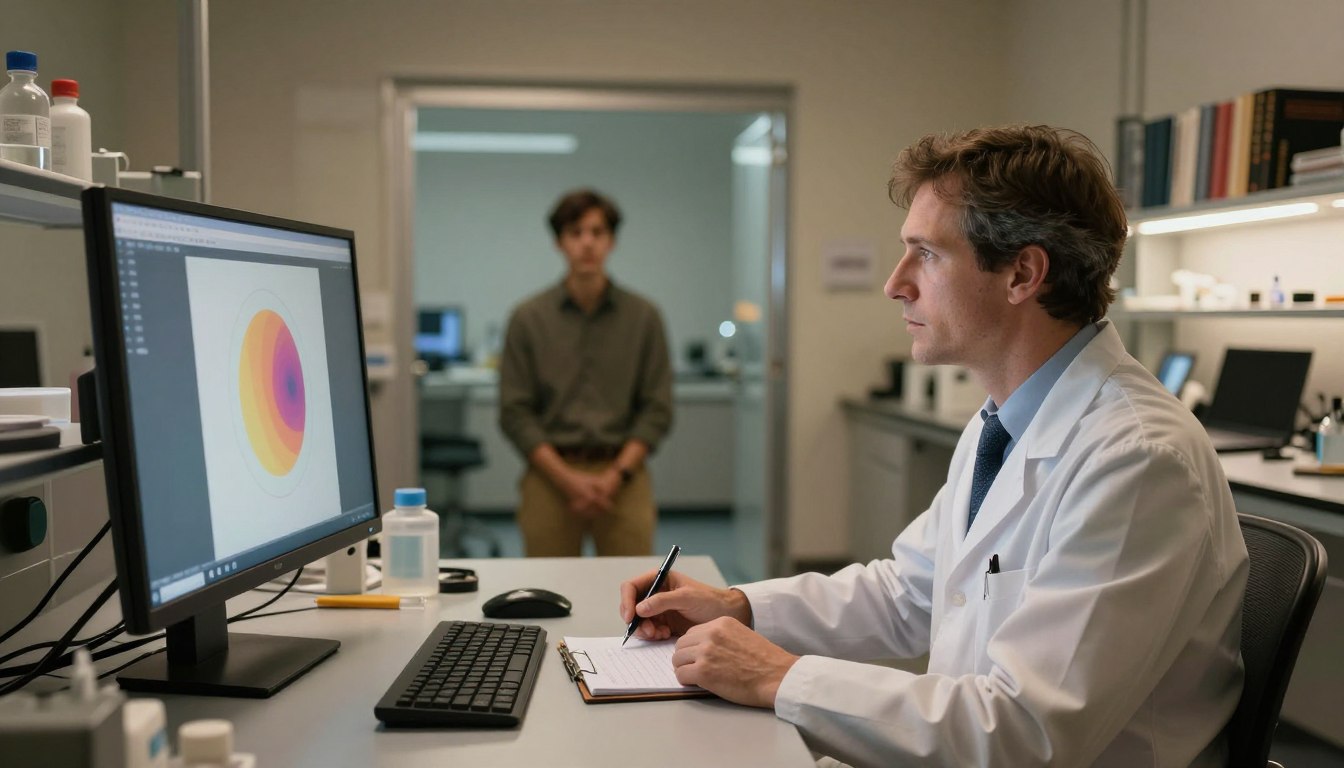
Remote viewing captured public interest after the term emerged in 1970. Major outlets like CBS and Netflix later showcased the phenomenon, and formal work began at places such as the Stanford Research Institute.
The Monroe Institute developed a documented protocol used in training programs that guide participants through practices that tap consciousness and psi. The Stargate Project, funded by government agencies, tested whether viewing could aid intelligence efforts.
For credible results, strict double-blind standards matter. Keeping every event and target secret prevents bias and preserves the integrity of the data. Researchers then analyze effect size and the number of successful trials to see if outcomes exceed chance.
Key Takeaways
- History: The term began in 1970 and drew widespread media attention.
- Protocol matters: Structured programs like Monroe’s guide reliable practice.
- Research roots: SRI and the Stargate Project shaped early studies.
- Rigorous controls: Double-blind methods protect data and outcomes.
- Statistical checks: Effect size and trial number show if results beat chance.
Understanding the Fundamentals of Remote Viewing
Investigations begun in the early 1970s examined whether people could access information beyond ordinary senses.
The History of Remote Perception
Physicists Russell Targ and Harold Puthoff launched formal research at the Stanford Research Institute. Their work moved the topic into labs and journals. Later, the Stargate Project became a notable government-funded program that tested participants over many years.
Many participants refined skills across long stretches of practice. Researchers measured effect size and asked if outcomes were statistically significant. These studies fed evidence about anomalous cognition and psi into broader scientific debate.

Distinguishing Remote Viewing from Clairvoyance
Clairvoyance often gives spontaneous impressions that can be symbolic or vague. By contrast, remote viewing is a disciplined way to record specific, verifiable information about a target.
The Monroe Institute and trainers note that consistent daily practice helps develop viewing ability. Many practitioners describe an “ah hah” moment when consciousness feels larger than the physical body. Each session adds data that helps research and clarifies the phenomenon.
| Feature | Clairvoyance | Structured Viewing |
|---|---|---|
| Typical output | Symbolic impressions | Verifiable descriptions |
| Repeatability | Low | High |
| Training | Often spontaneous | Needs consistent practice |
| Use in research | Limited | Used in controlled studies |
For practical exercises and guided practice, see remote viewing exercises. These resources can help build reliable ability and inform future experiments.
How to Set Up a Double Blind Remote Viewing Experiment
Designing a true double-blind trial starts by keeping the selected target hidden from everyone involved, including the person acting as monitor. This prevents cueing and protects the integrity of the data.
Use a clear, repeatable protocol that spells out roles, timing, and scoring. The Monroe Institute and veteran practitioners stress daily practice. Consistency increases the chance of useful information and better accuracy over years of work.
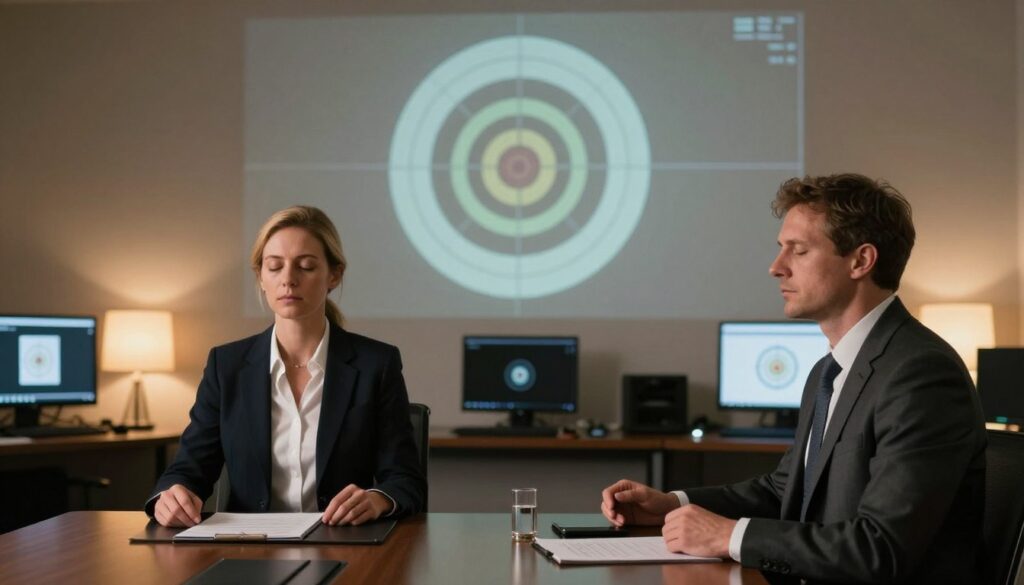
Paul H. Smith once demonstrated a controlled session where a student described the Beijing Olympics “Bird’s Nest” stadium without prior knowledge. That demo shows a practiced viewer can capture complex detail in a blind session.
- Keep targets sealed and randomized so expected chance serves as the baseline.
- Plan enough trials; the number of successful sessions affects effect size and statistical power.
- Compare sketches and notes against the actual target when scoring outcomes.
“A strict protocol and patient practice give results that can be tested against chance.”
Accept that some sessions yield vague impressions. Repeat trials and careful analysis help reveal whether observed effects are statistically significant and provide stronger evidence for psi in formal research.
Defining the Essential Roles in Your Trial
Every successful trial rests on three distinct and well-trained people. Clear roles reduce bias and keep each session focused on capturing reliable data.
The Role of the Remote Viewer
The viewer is the person who captures raw impressions of the target. The goal is to report sensory details without layering personal interpretation.
Neutrality matters: a skilled viewer learns to set aside the desire to be right and notes impressions as they arrive.
Responsibilities of the Monitor
The monitor guides the viewer through timing and task prompts. Marinda Stopforth at the Monroe Institute stresses that the monitor must remain blind to the target.
The monitor also keeps the viewer calm and on task during each day of practice and formal sessions.
The Function of the Analyst
The analyst is the third, independent person who evaluates data without prior target knowledge. This role prevents expectation from shaping outcome scoring.
A trained analyst compares sketches and notes against the actual target and reports effect sizes for the study.
- Rotation: Students at the Monroe Institute rotate through viewer, monitor, and analyst roles to learn their influence.
- Guidance: Joe McMoneagle’s methods help trainees perform each part effectively.
- Objectivity: Clear role definition yields cleaner data and a more reliable outcome.

For related practice and context, see a short guide on send someone healing energy.
Preparing the Environment and Target Materials
Start by removing noise and clutter. A calm room sharpens focus and reduces distractions for the viewer. Turn off noisy equipment and pick a consistent time of day for sessions.
Target materials should be sealed in opaque envelopes and randomized before any session begins. Use a pool of 5–10 varied images—landscapes, structures, and objects—to give the study broad data that tests different visual types.
Keep every person on the same protocol. Consistent procedures help produce cleaner data and make it easier to calculate effect size and check if results are statistically significant.

- Find a quiet space and remove interruptions; repetition builds reliable practice and supports consciousness work.
- Keep targets secret until scoring; sealed envelopes provide a double-blind means that reduces chance cues.
- Organize materials so each participant follows identical steps; this improves the quality of the outcome and the credibility of the research.
For further context and practice guidance, see a concise psychic practice guide that complements these preparation steps.
Executing the Session and Recording Impressions
A successful session often begins with quiet attention to raw sensations rather than quick guesses. Spend the first minute silently noting textures, temperatures, simple shapes, and odors that come to mind.
Capturing Raw Sensory Data
Stage 2 focuses on immediate impressions: colors, surfaces, directional cues, and brief emotional tones. Record each item without naming the object or forcing a story.
Stage 3 then invites a sketch. Use drawing to lock spatial relationships and structural features that words miss. Many viewers find the sketch captures the essence of the target even before labels form.

Analytical overlay (AOL) often interrupts this flow. If you feel a sudden urge to guess, pause and return to sensations. The monitor should gently redirect the person and note the time of any AOL.
- Record impressions in real time to create clean, testable data.
- Trust first impressions and avoid editing—this preserves outcome integrity.
- Practice daily; research shows repeated sessions improve separation of personal thought from target information.
“Move from raw sensory data to a refined sketch; let the image emerge rather than forcing a name.” — Paul H. Smith
For practical drills that sharpen reporting and reduce AOL, see a short guide to improve psychic readings.
Analyzing Results and Evaluating Accuracy
Scrutinizing sketches and transcripts after each trial turns fleeting impressions into useful data.
Start by matching the viewer’s notes and sketches against the sealed target image. Mark clear similarities and list differences. A blind judge should compare entries without knowing who produced them.
Use basic statistics to test whether results beat expected chance. Count hits and calculate effect size. This step shows if an outcome is merely random or may be meaningful.
Mindset matters: the Monroe Institute recommends being comfortable with not knowing the answer. Neutral analysis reduces bias and protects the integrity of the research.
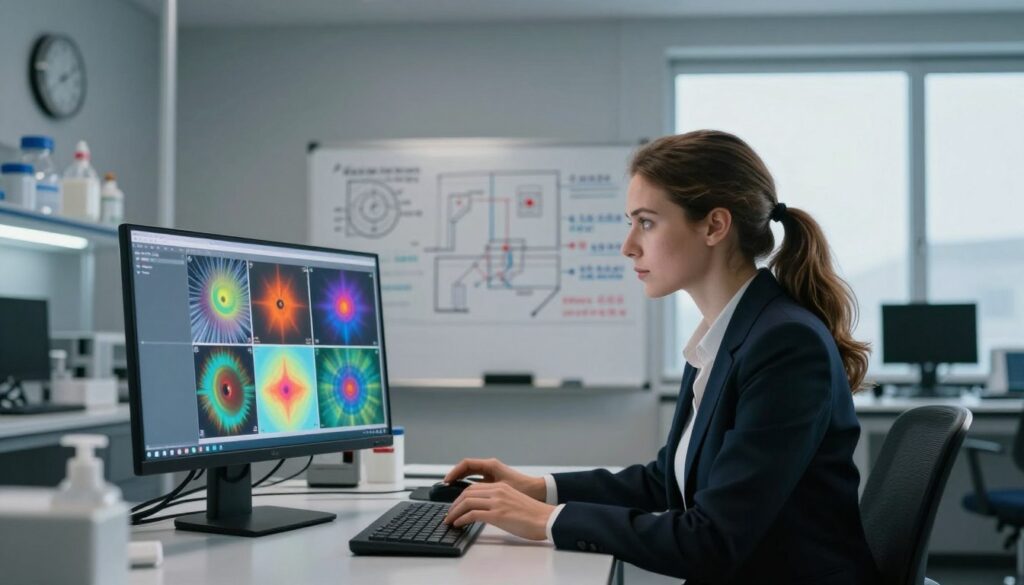
- Analyst reviews each session and records matches.
- Compare findings against chance and report effect size.
- Even partial matches can offer evidence that guides future work.
“Careful, impartial scoring turns impressions into testable results.”
| Step | Action | Purpose |
|---|---|---|
| Scoring | Blind judge rates matches | Reduce bias |
| Analysis | Compute hit rate and effect size | Assess statistical significance |
| Review | Note patterns across days | Improve protocol and skills |
Conclusion
When trials follow strict protocol, the lessons from each session become reliable stepping stones. A clear structure helps you gather honest data and see whether your efforts yield consistent success.
Patience matters. Growth in viewing ability comes with daily practice and thoughtful review of each target. Even small matches teach valuable lessons and sharpen your remote viewing ability over time.
Whether you are a new remote viewer or experienced, every day of practice improves your overall experience and skill. For an extra resource on techniques and insights, see clairvoyant secrets revealed.
Keep exploring, stay curious, and treat each session as useful data that guides the next step toward greater success.
FAQ
What is the core goal of a double-blind remote viewing protocol?
The main aim is to test whether a person can receive accurate target-related information beyond ordinary senses while removing bias. This involves ensuring neither the viewer nor the immediate facilitator knows the selected target. Careful controls, randomization, and independent scoring help separate genuine effects from chance, cueing, or expectation.
Who are the essential team members and what do they do?
A typical trial involves three roles: the viewer who provides impressions, a monitor who manages timing and logistics without seeing the target, and an analyst who scores matches between descriptions and possible targets. Roles must remain independent and documented to prevent leakage. Rotation of duties and multiple scorers improve reliability.
How should targets be chosen and handled?
Targets need to be distinctive, randomized, and securely stored. Use a pool of images or locations selected by an independent person or RNG. Seal or encode files so identifiers aren’t visible. Maintain a master list with timestamps and a sealed record of target assignment to preserve the blind.
What protocols help preserve the blind during sessions?
Use separate facilities or opaque partitions, electronic files with cryptographic hashes, and clear communication limits. The monitor should not access the master list. Use pre-printed forms and voice recordings that omit any target cues. Log all interactions and timestamps for transparency.
How should a session be run and impressions recorded?
Begin with standardized instructions and relaxation routines. Allow the viewer to describe impressions freely, writing or sketching raw data first. Record the session audio and collect any sketches or transcripts immediately. Avoid feedback until after scoring to prevent reinforcement effects.
What scoring methods yield the most objective results?
Use blind judging where independent raters compare the viewer output to multiple decoy targets. Rank-ordering, binary hit/miss scoring, and quantitative similarity ratings all work. Predefine scoring criteria and statistical tests before data collection to avoid post hoc bias.
How many trials and participants are needed for meaningful results?
Sample size depends on expected effect size and desired statistical power. Small pilot series can reveal practical issues, but robust inference requires many trials or multiple viewers. Consult a statistician and aim for a design that can detect small-to-moderate effects with standard alpha and power levels.
How should chance performance be estimated?
Define the number of choices per trial (e.g., one target among five) and compute the baseline probability accordingly. Use permutation tests or binomial models to compare observed hits to chance. Pre-registering the analysis plan limits flexible interpretation.
What precautions prevent sensory leakage and expectancy effects?
Block all visual, auditory, and electronic channels between target handlers and viewers. Avoid shared knowledge about target pools. Keep scripts neutral and consistent. Remove any contextual cues (date, location names) from materials that could hint at target identity.
How can results be made scientifically credible?
Use transparent documentation: pre-registration, open methods, raw data sharing, and independent replication. Report null findings and negative controls. Apply standard statistical methods and clearly state limitations. Peer review and replication strengthen credibility.
What ethical considerations apply when testing human perception?
Obtain informed consent, protect participant privacy, and avoid psychological harm. Offer debriefing after participation and allow withdrawal at any time. If sessions probe personal or traumatic themes, screen targets and provide support as needed.
How long is a typical session and how often should trials occur?
Sessions often last 15–60 minutes depending on protocol complexity. Short, focused trials reduce fatigue and improve data quality. Space sessions to avoid carryover effects and schedule rest breaks for longer series. Consistency in timing improves comparability.
What equipment and materials are recommended?
Basic needs include secure storage for targets, audio recorders, standardized forms, sketching supplies, and a reliable randomization source. For stronger controls, use digital hashes, tamper-evident seals, and independent data repositories. Keep technology simple to reduce failure points.
How do researchers handle ambiguous or partial matches?
Predefine rating scales for partial matches and use multiple blind judges to average ratings. Report inter-rater reliability metrics. Avoid retrofitting interpretations; present raw descriptions alongside scores so readers can assess subjectivity.
What statistical approaches are common in this research?
Researchers use binomial tests, permutation tests, t-tests for mean similarity scores, and meta-analytic methods for pooled data. Bayesian methods can incorporate prior information. Always report effect sizes, confidence intervals, and exact p-values.
How can replication be encouraged across labs?
Share full protocols, templates, and target pools openly. Provide training materials for viewers and monitors. Use standardized scoring rubrics and offer data in accessible formats. Collaborative multi-site studies with pre-registered plans yield the strongest evidence.
What common pitfalls reduce study validity?
Inadequate blinding, small sample sizes, selective reporting, and ambiguous scoring all undermine conclusions. Avoid flexible stopping rules and post hoc target selection. Clear documentation and independent checks reduce these risks.
Where can I find further reading and community resources?
Look to peer-reviewed journals in consciousness and anomalous cognition, university archives, and organizations such as the Rhine Research Center. Seek statistical guidance from textbooks or collaborators and review systematic reviews and meta-analyses for broader context.