

Controlled remote viewing blends disciplined technique with inner sense. This introduction outlines a clear path for people who want a practical method to access intuition and gain information across time and space.
In the early 1980s, military personnel at Ft. Meade trained under a contract with SRI-International. That work shaped a scientific framework many viewers still use today.
This tutorial shows how practice and consistency build skill. It is not just an idea in a book; it is a usable method for psychic reading and personal clarity.
Follow clear actions and focused exercises to improve accuracy. One goal here is steady results, so you can apply this process in daily life and complex situations.
Key Takeaways
- Controlled remote viewing uses a repeatable method for accessing distant information.
- Training at Ft. Meade and SRI shaped the modern practice.
- Regular practice helps viewers develop reliable intuition.
- The method works across time and space when applied correctly.
- This tutorial aims for consistent results and useful psychic reading skills.
Understanding the Foundations of Remote Viewing
A useful model for accessing distant information imagines reality as an ordered, non-material lattice. This framework helps explain how information blocked by distance or shielding can be sensed and described. SRI-International defined the practice as mental acquisition of data hidden from ordinary perception.

Defining the Matrix
The Matrix is described as a structured field that holds data about every object, event, and place. It is non-material yet highly organized, like a three-dimensional map of information.
Think of it as the origin point where form and pattern exist before physical matter appears. A viewer learns to access that pattern and report what emerges.
The Signal Line
The signal line is a proposed train of signals that carries data from the Matrix to the mind. The subconscious mind acts as the primary receiver in this process.
- The carrier wave moves energy across time space so the conscious mind can decode it.
- Frequencies vary; the viewer must control an aperture to filter out irrelevant matter.
- Targets like a body of water or a distant mountain transmit distinct signal qualities.
| Element | Role | Key Trait |
|---|---|---|
| Matrix | Source of universal information | Structured, non-material |
| Signal Line | Information carrier | Frequency-based transmission |
| Subconscious | Primary receiver | Filters and decodes signals |
| Remote viewer | Interpreter | Trains aperture and reporting |
The Scientific Origins of Controlled Remote Viewing
The modern protocol emerged when researchers and military trainees worked to make psychic practice measurable. Ingo Swann was central to that effort, training personnel in a method that emphasized reproducible results.
The 1984 contract year produced a handful of dedicated pupils who continued training in California and New York. These people refined the techniques so viewers could report impressions with consistent format and fewer errors.
Major Paul H. Smith later compiled those lessons into an official manual in 1986. The document preserved the training sequence and the controls that made the practice scientific.
Controlled remote viewing was tested against historical events and operational targets. Under strict conditions, the approach yielded data that researchers could analyze and compare across time.
Key outcomes:
- Ingo Swann’s protocols gave a usable framework for disciplined viewing.
- Ft. Meade training emphasized repeatability and noise reduction.
- The 1986 manual helped future viewers learn the process reliably.
Essential Components of a Successful Session
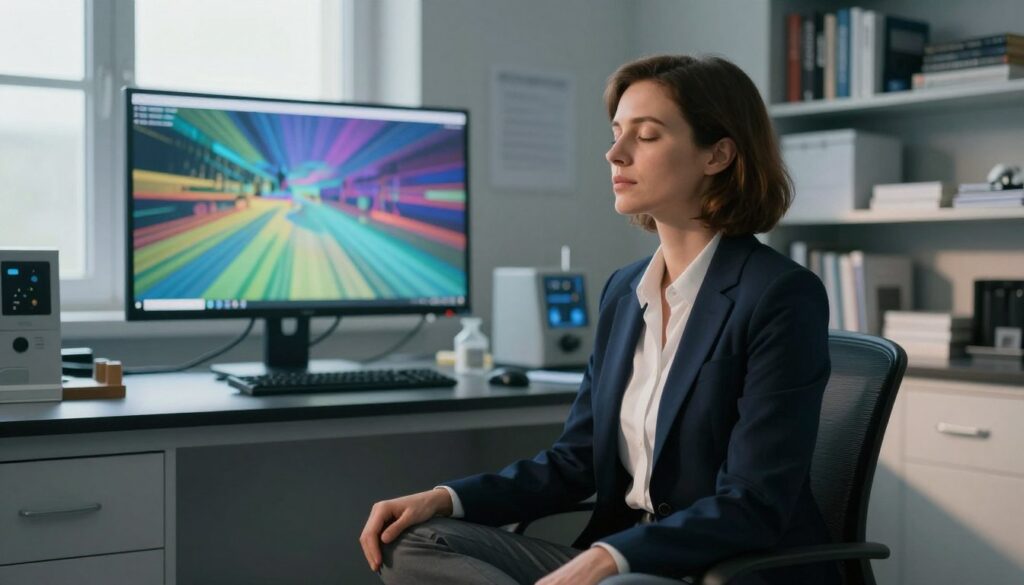
Successful sessions depend on a simple setup: one monitor, one viewer, and an uncluttered room. The monitor and the remote viewer sit at opposite ends of a plain table in a featureless, acoustically tiled space.
The monitor provides a geographic coordinate that prompts the signal line. This trigger helps the viewer focus on the target rather than wandering thoughts.
Control of the environment matters. Minimal noise and neutral walls let the viewer hold clear attention across time and space. A single person acting as monitor keeps the process objective and steady.
- Monitor supplies the coordinate and records impressions during the session.
- Featureless rooms reduce distraction and improve focus.
- Strict protocol separates the viewer’s ideas from data coming from the target.
After each viewing session, careful notes from the monitor support later analysis. For practical practice and drills, see these remote viewing exercises: remote viewing exercises.

A Comprehensive Step by Step Guide to CRV Remote Viewing
Begin each session with a calm space and a simple layout: pen, paper, and a quiet chair.
Preparing the Environment
Clear the room and remove scents or distractions. Sit at a plain table and face a blank wall if possible.
Place your pen on the left side of the paper and hold it steady until the monitor provides the coordinate. This habit keeps record-keeping consistent across sessions.
Establishing the Target
The monitor supplies a coordinate that prompts the signal line. The viewer focuses on that coordinate and lets impressions arrive without analysis.
Stage II targets reveal sensory values—touch, taste, sound, color, or odor. Sites like glaciers or volcanoes often present clear sensory cues.
Recording Impressions
Write only what you perceive on the paper. Discipline preserves the integrity of the information and reduces imagined details.
For example, if the target is a large body of water, note the sound of waves or the smell of salt. The structure of the session guides the remote viewer through six increasing levels of detail.

- Prepare pen and paper; record coordinates on the left.
- Let sensory impressions form before labeling them.
- Follow the controlled remote framework and stay disciplined.
Mastering the Use of Ideograms
Ideograms are a fast, written shorthand that taps the subconscious for the first impression of a target.
An ideogram is a unique written language the viewer creates to capture the initial gestalt during a session. It is not analysis; it is a raw signal laid on paper.
Practice makes the ideogram second nature. When you train this reflex, the subconscious mind supplies immediate information that comes to mind before the conscious layer interferes.
Use the ideogram as a bridge. It helps focus on the target and flags urgent cues, like danger or strong emotion, quickly and reliably.
Whether you work in quiet or amid noise, the symbol gives a compact reference for later decoding. Trusting that mark strengthens the link to the signal line and improves information flow over time.
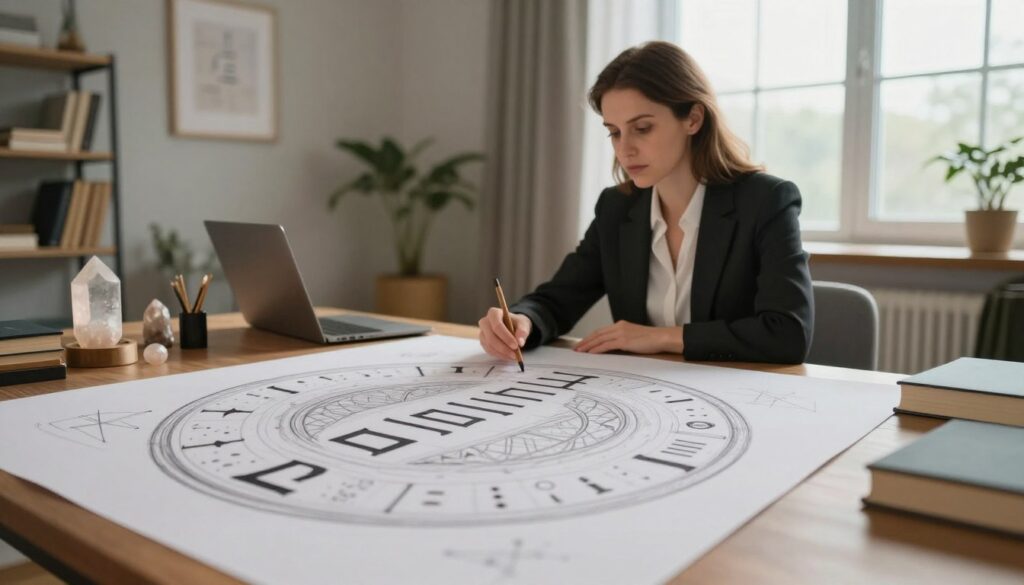
- An ideogram records the first gestalt of a target.
- Practicing ideograms trains the subconscious mind for instant answers.
- The mark bridges focus and extraction of core data during a session.
| Feature | Purpose | Benefit |
|---|---|---|
| Ideogram | Capture initial impression | Preserves raw data before analysis |
| Practice Sessions | Build reflexive response | Faster, clearer information |
| Trusting Marks | Link to subconscious | Stronger connection across time and space |
| Quick Alerts | Identify danger or emotion | Immediate situational clarity |
For additional related methods, consider exploring techniques for energy work like sending healing energy to complement your practice sessions.
Identifying and Avoiding Analytical Overlays
Even skilled practitioners can let imagination rewrite a clear perception into a false story. An analytical overlay happens when a viewer notices a real element and then builds an imaginary castle around it.
Recognize the trap: a tall cylindrical cue might be accurate, but the mind can insist it is a goal post and invent a whole scene.
Recognizing Imaginary Castles
Farmer John’s example shows this clearly.
“He sensed a vertical shape, then imagined a fence, a barn, and a dog chasing something that wasn’t there.”
That story is an example of how a clear hint turns into fiction when the mind fills gaps. Every session requires the viewer to stay objective and record only raw impressions.
- An analytical overlay starts with a correct cue and becomes a false narrative.
- To avoid it, pause and note sensory bits—texture, sound, smell—rather than labels.
- Report data exactly as perceived, not what the mind insists it means.
| Issue | What It Looks Like | How to Fix It |
|---|---|---|
| Labeling | Assigning a name (e.g., “goal post”) | Write sensory detail first, then label later |
| Filling Gaps | Inventing context around a cue | Pause, record single impressions, verify later |
| Narrative Drift | Building a story from limited data | Use ideograms and short notes to hold raw data |

Experienced viewers practice vigilance across each session. For more techniques that strengthen clarity and shrink bias, see practical methods at psychic powers and practice.
Implementing Mini Mental Sessions for Daily Clarity
Mini mental sessions let you check a quick impression when everyday situations feel unclear.
Use a short session when a sudden sense of danger or confusion arises. Pause, picture a sheet of paper, and let simple words or images come to mind.
For example, if your boss seems off, ask your subconscious mind for a few clear impressions about their mood. Note sensory cues rather than stories.

The author once felt danger and saw police tape in a brief probe. Minutes later a chase occurred nearby. That real event shows how a quick check can supply accurate warnings about future events.
Benefits:
- Use small practice sessions for mental clarity on daily problems.
- Ask the subconscious for simple information when a sense of danger comes.
- Record words or images on paper and compare results with real events.
“A short, disciplined inquiry can turn a psychic reading into a useful tool for decisions.”
Regular use of controlled remote techniques builds trust in the subconscious mind and helps the remote viewer separate clear hits from noise.
The Role of the Monitor in Training
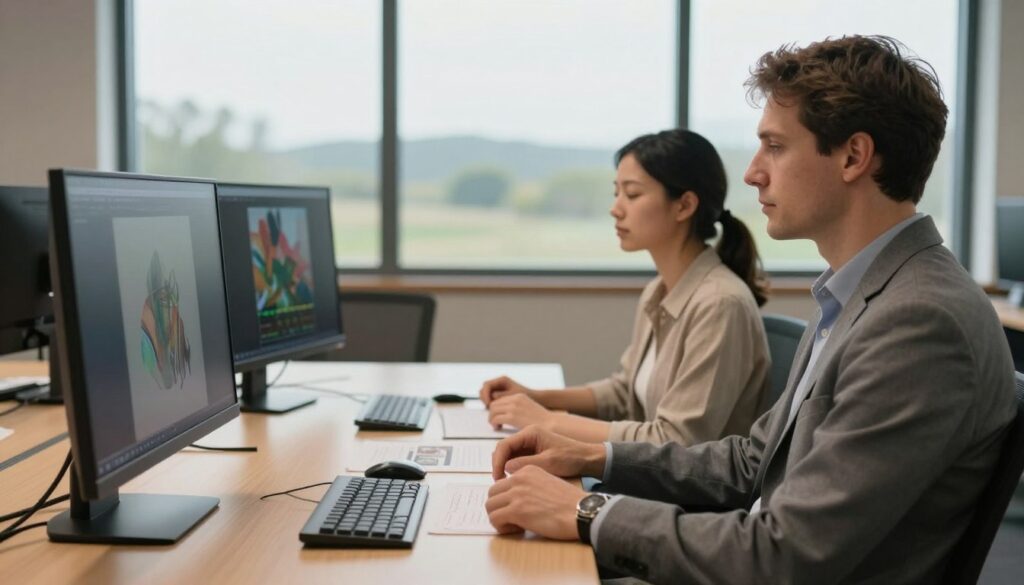
A seasoned monitor acts as an anchor, helping the viewer avoid distraction and maintain focus. In training, that person keeps the session within a strict structure so impressions remain clean and testable.
The monitor supplies the coordinate and notes raw data while the viewer reports sensory cues about the target. This arrangement reduces bias and helps prevent an analytical overlay from growing into a false narrative.
Lyn Buchanan learned CRV before the manual was finalized and later stressed the monitor’s importance. A well-trained monitor understands the methods developed by Ingo Swann and can offer objective feedback without leading the viewer.
Practice with a monitor teaches people to spot their own patterns and improve accuracy over time. Many find that having a dedicated monitor sharpens focus and raises the success rate of each session.
For structured training and further development, consider a focused psychic development program that pairs viewers with experienced monitors.
Expanding Your Intuitive Potential
Cultivating deeper perception often begins with small, regular checks of your inner sense.
Growth is a lifelong process. As you gain experience, the viewer learns to trust subtle cues. The mind opens and mental clarity improves in everyday choices.
Many people find that psychic abilities become part of daily life. Simple practice helps turn occasional hits into a steady skill. Over time, accessing information across time feels natural rather than forced.
Use a consistent routine and keep notes. A clear language for impressions helps the viewer compare results and refine skill. For more on related clairvoyant training see clairvoyant abilities.

| Focus Area | Action | Benefit |
|---|---|---|
| Daily practice | Short probes and notes | Stronger connection with the mind |
| Pattern work | Compare impressions over time | Better accuracy and skill |
| Integration | Use intuition in decisions | Improved mental clarity |
“The sense of connection you feel after a successful viewing reminds you what is possible.”
Keep curiosity alive. With steady effort, psychic reading becomes a useful resource for growth and everyday insight.
Conclusion
As we finish, remember that controlled remote viewing is a skill built through steady practice and careful notes.
Keep sessions short and focused. Trust simple sensory records and avoid grand narratives. This approach preserves accuracy and helps you learn faster.
Use this book as a reference, then test the methods in everyday situations. Practice with a partner or a monitor when possible and record results for comparison.
Stay curious and share useful findings with others on the same path. For related energy work that supports mental clarity, see sending healing energy.
Thank you for reading and for your dedication to expanding inner perception over time.
FAQ
What is CRV and how does it differ from other psychic methods?
CRV, or Controlled Remote Viewing, is a structured mental process for gathering impressions about a distant person, place, or event. It emphasizes disciplined protocols, use of ideograms, and layered phases to reduce guessing. Unlike informal psychic readings, CRV uses training, a monitor, and written records to increase reliability and feedback-driven learning.
How do I prepare a space for a successful session?
Create a quiet, uncluttered area with minimal interruptions. Use soft lighting and a comfortable chair. Have clean paper, pens, and a timer ready. Turn off devices and let others know you need privacy. A consistent environment helps the subconscious settle and improves focus during practice sessions.
What is an ideogram and why is it important?
An ideogram is a quick, spontaneous mark that captures the raw essence of the target. It bypasses conscious analysis and provides a starting point for sensory impressions. Practicing ideograms trains the mind to record immediate data and prevents premature interpretation, which boosts clarity in later phases.
How can I tell when analytical overlay is happening?
Analytical overlay appears as rapid stories, assumptions, or detailed scenarios that feel mentally constructed rather than sensory. Common signs include sudden logical explanations, familiar faces, or narrative threads that insert themselves into impressions. Pause, note the overlay, and return to neutral descriptive sensing to continue gathering raw information.
What role does a monitor play in training and sessions?
A monitor guides the process, provides targets, records time, and offers feedback after sessions. They help maintain protocol, prevent bias, and support the viewer’s development. Effective monitors build a safe learning environment and deliver feedback that sharpens accuracy and confidence.
How often should I practice to improve intuitive clarity?
Short, focused daily sessions are better than infrequent long efforts. Mini mental practices of five to ten minutes build attention and strengthen subconscious access. Over weeks and months, regular practice develops skill, refines sensory noticing, and reduces reliance on imagination.
Can beginners use CRV without a monitor or mentor?
Beginners can start solo but benefit greatly from a monitor or experienced trainer. A second person provides target control, objective feedback, and helps identify analytical overlay. If working alone, use blind targets and keep detailed records for later comparison and learning.
What is the signal line and how is it used during a session?
The signal line is a mental divider between conscious analysis and raw sensory data. Crossing it means shifting from active thinking to receptive sensing. Viewers use the signal line to mark when they move into non-analytical perception, helping maintain protocol and capture undistorted impressions.
How do I establish a target without biasing the results?
Use blind targets: sealed envelopes, random numbers, or a monitor who presents targets without revealing details. Avoid research or prior info. Neutral target labels and strict separation between monitor and viewer reduce contamination and keep the subconscious impressions fresh.
What should I record during a session for best feedback later?
Record ideograms, raw sensory impressions, sketches, descriptive words, and timestamps. Note any emotions or physical sensations. Avoid editing during the session. After the session, compare notes with target material for constructive feedback and skill assessment.
How do I practice identifying imaginary castles and other false constructs?
Train by reviewing recorded sessions and marking elements that were invented versus accurate. Look for overly detailed narratives, familiar scenarios, or culturally influenced images. Awareness grows through feedback; the more you inspect past overlays, the quicker you’ll recognize them in future sessions.
Are there scientific roots supporting this approach?
Protocols used in CRV evolved from research into anomalous cognition and operational intelligence projects. The method borrows experimental rigor: blind targets, documentation, and repeatable phases. While mainstream science debates mechanisms, controlled practice shows measurable improvements in individual performance.
What senses should I focus on during impression gathering?
Prioritize raw sensory input: visual shapes, textures, sounds, smells, temperatures, and spatial relationships. Also note kinesthetic feelings like pressure or movement. Treat thoughts as separate and return to concrete sensory reporting whenever analysis creeps in.
How long does it take to gain usable skill with this method?
Progress varies. Some people notice clearer impressions in weeks; others take months of consistent practice. Regular short sessions, quality feedback, and structured training accelerate growth. Persistence and honest self-review are the strongest predictors of steady improvement.
Can this practice help with everyday intuition and decision-making?
Yes. The discipline of observing subtle impressions and distinguishing them from mental chatter sharpens intuition. Many practitioners report enhanced situational awareness, better creative problem solving, and improved mental clarity that transfers into daily life.