

Does energy healing work? This guide answers that core question in clear, practical terms. It is an informational, expert-roundup style intro that explains what these practices are, what research shows so far, and what many people report after sessions.
Energy healing refers to hands-on or hands-off methods like Reiki and similar approaches that aim to ease stress and improve mood. Interest has grown in the United States as these services appear on spa menus, social platforms, and streaming fitness sites. That visibility fuels curiosity but does not equal scientific proof.
This article takes a facts + benefits approach: we share expert views, client reports, and what studies have measured. Expect balanced coverage and a clear safety note — these practices can complement medical care but should not replace it. For a deeper guide, see a practical overview here: ultimate guide to energy healing.
Key Takeaways
- Clear question: We assess whether common methods help with stress, sleep, and mood.
- Balanced view: Respect lived experience while noting limits in evidence.
- Practical uses: Sessions may ease anxiety and pain for some people.
- Safety first: Use as a complement, not a substitute for medical care.
- What to expect: Typical sessions can be in-person or remote via video.
Energy healing explained: what it is and what “energy” means
Different traditions describe a life force or subtle field that practitioners try to influence with touch or near-touch.
How major institutions define the practice: The NCCIH frames it as channeling a healing force through the hands into a client’s body to restore normal balance and health. In plain terms, a practitioner uses hands-on or hands-near techniques to help the body return to a steadier state.
The term “energy” often refers to ideas like qi or prana, or a subtle field some call the biofield. That language varies by tradition and by individual practitioner.
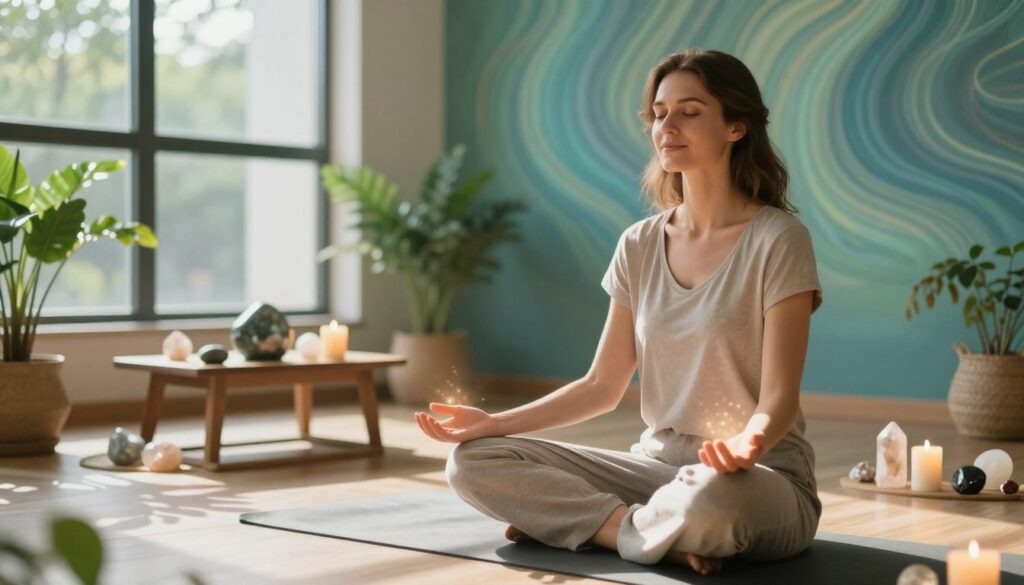
The biofield and measurement challenges
Researchers use “biofield” to name a massless field that surrounds living bodies. It is not clearly electromagnetic and resists standard clinical measurement.
Because the field is subtle and not easily tested with current tools, scientific studies face limits when they try to prove how the model maps onto physical signals.
Where people encounter these practices today
What we now call energy medicine became a Western category in the 1980s, though many practices are ancient.
Today, sessions show up in spas, therapy-adjacent clinics, and digital platforms offering guided Reiki-style content and sound-bath classes.
| Aspect | How it’s described | Common settings | Measurement notes |
|---|---|---|---|
| Definition | Channeling a subtle force via hands to restore balance | Spas, clinics, online classes | Mostly subjective reports; physiologic studies limited |
| Biofield | Massless field surrounding the body, not clearly EM | Research labs, complementary medicine studies | Difficult to measure with standard tools |
| Modern context | Category “energy medicine” coined in the 1980s | Wellness platforms, therapy-adjacent care | Practice common; rigorous proof still developing |
Why this matters for the rest of the article: Knowing how the model is defined helps readers separate descriptive claims from scientific proof. The next section looks at research and what studies have actually measured.
Does energy healing work? What research says so far
Research into Reiki and related approaches shows early promise for reducing stress, anxiety, and pain but remains limited by study size and variety.
Studies and major findings
A Frontiers in Psychology review found limited studies that suggest reiki may outperform placebo for stress, anxiety, depression, and burnout. Small trials and pilots also report lower pain after sessions.
One observational study of health care workers who received four 20-minute remote reiki sessions reported better sleep and reduced anxiety, stress, and pain. A pilot in cancer care noted lower pain, anxiety, and fatigue when distant Reiki was given alongside standard medical treatment.

Physiological signals researchers examined
Researchers have measured heart rate variability (HRV) and body temperature before and after sessions. Some reports show shifts consistent with increased parasympathetic “rest and digest” activity.
Such markers offer an objective angle, but changes are small and not yet conclusive for broad clinical claims.
Why evidence remains limited
Common constraints include small sample sizes, mixed methods, and the difficulty of blinding practitioners and participants. Expectation and context can influence self-reported outcomes.
| Research area | Findings | Limitations |
|---|---|---|
| Reiki for mood | Signals of reduced stress, anxiety, depression, burnout | Small trials; varied measures |
| Remote sessions | Improved sleep and lowered pain, anxiety, stress in observational samples | Self-report; no randomized control in some studies |
| Physiology | Changes in HRV and body temperature suggesting parasympathetic shifts | Effects modest; replication needed |
Practical takeaway: Research supports trying Reiki for comfort and stress reduction, especially as an adjunct to standard care. It is not a proven standalone treatment for serious conditions.
Expert perspectives on how energy healing may support mental health and stress
Several experts describe how quiet, intentional sessions can nudge the nervous system toward calm, which may help with stress and overall mental health.
Niko Karelas, LAc, likens the experience to a “spiritual massage” that helps the body reach a calm homeostasis or “rest mode.” He also encourages clients to keep therapy as a companion when deeper issues are present.
“People often report feeling heavy eyelids, deep calm, and a settled sense in the body after a session.”
Why relaxation and the parasympathetic shift is common
Sessions usually include slow breathing, gentle hands-near contact, and a quiet setting. These cues prompt the parasympathetic system — a true physiological downshift.
Clients may feel sleepy, relaxed, or mentally clearer afterward. The Wondermind narrative compares post-session fatigue to taking Benadryl, a sign of the body entering a rest-and-repair phase.
Combining this approach with talk therapy
Victoria Kirtley, MA notes therapy builds skills and awareness, while this kind of work can surface unconscious patterns that are hard to name in talk alone.
When used together, therapy and sessions can be complementary: one offers insight and tools; the other can create a calmer baseline that makes insight easier to access.

| What experts say | Typical effect | How it helps mental health |
|---|---|---|
| Niko Karelas | Calm homeostasis, “spiritual massage” | Reduces reactivity; supports therapy when stuck |
| Victoria Kirtley | Access to unconscious patterns | Complements therapy by surfacing material for insight |
| Wondermind reports | Post-session sleepiness | Sign of parasympathetic downshift, aids recovery |
For practical guidance on how sessions are run, see a short primer on how to perform energy healing. Remember: severe anxiety or depression needs established mental health care as the foundation; these sessions are an adjunct for comfort and relaxation, not a replacement.
Common energy healing modalities people try in the United States
Below is a practical menu of popular modalities many people try across the United States. This section shows how sessions can differ by tradition and practitioner.
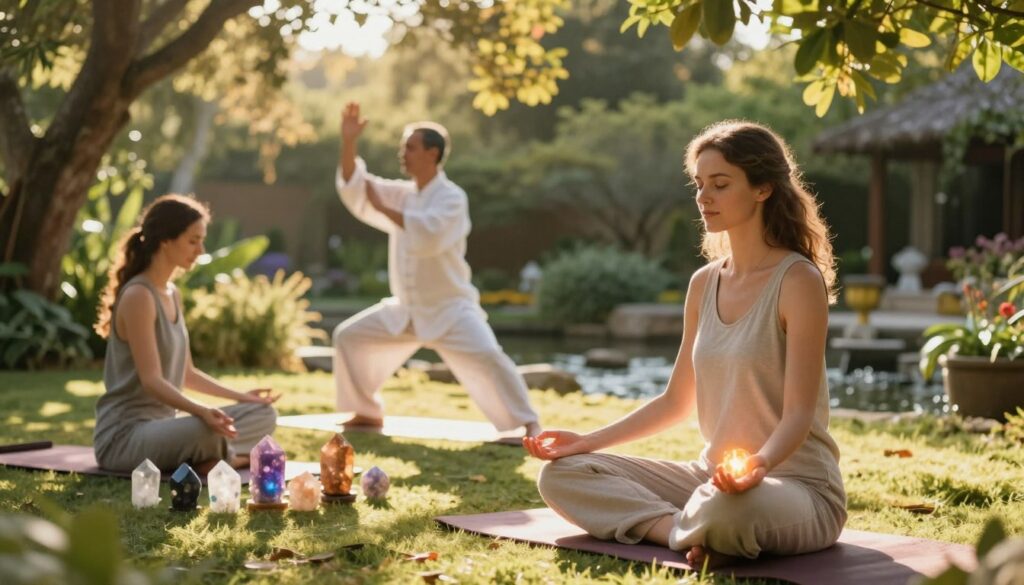
Reiki: hands-on or hands-near support
Reiki sessions usually involve a practitioner placing hands on or just above the clothed body. The intent is to support flow and create a calm state while the client lies or sits relaxed.
Classical Chinese medicine concepts
Classical Chinese medicine centers on qi and meridians, a map of pathways that guide flow through the body. Acupuncture alters those channels with needles and cannot be done remotely.
Chakra balancing
Chakra work focuses on seven main centers. Practitioners may use guided visualization, gentle pressure, sound bowls, or crystals to promote balance and clearer sensations.
Aura cleansing, crystals, and sound
Sessions that include aura clearing often use crystals, breath, and sound (gongs or singing bowls). Practitioners aim to remove stuck or stale layers so people feel lighter or more present.
Breathwork
Breathwork is an accessible practice used alone or with other modalities. Guided breathing patterns help regulation, emotional release, and a settled nervous system.
“Techniques, touch boundaries, and spiritual language vary widely—choose what fits your comfort and goals.”
Potential benefits of energy healing, based on expert reports and client experiences
Many clients report noticeable benefits after a session, from calmer mind states to looser shoulders and less night-time restlessness.
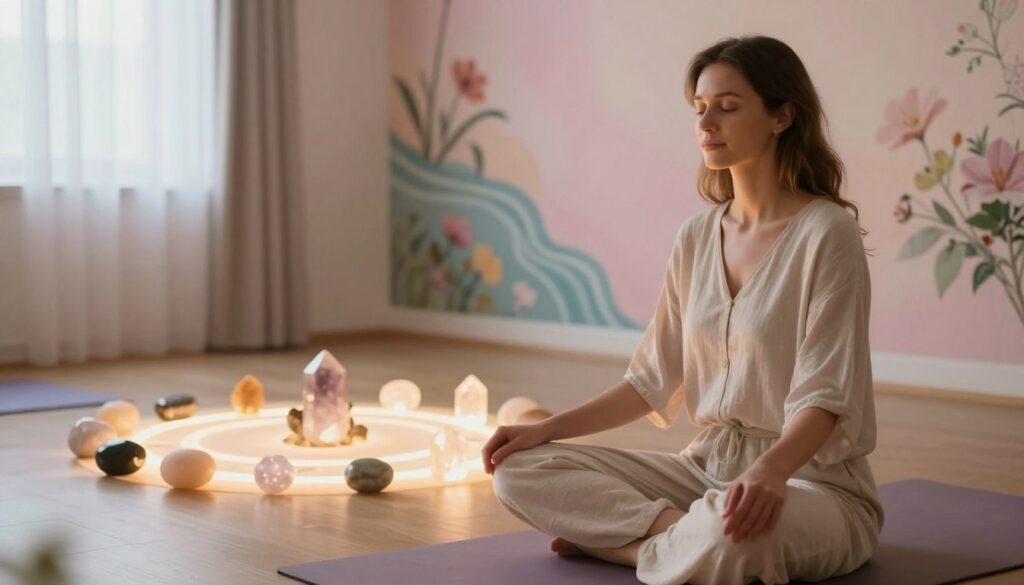
Relaxation, improved sleep, and mental clarity
Deep relaxation is the most cited benefit. People often notice improved sleep and short-term mental clarity in the hours or days that follow.
That relaxation can help quiet anxious loops and lower stress, making daily tasks feel less heavy.
Emotional release and self-awareness
Many describe emotional release—crying, laughing, or a sense of relief. That release can reveal unprocessed feelings or stuck patterns.
Practitioners may call these blockages; clients can instead think of them as habits or unprocessed material that surface for attention.
Supportive effects for pain, tension, and wellness
People commonly report reduced pain and looser neck, jaw, or shoulder tension. Those shifts often add to a general sense of body and mind wellness.
Benefits tend to be subtle and cumulative. Tracking sleep, stress, and pain before and after sessions makes outcomes more concrete. For a short primer on remote methods, see how to send healing energy.
What an energy healing session is like: in-person process and sensations
A typical in-person session follows a clear, calm process to help clients feel safe and understood. Most sessions begin with a short intake where the practitioner asks what feels off, reviews basic health history, and confirms touch and privacy boundaries.
Intake and intention-setting
Expect questions about current symptoms, sleep, and any medical care. You and the practitioner agree on goals, a comfort plan, and whether hands will be placed on the clothed body or kept slightly above it.
Hands, touch, and non-touch techniques
Common techniques include hands-on placements, palms hovering near the body, soft sweeping motions, and guided breathing. Sessions may blend stillness with brief craniosacral-style contact or gentle pressure at key areas.
Chakra-focused tools
Studios often add sound bowls, a gong, chanting, or crystals near the chakras. A practitioner might place bowls near the spine or throat to support a sense of openness and centeredness.
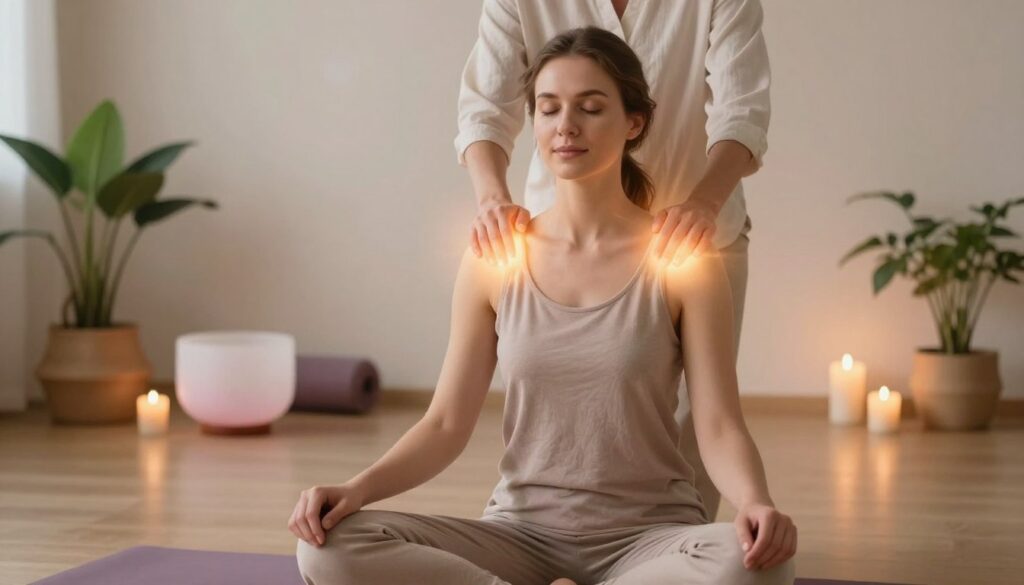
What you might feel
People report tingling, warmth, cool spots, heaviness, pulsing, vivid images, or unexpected emotions. Some feel nothing at all — that is normal too.
After-effects and aftercare
Sessions often last 40–90 minutes. Afterward expect possible tiredness, thirst, or clearer thinking. Practitioners commonly debrief for a few minutes and suggest simple supports: hydrate, rest, journal, and keep the evening low-demand.
“Many clients notice calm right away; others see change over several sessions.”
Home practice ideas include five minutes of gentle breathing, short singing or movement, a warm salt bath, or quietly noticing sensations without forcing explanations. These small practices can extend the effects of a session and deepen awareness.
For a focused guide on chakra methods, see chakra balancing.
Remote energy healing sessions: how distance work happens over Zoom
Remote sessions translate the ritual of a studio into a quiet corner of your living room. The flow mirrors an in-person visit: a brief check-in, intention-setting, a guided breath, then quiet rest while the practitioner leads the session from a distance.

Typical home setup and how a practitioner runs a session
Settle in a quiet room with a blanket, pillow, and a device that shows you on camera. Close notifications and plan five to ten minutes afterward to stay offline.
The practitioner will confirm goals, coach breathing, and ask you to lie or sit comfortably. Many techniques rely on voice, intention, and guided attention rather than touch.
Why some modalities translate to Zoom and others don’t
Hands-near methods such as Reiki, chakra work, and aura clearing adapt well to distance formats because they focus on guided awareness, visualization, and breath. These approaches do not require physical tools.
By contrast, acupuncture needs in-person safety and needles and cannot be done remotely.
Common reports after a session and how to evaluate results
People often note calm, clearer thinking, reduced stress, and a “restorative nap” feeling. Some feel tingling or warmth in the body, even without touch.
“Some notice change right away; others sleep better that night.”
Tip: track sleep, stress, and any pain or tension for 24–48 hours to judge whether the session was helpful. For a fuller primer, see the energy healing guide.
How to choose a practitioner and get more value from your sessions
Finding a skilled practitioner is one of the most practical steps you can take for better results. A brief intake, clear boundaries, and a follow-up plan separate a casual visit from a helpful care experience.

Where to look
Start with personal referrals: friends, yoga teachers, massage therapists, or acupuncturists often recommend trusted practitioners. Ask your doctor, naturopath, or therapist if they know reputable options. Online directories are useful, but many are not regulated—vet listings carefully.
What to ask before booking
Use this short script at first contact:
- Training and certifications: What training do you have and how long have you practiced?
- Modalities and touch: Which modalities do you use and will there be hands-on contact?
- Session logistics: Typical length, cost, cancellation policy, and expected aftercare?
- Boundaries and safety: How do you handle client comfort, privacy, and medical collaboration?
Cost, frequency, and realistic expectations
Costs vary widely across the United States. Many people try 1–3 sessions to see if a practitioner fits. After that, monthly or occasional visits are common depending on goals, budget, and time.
Frame this care as supportive rather than curative. Ask, “Do I feel calmer or more resourced afterward?” That question often matters more than expecting dramatic fixes.
Get more value from each appointment
Arrive with a clear intention and note sleep, stress, or pain before and after sessions. Follow simple aftercare: hydrate, rest, and jot any changes. If you want integrated support, combine sessions with therapy or medical treatment for a fuller system of care.
“Choose a practitioner who welcomes questions, works with your medical team, and explains what they can and can’t treat.”
For related counseling and complementary options, consider a consultation with a specialist like clairvoyant counseling as part of a broader wellness plan.
Safety, limitations, and what energy healing can’t do
It’s vital to know what these sessions can and cannot offer before booking one. They are not a proven cure for medical or psychiatric conditions, and claims that they replace diagnosis or treatment lack supporting evidence.
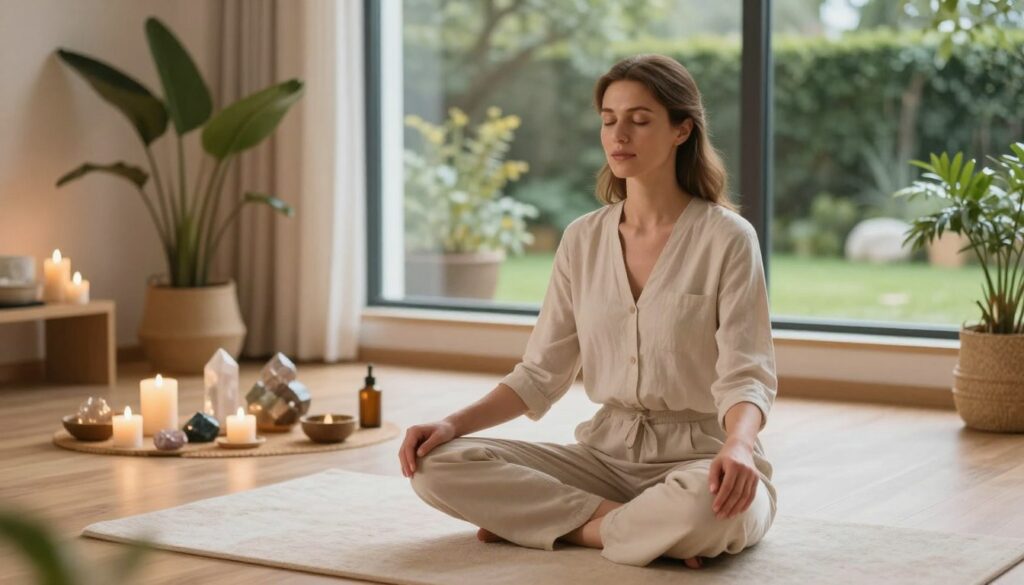
Best used as complementary support
Think of this practice as a supportive tool that may help you feel calmer or more grounded. Use it alongside primary medicine, specialists, and evidence-based therapy for a fuller health system.
When to seek professional help first
Seek prompt medical or mental health evaluation for persistent or severe pain, worsening anxiety, major depressive symptoms, trauma responses, or any suicidal thoughts. If symptoms are sudden, severe, or getting worse, prioritize formal treatment immediately.
Red flags to avoid
- Guarantees or cure claims: Beware anyone promising specific outcomes.
- Pressure tactics: High-pressure sales, upsells, or fear-based messaging are warnings.
- Discouraging medical care: Never accept advice to stop prescribed medication or therapy without consulting your clinician.
“Good practitioners respect your autonomy and support you in getting medical help when it’s needed.”
For those curious about training or professional paths, consider learning more about how to become a psychic healer as part of understanding standards and boundaries in the field.
Conclusion
After weighing studies, expert views, and client reports, the clear takeaway is measured optimism.
Energy healing is widely used and often felt as calming. Early research, especially on Reiki, suggests possible benefits for stress and sleep for some people.
Expect relaxation, clearer thinking, and gentle shifts in tension after a session. Do not expect guaranteed cures or to replace standard medical or mental health care.
Try one well-vetted session (in-person or remote), track how you feel for 48 hours, and decide if it fits your wellness routine. Combine sessions with therapy or medical advice when needed.
If a practice helps you feel steadier and more supported, it can be a useful complement to therapy, medicine, and daily self-care.
FAQ
What is meant by “energy” in practices like Reiki and traditional Chinese medicine?
Practitioners use “energy” as a shorthand for a life force concept—called qi in Chinese medicine—that describes flow, balance, and connection between body and mind. Clinicians often describe sessions as aiming to restore a sense of balance or reduce blockages rather than measuring a literal physical current. In clinical and research settings this idea is sometimes studied under the term “biofield.”
How do major institutions define hands-on or hands-near therapies?
Many hospitals and integrative health centers describe modalities such as Reiki or therapeutic touch as intentional, practitioner-guided interventions that focus on relaxation and balance. Definitions emphasize noninvasive techniques—light touch or hovering hands—to promote wellness, reduce stress, and support other treatments rather than replace medical care.
Is there scientific evidence that these therapies help anxiety, depression, or pain?
Small clinical trials and systematic reviews suggest benefits for stress, anxiety, depression symptoms, burnout, and some pain conditions, though results vary. Research quality differs across studies, so findings are promising but not definitive. Larger, well-controlled trials are still needed to clarify the size and mechanisms of effect.
Can remote Reiki or distance sessions produce real effects?
Several studies report improved sleep, lower anxiety, reduced stress, and less fatigue after remote sessions. Outcomes are often similar to in-person sessions for subjective measures like relaxation. However, limitations in study design mean remote benefits are best seen as plausible and worth trying, not guaranteed.
What physiological signs have researchers measured during sessions?
Scientists have explored heart rate variability, skin temperature, blood pressure, and cortisol as objective indicators. Some studies find shifts consistent with relaxation—like increased heart rate variability—but findings are mixed and not yet conclusive across populations.
Why is the research still limited despite positive reports?
Limitations include small sample sizes, inconsistent control conditions, placebo effects, and variable practitioner training and protocols. These factors make it hard to isolate specific mechanisms or claim uniform results across settings.
How might these sessions support mental health and stress reduction?
Experts point to relaxation, guided intention, and downregulation of the sympathetic nervous system (“rest and digest”) as likely contributors. The calm setting, focused attention, and ritual can reduce rumination and create space for emotional processing alongside other therapies.
Can these practices be used alongside talk therapy?
Yes. Many clinicians recommend using hands-on or hands-near sessions as complementary care. While psychotherapy targets cognitive and behavioral change, energy-based sessions can support regulation, body awareness, and emotional release that enhance therapeutic work.
What are common modalities people try in the U.S.?
Popular approaches include Reiki (hands-on or hands-near), classical Chinese medicine concepts like qi and meridians, chakra balancing, aura clearing, crystal and sound therapy, and breathwork. Each has different tools and training standards but often shares goals of relaxation and balance.
What benefits do clients commonly report after sessions?
People often report deeper relaxation, better sleep, clearer thinking, reduced tension, emotional release, and an improved sense of overall wellness. Some also notice reduced pain or muscle tightness, though individual responses vary.
What happens in a typical in-person session?
Sessions usually begin with intake and intention-setting, where the practitioner asks about goals, history, and any areas of concern. Techniques vary from light touch to hands-off hovering, along with tools like sound bowls or gentle pressure for chakra work. Many clients feel warmth, tingling, heaviness, or emotional shifts during the process.
What aftercare should I expect following a session?
Practitioners commonly recommend hydration, rest, gentle movement, and journaling to integrate the experience. Some suggest short grounding exercises or breathwork to maintain benefits between appointments.
How do remote sessions typically work on platforms like Zoom?
A remote session often begins with intake and intention-setting, then a guided relaxation while the practitioner performs their protocol from another location. Clients may use headphones, a quiet space, and comfortable positioning. Many report calmness, a nap-like restorative feeling, or clearer thoughts afterward.
Why can some modalities be done remotely while others can’t?
Approaches based on hands-on physical manipulation, such as acupuncture, require in-person treatment. Modalities emphasizing intention, guided relaxation, or the biofield—like Reiki—adapt more easily to distance work because they rely on verbal guidance and focused presence rather than physical instruments.
How do I find a reputable practitioner?
Look for referrals from trusted clinicians, check integrative health center listings, and review practitioner training and certifications. Directories from professional associations and hospital integrative programs can also help identify experienced providers.
What should I ask before booking a session?
Ask about the practitioner’s training, modalities offered, session length, costs, boundaries around medical advice, and what to expect during and after the session. Clear communication helps set realistic expectations and ensures safety.
How often should I schedule sessions and how much do they cost?
Frequency and cost vary widely. Some clients book weekly or monthly sessions; others schedule as needed for stress or pain management. Prices depend on location and practitioner experience. Discuss goals and a trial plan to find a sustainable rhythm.
Can these sessions replace conventional medical or mental health care?
No. Practitioners and professional guidance emphasize these approaches as complementary care. For serious medical conditions, acute pain, or significant mental health disorders, seek medical and psychiatric treatment first and use complementary sessions to support overall well-being.
When should I prioritize medical or mental health treatment instead?
If you experience severe pain, suicidal thoughts, uncontrolled anxiety or depression, or sudden physical symptoms, contact a medical professional or mental health provider immediately. Complementary sessions can help with symptom relief but are not a substitute for crisis care.
What are red flags to avoid when choosing a practitioner?
Beware of guarantees of cures, pressure to stop prescribed treatments, aggressive sales tactics, or lack of transparency about training. Ethical practitioners respect medical care, provide clear boundaries, and offer informed consent.