

Curiosity and doubt both matter. Many people ask whether channeling a life force or a biofield can support health. Some individuals report feeling calmer, sleeping better, or less stressed after a session.
This article aims to explain what those experiences mean and how they differ from proven mechanisms. We separate personal effects from measurable causes and outline what science has found so far.
Expect a friendly guide that covers common methods, what a session looks like, and why the science is mixed. We will highlight possible pathways for benefit: relaxation, focused attention, and placebo-like effects.
Safety and sensible choices matter. You will get questions to ask a practitioner, red flags to watch, and advice on when to seek medical care. We won’t overpromise: some people gain improved quality of life, but this should not replace standard treatment.
Key Takeaways
- Clear distinction between personal experience and proven mechanisms.
- Popular approaches and the idea of a biofield are explained.
- Research offers mixed evidence; benefits may come from several pathways.
- Practical tips: questions to ask and red flags to spot.
- Do not use such methods in place of medical care when serious issues appear.
Why energy healing is everywhere right now
What once lived on the margins now appears in many daily places. Wellness trends moved from gyms and diets into mood, stress, and spiritual topics. That shift makes subtle methods feel mainstream.

The modern “energy-healing era” in wellness culture
Short sessions, remote appointments, and soft marketing helped spread this approach. Apps like Alo Moves publish Reiki series alongside yoga and breathwork. Spas add such sessions to their menus. TikTok and wellness studios often show quick clips and testimonials.
What people hope to get from a session
Many seek relief from stress, burnout, anxiety, or strained relationships. Clients often want a different doorway than talk-based therapy alone.
Common goals include:
- Calmer nervous system and better sleep
- Emotional release and feeling less stuck
- Short, gentle support that complements care
| Where you see it | Why it spreads | What people expect |
|---|---|---|
| TikTok, spa menus, apps | Accessible, often remote, gentle | Relaxation, clarity, improved sleep |
| Meditation & sound bath studios | Short sessions, low barrier | Emotional release, feeling “unstuck” |
| Fitness platforms (Reiki series) | Storytelling and testimonials | Supportive complement to therapy |
Stories and testimonials move trends faster than data. They help people try a healer or a new practice. That makes broad claims feel plausible, though stories are not the same as proof.
Because “energy healing” covers many methods, the next section will explain what happens during typical sessions and how practitioners describe their aims. For a deeper overview, see this energy healing guide.
What energy healing means in practice
Sessions vary widely, but most fall into three simple delivery styles.
Hands-on, hands-off, and remote formats
Hands-on sessions use light contact. Practitioners rest palms near or on clothing. Hands-off work keeps palms slightly above the body. Remote sessions happen across distances, often over video or phone.

What clients and practitioners do
Clients usually breathe, notice body sensations, or follow guided imagery. Short body scans and quiet rest are common steps.
Practitioners describe assessing the biofield, locating imbalance, and aiming to restore balance. Many methods share goals: calm the system, reduce blockages, and support self-care.
- Typical remote flow: quick check-in → eyes closed, hand on heart → guided scan → practitioner requests permission to shift.
- Boundaries: consent matters. No painful pressure unless asked. No medical diagnosis should be claimed.
Next: major modalities people try and what each claims to do.
Learn practical steps for a session at how to perform energy work.
Common types of energy healing therapies people try
Here’s a compact guide to common approaches you’ll spot in wellness listings and social feeds. Use this short menu to recognize offerings and basic claims before you book a session.
Reiki
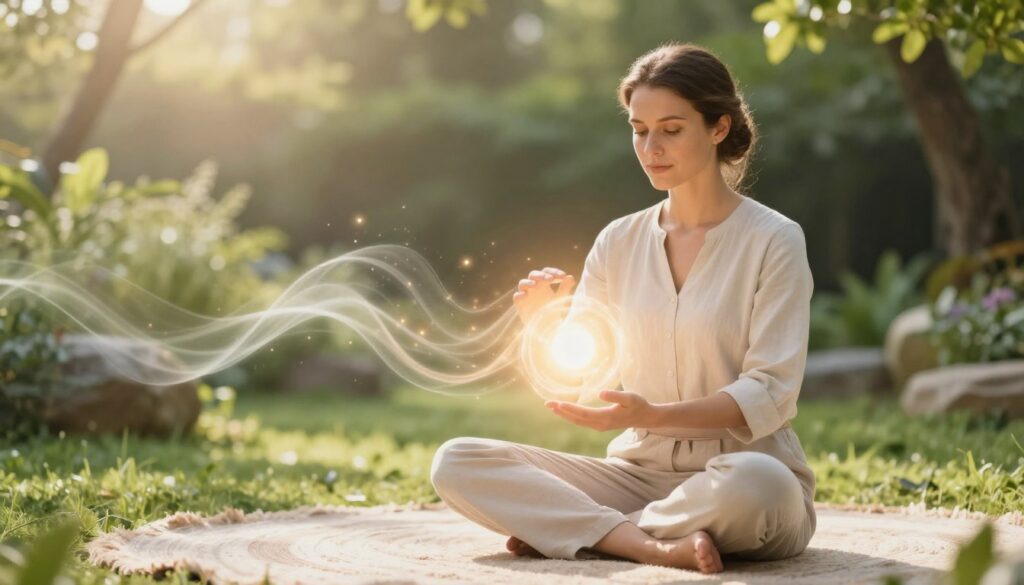
Rei means higher power; ki means life force. Sessions often use hands lightly on or just above the body. Practitioners aim to support natural recovery and calm the client.
Therapeutic Touch
This method is usually non-touch. A practitioner centers, moves hands over the body, and says they assess and clear imbalances.
Qigong
Qigong blends simple movement and breath from Chinese medicine. It’s taught as a daily routine to support sleep, pain control, and circulation.
Pranic healing
Practitioners describe aura scanning, locating blockages, and using sweeping motions to refresh the field around the body.
EFT tapping
EFT uses fingertip tapping on acupressure points while the client names an issue. It mixes exposure-style focus with physical stimulation.
Polarity therapy
Polarity combines gentle touch with lifestyle advice: movement, breath, and mindful nutrition for overall balance.
Reflexology
Reflexology applies pressure to hands, feet, or ears along mapped pathways. Many people use it for stress relief and symptom support.
| Method | Format | Common Aim | Typical Setting |
|---|---|---|---|
| Reiki | Hands on / hovering | Calm, restoration | Spa, clinic |
| Therapeutic Touch | Hands above body | Field assessment | Clinic, training centers |
| Qigong | Movement + breath | Sleep, pain, circulation | Classes, home practice |
| EFT / Reflexology / Pranic | Tapping / pressure / scanning | Emotional relief, stress support | Spa, therapist office, remote |
How acupuncture fits into the energy healing conversation
Acupuncture bridges hands-on practice and Traditional Chinese explanations about pathways in the body.
Traditional Chinese medicine concepts
Qi is taught as vital force moving through meridians. Practitioners describe blocked versus free flow and aim to restore balance.
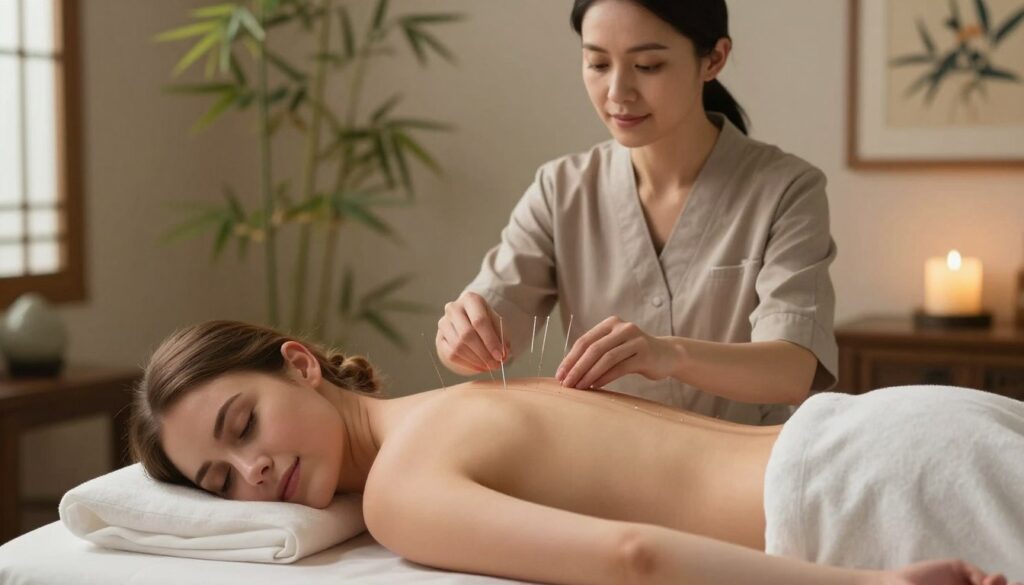
Needles are very thin steel pins placed at mapped points. Common sites include the head, neck, back, and face. The goal is to influence symptoms such as pain and improve overall balance.
Why acupuncture draws more clinical attention
Unlike many subtle methods, acupuncture uses a repeatable, physical procedure. That makes randomized trials easier to design and compare.
Research and controlled studies often focus on pain and symptom management. Results show benefits for some conditions, but outcomes vary by provider, technique, and study quality.
| Feature | What it means | Typical focus |
|---|---|---|
| Model | Meridians and flow in chinese medicine | Balance and circulation |
| Procedure | Thin needles at specific points | Pain relief, symptom support |
| Evidence | Many trials and studies | Pain and related outcomes |
Takeaway: Acupuncture sits at the overlap of tradition and testable practice. If you want practical steps before a session, see how to send healing energy, and consult a licensed provider when considering treatment.
Is energy healing real from a science perspective?
Science asks for clear measures, so subtle claims about a living field face immediate scrutiny. The phrase “is energy healing real” shows why people ask: terms overlap with technical language from physics but mean different things in tradition.

“Biofield” language vs the scientific definition of energy
In physics, energy has precise, measurable units. By contrast, some practitioners describe a biofield as a surrounding force linked to health.
The biofield is a word used to tie those ideas together. It is not yet accepted as a measurable field in the same way that electrical or magnetic fields are.
Why critics call many claims implausible
Reviewers note that mechanisms often lack testable steps. Some explanations borrow quantum terms as persuasive shorthand rather than predictive theory.
- Science wants: reproducible results, well-controlled designs, and clear outcome measures beyond anecdotes.
- Safety note: any claim to treat serious disease, especially cancer, instead of standard medicine is a major red flag.
That an implausible mechanism exists does not prove no one feels better. Still, it raises the bar for rigorous studies and systematic reviews that we will summarize next.
Learn more about scalar approaches.
What research and reviews actually say about results
A careful look at trials and reviews helps separate promising signals from weak or biased findings.

Where the evidence is strongest
Acupuncture has the largest body of trials. Many randomized studies focus on pain and related symptoms. Reviews often report modest benefits for some pain conditions compared with usual care.
What limited studies suggest about Reiki
Small trials and a Frontiers in Psychology review found that reiki sometimes outperformed placebo for stress, anxiety, depression, and burnout in limited samples.
Observational reports in healthcare workers noted better sleep and reduced anxiety, stress, and pain after short remote sessions. These findings are interesting but require larger trials to confirm.
“Existing trials suggest possible benefit, but study quality and sample size limit firm conclusions.”
Why many reviews call the evidence conflicting
Different study designs, tiny samples, and varied comparison groups produce mixed results in reviews. Expectation effects and weak blinding make it hard to separate specific effects from the support and attention provided.
- Common problems: small samples, bias, selective reporting, and unclear controls.
- Placebo and context: attention and ritual can change outcomes.
- Practical takeaway: try sessions for support—sleep, mood, and stress—while tracking changes.
| Modality | Amount of trials | Typical conclusions |
|---|---|---|
| Acupuncture | Many | Some benefit for pain and symptoms; more consistent data |
| Reiki | Few | Possible benefit for stress/anxiety in small studies; mixed reviews |
| Other approaches | Very sparse | Insufficient evidence to judge effectiveness |
Bottom line: research shows some promising results, especially for acupuncture and small Reiki trials. Most other methods lack enough high-quality studies. If you try a session, use it as supportive care, not a substitute for medical treatment, and track outcomes such as sleep or mood.
Learn more about these approaches.
Possible explanations when people feel better after energy work
People often feel better after a session, and there are several straightforward reasons why that can happen.

Placebo effects, expectations, and the power of care
Placebo responses are not trickery; they reflect how expectation and meaning shape outcomes. Ritual, intent, and focused attention can reduce pain, anxiety, and other symptoms in measurable ways.
The power of care matters too. Being heard, having uninterrupted time, and feeling safe lowers arousal. That simple support can improve mood and coping in a clear, practical way.
Relaxation response: heart rate variability and “rest and digest”
Slow breathing and soft guidance can trigger the parasympathetic system. Some small studies reported shifts in heart rate variability and body temperature after sessions, which fits a calmer nervous system.
Natural ups-and-downs and how to judge benefit
Symptoms wax and wane. Improvement after a session can match natural timing rather than a single cause.
- Try tracking sleep, stress, and mood before and after to spot true results.
- Use sessions as supportive care, not a substitute for medical advice.
For a related perspective on subtle practice and inner skills, see discover your telepathic abilities.
Potential benefits people report, without overpromising
Some folks find short sessions helpful for unwinding after a long day and resetting before sleep. These outcomes are modest but meaningful for everyday life.

Stress reduction, relaxation, and improved quality of life
Most consistent reports name calmer breathing, less muscle tension, and fewer sleepless nights. These changes often show up within hours to days.
Improved quality of life can mean less reactivity, steadier moods, and clearer thinking during busy periods. Small shifts like this add up over weeks.
Supportive help for anxiety, mood, and emotional processing
Many people say sessions help them process feelings, reduce anxious spirals, and feel safer in their body. These effects tend to be subjective but still useful.
- Works best as a complement to therapy, mindfulness, exercise, or medical treatment.
- Define goals up front: better sleep, fewer headaches, or a calmer baseline.
- Avoid anyone who guarantees cures for serious conditions; that’s a red flag.
Takeaway: Low‑risk practices may offer benefits such as reduced stress, improved sleep, and emotional support. Track outcomes and use them alongside standard care.
Risks, red flags, and how to use energy healing responsibly
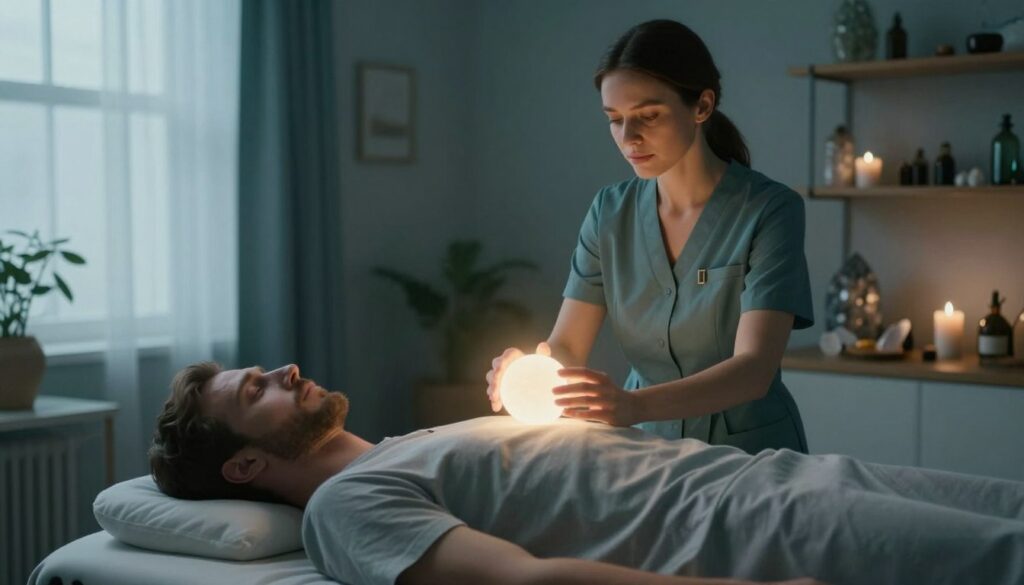
Use complementary practices alongside conventional medical care, not as a replacement. For serious or worsening symptoms, seek licensed providers and follow prescribed treatment plans.
Why it should complement—not replace—medical treatment
Most subtle therapies are noninvasive and low risk. They can help with stress, sleep, or coping but lack consistent clinical evidence for major disease treatment.
Clear red flags to watch for
- Guaranteed cures or claims to cure cancer—decline any practitioner who promises that.
- Pressure to stop prescribed medicines or standard care.
- “Detox” schemes that replace diagnosis or delay tests for serious conditions.
- Devices or scans that claim to diagnose disease without medical validation.
Cost, licensing, and choosing a safe practitioner
Sessions can be costly. Avoid high-pressure packages and refund-free upsells.
Many modalities lack formal licensure. Check training, ask for ethics policies, and prefer practitioners who respect medical referrals.
When to talk to your healthcare provider first
If you are pregnant, have complex conditions, ongoing pain, severe anxiety, or are receiving cancer treatment, consult your medical team before trying other therapy.
“Do not replace standard medicine with unproven approaches for serious conditions.”
| Checklist | Why it matters |
|---|---|
| Consent before touch | Protects boundaries and comfort |
| Clear pricing | Prevents surprise costs |
| No fear-based upsell | Signals ethical practice |
| Willingness to coordinate with clinicians | Shows respect for medical care |
Bottom line: Approached with realistic goals and strong boundaries, such sessions can support well‑being. Never delay proven medicine for an unproven claim, especially for cancer or other serious conditions.
Conclusion
After weighing studies and stories, a clear, practical summary helps you decide what to try next.
Many people report benefit, but strong scientific evidence for a specific field or life force mechanism remains limited. Acupuncture has the most clinical support. Small reviews of Reiki show promising results for stress and sleep, yet more rigorous trials are needed.
Use this as supportive care: try sessions for stress, sleep, or coping and track outcomes. Stop if no gain appears and avoid replacing medical treatment for serious conditions.
Watch for bold cure claims and respect safety boundaries. Be open-minded and evidence-minded: choose what improves your balance, fits your budget, and works with your care plan. Learn more in these psychic-medium classes.
FAQ
What does "energy healing" mean in practice?
Many systems describe a life-force or field around the body and use hands, touch, movement, breath, or focused intention to restore balance. Practitioners may place hands on or near the body, guide breath-based movement like qigong, tap acupressure points, or perform distant sessions by intention.
Why is this approach so popular now?
Interest has grown as people seek nonpharmaceutical ways to reduce stress and improve wellbeing. Social media, wellness culture, and a desire for hands-on care and emotional support have amplified demand for these therapies.
What do people typically hope to get from a session?
Common goals include reduced pain, less anxiety, better sleep, emotional release, and a feeling of calm or balance. Some use sessions as adjunctive care during chronic illness or stressful life events.
Which methods are most common?
Popular approaches include Reiki (hands-on channeling), Therapeutic Touch (noncontact assessment and modulation), qigong (movement and breath from Chinese medicine), pranic techniques, tapping (EFT), polarity therapy, and reflexology focused on hands and feet.
How does acupuncture relate to these practices?
Acupuncture comes from Traditional Chinese Medicine and targets qi and meridians using needles. It shares the concept of restoring flow but has a larger body of clinical research and clearer regulatory frameworks than many other modalities.
Is there scientific support for these therapies?
Evidence varies. Acupuncture has the strongest trial data for certain types of pain and symptom relief. For modalities like Reiki and Therapeutic Touch, small studies show possible benefits for stress and anxiety, but results are mixed and often limited by study design.
Why do critics call some claims implausible?
Critics point to a lack of measurable, reproducible mechanisms for a biofield that fits physics as we know it. When claims exceed what trials show—promising cures for serious illness—scientists label them unsupported or pseudoscientific.
How might people improve after a session even without a proven mechanism?
Several factors can help: placebo and expectation effects, relaxation and lowered heart rate, improved sleep, focused attention from a caring practitioner, and natural fluctuations in symptoms that make improvement appear linked to the session.
What benefits do users report most often?
People frequently report stress reduction, better sleep, decreased anxiety, improved mood, and a general sense of wellbeing. Some notice temporary pain relief or greater emotional clarity after sessions.
Are there risks or red flags to watch for?
Avoid anyone promising miracle cures, urging you to stop medical care, or targeting serious disease with guaranteed results. Also check credentials, ask about hygiene and scope of practice, and beware of high-pressure sales tactics.
How should someone use these services responsibly?
Treat them as complementary support rather than a replacement for medical treatment. Tell your healthcare provider about sessions, verify practitioner training, and keep regular medical follow-up for chronic or serious conditions.
When should I consult a doctor first?
Seek medical advice first for new, severe, or worsening symptoms, unexplained weight loss, bleeding, chest pain, or signs of infection. Use complementary care mostly for symptom support, stress management, and quality-of-life goals.