

Quick guide promise: This short introduction explains the phrase what is reiki energy healing, why people try it, and what to expect in a session. It frames the practice as a supportive option, not a substitute for medical care.
Originating in Japan, reiki is used for stress reduction and deep relaxation. Many U.S. hospitals offer it as a complementary therapy, though researchers debate how it works.
Readers will get clear answers: the basic definition, what happens during a session, reported benefits, and what studies do—and don’t—show. The tone is friendly and balanced.
This guide targets first-timers, curious skeptics, and anyone in the United States considering a supportive practice for overall health. Safety comes first: use conventional medical care for diagnosable conditions.
Article layout: definition → origins → how it works → sessions → benefits → research → safety → frequency → choosing a provider → training → wrap-up. For more detail and a broader guide, see the ultimate guide to energy healing.
Key Takeaways
- Short primer on the basics and realistic expectations.
- Often used for stress relief and relaxation in some U.S. settings.
- Positioned as complementary, not a replacement for medical care.
- Suitable for first-timers and curious people weighing options.
- Article will cover practice, benefits, research, and safety tips.
Reiki, Defined: A Gentle Form of Energy Healing
Think of the name as two parts: one pointing to the universal and the other to the living spark inside each person.
Meaning in plain terms
“Rei” suggests a universal, shared quality. “Ki” refers to the basic life force that supports comfort and balance.
Why people try it
In the United States, many describe this approach as gentle and noninvasive. Folks often book sessions to slow down, lower daily stress, and find deep relaxation.
- Clear breakdown: universal (“rei”) + vital pulse (“ki”).
- Common aims: calm, emotional grounding, and support for mild anxiety or tension.
- Fits varied views: some treat it as spiritual; others use it as a structured hour of quiet.
People report feeling more rested after sessions, and later sections will use neutral language like “people report” and “studies suggest” to stay balanced.
Origins and History of Reiki in Japan and the United States
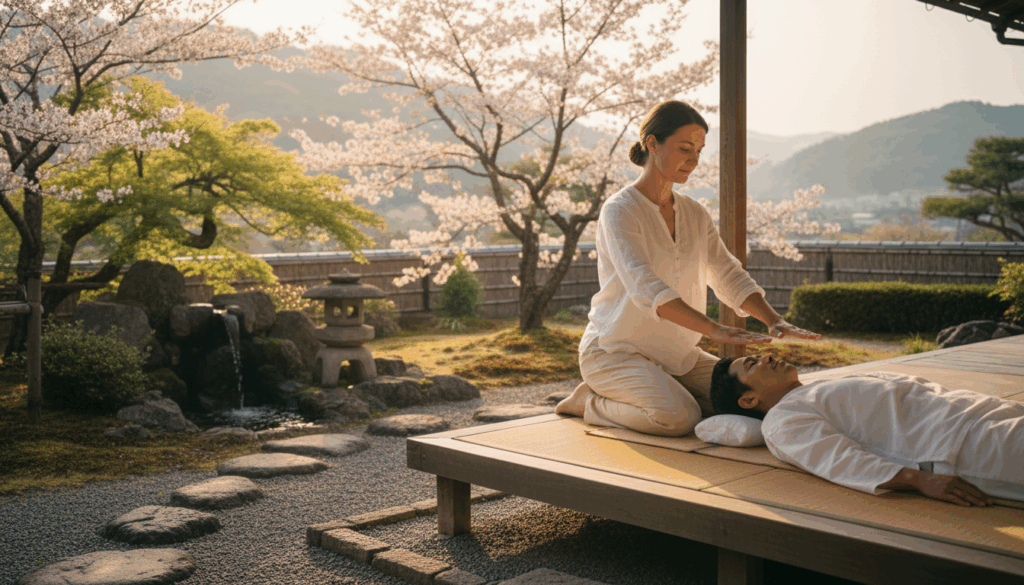
Mikao Usui developed a clear system in early 1900s Japan that later shaped modern practice.
Mikao Usui and the early 1900s development
Usui set out a simple framework that teachers later passed on. His work formed the backbone of a structured system used by many trainers today.
How it reached the United States
Hawayo Hiromi Takata brought the approach to the West in the mid-20th century. Her teaching helped its rapid popularity in the United States and made training widely available.
Where it shows up in healthcare today
Today, supportive care appears in hospitals, hospices, and integrative medicine centers. For example, an integrative medicine office at Cleveland Clinic offers sessions alongside other wellness services.
- Origins: Usui founded the system in Japan.
- Expansion: Takata introduced it to the West.
- Modern use: Used by many people as part of broader health and living plans.
Note: Institutional adoption signals patient interest and openness to comfort-focused approaches, not definitive proof of mechanism.
What is reiki energy healing and how does it work?
At its core, the practice aims to loosen stuck patterns so a person feels more at ease. Practitioners often describe tension, stress, or emotional strain as areas where flow in the body has slowed or stalled. The goal they state is to restore balance and gentle movement.
The conduit idea
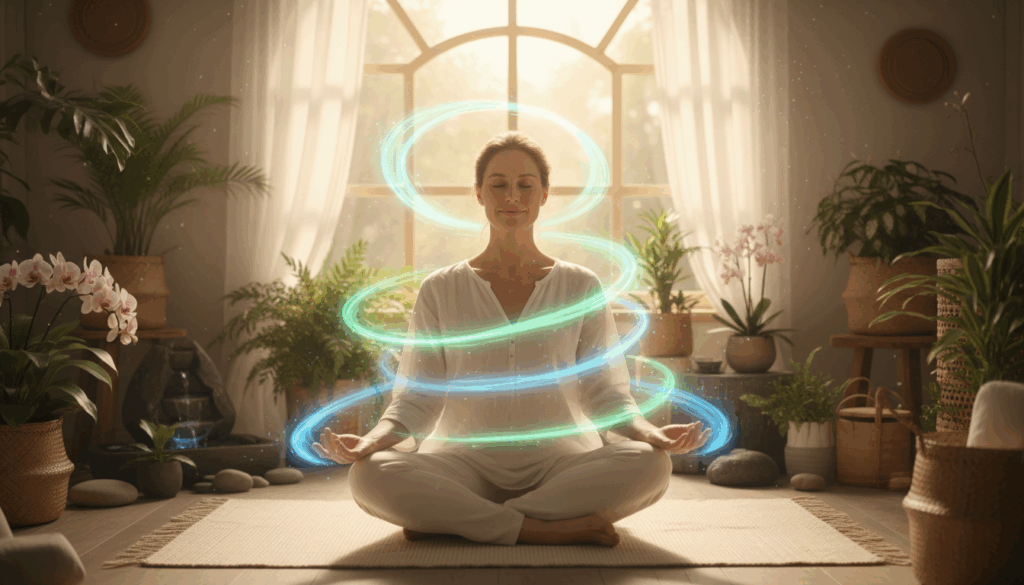
A common explanation is that a practitioner acts as a conduit rather than giving away their own power. This means they say they help redirect flow, so they don’t become depleted after a session.
Similar concepts around the world
Related traditions use similar terms: qi in Traditional Chinese Medicine and prana in Ayurveda. These parallels show a broader history of life-force ideas across many care systems and therapies.
How deep relaxation may help
Some benefits may come from the calm setting, quiet touch, and stillness—effects like a gentle massage for the nervous system. Deep rest can shift the body toward a parasympathetic “rest and digest” mode, which supports recovery and perceived comfort.
Practical note: This section explains common descriptions and possible pathways for feeling better. For a step-by-step look at session methods, see how practitioners perform these sessions.
What Happens During a Reiki Session
Before any hands are placed, you and the practitioner agree on goals, consent, and comfort levels. This short check-in sets boundaries and notes any sensitive areas on the body.
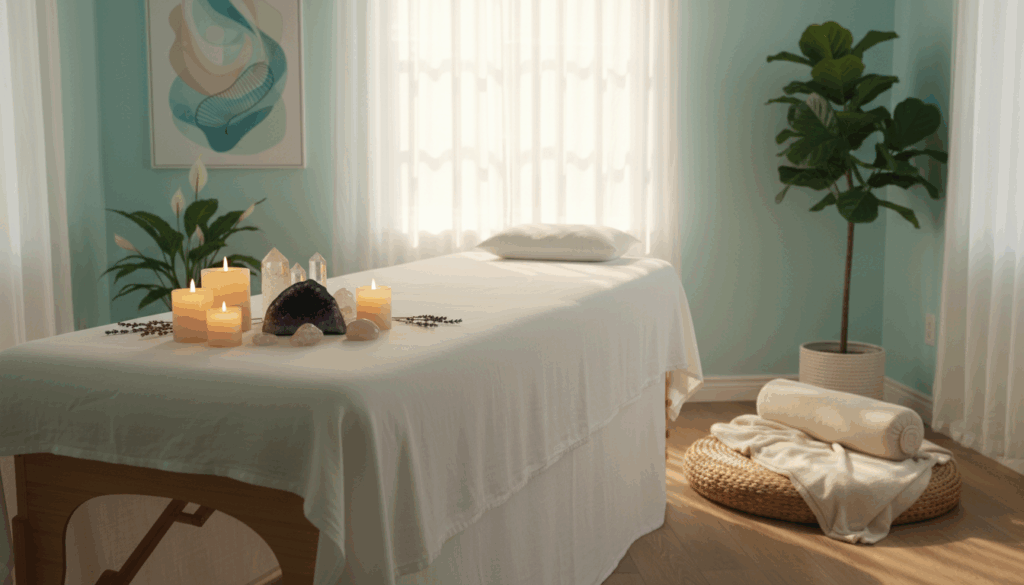
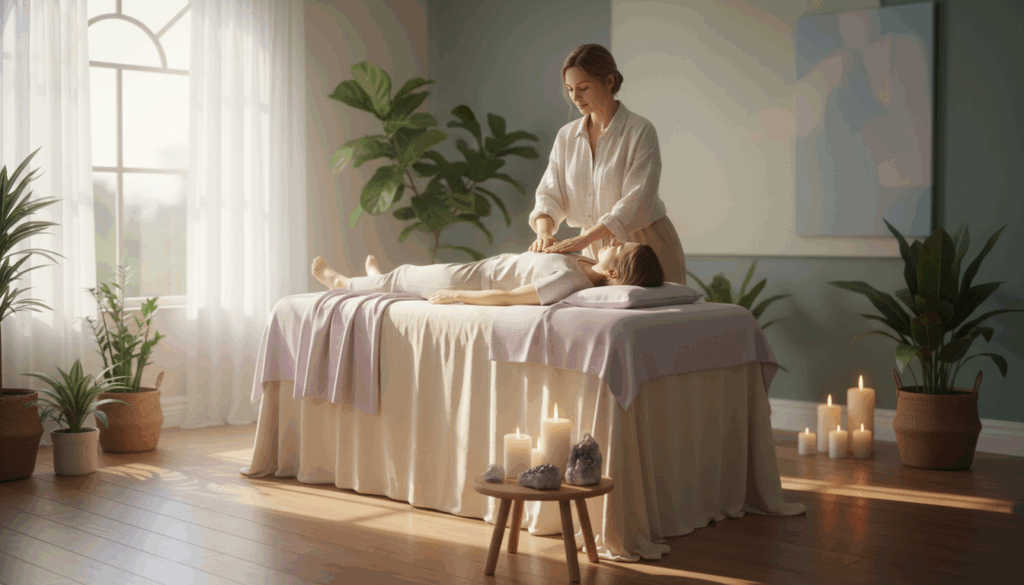
You lie fully clothed on a massage table while the practitioner works through a usual flow of hand placements. Some placements touch the body; others hover a few inches above key areas.
Timing: Many sessions run about 60–90 minutes to allow for a full sequence and deep rest.
| Step | Typical Duration | Common Sensation | Notes |
|---|---|---|---|
| Intake & consent | 5–10 minutes | Calm, clear expectations | Discuss comfort and privacy |
| Main sequence | 40–70 minutes | Warmth, tingling, pulsing, calm | Hands placed on or above key areas |
| Debrief & aftercare | 5–10 minutes | Reflection, emotional release | Plan follow-up or next session |
People report varied sensations: warmth, a gentle buzz, or simply quiet calm. Some sessions feel profound; others feel neutral. Each person and each session can differ by side, mood, and room setting.
For tips on offering comfort to someone else during a session, see send comfort to someone.
Potential Benefits People Seek From Reiki Treatments
Clients often book a session hoping to reduce daily tension and find emotional balance.
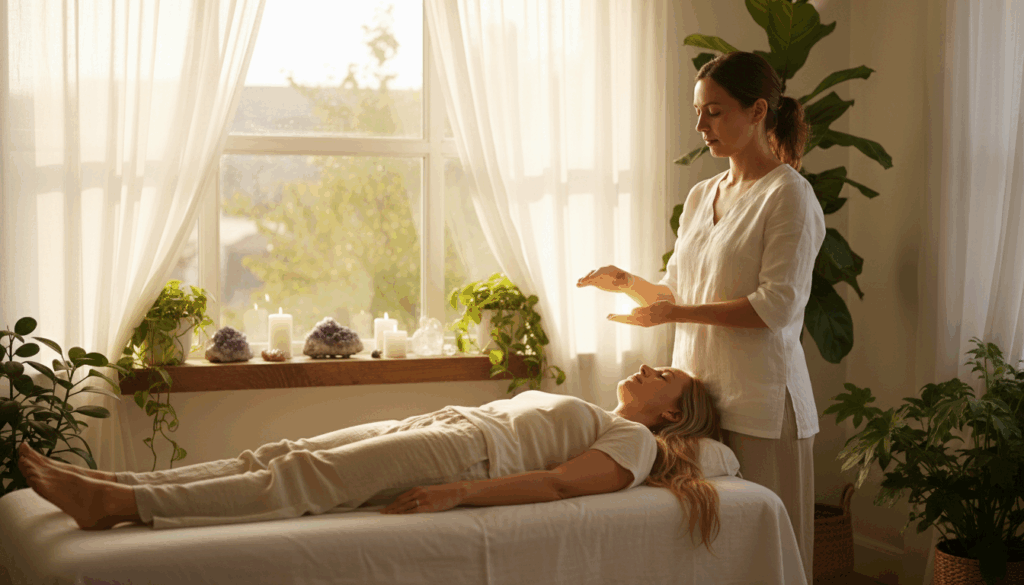
Stress and anxiety support
Top reasons people try a treatment include stress management and support for anxiety. Many report feeling calmer and more emotionally grounded after a session.
Pain relief and muscle tension
Deep relaxation during treatments can ease muscle tightness. When muscles relax, pain and related symptoms often lessen, even if the underlying condition stays the same.
Sleep, mood, and day-to-day wellbeing
People commonly seek better sleep and improved mood. Reported effects include clearer thinking, more restful nights, and steadier energy through the day.
Supportive care alongside medicine
Many use this approach during recovery or while living with chronic conditions to help cope with symptoms and stress. These treatments are framed as complementary, not a cure.
Practical note: Results vary: some notice quick change, others see subtle or short-lived effects. If you’re considering regular sessions, discuss them with your medical team and explore reputable sources like energy healing for more context.
What Research and Studies Say About Reiki’s Effects
Researchers have tested sessions in clinics and pilot trials to gauge reported benefits. Overall, many small papers point to short-term improvements in stress-related outcomes and comfort.

Common findings
Most studies report possible reductions in anxiety, modest relief from pain, and gains in quality of life. Some trials also note lower depression symptoms in supportive-care settings.
Why the evidence is debated
Critics point to small sample sizes, mixed controls, and reliance on self-reported scores. These limits make it hard to separate true effects from study bias or chance.
Major reviews and nuance
Major reviewers conclude that overall research quality is inconsistent and results are not definitive. Still, personal reports remain meaningful even when clinical proof falls short.
“Current reviews say the evidence is suggestive but not conclusive.”
Practical takeaway: Use this approach as complementary support while keeping standard medical care primary.
Reiki as Complementary Therapy: Safety, Limits, and Best Practices
When added to standard care, this therapy can support comfort and stress relief during recovery.
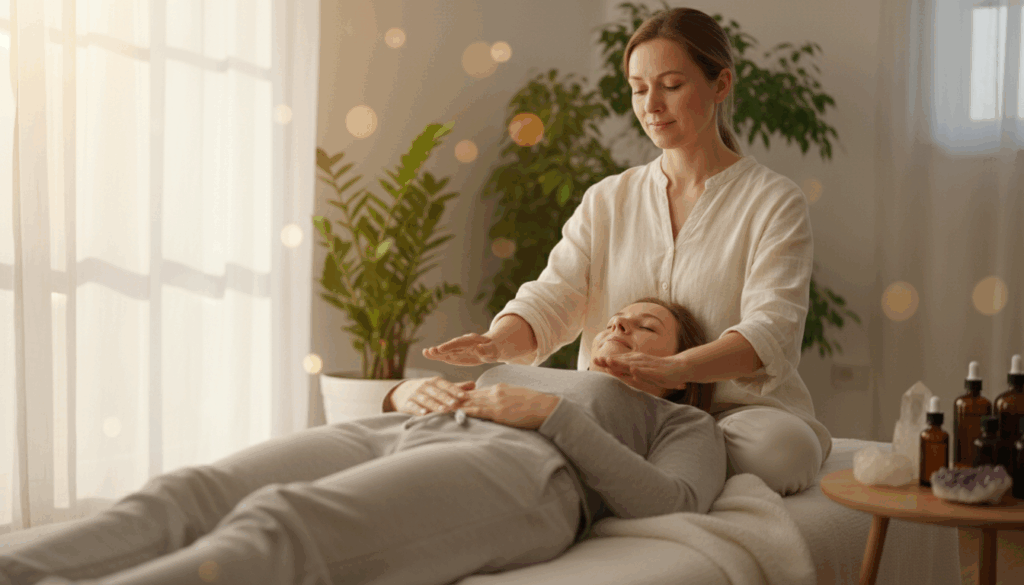
Clear limits and safety
Boundary: This practice is a complementary therapy, meant to sit alongside evidence-based treatment—not replace it.
Low-risk in practice: Sessions use gentle touch or hands-off placement. There is no joint manipulation and minimal physical risk.
When to consult your doctor
Delay in getting a medical diagnosis for new or severe symptoms can be dangerous. Talk with your doctor before starting sessions for cancer care, post-surgery recovery, pregnancy, complex pain, or unexplained symptoms.
Best practices for safe use
- Keep following prescribed treatment plans and checkups.
- Track how you feel after sessions and share changes with your clinician.
- Ask for a no-touch option and give or withdraw consent at any time.
| Area | Why it matters | Practical tip |
|---|---|---|
| Medical conditions | Serious issues need diagnosis | Always consult your doctor first |
| Session style | Touch vs no-touch preferences | Request your preferred approach |
| Ongoing treatment | Maintain prescribed plans | Use therapy as supportive care |
How Many Reiki Sessions Do People Get and How Often?
Start small: a few sessions spaced out gives clear feedback without major commitment.
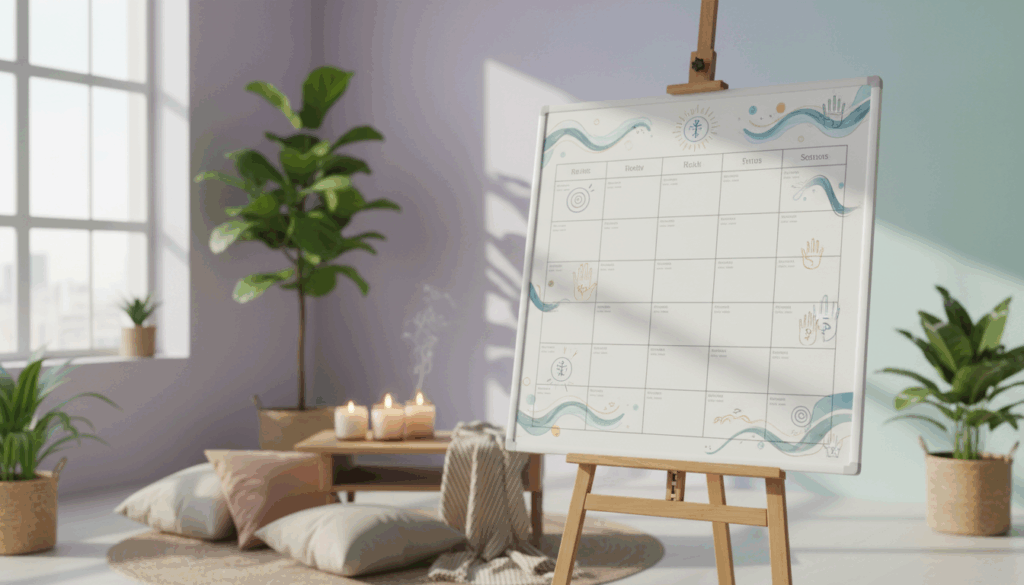
Common starting plan
Practical guideline: many people begin with three to five treatments spaced 1–2 weeks apart to evaluate response.
Why spacing matters
Regular time between visits helps you spot patterns in sleep, mood, and stress. It also shows whether effects last or fade between appointments.
Cadence by goal
For high stress or a season of anxiety, try weekly or biweekly sessions for a month, then taper to monthly for maintenance if helpful.
Scheduling and tracking
Plan for a 60–90 minute session plus travel when budgeting your schedule and cost. Keep a short journal: sleep quality, pain rating, tension, and mood the day of and the day after each visit.
“Try a short series first; track simple measures to see if treatments help your overall health.”
Safety note: if symptoms worsen or new concerns appear, prioritize medical evaluation and use this approach only as supportive care.
Choosing a Reiki Practitioner or Reiki Master You Can Trust
A solid rapport with your practitioner often matters more than titles or certifications. Comfort with the person and the room sets the tone for any supportive care visit.
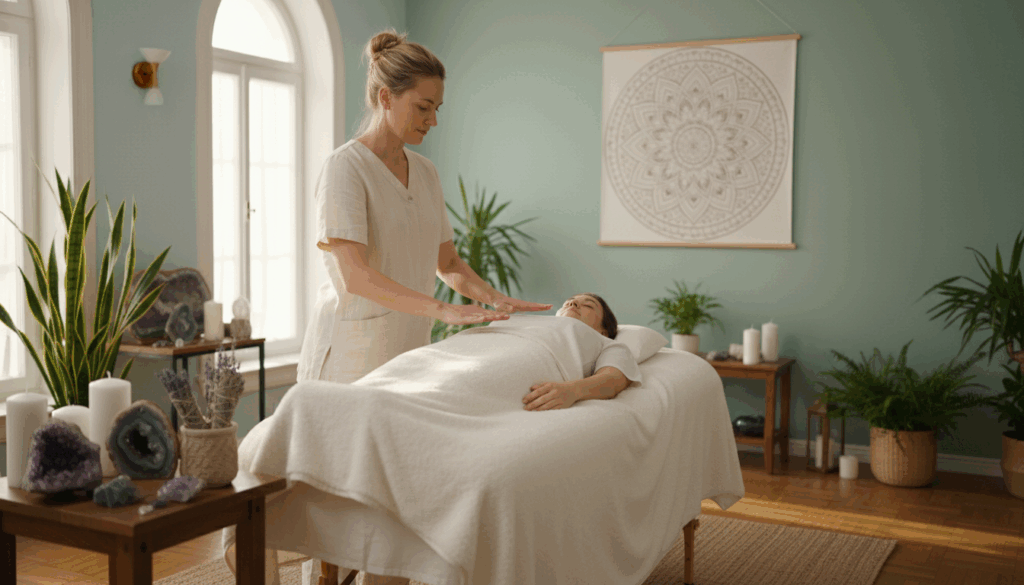
Real-world meanings of titles
Reiki practitioner typically refers to someone trained to offer a full session. A reiki master usually has advanced training and may teach or attune others.
Questions to ask before booking
- Training lineage and years of experience.
- Touch preference: hands-on or no-touch.
- How they handle consent and any intake forms.
- Typical session length, music, and room setup.
Settings and where to look in the U.S.
Practitioners work in hospitals, hospices, wellness centers, yoga studios, and private homes. For referrals, ask your clinician, check hospital integrative programs, or search reputable directories.
For broader guidance, consider a trusted psychic counselor listing or professional association tools.
| Style | Common Setting | Good to Ask |
|---|---|---|
| Hands-on | Massage table or chair | Where will hands be placed? |
| No-touch | Quiet room | How is consent handled? |
| Music or silence | Wellness centers | Can music be adjusted? |
Red flags
Avoid anyone promising cures, pressuring you to stop medical care, or refusing basic safety answers.
Training, Attunement, and Reiki Levels Explained
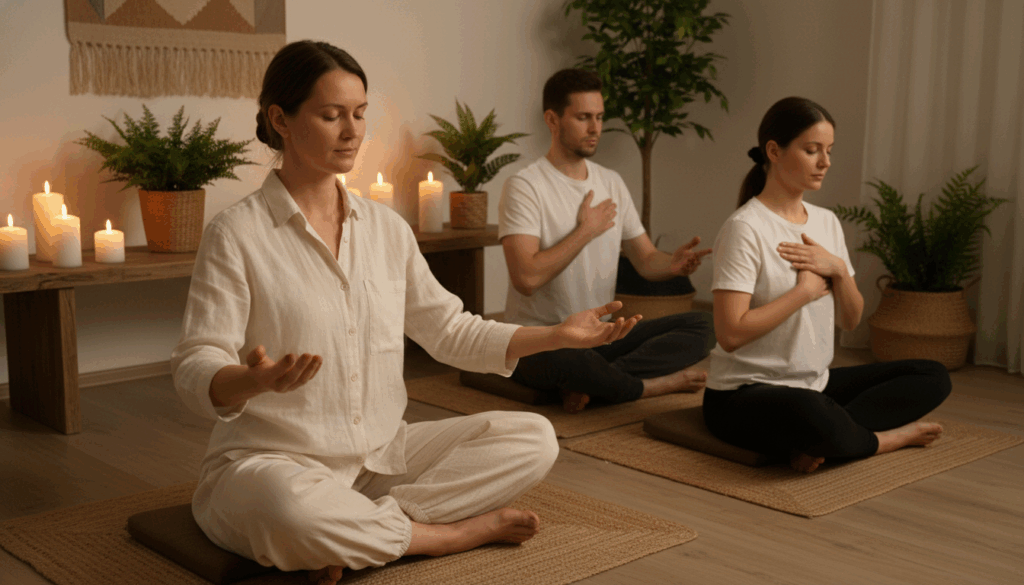
A typical course blends classroom discussion, guided practice, and a formal initiation from a teacher. This initiation, often called an attunement, is the teaching moment many schools use to bring students into the system.
What attunement and instruction involve
Attunement is best described plainly: a structured ritual and hands-on coaching that helps students learn techniques and session flow. Teachers guide practice so new practitioners gain confidence before offering sessions.
Common degrees and practical meanings
Most schools use three basic levels. First-degree focuses on self-practice and hands-on work with others. The second level often adds distant or mental techniques. A third-degree or master level prepares someone to teach and to perform attunements.
Licensing realities and vetting training
In the U.S., there is no national licensing exam for this system. States rarely have specific licenses, so training quality varies. Ask where an instructor trained, how much supervised practice they required, and whether they follow a code of ethics.
“Good training blends skill practice, clear guidelines, and thoughtful mentorship.”
| Aspect | Typical Offer | Practical Question |
|---|---|---|
| Attunement | Formal initiation with instructor | How many attunements and follow-ups are offered? |
| Levels | Beginner → Intermediate → Master | What skills are taught at each level? |
| Credentials | No single license; certificates common | Can you see a syllabus or references? |
Practical tip: Treat this training like any other workshop series. Compare syllabi, seek references, and combine sessions with proven wellness therapies and medical care when needed. For structured course options, consider a related online training program.
Conclusion
Many clients describe sessions as a calm break that helps them notice subtle shifts in mood and body.
This gentle therapy, often called reiki, centers on simple touch or quiet presence and aims to support rest and balance. People commonly experience deep relaxation similar to a calming massage.
Expect varied results: some people feel clear changes while others notice mild or no difference after a visit. The focused setting and attentive care can help reduce tension and support overall well‑being.
Research remains mixed, so treat this approach as supportive rather than a replacement for medicine or formal treatment. Keep your clinician informed about any health conditions.
If you’re curious, try a reputable practitioner, ask clear questions up front, and give yourself time to observe any shifts in mood, comfort, or daily life.
FAQ
What does a typical session look like?
A client lies fully clothed on a massage table while the practitioner places hands lightly or holds them just above the body in a series of positions. Sessions in the U.S. usually last about 60–90 minutes and include brief intake and a short check-in afterward. Many centers add soft music and dim lighting to promote relaxation.
How do practitioners describe their role?
Practitioners often say they act as a channel, directing subtle forces rather than transferring personal power. Their focus is on supporting balance and relaxation, using trained hand positions and intention to help the recipient feel calmer and more centered.
Can this approach help with stress and anxiety?
Many people report reduced stress and a greater sense of emotional calm after sessions. Studies suggest possible benefits for anxiety, though results vary and may reflect relaxation responses and placebo effects as well as other mechanisms.
Is it safe to use alongside medical treatment?
This form of care is generally noninvasive and low-risk, so most people can use it as a complementary therapy. It should not replace medical treatment, and you should talk with your physician before adding sessions if you have serious or unstable health conditions.
What sensations do people usually feel during a treatment?
Common reports include warmth, tingling, gentle pulsing, or deep relaxation. Some clients feel very little but still notice improved mood or sleep afterward. Experiences can differ from one session to the next.
How many visits do people typically book?
A common starting plan is three to five sessions spaced one to two weeks apart, then a reassessment. Ongoing frequency depends on goals—short-term stress relief, chronic symptom support, or general wellness maintenance.
Where did this system originate and how did it spread?
The approach developed in early 1900s Japan under Mikao Usui and later moved to the West, gaining popularity in the U.S. through teachers and integrative medicine advocates. Today it appears in hospitals, hospices, and wellness centers.
What does training look like for a practitioner or master?
Training usually includes hands-on practice, attunement ceremonies, and coursework across multiple levels—from basic self-care to advanced teaching and master training. Certification practices vary regionally, and there is no single nationwide licensing system in the U.S.
What does research say about effects on pain and quality of life?
Some studies report improvements in pain, sleep, and overall quality of life. However, research quality varies: many trials have small samples, subjective outcomes, and methodological limits, so reviewers call for larger, rigorous studies.
How should I choose a reliable practitioner or master?
Ask about training, years of experience, session format, and whether they work in medical or wellness settings. Seek referrals from trusted sources, check practitioner directories, and read client reviews to find someone whose approach fits your needs.
Are there side effects or risks to expect?
Side effects are uncommon and usually mild, such as temporary fatigue or emotional release. Because it’s noninvasive, serious risks are rare, but always inform your provider about medical conditions, medications, and pregnancy.
Can children and older adults receive sessions?
Yes. Sessions can be adapted for age, mobility, and comfort. Practitioners tailor hand positions, session length, and communication style to suit children, seniors, and those with special needs.
How does this relate to other traditions like acupuncture or Ayurveda?
It shares broad concepts with systems that discuss life force—such as qi in Traditional Chinese Medicine and prana in Ayurveda—though techniques and theoretical details differ. All aim to support balance and the body’s natural healing processes.
What should I expect after a visit?
Immediate effects may include calm, clearer thinking, and reduced muscle tension. Some people notice improved sleep and mood over days or weeks. Keep a simple symptom log to track changes and support decisions about continuing care.