

Quick definition: This approach blends traditional hands-on work with subtle touch or non-touch practices to support physical comfort and emotional balance.
Readers new to this will find plain-language descriptions and practical notes about how sessions differ from a standard muscle-focused treatment. The focus is on aligning the body and promoting calm during stressful seasons of life.
Expect clear explanations of common techniques, from gentle hands-on moves to guided breath and light touch. Experiences vary; some people notice immediate shifts while others feel subtle changes over time.
Safety note: These practices are generally low risk and often serve as a complement to conventional health care rather than a replacement. For a deeper guide, see this energy healing overview.
Key Takeaways
- Clear, simple definition that separates this approach from a typical muscle-only session.
- Techniques may include gentle touch, non-touch methods, and breath work.
- Individual experiences vary; effects can be subtle or more noticeable.
- Many seek this for balance, calm, and a greater mind-body connection.
- Generally low risk and used as a complement to standard care.
What Is Energy Healing Massage and Why People Try It
Many people seek a session that joins soft manual therapy with focused work on subtle body fields. This two-part model treats the body and perceived field together to address both muscle tension and patterns that feel stuck.
Two-part definition
One part uses gentle therapy to ease tightness and improve circulation. The other part focuses on subtle field work to support a calmer mind-body connection.
Why people book sessions today
In the U.S., common triggers include long-term stress, chronic tension, and feeling emotionally heavy. Many people come simply to sleep better, feel less tense, or regain a steady sense of balance.
- Balance here means improved self-regulation rather than perfect alignment.
- Blockages or imbalances describe areas that feel stuck, tight, or heavy in sessions.
- Expect gentle touch, light pressure, or hands hovering; results often show up as better relaxation, sleep, or mood.
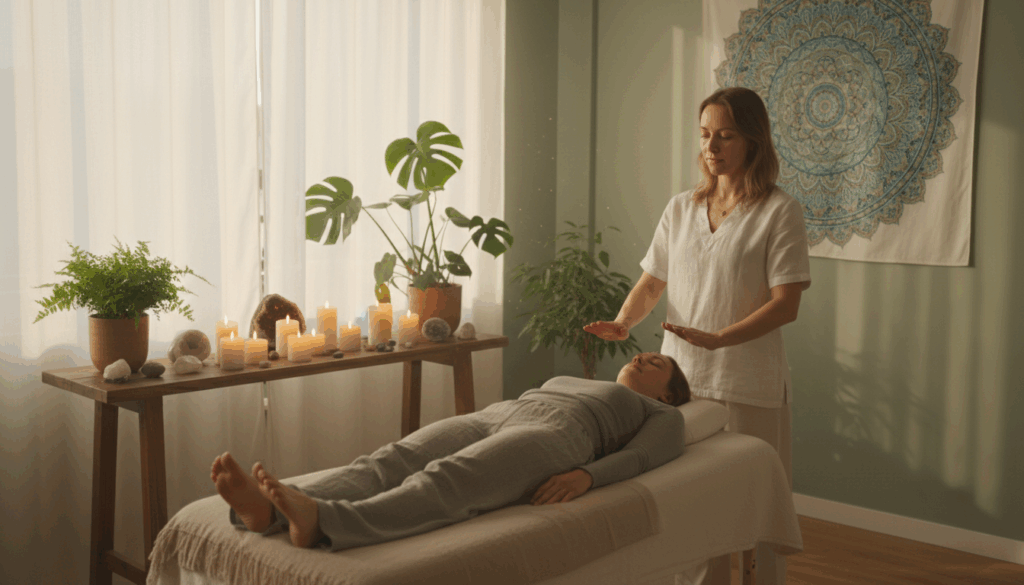
People do not need to be spiritual to try this approach. If you’d like a practical how-to on techniques, see how to perform energy work for more guidance.
How Energy Healing Works in the Body: Energy Flow, Blockages, and Life Force
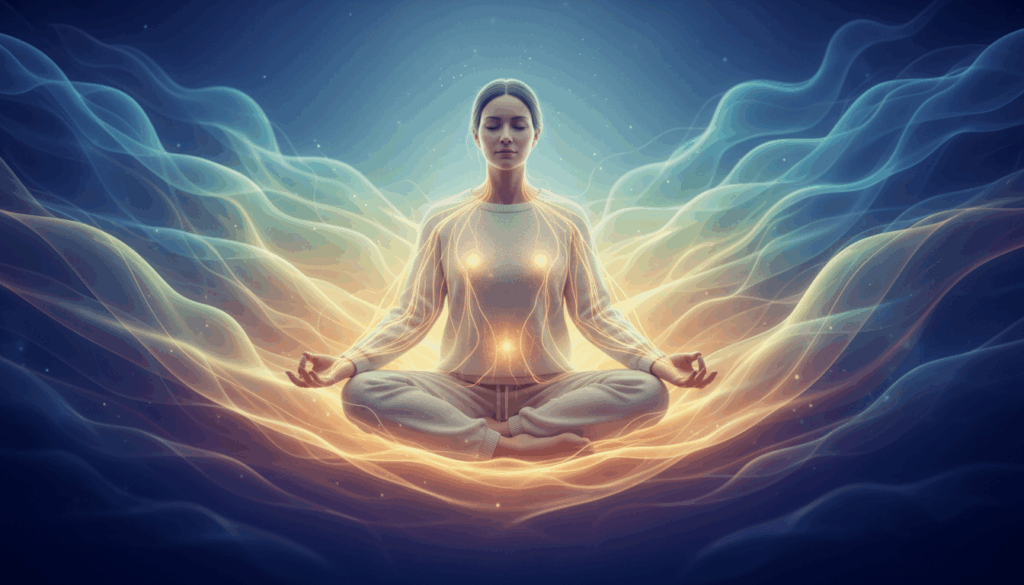
The model treats the body as a network where a life force links physical signals to mood and nervous system tone. Supporting smoother flow often helps people feel calmer and more steady.
Life force and the mind-body link
Life force refers to a subtle field that many practitioners say interacts with breath, attention, and the nervous system. This link suggests that gentle touch, breathwork, or guided focus can change bodily responses to stress.
How blockages commonly show up
Blockages often feel like muscle guarding, a heavy chest, or an anxious loop that won’t quiet. Physical discomfort that flares during busy times can also signal stuck pathways.
Hands-on versus non-touch methods
Some sessions use very light pressure with hands on the body. Others use hovering hands and energetic scanning to sense and clear imbalances.
Common techniques and what they target
Typical methods aim to calm the nervous system, increase relaxation, and help the body feel more open.
- Reiki: light hands on or above the body to encourage smoother flow.
- Therapeutic Touch: moving hands above the field to detect shifts.
- Quantum Touch: gentle contact plus breath patterns and body awareness.
- Acupuncture, reflexology, EFT: point-based ways to rebalance pathways.
- Qigong and breathwork: movement and breath to support alignment.
- Pranic healing and polarity therapy: non-touch or gentle pressure to recharge the field.
| Method | How it works | Primary aim |
|---|---|---|
| Reiki | Hands on or hovering to guide flow | Relaxation and nervous system calm |
| Acupuncture | Thin needles at acupoints to affect pathways | Pain relief and improved circulation |
| Qigong | Breath with gentle movement to train qi flow | Better sleep, lower blood pressure |
| Pranic healing | Non-touch scanning and replenishing the field | Restore balance and recharge space |
Research snapshot: Some trials report benefits for acupuncture and Reiki, yet high-quality studies are limited. For practical guidance on sending care from a distance, see send healing energy.
How to Prepare for an Energy Work Massage Session and What to Expect
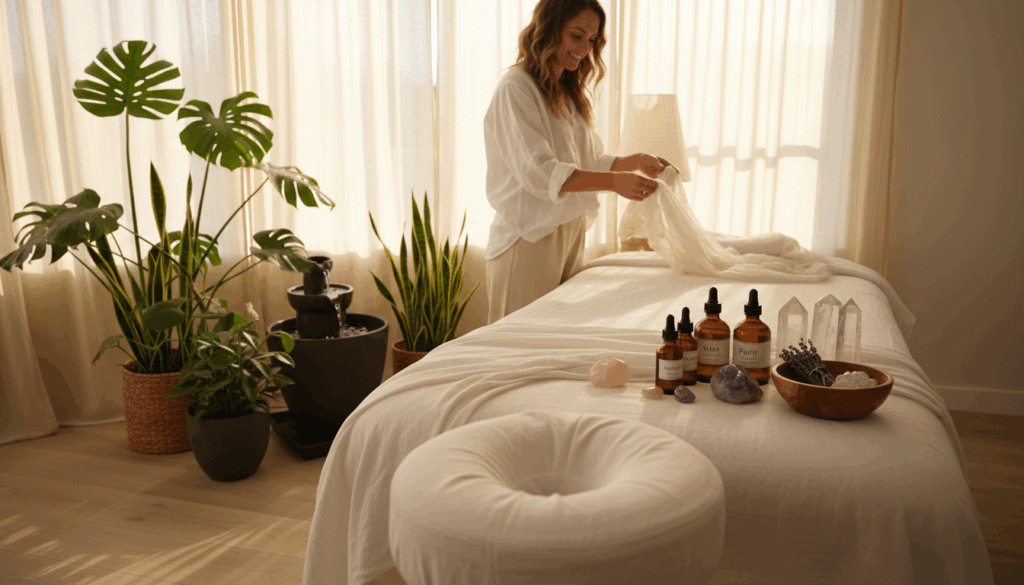
Before you arrive, hydrate and wear loose, comfy clothing. Keep meals light and skip alcohol right before your session. Arrive a few minutes early so your mind and body can settle.
Set a simple intention — for example, “I want to relax” or “I want better sleep.” A brief consult usually follows. You’ll cover goals, any areas of physical discomfort, and preferences for touch or pressure.
During the session, the room is calm. Practitioners use gentle techniques and moments of light contact or hovering hands. Pressure stays light and adjustments are made if you report pain or tension.
Common sensations include warmth, tingling, a feeling of lightness, deep relaxation, or an emotional release. Some notice effects later rather than during the time.
| Phase | Typical signs | Simple steps |
|---|---|---|
| Before | Calmer start, less anxiety | Hydrate, light meal, set intention |
| During | Warmth, tingling, relaxed breathing | Share pressure prefs, stay present |
| After | Rest, clearer sleep, less stress | Drink water, quiet downtime, journal |
| Follow-up | Track pain, mood, sleep | Note effects in app or notebook |
For a related approach to psychic care, consider exploring psychic healing as an additional resource.
Benefits, Effects, and Who Can Benefit From Energy Healing Massage
Clients often notice calmer days, steadier sleep, and a smaller reaction to daily strain after a few visits.
Potential benefits
Practical gains commonly reported include deeper relaxation, easier sleep onset, less reactivity to stress, and an overall improved quality of life.
Many people say sessions help reduce persistent tension and make daily movement feel easier.
Mental and emotional support
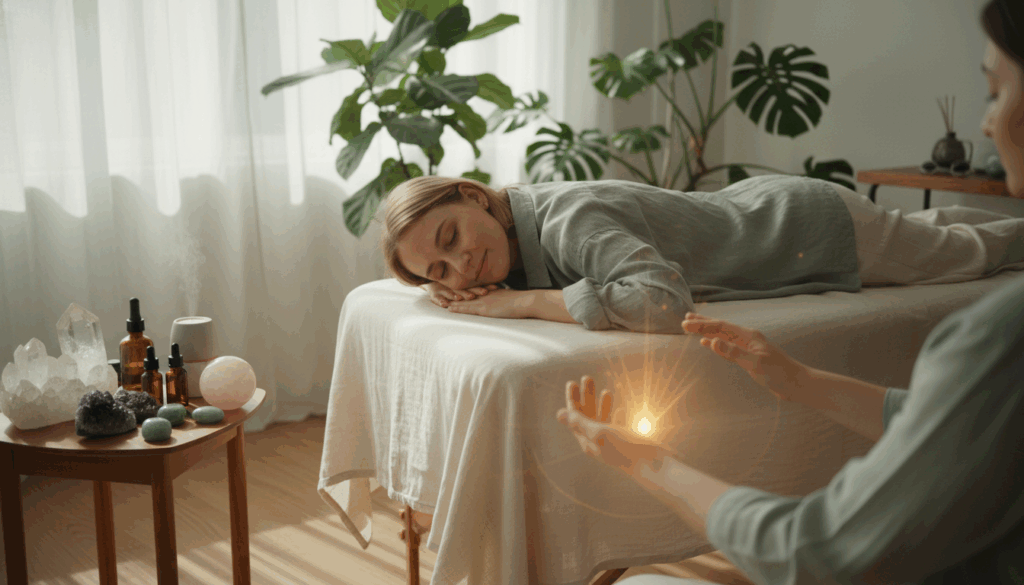
Emotional relief can show as reduced anxiety and a steadier mood. These approaches often act as a supportive layer alongside standard medical or mental health care.
They are best framed as complementary tools rather than a primary treatment for serious conditions.
Who tends to benefit most
Individuals juggling busy schedules, people with chronic tightness, and those who feel out of alignment often report the greatest gains.
When pain patterns tie closely to stress, gentle sessions may help reset nervous system responses and ease recurring tension.
- Realistic effects: calmer nervous system, fewer tension spikes, more internal space.
- When to try: long-term stress, chronic muscle tightness, or a low baseline of rest.
- Safety note: generally low risk, but check with your health provider for serious or worsening conditions.
Evaluate outcomes by tracking sleep, stress reactivity, mood, and pain over time rather than seeking a single dramatic moment during a session.
Conclusion
Takeaway: This approach is a gentle blend of hands-on therapy and subtle field work that supports whole‑body balance and calm.
To use it well, learn the method, pick a practitioner style that fits your comfort, and prepare with hydration and a simple intention.
After a session, watch your body for shifts in sleep, pain patterns, or stress response. Note changes in mood and how your day-to-day experience feels over the next few days.
Remember: this therapy should complement medical care for ongoing issues. Treat progress as a steady process — one visit can relax you, while repeated sessions and small daily habits often create the biggest change. For a deeper overview, see the energy healing guide.
FAQ
What does an energy healing session combine?
A typical session blends hands-on bodywork with subtle field techniques to support whole-body balance. Practitioners may use light pressure, hovering hands, guided breath, or gentle movement to address blockages in the body’s pathways and promote relaxation and alignment.
How does the work affect body sensations and emotions?
People often notice warmth, tingling, or a release of held tension. Emotional heaviness can surface and ease, while physical discomfort may soften. Responses vary by individual; some feel immediate calm, others need several sessions to notice lasting changes.
Which modalities fall under this approach?
Related methods include Reiki, Therapeutic Touch, Quantum Touch, pranic healing, and polarity therapy. Point-based practices such as acupuncture, reflexology, and emotional freedom techniques (EFT) also support pathway rebalancing and can complement sessions.
What should I do before a session to prepare?
Arrive well-hydrated and wear comfortable clothing. Setting a simple intention helps focus the experience. Avoid heavy meals and give yourself extra time to arrive relaxed and unhurried.
What happens during a session?
Sessions take place in a calm space with soft lighting and minimal noise. The practitioner may use energy-focused touch, light pressure, or non-touch scanning. You’ll likely lie or sit comfortably while breathing techniques or gentle movements support alignment.
Are there immediate aftercare steps to follow?
After the session, drink water, rest if possible, and notice changes in sleep, stress, or pain levels. Some people track effects for a few days to see patterns. Minor fatigue or emotional release can occur and usually passes within 24–48 hours.
Who tends to benefit most from these sessions?
People with chronic tension, persistent pain patterns, sleep or stress issues, and those seeking emotional balance often report benefits. Sessions work well as a complement to medical or mental health care rather than a replacement for treatments when needed.
What are common techniques used to restore flow?
Practitioners use energetic scanning, light touch, breath coaching, and movement like qigong. They may also incorporate point-based stimulation and field recharging methods to clear blockages and encourage smooth flow through the body’s systems.
Is there scientific support for these methods?
Some studies show benefits for acupuncture and Reiki in reducing pain and stress, but overall evidence varies and more research is needed. Many clinicians recommend these approaches as supportive therapy alongside proven medical care.
Can anyone receive this type of session?
Most people can participate safely, but those with specific medical conditions—recent fractures, uncontrolled cardiac issues, or infectious illnesses—should consult a physician first. Always tell the practitioner about medications, implants, or pregnancy so they can adapt techniques safely.
How many sessions are usually needed to see results?
Some people feel better after one visit; others need a series to shift long-standing patterns. A practitioner will often suggest a short plan—three to six sessions—to assess progress and adjust the approach based on individual response.
How do practitioners measure progress?
Progress is tracked by symptom changes, sleep quality, stress levels, pain intensity, and a person’s sense of alignment and well-being. Many providers use simple intake forms and follow-up notes to evaluate effects over time.
Can this work help anxiety and mood symptoms?
Yes—when used alongside mental health care, sessions can reduce acute anxiety, promote emotional balance, and support stress reduction. They are not a substitute for therapy or medication when those are needed, but they can be a helpful adjunct.
Will a practitioner use strong pressure or deep manipulation?
Techniques prioritize balance and gentle support rather than deep tissue force. If you prefer firmer pressure, discuss it beforehand; many practitioners can blend modalities to include deeper manual work while maintaining an energetic focus.
How do movement and breath fit into the process?
Movement practices like qigong and focused breathwork help maintain alignment and support circulation in pathways between sessions. Practitioners often teach simple exercises to extend benefits into daily life.
What ethical or safety standards do reputable practitioners follow?
Qualified providers follow clear client intake, obtain informed consent, maintain clean space and professional boundaries, and refer clients to medical or mental health professionals when concerns fall outside their scope of practice.