

This short guide explains a modern wellness topic that blends frequency, intent, and mindful tools. It shows why people in the United States talk about subtle fields, breathwork, and practices like Reiki and qi work.
Expect clear definitions of key terms, practical uses for stress and anxiety, and a plain look at where ideas are metaphor and where they can be measured. Some effects, such as breath and meditation, are easier to study than subtle field claims.
The guide previews main themes: the idea of a healing field, the role of intention, nervous system effects from breathwork, and common techniques people try. It also gently reminds readers that these approaches often support mind-body wellness and inner peace, not medical diagnosis or treatment.
You’ll get actionable steps: a sample session, tips for choosing a practitioner, and ways to assess results responsibly in everyday life. For a deeper walkthrough, see a full energy healing guide.
Key Takeaways
- Simple definitions of core ideas and how people use them for balance and stress relief.
- Clear distinction between measurable effects and metaphorical language.
- Overview of common methods: breathwork, meditation, Reiki, visualization, qi practices.
- Practical tips on what a session may include and how to pick a practitioner.
- Advice for evaluating outcomes and when to seek medical care.
What Is Quantum Energy Healing?
D this branch of wellness borrows language from physics while focusing on practical steps for daily calm. It often blends breath, guided focus, and intention to help people feel steadier.
Simple definition
Quantum healing is used as a descriptive name for methods that aim to shift personal vitality and mood. It overlaps with broader energy approaches but is not a medical label. Many teachers use the term to inspire curiosity rather than claim a lab-proven cure.

How practitioners describe systems
Practitioners talk about a subtle field, frequency, or tone that reflects emotional and physical state. Attention and intention are said to influence that field, while breath and focused awareness alter nervous system responses.
Why people try it
Common motives: reduce stress, ease anxiety, gain more life balance, or improve overall wellness. Some treat it as a mindset reset; others work with hands-on or guided subtle practice.
| Approach | Practical focus | Typical outcome |
|---|---|---|
| Meditation & Breath | Calm nervous system | Lower stress, clearer thinking |
| Guided Imagery | Shift emotional tone | Better mood, coping |
| Subtle Touch Work | Attention to body | Sense of release, relaxation |
For a step-by-step look at how sessions often work, see a practical guide on how to perform energy practices.
Core Principles Behind Quantum Healing and the Energy Body
C ideas from modern physics often serve as inspiration for how attention and observation can shape personal reality. Teachers use these metaphors to discuss possibility and interconnectedness without equating practice to clinical physics.
Quantum physics as inspiration: reality, observation, and possibility
Observation is used as a theme to show how focused attention changes perception. That shift can alter mood and behavior even when it does not change physical laws.
Qi and meridians: restoring healthy energy flows
Traditional Chinese medicine describes qi moving along meridians. Practices like acupuncture, qigong, and tai chi aim to restore smoother flow when the body feels stuck or tense.
Prana, breath, and nadis: how breath supports body energy
Yogic traditions link breath, or prana, to nadis. Breathing techniques such as pranayama help steady the mind and support overall body energy during practice.

Intention, thoughts, and the law of attraction in daily practice
Setting a clear intention guides meditation, visualization, or hands-on sessions. Regular focus on calm, clarity, or release trains attention and supports habit change.
“Thoughts and consistent focus shape personal experience more than they change external facts.”
Many people blend these ideas with conventional medicine as a complementary approach to support mind, body, and spirit balance. Such blending aims to improve daily life and resilience rather than replace medical care.
| Concept | Traditional source | Practical focus |
|---|---|---|
| Observation & possibility | Physics metaphor | Attention shifts perception, supports intention |
| Qi & meridians | Chinese medicine | Restore flow, reduce tension, improve stamina |
| Prana & breath | Yogic practices | Breathwork for steadier mind and body energy |
How Quantum Energy Healing Is Said to Work in the Body and Mind
Many teachers describe stuck patterns in the body and mind as recurring loops that show up as tension or mood shifts.
Energy blocks and recurring patterns
Energy blocks often serve as a simple label for repeating emotional cycles, tight muscles, or stress responses that feel trapped. Practitioners use this shorthand to point to places where feelings and tension replay over time.
Meditation and deeper states
Meditation helps quiet mental noise so people can notice sensations, beliefs, and emotions more clearly. That clarity often leads to small shifts in how someone responds to triggers.

Breathwork and the parasympathetic response
Controlled breathing stimulates the parasympathetic nervous system and helps downshift stress in the moment. Slow, steady breaths can lower heart rate and ease muscle tension.
Mind-body effects in holistic literature
Holistic writers discuss links between practice, endorphins, inflammation, and immune signaling. These pathways may relate to reduced stress and better sleep, but claims vary and are debated.
Practical outcomes include sleeping better, feeling calmer in conflict, less muscle tension, sharper focus, and greater resilience. Track mood, stress levels, sleep, and coping rather than chasing dramatic promises.
For guidance on remote support and hands-on options, see a concise guide on how to send healing energy to.
Quantum Energy Healing Techniques You’ll See Most Often
Many practitioners use specific techniques that combine breath, imagery, and movement to create practical shifts.
Visualization and guided imagery for mental clarity and outcomes
Visualization uses detailed mental pictures to support calm, focus, and clear outcomes. Short guided scenes help regulate emotions and steady performance under pressure.
“Quantum jumping” style practices: connecting with a healed version of you
Presented by Burt Goldman, this guided visualization asks you to imagine meeting a more healed self through a symbolic door. The goal is to borrow that mindset and bring useful shifts into daily life.

Reiki and hands-on or self-administered energy work
Reiki is a hands-on or self-administered method that supports relaxation and balance. Sessions often pair gentle touch with breath-focused meditation to clear perceived blockages.
Acupuncture, qigong, tai chi, and other qi-based methods
Needles, mindful movement, and breath help support qi flow. Acupuncture has the strongest research base; qigong and tai chi add embodied practice for ongoing resilience.
Affirmations and autosuggestion
“Every day, in every way, I am getting better and better.” — Émile Coué
Simple phrases reshape habitual thoughts and reinforce intention. Try a short affirmation after a breathing break and note subtle shifts in mood and behavior.
- Starter stack: 3 minutes of slow breathing, a one-phrase visualization, a brief affirmation, then journal for one week.
For guided training and how to become a practitioner, see a practical next step to become a psychic healer.
Potential Benefits for Health, Stress, Anxiety, and Inner Peace
Many people report calmer days and clearer thinking after regular breathwork, guided sessions, or mindful movement.
Stress reduction and nervous system balance for calmer days
Breath regulation and short meditations help shift the nervous system toward rest. That often means less reactivity, fewer spiraling thoughts, and easier sleep onset.
Emotional wellness: resilience, clarity, and steadier mood
Practitioners and participants commonly note improved resilience. Over weeks, mood steadies, decision-making feels clearer, and repetitive emotional cycles loosen.
Physical wellbeing goals: relaxation, recovery, and better energy flow
Physical outcomes tend to be modest but meaningful: reduced muscle tension, quicker recovery after workouts, and subjective boosts in daily energy and flow.
- Likely reported benefits: calmer mind, less anxiety, steady emotions, and greater inner peace.
- Practical checks: track resting heart rate, sleep quality, perceived stress scores, and mood journaling.
- Use with care: these practices support wellness and peace but do not replace medical care for persistent symptoms.

| Area | Common effect | How to measure | Realistic expectation |
|---|---|---|---|
| Stress | Lower reactivity | Perceived Stress Scale, sleep logs | Noticeable day-to-day calm |
| Emotions | Steadier mood | Mood journal, fewer mood swings | Improved clarity and resilience |
| Body & Recovery | Less tension | Resting HR, recovery time post-exercise | Better rest and subjective energy |
Working With a Quantum Healing Practitioner
What a session may include
Brief intake: a short talk about stress, goals, and health history. This sets clear expectations and safety boundaries.
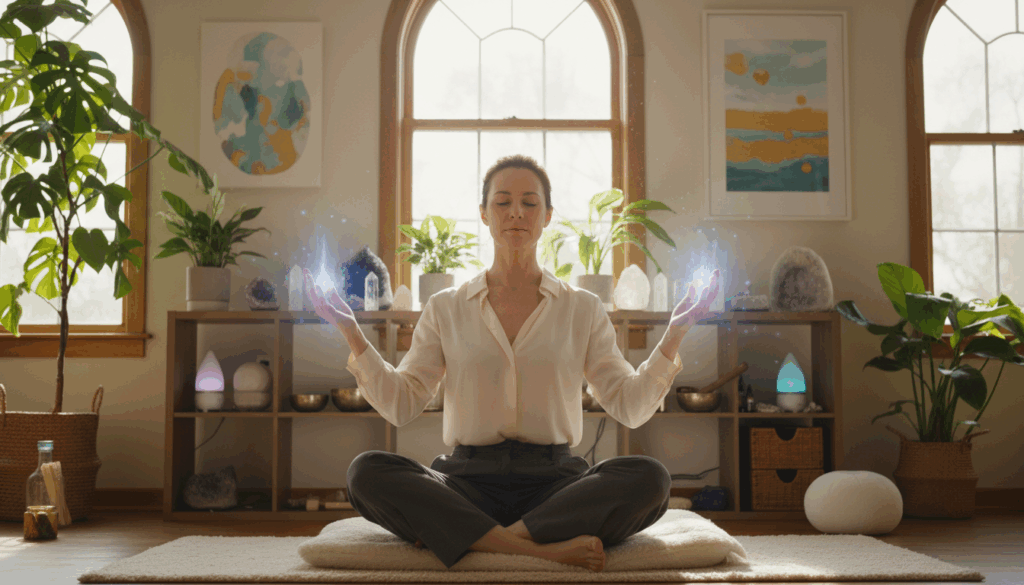
Core steps: intention-setting, guided meditation, breathwork, and visualization. Some sessions add hands-on techniques or gentle touch if you consent.
Choosing a certified practitioner
Look for training history, years of supervised experience, and clear certifications where available. Ask about scope of practice and how they work with medical teams.
- Transparent pricing and session structure
- Ethical commitment to not replace medicine or discourage care
- References or client outcomes over months or years
Using this approach alongside medical care
Collaboration matters. Tell your clinician about new sessions and keep regular medical treatment in place.
Practical choices include tele-sessions versus in-person work and clear boundaries for hands-on contact. Track progress across weeks to judge results rather than expecting instant shifts.
Learn more about supportive practices and how they fit with standard care at energy healing.
What Science Says and Why Quantum Healing Is Controversial

Where physics ends and metaphor begins
Modern physics gives inspiring language about observation and reality. Still, using that language in a wellness setting often mixes metaphor with scientific terms.
Draw a clear line: lab-tested models differ from poetic descriptions that invite personal meaning.
What researchers can measure reliably
Breathwork, guided visualization, and similar methods show measurable outcomes. Studies track breathing patterns, heart rate variability, sleep, and perceived stress.
Harder-to-quantify claims
Claims about unseen fields or instant cures resist standard measurement. These ideas rarely map cleanly onto biomedical tests.
How to evaluate claims and your own experience
- Favor transparency and documented outcomes over grand promises.
- Avoid replacing medical care; use complementary approaches safely.
- Track results over time and note practical effects on mood and sleep.
“Extraordinary claims need stronger evidence.”
For structured training that balances curiosity with standards, consider exploring psychic medium classes as one path among many.
Conclusion
To close, focus on small, repeatable routines that support calm and clearer thinking. Try a brief breathing pattern plus a short visualization each morning for two weeks and note any shift in stress and energy.
In practice, this approach blends intention, breath, meditation, and time-tested techniques like visualization, Reiki, qi practices, and affirmations. Choose methods that match your comfort and lifestyle, and favor gentle, consistent work over grand promises.
Science supports many relaxation effects tied to breath and focused attention, while broader claims about unseen fields remain debated. For a deeper primer on the topic, see a clear overview at what is quantum energy healing.
Safety note: work with reputable practitioners when needed and treat these methods as complementary support, not a replacement for medical care. Track results, stay curious, and prioritize steady progress toward better balance and inner peace.
FAQ
Can you define this form of holistic practice in simple terms?
It’s a guided approach that blends breathwork, intention, visualization, and hands-on or distance techniques to support balance in mind and body. Practitioners aim to help reduce stress, improve focus, and promote a sense of inner calm using methods drawn from qigong, meditation, and energy-based traditions.
How do practitioners describe “energy,” “frequency,” and the healing field?
Many use accessible language: energy refers to subtle bodily flows like qi or prana; frequency describes patterns of thought and emotion; and the field is an interactive context where attention and intention can shift perception and response. These ideas serve as frameworks for practices that calm the nervous system and change behavior.
Why do people try this for wellness, stress, and life balance?
People seek practical ways to reduce anxiety, improve sleep, and manage chronic stress. Techniques such as mindful breathing, guided imagery, and gentle movement help regulate the parasympathetic nervous system and build resilience for everyday life.
In what ways does modern physics inform these ideas?
Quantum physics often inspires metaphorical language about observation, possibility, and interconnection. While the literal physics doesn’t map directly to therapeutic methods, the concepts encourage people to explore how attention and belief shape experience.
What role do qi, meridians, and breath play in practice?
Traditions like acupuncture and qigong view meridians as channels that support healthy flow. Breath practices increase oxygenation, calm the nervous system, and make subtle shifts in mood and focus that practitioners interpret as improved energy balance.
How important is intention, thought, and the law of attraction?
Setting clear intention helps direct attention and motivates consistent practice. Affirmations and autosuggestion reinforce desired habits and can improve mood and goal alignment, though they work best combined with concrete behavioral steps.
What are common signs of energy blocks and emotional patterns?
People report recurring anxiety, tension in certain body areas, disrupted sleep, or stuck thinking. Sessions often focus on noticing these patterns and using breath, movement, or visualization to release tension and restore fluidity.
How do meditation and altered states help in sessions?
Deeper states of relaxation reduce cortisol and increase parasympathetic tone. Meditation strengthens attention, supports emotional regulation, and creates space for insight, which can lead to lasting behavior change.
Can breathwork affect the nervous system and inflammation?
Yes. Slow, controlled breathing activates the vagus nerve and can lower heart rate and stress hormones. This response supports recovery and, over time, may reduce markers of inflammation according to clinical studies on related practices.
Which techniques will I likely encounter in practice?
Expect guided visualization, breathwork, mindful movement like tai chi or qigong, hands-on approaches such as Reiki, and cognitive tools like affirmations. Sessions may combine several methods to match individual needs.
What is “quantum jumping” style practice?
It’s a visualization method where you imagine connecting with a more healed or resourceful version of yourself to adopt new habits and perspectives. Used thoughtfully, it can boost confidence and clarify goals.
How can these practices support emotional wellness and resilience?
Regular practice improves stress tolerance, helps process emotions, and cultivates steadier moods. Techniques build skills for noticing triggers and responding with intentional breathing or grounding actions.
What might happen during a session with a practitioner?
Sessions often begin with intention setting and a short intake. You may then do breathwork, guided imagery, gentle movement, or receive light touch. Many practitioners offer home practices to reinforce outcomes between visits.
How do I choose a qualified practitioner and set safe expectations?
Look for someone with recognized training in their modality, clear client consent practices, and a willingness to coordinate with your medical providers. Use this work as a complement to medical care, not a replacement for necessary treatment.
What does scientific evidence say about these methods?
Research supports benefits for breathwork, meditation, and movement therapies in reducing stress and improving mood. Claims about unseen fields remain harder to quantify; evaluate outcomes by measurable changes in sleep, anxiety, or daily functioning.
How can I responsibly evaluate claims and outcomes?
Track objective measures like sleep quality, anxiety scores, or activity levels. Ask for clear explanations of techniques, expected timelines, and alternatives. Trust your lived experience and consult medical professionals for serious conditions.
Can this approach help alongside conventional medicine?
Yes. Many people use these practices to manage symptoms, improve quality of life, and support recovery while continuing standard medical treatments. Always inform your healthcare team about any complementary therapy you add.
How long before someone sees effects?
Some notice immediate relaxation after a single session; lasting change typically appears with consistent practice over weeks to months. Personal history, stress load, and frequency of practice influence the timeline.
Are there risks or side effects to be aware of?
Most techniques are low risk, but intense emotional release or dizziness can occur during deep work. Choose a trained practitioner, start gently, and stop any practice that feels harmful. Seek medical or mental health support if difficult symptoms arise.
How can I start a basic practice at home?
Begin with short daily breathing sessions, simple guided meditations, and easy movement like walking or stretching. Use clear intentions and keep a short journal to note changes in sleep, mood, and stress.
What outcomes do people commonly report after months of practice?
People often report better sleep, reduced anxiety, improved focus, and a stronger sense of inner peace. Physical benefits include more relaxed muscles and greater ease during everyday activities.