

The Emperor stands as the fourth trump in the Major Arcana, a grounded ruler who makes order from chaos. He sits on a throne decorated with rams’ heads, linking him to Aries and to bold initiative.
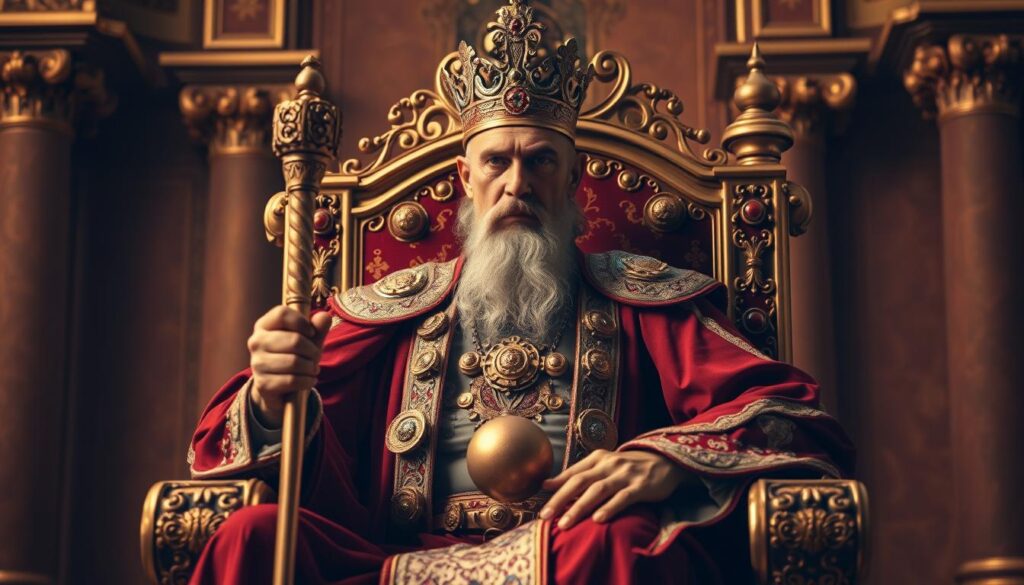
He holds a scepter and an orb, symbols of right to lead and stewardship. A long beard shows experience and steady mastery. Behind him, barren mountains hint at ambition, endurance, and structure.
Where a counterpart nurtures growth, this figure builds systems, discipline, and strategy for lasting security. In readings, he signals pragmatic leadership, clear rules, and responsible action.
This guide will unpack iconography (throne, crown, scepter, orb), upright and reversed meanings, and practical uses in love, career, and finance. Expect modern interpretations that keep this archetype useful, not mystical.
Takeaway: claim responsibility, craft structure, and use authority to protect growth for yourself and others.
Key Takeaways
- The Emperor represents authority, discipline, and long-term order.
- Iconography (rams, scepter, orb) links to initiative and stewardship.
- He encourages methodical plans and responsible decision-making.
- Contrast with Empress shows balance between structure and creativity.
- Understanding him anchors any spread with rules and security.
What is the fourth tarot card in the Major Arcana?
B The Emperor is the fourth trump and the archetype of lawful authority and protective governance.
Number and structure: His IV echoes stability—think four corners, four walls—a foundation that supports rules and systems. This links directly to structure, steady planning, and long-term foundations.
Sign and symbols: Four rams carved into his throne point to Aries, a sign of initiative and leadership. The scepter and orb stand for mandate and stewardship, showing both power and responsibility.
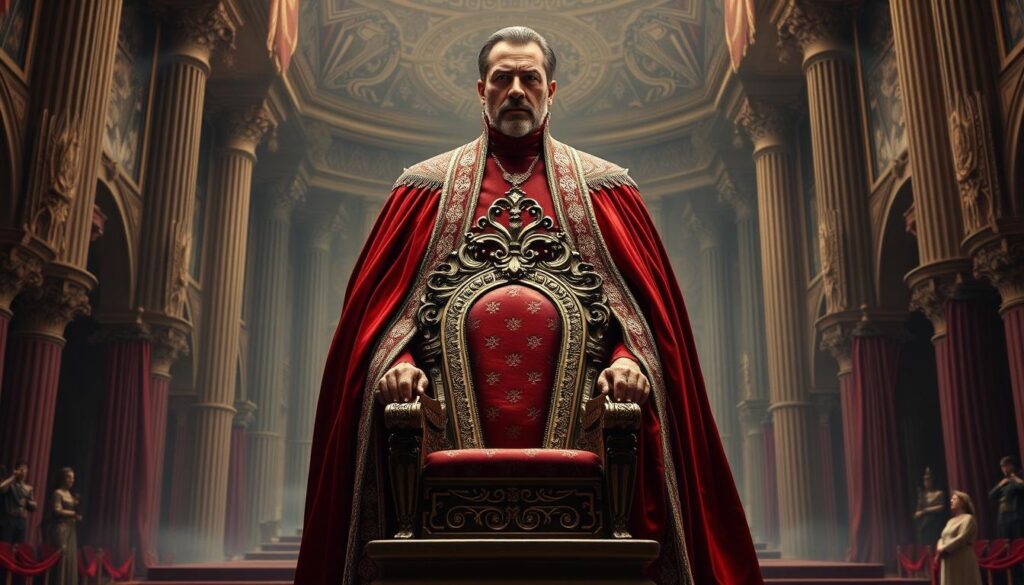
Upright meanings: stability, discipline, protection, authority, and practical focus. In a reading, he asks you to set boundaries, build systems, and lead with purpose.
Reversed meanings: rigidity, overreach, tyranny, or lack of discipline that stifles healthy autonomy. Take this as a cue to reassess control and serve the greater good rather than ego.
- Practical note: when this figure appears, commit to structure and strategic patience; the barren mountains behind him hint at endurance and long-term ambition.
- For a deeper comparison of governance and rest in readings, see a related guide at a complementary reading.
Iconography of The Emperor: symbols that define power and order
Visual cues on the throne, crown, scepter, and orb act like a shorthand for authority and structure. Each object tells readers about duty and mandate. Together they show both right to lead and responsibility to protect others.
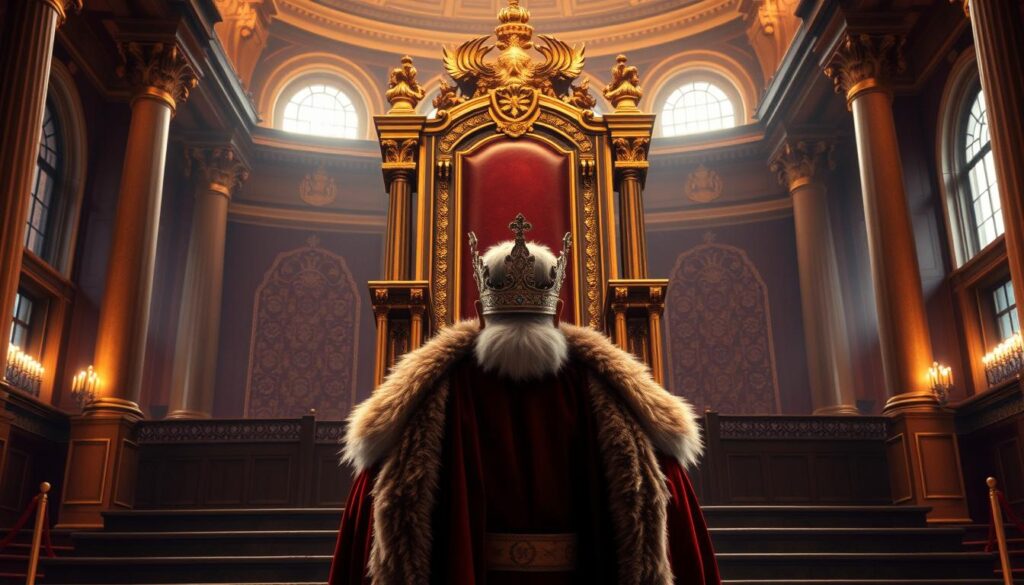
Throne, crown, scepter, and orb: the language of authority
The throne anchors order. Its carved rams mark a steady base for rulership.
The crown signals rank while the scepter shows lawful mandate. The orb stands for stewardship of people and resources.
Four rams and Aries: sign of initiative and leadership
Four rams on the seat point to Aries energy: drive, courage, and grit. This sign links to decisive action under pressure and practical strength in leadership.
Beard, barren mountains, and contrast with Empress
The long beard suggests experience and earned wisdom that guides decisions. Barren peaks behind him highlight ambition and the ability to hold course through hard terrain.
Contrast that with the Empress’s fertile fields to see how structure balances creativity. Noticing posture, gaze, and landscape in any deck adds nuance to a reading.
For a related perspective on focus and emotional reset, see this related reading.
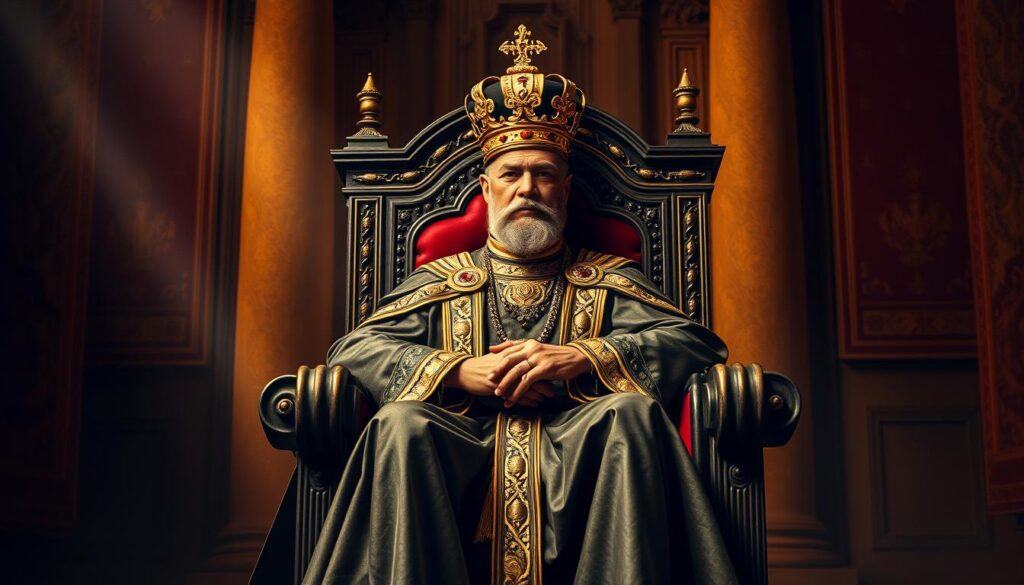
Upright Emperor meaning: structure, stability, and leadership in action
When upright, this ruler brings steady planning and a clear chain of responsibility. That energy asks for rules that protect growth and create predictability.
Core meanings:
Authority, control, discipline, protection, order
This placement signals lawful authority used with discipline to build stability. It favors practical steps, focused systems, and measured control.
Love and relationships
In love, expect traditional bonds guided by logic and consistency. Emotions may sit beneath steady devotion, so reliability often matters more than flair.
Career and work
At work, prioritize processes, clear standards, and mentoring. Step into leadership by setting routines and coaching others to reduce chaos.
Money and resources
Finance calls for budgets, monthly reviews, and careful planning to secure long-term outcomes. Responsibility now protects future options.
Feelings and actions
Feelings show grounded admiration and a long-range view. Act by drafting concrete plans, assigning roles, and tracking progress.
| Area | Upright meaning | Practical step |
|---|---|---|
| Love | Consistent commitment | Schedule honest check-ins |
| Career | Strategic leadership | Document processes and mentor |
| Money | Disciplined planning | Set a monthly budget review |
| Actions | Measured control | Delegate and track tasks |
Tip: identify immediate steps that bring order—roles, timelines, and documentation. Consider reading about focused practice at Eight of Pentacles to pair discipline with skill building.
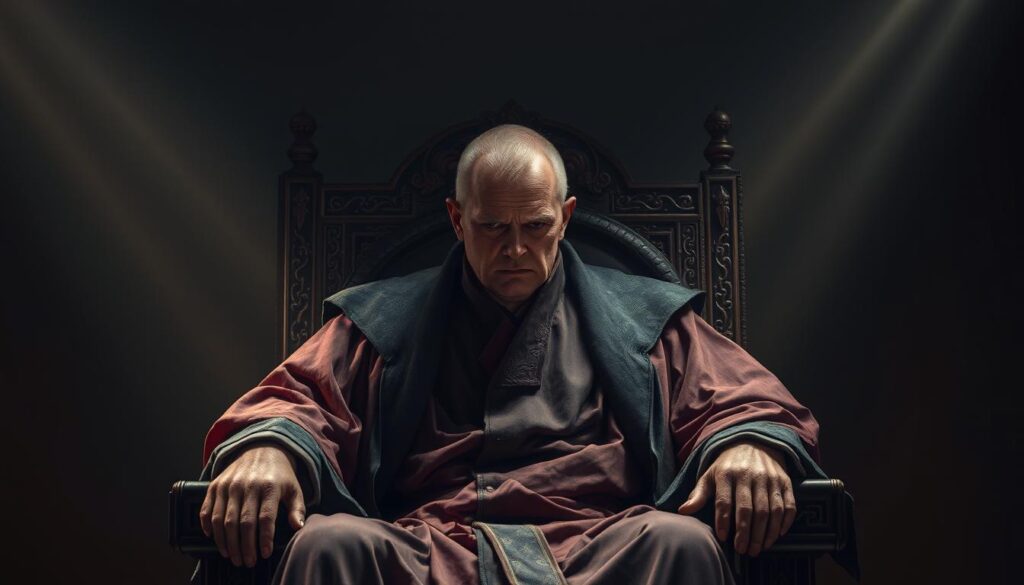
Emperor reversed: when control turns rigid and power overreaches
A reversed Emperor often signals leadership that has hardened into domination and closed rules. This placement points to abuse of authority — control without empathy that stifles initiative.
Core meanings:
- Tyranny and stubbornness born from rigid order.
- Lack of discipline that looks like chaos masked by harsh rules.
- Recklessness when power goes unchecked and harms others.
Love and relationships
In a reading, expect power struggles and overbearing dynamics. Signs include dominance, competitiveness, and emotional distance.
Recover balance by reclaiming voice, setting boundaries, and asking for fair give-and-take.
Career and work
This position often flags a bad boss, stifling bureaucracy, or scattered focus that erodes morale. Simplify approvals, clarify decision rights, and re-establish priorities.
Money and responsibility
Out-of-control spending or avoidance may show up. Return to responsibility with budgeting, accountability partners, and clear goals.
Feelings and actions
People feel insecure or rigid. A quick self-audit helps: where has discipline slipped, where has control gone too far, which rules help others instead of harming them?
Practical next steps:
- Replace harsh rules with clear principles and collaborative processes.
- Confront unhealthy patterns in a reading and advocate for transparent leadership.
- Use tools like a budget review or a team decision matrix to restore order and trust.
For further reflection on steady effort and returns, see seven of pentacles.
Living The Emperor energy: leadership, boundaries, and the father figure
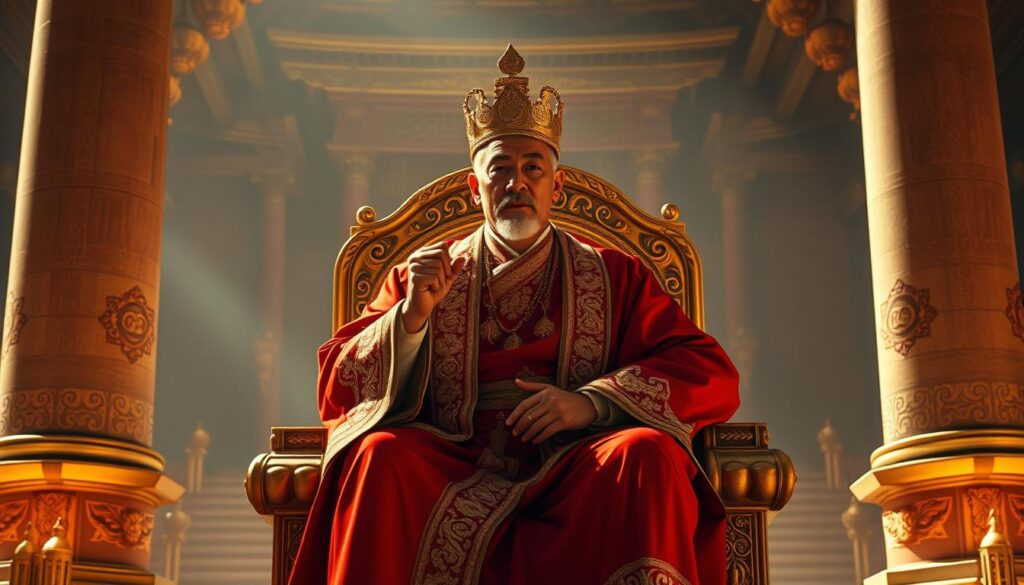
Leadership that serves starts with clear rules and steady care, not loud commands. This style asks a person to set limits that protect growth while keeping people useful and respected.
Claiming authority without domination
Make rules that help people thrive. Use standards that guide, not punish.
Listen first, decide second: gather input, then act with fairness and clarity.
Healthy control: structure, routines, and disciplined progress
Structure and discipline create steady progress without micromanaging. Weekly planning, clear boundaries, and short check-ins keep life and work stable.
The father figure archetype: protection, service, responsibility
A father figure shows up, keeps promises, and models accountability. The ideal leader serves the greater good, inspires loyalty, and systematizes action while staying fair.
- Step into a leadership role when needed: listen, choose, follow through.
- Prefer standards that help over rules that harm. Seek feedback and adapt.
- Pick one area of life to need take consistent action; make a simple rule set and track commitments.
| Focus | Emperor approach | Daily action |
|---|---|---|
| Boundaries | Clear, fair limits | Schedule weekly check-ins |
| Progress | Routine and discipline | Plan tasks with brief reviews |
| Responsibility | Service and protection | Keep promises; log commitments |
| Stability | Systems over impulse | Use simple rules to guide choices |
For guidance on holding resources and steady care, see four of pentacles. Remember: protection and service sit at the heart of authority done right.
Across decks and traditions: how The Emperor is interpreted today
Modern decks often recast a ruler as a steward who turns chaotic life into steady systems.
Aries and Mars: this fiery principle drives decisive action and raw will into practical order. Think initiative, direct force, and quick starts that are then shaped into durable plans.
Balancing creativity with structure
Structure contains growth: the Empress’s fertile energy needs walls that let projects grow without collapsing. Here, rules and steady routines create room for imagination.
From general to guardian
Across many packs the figure appears not as a conqueror but as a scholar-emperor who catalogs wisdom, or as Father Time who tends resources with care.
Nature-based portrayals—oak trunks, a watching stag—shift emphasis from force to long-term protection. These variants show a leader who protects people, not just exerts power.
Ethical power and trusted authority
Service and justice matter more than raw control. When authority is ethical, it earns respect by fairness, clear rules, and steady accountability.
- Some cards present an administrator or guardian instead of a general.
- Guidebook notes and lived experience often refine meanings and suggest restraint over domination.
- Compare different decks to see whether mind, law, or nature is emphasized in each portrayal.
For related insight on conflict and leadership dynamics, see a focused reading at emperor tarot card. Remember: trusted authority keeps order across time through fairness and consistent care.
Conclusion
A measured leader turns raw will into lasting plans that protect people over time. This emperor anchors structure and steady strength across life and work. His crown, throne, scepter, and orb remind any leader to pair power with care.
Upright meanings call for clear rules that serve others, practical control, and steady action. When the emperor reversed appears, watch for rigidity, domination, or a slip in responsibility and adjust with flexibility.
Apply these lessons in love, career, and daily routine by choosing simple habits that build order and stability. For a useful comparison, see a related King of Cups reading at King of Cups comparison.
Next step: pick one small area where you need take control—make a short plan, schedule it this week, and follow through. Let Aries energy start things; let structure keep them going.
FAQ
What does the Emperor represent in the Major Arcana?
The Emperor stands for authority, structure, and leadership. He symbolizes a steady, experienced figure who creates order, enforces rules, and offers protection. In readings he often points to responsibility, career focus, or a father figure role.
How do throne, crown, scepter, and orb communicate authority?
Those symbols form a visual language of power and duty. The throne shows stability, the crown denotes status, the scepter implies command, and the orb suggests governance over resources or territory.
Why are rams and Aries linked to this figure?
Four rams and Aries reflect initiative, drive, and assertive energy. They highlight decisive action, courage, and leadership that turns ideas into structured plans.
How does the Emperor contrast with the Empress?
The Emperor emphasizes order, boundaries, and logic, while the Empress embodies growth, nurture, and creativity. Their contrast shows how structure and care balance in life and relationships.
What does the upright Emperor mean for career and work?
Upright, he points to mentorship, strategic thinking, and reliable processes. Expect leadership roles, clear goals, and steady progress toward long-term success.
What does the upright Emperor mean for love and relationships?
In relationships, he suggests stable commitment, traditional values, and clear boundaries. He may indicate a partner who is protective, practical, and consistent.
What does the upright Emperor mean for money and resources?
Upright, the Emperor signals disciplined budgets, long-term planning, and responsible stewardship of assets. It’s about building security through structure.
What does the Emperor reversed suggest about power and control?
Reversed, the energy can become rigid or overbearing. It warns of tyranny, stubbornness, misuse of authority, or a loss of constructive discipline.
How does the reversed Emperor affect relationships?
In love, reversal may show power struggles, controlling behavior, or emotional distance. It calls for rebalancing authority and restoring healthy boundaries.
What does the reversed Emperor indicate in career contexts?
Reversed, it can point to bad bosses, bureaucratic roadblocks, scattered leadership, or a need to reclaim professional responsibility and direction.
How should someone live with healthy Emperor energy?
Healthy Emperor energy means leading with service, clear rules, and compassion. Use structure to help people thrive, set routines, and take responsibility without dominating others.
How do modern decks and traditions interpret this figure?
Contemporary decks emphasize themes like ethical power, service, and stewardship. Interpretations often blend Aries/Mars drive with ideas of guardian leadership and justice.
Can the Emperor appear as a prompt for personal growth?
Yes. He can urge you to claim authority over your life, build routines, and develop disciplined progress toward goals while staying fair and responsible.