

Energy healing is a holistic practice that connects the body, mind, and spirit to promote overall wellness. It has gained recognition in medical settings, including institutions like the Cleveland Clinic, for its potential to complement traditional treatments. During the COVID-19 pandemic, remote options for these healing practices became increasingly popular, making them accessible to more people.
Techniques such as Reiki and chakra balancing are often used to restore balance and harmony. Research from the National Center for Complementary and Integrative Health (NCCIH) highlights its benefits in reducing pain and anxiety. While scientific skepticism exists, many individuals report deep relaxation and improved well-being.
For beginners, energy healing offers a gentle introduction to self-care. Whether you’re exploring it for the first time or deepening your practice, this guide will walk you through the basics. For more insights, check out this resource on becoming a psychic healer.
Key Takeaways
- Energy healing connects the body, mind, and spirit for holistic wellness.
- It is increasingly accepted in medical settings like the Cleveland Clinic.
- Remote options became popular during the COVID-19 pandemic.
- Techniques include Reiki and chakra balancing.
- Research supports its benefits for pain and anxiety reduction.
- It complements traditional medicine and promotes relaxation.
What Is Energy Healing?
Energy healing taps into the subtle forces that influence our well-being. It involves the manipulation of unseen energy fields to restore balance and harmony. This practice has deep historical roots, with variations found in cultures worldwide.
In Japan, Reiki focuses on the universal life force, known as “ki.” Traditional Chinese Medicine emphasizes the flow of “qi,” while Ayurveda from India highlights “prana” as the vital energy. These concepts all point to the same idea: a life force that sustains health.
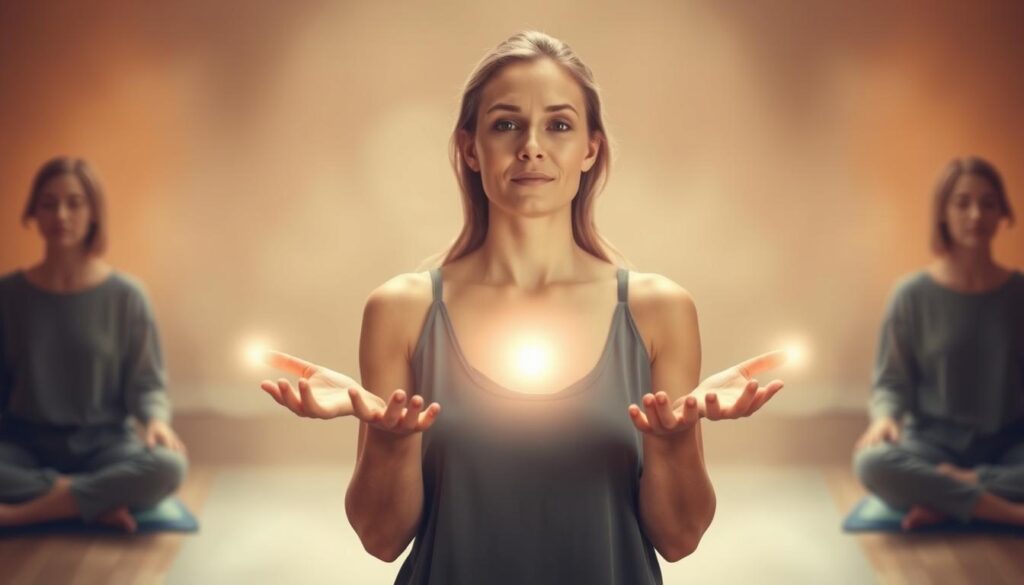
Energy healing methods vary. Some, like Reiki, involve light touch or hovering hands. Others, such as remote sessions, work without physical contact. Melissa Evans describes Reiki as “channeling energy to support the body’s natural healing process.”
Modern applications of energy healing are expanding. Hospitals and palliative care centers are incorporating it to complement traditional treatments. It’s non-invasive, with no physical manipulation, and is classified by the FDA as a complementary therapy.
Think of it like yoga or meditation. Both aim to align the body and mind. Energy healing takes this a step further by focusing on the subtle energies that connect them. Whether through touch or distance, the goal is the same: to promote balance and well-being.
The Science Behind Energy Healing
The concept of universal life force energy has intrigued both scientists and healers for centuries. While some view it as a spiritual phenomenon, others seek to understand it through the lens of modern science. This duality makes it a fascinating topic for exploration.
Dr. Robert Saper, a prominent researcher, has expressed skepticism about the evidence supporting energy fields. He points to gaps in studies and the potential for the placebo effect in pain reduction. However, this doesn’t dismiss the experiences of those who report benefits.
A 2015 pilot study on distant Reiki for cancer patients showed promising results. Participants reported reduced anxiety and improved well-being. Similarly, a 2014 review highlighted its potential for anxiety reduction, even if the mechanisms remain unclear.
Cultural Energy Concepts vs. Measurable Physics
Cultural traditions like Reiki, Traditional Chinese Medicine, and Ayurveda all describe a subtle energy that sustains life. While these concepts align in principle, they differ in practice. Modern physics, on the other hand, struggles to measure this force energy directly.
Some researchers compare it to dark matter—something we know exists but can’t yet fully understand. This analogy bridges the gap between ancient wisdom and contemporary science.
- Scientific skepticism highlights the need for more rigorous studies.
- Cultural energy concepts emphasize the energy flow within the body.
- Environmental factors, like a calming space, can enhance healing experiences.
Melissa Evans, a Reiki practitioner, describes a “fluttering back sensation” during sessions. Such personal accounts add depth to the discussion, even if they can’t be quantified. University of Pennsylvania research suggests that the “sum total experience” of relaxation may explain some benefits.
While the science behind universal life force energy remains debated, its impact on well-being is undeniable. Whether through measurable effects or personal experiences, it continues to inspire curiosity and exploration.
How Do You Perform Energy Healing?
Creating a balanced space is essential for effective energy work. Whether in-person or remote, the environment plays a key role in enhancing the experience. A quiet, comfortable setting helps both the practitioner and the client focus on the session.
Setting the Right Environment
For in-person sessions, Bodner’s clinic setup includes a massage table and dim lighting. These elements create a calming atmosphere. A comfortable temperature and minimal distractions are also important.
Remote sessions, like Bennett’s Zoom setup, require careful preparation. Position the camera for clear visibility. Use a blanket and eye mask to help the client relax. These small details make a big difference.

Basic Energy Healing Techniques
Start with pre-session rituals. Client intake and intention setting ensure alignment. This step helps both parties focus on the goals of the session.
Hand positions vary between hovering and light touch. Experiment to find what feels natural. Box breathing is a simple yet powerful technique to activate energy flow.
Guide the client through chakra visualization exercises. This helps balance the body’s energy centers. Another useful method is smoothing the aura, which promotes harmony.
Bodner describes entering a trance-like state during sessions. Bennett notes tingling sensations in the body. These experiences highlight the deep connection between mind and energy.
For beginners, sessions typically last 30-60 minutes. This duration allows enough time to explore the techniques without feeling overwhelmed. For more advanced practices, consider integrating psychic protection practices to enhance safety and focus.
Types of Energy Healing Practices
Exploring various energy healing practices can open doors to holistic wellness. From ancient traditions to modern techniques, these methods aim to restore balance and vitality. Whether you’re drawn to hands-on approaches or prefer working with subtle energies, there’s a practice for everyone.
Reiki: A Popular Energy Healing Method
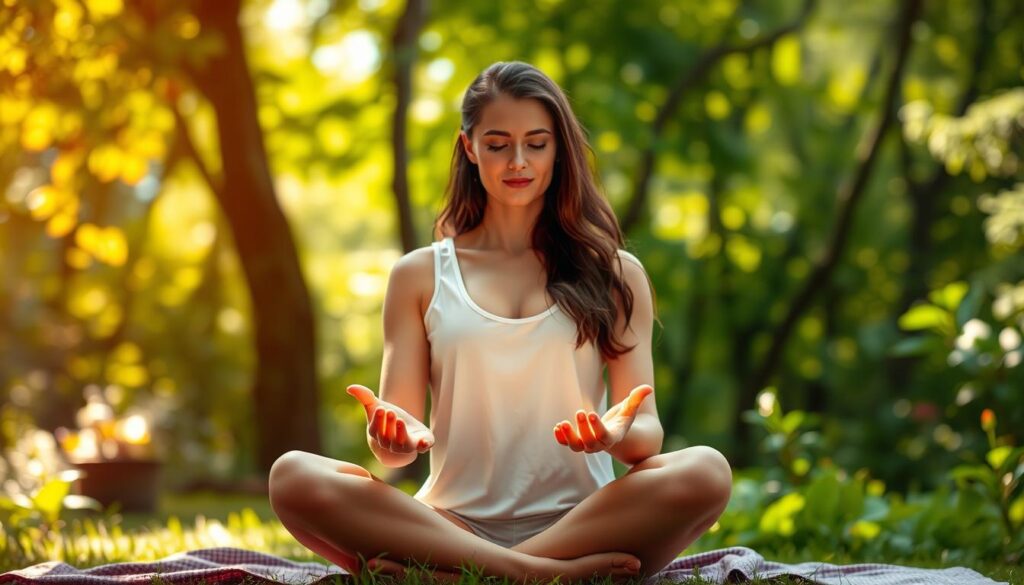
Reiki is one of the most widely recognized forms of energy healing. Originating in Japan, it focuses on channeling universal life force energy to promote healing. Practitioners use specific hand positions to direct energy flow, often working on or above the body.
There are different levels of Reiki training, from beginner to master. Usui Reiki, the traditional form, emphasizes self-healing and spiritual growth. Karuna Reiki, a more modern variation, incorporates symbols for deeper emotional healing.
“Reiki is about creating harmony within the energy field,” says Melissa Evans, a certified practitioner.
Chakra Healing and Balancing
Chakras are the body’s energy centers, with seven main ones aligned along the spine. Each chakra governs specific emotional and physical aspects. For example, the heart chakra is linked to love and compassion, while the root chakra relates to stability and security.
Chakra healing often involves visualization, meditation, and the use of crystals. Placing stones like amethyst or rose quartz on corresponding chakras can help clear blockages and restore balance. Bennett, a chakra meditation expert, shares, “Working with chakras can transform your emotional and physical well-being.”
- Reiki: Focuses on universal life force energy and hand positions.
- Chakras: Seven main energy centers with unique emotional associations.
- Crystal use: Enhances aura cleansing and chakra balancing.
- EFT tapping: Targets energy meridians for emotional release.
- Shamanic journeying: Connects with spiritual guides for healing.
- Quantum healing: Integrates science and spirituality for transformation.
While these practices can complement traditional medicine, they should not replace medical treatments. Always consult a healthcare professional for serious health concerns. Energy healing is a powerful tool for relaxation, emotional balance, and overall well-being.
Benefits of Energy Healing
Many people turn to holistic practices to address physical and emotional challenges. Energy healing offers a range of benefits, from reducing pain to improving mental clarity. Research and personal experiences highlight its potential to enhance overall well-being.
Pain Relief and Relaxation
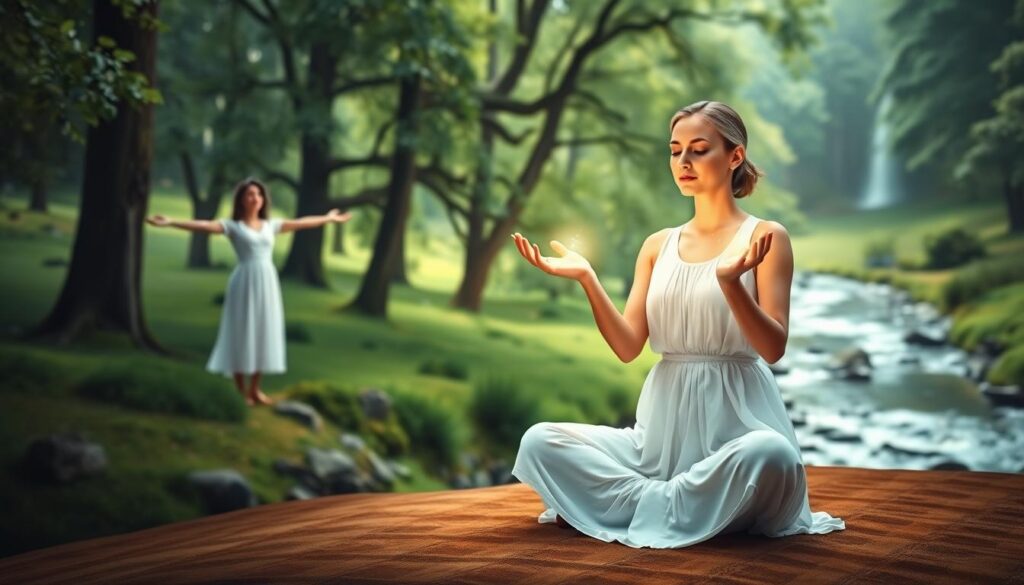
Chronic pain can be debilitating, but studies show energy healing may provide relief. A 2019 report in Current Rheumatology Reports found that practices like qigong reduced pain by up to 30% in patients with chronic conditions. This is often attributed to the release of tension and improved energy flow.
Deep relaxation is another key benefit. Techniques like Reiki and chakra balancing help lower cortisol levels, the hormone linked to stress. Melissa, a Reiki practitioner, shares, “After a session, clients often feel a sense of clarity and calm.”
Improved Mental Health
Energy healing can also support mental health. A 2017 review found it effective in reducing anxiety and depression. By regulating serotonin and dopamine levels, it promotes emotional balance.
Penn Medicine has documented cases where cancer patients experienced a 40% reduction in anxiety after energy healing sessions. Trauma release through somatic work further enhances emotional well-being.
While energy healing can complement traditional treatments, it’s important to consult a healthcare professional for serious conditions. As Arizola’s homeostasis theory suggests, the goal is to restore the body’s natural balance and harmony.
What to Expect During an Energy Healing Session
Understanding what happens during a session can ease any concerns and prepare you for the experience. Whether in-person or remote, each session is designed to promote relaxation and balance. Practitioners often tailor their approach to meet individual needs, ensuring a personalized experience.

In-Person vs. Remote Healing
In-person sessions, like Bodner’s 60-minute protocol, typically involve a massage table and dim lighting. This setup creates a calming environment for the client. Remote sessions, such as Bennett’s 40-minute Zoom format, allow flexibility. Clients can relax in their own space, often using a bed or comfortable chair.
Practitioners screen clients before sessions to ensure alignment with their needs. This step helps set clear intentions and goals. Melissa, a seasoned practitioner, describes a “phantom finger sensation” during remote sessions, highlighting the unique aspects of this approach.
Preparation and Aftereffects
Preparation is key to a successful session. Hydration and loose clothing are recommended to enhance comfort. Bennett notes that clients often feel a restorative nap-like sensation afterward, which can last for hours.
Common aftereffects include deep relaxation, emotional release, and improved clarity. Some clients report tingling sensations or a sense of lightness. These responses vary based on individual experiences and the type of therapy used.
Costs and Considerations
Sessions typically range from $75 to $150, depending on the practitioner and location. While these practices can complement traditional treatments, they should not replace medical advice. Always consult a healthcare professional for serious health concerns.
Addressing skepticism is part of the process. Practitioners often explain the science behind their methods, helping clients feel more confident. As Bennett shares, “The goal is to create a safe space for healing, whether in-person or remote.”
How to Find a Qualified Energy Healing Practitioner
Finding the right practitioner is crucial for a meaningful experience. With so many options available, it’s important to know what to look for. A skilled professional can guide you toward achieving balance and wellness.
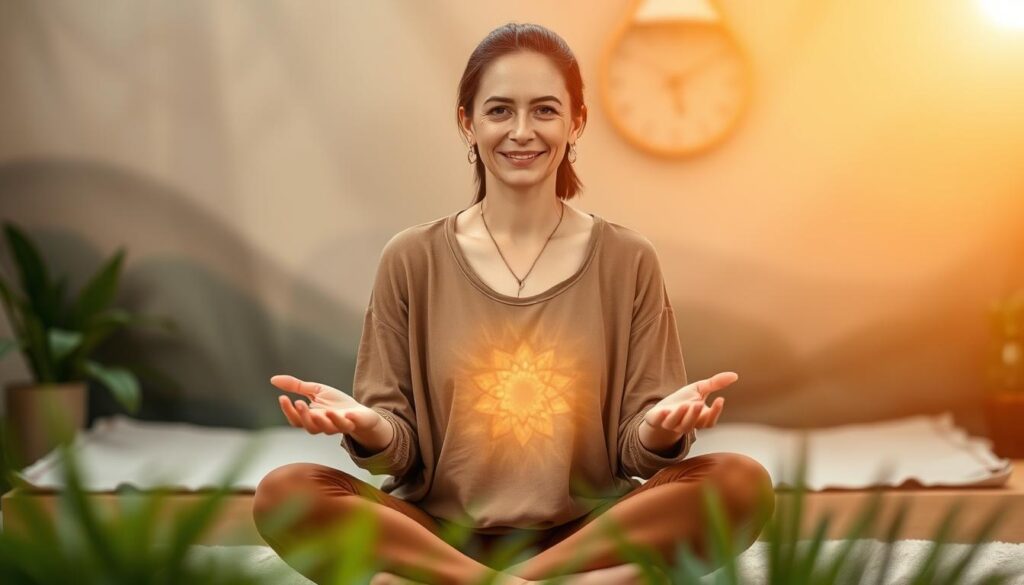
Start by checking certifications. Organizations like the IARP or Reiki Alliance verify training and expertise. This ensures the practitioner has the necessary skills to work with subtle energies effectively.
Questions to Ask Before Starting
Before committing to a session, ask about their approach. For example, “How do you handle energy blocks?” This gives insight into their methods and philosophy. Request client references or testimonials to gauge their reputation.
Compare training hours across modalities. Some practices, like Reiki, require extensive study. Others may focus on specific techniques. Research hospital affiliations, as institutions like the Cleveland Clinic often set high standards for practitioners.
Discuss ethical boundaries and scope. A professional should never make cure claims or use high-pressure sales tactics. Dr. Ayubcha’s research warns against practitioners who overpromise results.
“A qualified practitioner creates a safe space for healing,” says a Reiki master from the Energy Medicine Directory.
Consider trial mini-sessions to assess compatibility. Cross-verify their recommendations with your primary care provider. This ensures the practice complements traditional medicine without conflicts.
By taking these steps, you can find a practitioner who aligns with your needs. Whether you’re exploring Reiki, chakra balancing, or another form of energy work, the right guide can make all the difference.
Conclusion
Holistic practices like Reiki and chakra balancing offer a unique path to wellness. They complement traditional medicine, providing a natural way to restore balance and harmony. Combining these methods with yoga or meditation can enhance their benefits, as Melissa’s chiropractic combo demonstrates.
Remote options make these practices accessible, allowing you to experience peace from the comfort of your home. Keeping a symptom journal can help track progress and identify patterns. However, it’s essential to continue medical treatments and consult professionals for serious concerns.
For guidance, explore the Energy Medicine Directory. As Bennett notes, these practices can bring “mental clarity,” opening a new way to approach life. Take the first step today and discover the transformative power of holistic healing.
FAQ
What is energy healing?
Energy healing is a holistic practice that focuses on balancing the body’s life force energy to promote wellness. It involves techniques like Reiki, chakra balancing, and sound therapy to restore harmony within the body and mind.
How does universal life force energy work?
Universal life force energy, often referred to as “qi” in Traditional Chinese Medicine, is the subtle energy that flows through all living things. Energy healing practices aim to unblock and balance this flow to enhance health and well-being.
What are some common energy healing techniques?
Popular techniques include Reiki, chakra healing, sound therapy, and breathwork. These methods help clear energy blockages, reduce stress, and promote deep relaxation for overall wellness.
Can energy healing help with pain and anxiety?
Yes, many people find relief from physical pain and mental health issues like anxiety through energy healing. It encourages relaxation, reduces tension, and helps the body’s natural healing processes.
What should I expect during a session?
During a session, a practitioner may use touch or work within your energy field to restore balance. You might feel warmth, tingling, or deep relaxation as your body’s energy flow improves.
How do I find a qualified practitioner?
Look for certified practitioners with training in specific methods like Reiki or chakra healing. Ask about their experience, certifications, and approach to ensure they align with your needs.
Can energy healing be done remotely?
Yes, remote healing is effective as energy transcends physical distance. Practitioners can focus on your energy field from afar, offering the same benefits as in-person sessions.
Is energy healing safe for everyone?
Energy healing is generally safe and non-invasive. However, it’s best to consult with a healthcare provider if you have serious health concerns or are undergoing medical treatment.