

For thousands of years, people have turned to holistic practices to restore balance and promote well-being. Energy healing is one such tradition, focusing on the connection between mind, body, and spirit. Unlike conventional treatments, it works by addressing the body’s biofields to encourage self-healing.
Today, this ancient practice is gaining recognition in modern medical settings. Institutions like Penn Medicine and the NCCIH are exploring its potential. Modalities such as Reiki and acupuncture are now widely used to support health and wellness.
Dr. Soussan Ayubcha highlights the need for more research, but many already find value in these methods. Whether you’re curious or seeking complementary care, this guide will provide insights and practical applications to help you understand this fascinating field.
Key Takeaways
- Energy healing is a 5,000-year-old practice focusing on mind-body-spirit connections.
- It differs from conventional medicine by manipulating biofields for self-healing.
- Medical institutions like Penn Medicine are studying its benefits.
- Popular modalities include Reiki and acupuncture.
- Research is ongoing, but many find it helpful for complementary care.
Introduction to Energy Healing
Across cultures and centuries, holistic practices have shaped wellness traditions. These methods focus on the connection between mind, body, and spirit, offering a unique approach to health. One such practice, often referred to as energy healing, has roots in ancient Eastern traditions and continues to evolve today.

Defining Energy Healing
At its core, this practice involves working with the body’s natural biofields to promote balance and well-being. Unlike conventional medicine, it emphasizes self-healing through the manipulation of subtle energies. Techniques like Reiki and acupuncture are prime examples of this approach.
The History and Evolution of Energy Healing
The origins of this practice trace back to ancient concepts like Chinese qi and Ayurvedic prana. These ideas laid the foundation for understanding the flow of body energy. In the 20th century, figures like Dr. Mikao Usui developed systems such as Reiki, bringing these methods to a global audience.
Modern adaptations include Therapeutic Touch and Healing Touch, which have been integrated into nursing practices. Pioneers like Barbara Brennan have further advanced contemporary energy work, blending Eastern and Western approaches. Today, institutions like the NIH fund research into biofields, with milestones like Valerie Hunt’s UCLA measurements marking significant progress.
Current studies, including NCCIH clinical trials, explore its potential in treating conditions like cancer. This blend of ancient wisdom and modern science highlights the growing role of complementary medicine in holistic health.
What is Energy Healing?
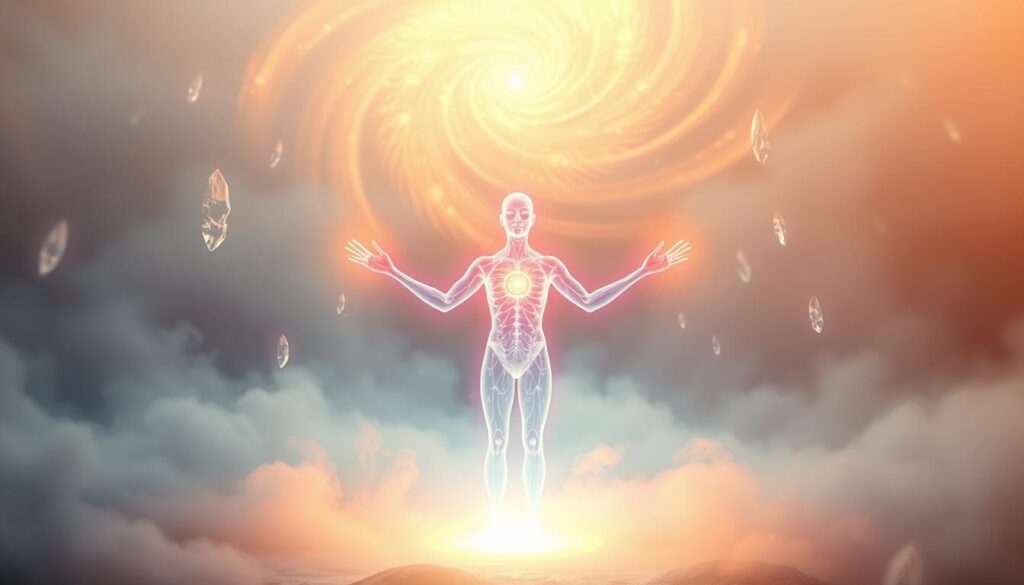
The human body is surrounded by subtle forces that influence health and vitality. These forces, often referred to as biofields, form the foundation of many holistic practices. By understanding and working with these energies, individuals can promote balance and well-being.
The Core Principles of Energy Healing
At the heart of this practice lies the concept of the auric body, a seven-layered energy field surrounding the physical form. Each layer corresponds to different aspects of health, from physical vitality to spiritual connection. Practitioners often focus on these layers to identify and address imbalances.
Another key principle is the chakra system, which consists of seven primary energy centers along the spine. These centers regulate the flow of life force throughout the body. When chakras are balanced, individuals experience greater harmony and vitality.
How Energy Healing Works
Practitioners act as conduits, channeling universal life force to support the body’s natural healing processes. Techniques like Reiki emphasize this role, using hands-on or hands-off methods to transfer energy. Research by Fritz Popp on biophotons has provided scientific validation for the existence of these subtle fields.
Grounding techniques are often used to help individuals connect with the earth’s energy. These methods stabilize the biofield, promoting a sense of calm and balance. Studies, such as those by Danica Arizola at Penn Medicine, highlight the benefits of these practices in clinical settings.
| Acupuncture Meridians | Qigong’s Microcosmic Orbit |
|---|---|
| Pathways for qi flow in the body | Circulation of energy along the spine and head |
| Used in traditional Chinese medicine | Central to qigong practice |
| Focuses on specific points for healing | Emphasizes continuous energy flow |
Both systems aim to optimize the body’s energy flow, though they differ in their approaches. Understanding these similarities and differences can help individuals choose the right technique for their needs.
The Science Behind Energy Healing
Modern science is beginning to explore the mechanisms behind holistic practices. Researchers are diving into the effectiveness of methods like Reiki and acupuncture, aiming to understand how they influence health. While skepticism remains, growing data suggests these techniques may offer real benefits.

Current Research and Studies
A 2018 meta-analysis involving 212 patients found that Reiki significantly reduced pain levels. This systematic review highlighted its potential as a complementary therapy. Similarly, a 2021 study in the Journal of Alternative Medicine analyzed 1,400 Reiki sessions, reporting positive outcomes for stress and anxiety.
The National Center for Complementary and Integrative Health (NCCIH) allocates $3 million annually to fund trials exploring biofield therapies. These studies aim to provide robust evidence for their use in clinical settings. For example, EEG measurements have shown alpha wave synchronization between healers and clients, suggesting a measurable interaction.
Challenges in Scientific Validation
Despite promising findings, challenges remain. Many studies suffer from small sample sizes, limiting their generalizability. For instance, research on qigong’s impact on depression often involves fewer than 100 participants. Dr. Soussan Ayubcha critiques some trials for showing “no clinical significance,” calling for more rigorous methodologies.
Reproducibility is another hurdle. Biofield measurements can vary widely, making it difficult to draw consistent conclusions. However, solutions like realist research frameworks are being proposed to address these issues. As research evolves, the field is poised to overcome these challenges and provide clearer insights.
Types of Energy Healing Techniques
Holistic practices have long been a cornerstone of wellness, offering diverse methods to restore harmony. From ancient traditions to modern therapies, these techniques focus on balancing the body’s natural rhythms. Whether you’re seeking relaxation or addressing specific concerns, there’s a modality to suit your needs.

Reiki: The Universal Life Force Energy
Reiki is a Japanese therapy that channels universal life force through the practitioner’s hands. It involves specific hand positions to align the chakras and promote balance. Sessions typically last 60 minutes, providing deep relaxation and stress relief. Jennifer Izaguirre’s quantum approach has further expanded its applications in modern settings.
Acupuncture: Balancing the Body’s Energy
Acupuncture uses FDA-approved needles to stimulate specific points along the body’s meridians. This ancient Chinese technique helps regulate the flow of qi, addressing issues like pain and fatigue. A 2021 study showed significant benefits for carpal tunnel syndrome after just 30-minute treatments.
Qigong: Cultivating Vital Energy
Qigong combines movement, breath, and meditation to cultivate vital energy. The “Five Animals” practice is a popular method, mimicking animal movements to enhance flow and balance. This therapy is ideal for those seeking a gentle yet effective way to improve overall well-being.
Reflexology: Healing Through Pressure Points
Reflexology focuses on applying pressure to specific zones on the feet, which correspond to organ systems. Studies have shown its effectiveness in improving physical functioning, particularly for breast cancer patients. The NCCIH emphasizes its safety when practiced by trained professionals.
- Reiki sessions last 60 minutes, while acupuncture typically takes 30 minutes.
- Qigong’s “Five Animals” movements are designed to cultivate energy flow.
- Reflexology maps foot zones to specific organ systems for targeted healing.
Benefits of Energy Healing
Many individuals are discovering the transformative effects of holistic therapies on their daily lives. These practices not only address physical discomfort but also enhance mental and emotional well-being. From reducing chronic pain to improving mood, the advantages are backed by growing research and personal testimonials.

Pain Relief and Management
Chronic pain can significantly impact quality of life, but holistic methods offer promising solutions. A 2017 review found that Reiki reduced pain by 73% compared to placebo groups. Similarly, a 2019 meta-analysis highlighted qigong’s effectiveness in alleviating musculoskeletal discomfort. These findings suggest that such therapies can be valuable additions to traditional treatment plans.
Improving Mental Health: Anxiety and Depression
Mental health challenges like anxiety and depression are increasingly common. Holistic practices provide a natural way to manage these conditions. For instance, Penn Medicine’s protocols show that Reiki can lower cortisol levels, reducing stress. Acupuncture has also been linked to serotonin modulation, which helps stabilize mood. A 2021 study even found qigong reduced depressive symptoms in teens by 40%.
Enhancing Overall Well-Being
Beyond addressing specific symptoms, these therapies promote a sense of balance and vitality. The NCCIH reports improvements in quality of life for cancer patients undergoing Reiki sessions. Self-reported “serenity scale” scores often rise post-treatment, reflecting increased calm and clarity. Additionally, post-session endorphin release measurements suggest a biological basis for these positive effects.
“Holistic therapies offer a unique way to manage pain and improve overall quality of life.”
| Therapy | Key Benefit | Supporting Data |
|---|---|---|
| Reiki | Pain Reduction | 73% improvement vs placebo (2017) |
| Qigong | Musculoskeletal Relief | 2019 meta-analysis |
| Acupuncture | Mood Stabilization | Serotonin modulation (2021) |
These therapies provide a holistic approach to health, addressing both physical and emotional needs. Whether you’re seeking relief from chronic pain or looking to enhance your mental well-being, there’s a method to suit your goals.
Energy Healing for Specific Conditions
Holistic therapies are increasingly being tailored to address specific health challenges, offering targeted support for various conditions. From managing chronic pain to improving sleep quality, these practices provide evidence-based solutions that complement traditional care. Below, we explore how these techniques can benefit individuals dealing with cancer, chronic pain, and stress-related issues.

Supporting Cancer Patients
For cancer patients, holistic therapies can alleviate symptoms and improve quality of life. Memorial Sloan Kettering’s integrative oncology program includes Reiki and reflexology, which have shown promising results. For example, reflexology reduced shortness of breath in 85% of breast cancer patients.
Reiki has also been compared to massage for port-a-cath sensitivity, with many reporting greater comfort. Additionally, qigong has been found to reduce chemo-induced neuropathy, offering a gentle yet effective approach to managing side effects.
Managing Chronic Pain
Chronic pain can be debilitating, but holistic techniques provide relief. A 2020 systematic review highlighted acupressure’s effectiveness for lower back pain. Similarly, a 2022 meta-analysis found that biofield therapies significantly reduced fibromyalgia pain.
These therapies work by addressing the root causes of discomfort, promoting long-term relief. Whether it’s through Reiki or acupuncture, these methods offer a natural alternative to traditional treatment options.
Addressing Stress and Sleep Disorders
Stress and sleep issues are common in today’s fast-paced world. Cleveland Clinic’s stress reduction protocols incorporate Reiki and meditation, which have been shown to lower cortisol levels. Studies also report improvements in sleep latency for individuals with insomnia.
Energy work has even been explored for PTSD treatment, with promising results. By calming the nervous system, these practices help restore balance and promote restful sleep.
- Reflexology reduces shortness of breath in 85% of breast cancer patients.
- Acupressure is effective for lower back pain, per a 2020 review.
- Reiki and meditation lower cortisol levels, aiding stress reduction.
The Role of the Practitioner in Energy Healing
The effectiveness of holistic therapies often depends on the skill and training of the practitioner. A well-trained healer can guide clients through transformative experiences, ensuring safe and effective treatment. Professional standards and certifications play a crucial role in maintaining quality and trust in this field.

Training and Certification for Energy Healers
Becoming a certified practitioner requires rigorous training. For example, Reiki master certification demands over 500 hours of practice and study. Organizations like the International Association of Reiki Professionals (IARP) and the International Center for Reiki Training (ICRT) set high standards for certification.
Acupuncture practitioners must pass the NCCAOM board exams, ensuring they meet national competency standards. Additionally, HIPAA compliance is essential for protecting client privacy, while cultural competency training helps healers serve diverse populations effectively.
The Healer-Client Relationship
The bond between a practitioner and their client is foundational to successful sessions. Jennifer Izaguirre’s client intake questionnaires ensure personalized care, while the UKCHO’s ethics survey highlights the importance of trust and professionalism.
Preventing burnout is also critical. Strategies like self-care routines and regular supervision help healers maintain their well-being, ensuring they can provide the best care for their clients.
| Certification Body | Requirements |
|---|---|
| IARP | 500+ hours, ethics exam |
| ICRT | Master-level training, case studies |
| NCCAOM | Board exams, continuing education |
By adhering to these standards, practitioners ensure they provide safe, effective, and ethical care. This commitment enhances the client experience and builds trust in holistic therapies.
Energy Healing and Complementary Medicine
Holistic approaches are becoming a vital part of modern healthcare, blending ancient wisdom with contemporary science. These therapies are no longer seen as alternatives but as valuable additions to conventional treatment plans. From cancer centers to pain management programs, their integration is transforming patient care.

Integrating Energy Healing with Conventional Treatments
Leading institutions are embracing complementary medicine to enhance patient outcomes. For example, MD Anderson’s integrative care model combines Reiki with chemotherapy, reducing stress and improving quality of life. Similarly, Kaiser Permanente’s pain management pathways include acupuncture, which has been shown to reduce opioid use by 30%.
Anesthesia reduction protocols are another area where these therapies shine. Acupuncture has been used alongside surgeries to minimize anesthesia dosage, speeding up recovery times. Physiotherapy-Reiki synergies are also gaining traction, particularly for post-op recovery, where they enhance mobility and reduce discomfort.
The Role of Energy Healing in Holistic Health
Beyond physical health, these practices address mental and emotional well-being. Cleveland Clinic’s mind-body therapy outcomes show significant reductions in anxiety and depression. VA hospitals are using Reiki in PTSD programs, helping veterans regain emotional balance.
Insurance providers like Aetna are recognizing the value of these therapies, offering coverage for energy work. This shift reflects a broader understanding of their role in promoting overall health. As research continues, the potential for cost savings and improved patient outcomes becomes increasingly clear.
- MD Anderson integrates Reiki with chemotherapy for stress reduction.
- Acupuncture reduces opioid use by 30% in Kaiser Permanente’s pain management programs.
- VA hospitals use Reiki to support PTSD treatment.
“The integration of complementary therapies into conventional medicine is revolutionizing patient care.”
Common Misconceptions About Energy Healing
Many people have questions about holistic practices, and it’s important to separate fact from fiction. While 44% of Americans believe in their effectiveness, according to a 2021 NCCIH survey, misunderstandings persist. Let’s explore some of the most common myths and clarify the true nature of these techniques.

Debunking Myths Around Energy Healing
One major confusion is the idea of “energy” as electromagnetic fields. In reality, biofield therapies focus on subtle forces that influence well-being, not measurable physical energy. Another myth is the comparison to faith healing. While some practices may have spiritual roots, they are not tied to religious contexts.
Some expect instant cures, but these techniques are designed to support the body’s natural healing processes over time. Dr. Soussan Ayubcha emphasizes that they should be seen as an adjunct, not an alternative, to conventional medicine. This framing helps set realistic expectations.
Understanding the Limitations of Energy Healing
While these techniques offer many benefits, they are not a one-size-fits-all solution. For example, certain conditions may require medical intervention, and energy work could be contraindicated. A UKCHO survey highlights the importance of understanding scope of practice boundaries.
Cultural appropriation is another concern. Many practices originate from ancient traditions, and it’s essential to approach them with respect and awareness. By addressing these issues, we can ensure these therapies are used ethically and effectively.
| Misconception | Reality |
|---|---|
| Energy healing uses electromagnetic fields. | It focuses on subtle biofields, not physical energy. |
| It’s a form of faith healing. | It’s rooted in holistic principles, not religion. |
| It provides instant cures. | It supports long-term healing processes. |
“Understanding the true nature of these practices helps us use them in a way that complements conventional care.”
How to Choose the Right Energy Healing Technique for You
Selecting the right holistic method can feel overwhelming, but understanding your needs simplifies the process. With so many options available, it’s essential to evaluate your goals and preferences. This guide will help you navigate the decision-making process and find the best fit for your wellness journey.

Assessing Your Needs and Goals
Start by identifying your primary concerns. Are you addressing acute pain, chronic stress, or overall well-being? A decision matrix can help you compare techniques based on your condition. For example, Reiki is ideal for relaxation, while acupuncture targets specific physical issues.
Cost is another factor to consider. Reiki sessions typically range from $75 to $150, while acupuncture may cost $120 to $250 per session. Aligning your budget with your goals ensures a sustainable approach. Additionally, consider the time commitment required for each type of therapy.
Finding a Qualified Practitioner
Working with a skilled practitioner enhances your experience. Start by verifying credentials. For acupuncturists, check the NCCAOM database. Reiki practitioners should be certified by organizations like the International Association of Reiki Professionals (IARP).
Prepare a checklist for interviews. Ask about their training, experience, and approach to care. The NCCIH’s “6 Questions to Ask” guide is a helpful resource. Ensure they follow HIPAA-compliant record-keeping standards for privacy and professionalism.
Cultural alignment is also important. If you’re drawn to a specific tradition, find a practitioner who respects and understands its roots. This ensures a more authentic and meaningful experience.
| Technique | Cost per Session | Best For |
|---|---|---|
| Reiki | $75-$150 | Relaxation, stress relief |
| Acupuncture | $120-$250 | Pain management, specific conditions |
| Qigong | $50-$100 | Energy flow, overall well-being |
By following these steps, you can confidently choose the right techniques and therapies for your needs. Whether you’re seeking relief or balance, the right approach can transform your wellness journey.
Preparing for Your First Energy Healing Session
Embarking on your first holistic therapy session can feel both exciting and nerve-wracking. Knowing what to expect can ease your mind and help you make the most of the experience. Whether you’re trying Reiki, acupuncture, or another modality, preparation is key to a positive outcome.
What to Expect During a Session
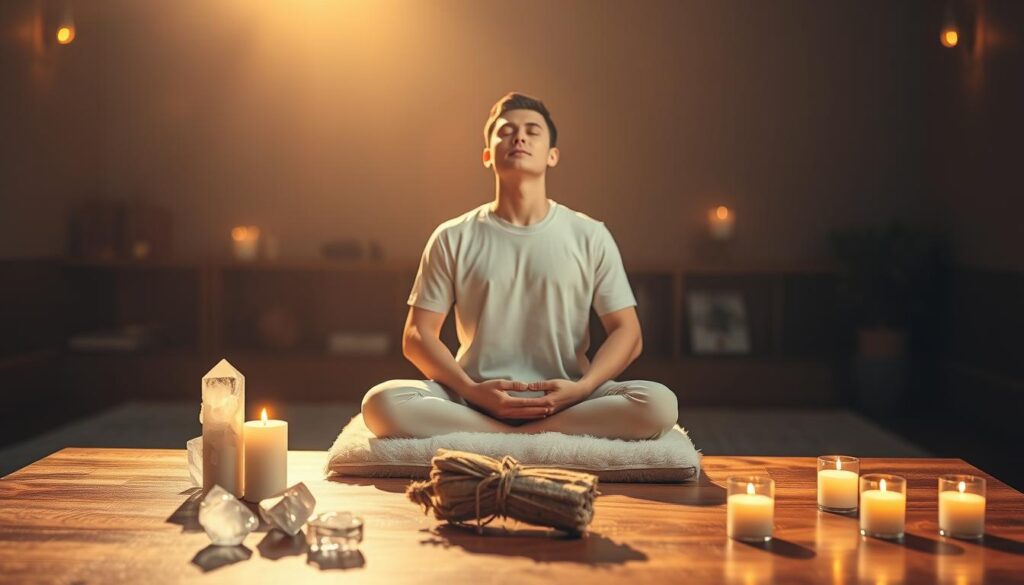
Most sessions begin with a brief consultation. Your practitioner will ask about your goals and any concerns. This helps tailor the treatment to your needs. The room is typically set up with a massage table, soft lighting, and calming music to create a relaxing atmosphere.
You’ll remain fully clothed, though loose, comfortable attire is recommended. During the session, you may feel sensations like warmth, tingling, or a sense of deep relaxation. These are normal and indicate the techniques are working to balance your body’s energy.
Tips for Maximizing the Benefits of Energy Healing
To get the most out of your session, follow these guidelines:
- Hydrate: Drink plenty of water before and after to help flush out toxins.
- Journal: Track your progress and note any changes in how you feel.
- Rest: Allow time post-session to integrate the effects and relax.
Confidentiality is a priority, so feel free to share openly with your practitioner. Many find it helpful to watch Penn Medicine’s client preparation video for additional insights.
| Preparation Step | Benefit |
|---|---|
| Hydrate before and after | Supports detoxification |
| Wear loose clothing | Enhances comfort during the session |
| Journal your experience | Tracks progress and changes |
By following these tips, you’ll be well-prepared for your first session. Remember, 89% of participants report feeling relaxed after their initial treatment, according to a 2019 JCAM study. For more insights on becoming a skilled psychic healer, explore our detailed guide.
Energy Healing at Home: Self-Care Techniques
Bringing holistic practices into your daily routine can transform your well-being from the comfort of home. These simple yet effective techniques help balance your body’s natural rhythms, promoting harmony and vitality. Whether you’re new to these methods or looking to deepen your practice, there’s something for everyone.

Simple Practices for Daily Energy Balance
Start your day with a morning routine that sets a positive tone. Donna Eden’s Daily Energy Routine is a great way to activate your energy centers. This involves simple movements like tapping, stretching, and massaging specific points to enhance flow.
Another effective technique is the “Power Hand” Reiki self-treatment. Place your hands on different areas of your body, focusing on areas that feel tense or blocked. This method helps channel universal energy for self-healing.
For headaches, try acupressure on the LI4 point, located between your thumb and index finger. Apply gentle pressure for 1-2 minutes to relieve tension. These practices are easy to incorporate into your daily life.
Using Meditation and Visualization for Healing
Meditation is a powerful tool for calming the mind and restoring balance. UCLA Mindful offers free guided meditations that are perfect for beginners. Start with just 5 minutes a day and gradually increase the duration.
Visualization exercises can also enhance your practice. Try the 5-element breathing technique: imagine breathing in vibrant colors representing earth, water, fire, air, and space. This helps align your energy centers and promotes inner peace.
Grounding techniques are especially helpful for empaths. Stand barefoot on grass or visualize roots extending from your feet into the earth. This stabilizes your body’s energy and reduces stress.
- Use Donna Eden’s Daily Energy Routine to start your day.
- Practice the “Power Hand” Reiki self-treatment for relaxation.
- Relieve headaches with acupressure on the LI4 point.
- Explore UCLA Mindful’s free guided meditations.
- Try the 5-element breathing visualization for balance.
- Ground yourself by standing barefoot or visualizing roots.
These techniques are accessible and effective, making them ideal for home use. By incorporating them into your routine, you can enhance your well-being and maintain a balanced life.
The Future of Energy Healing
Innovations in holistic therapies are reshaping how we approach wellness and healing. As science and technology advance, these practices are entering a new era of possibilities. From virtual reality to AI-powered tools, the future is bright for those seeking balance and well-being.

Emerging Trends in Energy Healing
One exciting trend is the use of virtual reality (VR) for distance healing. VR platforms allow practitioners to connect with clients globally, creating immersive experiences that enhance relaxation and focus. This technique is particularly useful for those unable to attend in-person sessions.
Another development is AI-powered chakra assessment tools. These systems analyze data from biofeedback devices to provide personalized insights into energy imbalances. By combining ancient wisdom with modern technology, these tools offer a new way to approach holistic health.
Quantum entanglement theories are also gaining attention. Researchers are exploring how interconnected energy fields might influence healing processes. This groundbreaking research could revolutionize our understanding of biofields and their role in well-being.
The Role of Technology in Energy Healing
Wearable devices like Sensate, which use pulsed electromagnetic field (PEMF) therapy, are becoming popular for self-care. These gadgets deliver gentle vibrations to promote relaxation and balance, making holistic practice more accessible than ever.
MIT’s biofield imaging research is another milestone. Using biophoton cameras, scientists can now measure subtle energy fields, providing tangible evidence of their existence. This innovation bridges the gap between traditional healing and modern science.
NIH’s bioelectromagnetic therapy trials are also worth noting. These studies explore how electromagnetic fields can support healing, particularly for chronic conditions. As data accumulates, these therapies may become standard in integrative care.
Looking ahead, insurance coverage for holistic therapies is expected to expand. With growing research and public interest, these practices are poised to play a larger role in mainstream healthcare.
Conclusion
Holistic therapies offer a unique path to wellness, blending ancient traditions with modern insights. From pain management to spiritual growth, these practices provide a holistic approach to health. Consulting with healthcare providers ensures a safe and effective integration into your life.
Research continues to expand, with organizations like the NCCIH leading the way. Starting with their recommended practices can help you explore this field confidently. The mind-body-spirit connection remains at the core of these therapies, offering a balanced way to enhance well-being.
Professional associations like the IARP provide trusted resources for those interested in deepening their practice. Remember, your body has an innate capacity for self-healing. Embrace this journey with curiosity and openness, and discover the transformative power of holistic healing.
FAQ
How does energy healing work?
Energy healing focuses on balancing the body’s energy flow. Practitioners use techniques like Reiki or acupuncture to remove blockages and promote natural healing processes.
What are the benefits of energy healing?
Benefits include pain relief, reduced stress, improved mental health, and enhanced overall well-being. Many find it complements conventional treatments for better results.
Is energy healing scientifically proven?
While some studies show positive outcomes, scientific validation remains limited. Research continues to explore its effectiveness and mechanisms.
What types of energy healing techniques are available?
Popular methods include Reiki, acupuncture, Qigong, and reflexology. Each technique targets energy flow in unique ways to support health.
Can energy healing help with chronic pain?
Yes, many people report reduced pain levels after sessions. It’s often used alongside other therapies for managing chronic conditions.
How do I choose the right energy healing technique?
Consider your health goals and preferences. Consulting a qualified practitioner can help you decide which method suits you best.
What should I expect during my first session?
Sessions typically involve relaxation and gentle techniques. Practitioners may use hands-on or hands-off methods to balance your energy.
Can I practice energy healing at home?
Absolutely! Simple practices like meditation, visualization, and breathing exercises can help maintain energy balance daily.
How do I find a qualified energy healing practitioner?
Look for certified professionals with proper training. Reading reviews and asking for recommendations can also guide your choice.
Is energy healing safe for everyone?
Generally, it’s safe, but consult your healthcare provider if you have specific health concerns. It’s best used as a complementary therapy.