
Curiosity about the year ahead often meets old prophecies. A total solar eclipse crossing parts of Europe in August has rekindled interest today. Fans link sky language—dark suns, celestial fire, and shifting stars—to current headlines.
But the texts are murky by design. The surviving quatrains were written in Middle French and vary by manuscript. Across 946 verses, readers and scholars disagree on specific events and dates.
This section sets clear facts. We explain why eclipse timing sparks speculation, why prophecies gain traction during anxious times, and how culture and people reuse cosmic imagery to make sense of events and climate worries.
Expect a balanced view: a brief summary of the eclipse-driven angle, the limits of dated claims, and a roadmap to deeper analysis in the sections ahead.
Key Takeaways
- August’s total eclipse has prompted renewed interest in old prophecies.
- Surviving quatrains contain no explicit dated timelines.
- Manuscript variations make firm attributions difficult.
- People often read verses into modern events during tense moments.
- This piece separates verifiable facts from online speculation.
Setting the Stage: Why 2026 Is Trending Around Nostradamus Right Now
Interest is rising as a rare European eclipse gives old verses a fresh stage. Today, that sky event acts as a clear hook for readers hunting links between celestial imagery and modern headlines.
The countdown to the eclipse intersects a year marked by geopolitical tensions, climate worry, and cultural unease. In this mood, broad, dramatic language like dark moons or “celestial fire” feels timely and sparks renewed guesses about future predictions and events.
From eclipses to anxiety: the future-focused mood of today
Scholars remind readers that the surviving texts are undated and written in Middle French. That makes reading any single line as a timeline risky.
The “timeless” quatrains problem: no dates, many interpretations
The true challenge is structural: undated quatrains with multiple manuscript variants let interpreters stretch meaning. Confirmation bias fills gaps, so one reader sees a warning of conflict while another sees social change.
For a broader catalog of year-by-year commentary, see a detailed list of predictions — year-by-year predictions.
What Does Nostradamus Predict for 2026?
Modern readers tend to fuse vivid quatrains with today’s headlines. A recurring line—”Seven months great war, people dead through evil; Rouen, Evreux the King will not fail”—often reappears when Europe faces tensions. Yet the verse names 16th-century French locales and offers no calendar date.
Sky imagery fuels another layer of guessing. The August total solar eclipse inspires connections between darkened suns, stars, and “celestial fire” and the coming year. Those themes, however, are common in Renaissance astrology and do not assign a date in the text.
The numerology angle cherry-picks I:26 and II:26. Fans map bees to political symbols and read Ticino’s violent image as a signal of blood or upheaval. These readings apply modern meaning to lines that lack temporal anchors.
The stretch: war, AI, and cosmic fireballs
Claims about wider conflict, even a world war, often layer onto these verses. Others add scenarios of runaway AI or “cosmic fireballs” to fit current fears. Those additions reflect present anxieties more than original quatrain content.
- The seven months quatrain resurfaces with European strain but has no date.
- Eclipse imagery is evocative but not a timestamp in the manuscripts.
- Numerology picks I:26 and II:26 supply symbolism, not a timeline.
- Prophecy mash-ups often include Baba Vanga and other oracles.
Read the lines with restraint. The verses are vivid, yet they do not provide concrete predictions tied to a specific year. For broader, year-by-year notes, see a detailed review of recent commentary: year-by-year predictions.
How Social Media Turns Prophecy Into a Trend
Online platforms quickly turned a few vague lines into a viral narrative this October. Short videos and fast feeds let creators pair dramatic audio with cryptic verses. That mix makes ancient text feel immediate and clickable.
TikTok, Twitter, and YouTube supercharged the cycle. Snackable clips package lines as bold predictions that people can remix. Millions engaged in themes of world war, AI power, and a “cosmic fireball.”
TikTok, Twitter, YouTube: conspiracy culture meets entertainment
Entertainment framing turns ambiguity into urgency. Rapid edits give content an authoritative tone, even when the original text is vague.
The role of influencers and “Living Nostradamus” voices in 2025 virality
Figures like Athos Salomé amplified reach by tying bold claims to recent headlines. That blend of showmanship and timing drives shares and cements trends.
Ambiguity as engagement: why verses about stars, blood, and fire never die online
Ambiguity keeps content clickable. If a verse can hint at war, conflict, or fires, creators reuse it until a story fits. Viral posts often mix in Baba Vanga references to widen appeal.
“Vague language is the perfect raw material for viral storytelling; it adapts to whatever the news cycle needs.”
| Platform | Typical Format | Viral Hook |
|---|---|---|
| TikTok | Short edits, overlays, trending sounds | Snackable predictions that invite duets |
| Threads, clips, viral screenshots | Rapid spread through replies and retweets | |
| YouTube | Explainers, countdowns, creator commentary | Longer narratives that polish claims |
Takeaway: social media molds culture around dramatic predictions, and the sheer reach shapes public perception. For context on historical lines and deeper analysis, see a focused review at yearly commentary.
What the Facts and Scholarship Actually Say
Scholars stress that the surviving verse collections were written in a style meant to be obscure, not to issue clear forecasts. Professional works note the texts mix Middle French and occasional Latin and favor elliptical phrasing.
Middle French, murky manuscripts, and retrofitting yesterday’s headlines
The manuscript record is messy. Competing copies and shifting spellings produce multiple readings of a single quatrain.
This textual murkiness invites creative translation and selection. That is a major reason prophecies often feel like fits after a big event.
On evidence: no scientific validation shows consistent, specific prediction success. Online metrics — 946 quatrains and about 70 claimed fulfillments — reflect believer counts rather than peer-reviewed proof.
- Scholarly consensus: texts are ambiguous and variant across editions.
- Retrofitting: lines are linked to events after they occur.
- Comparative caution: parallels with Baba Vanga highlight storytelling, not verified foresight.
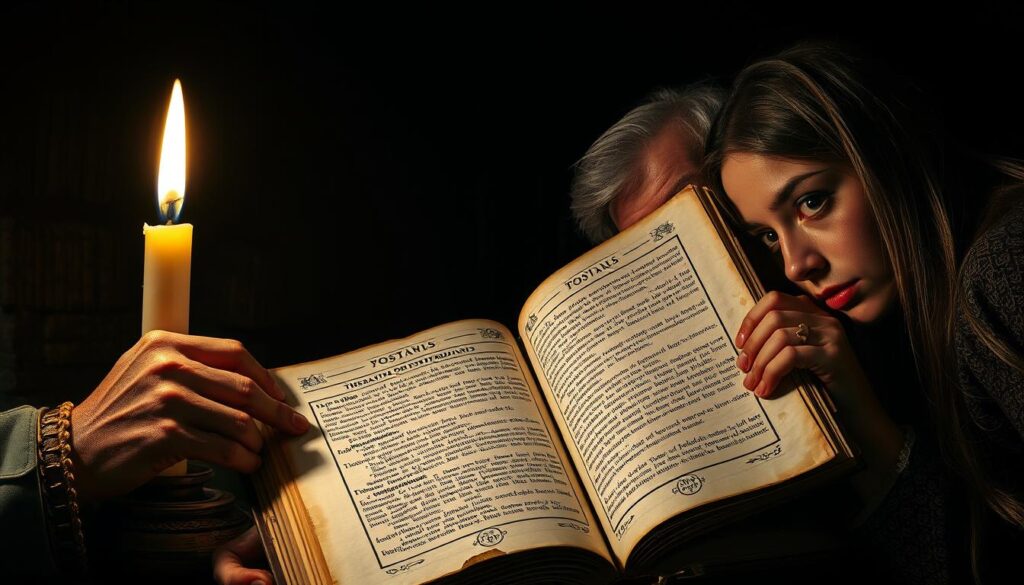
“Treat striking lines as literature and historical artifacts, not as a functioning prediction system with proven power.”
For broader commentary and annotated lists of claimed items, see a focused review at yearly commentary.
Conclusion
In sum, the evidence points toward metaphor rather than a strict timeline. The texts are undated and the August eclipse only sparked fresh readings, not a certified prediction about this year.
Prophecies travel well in feeds because they echo deep fears. Viral stories tie verses to war, AI, and dramatic fires, and creators often mix in a Baba Vanga commentary to widen the appeal.
The safest view: treat striking lines as poetic motifs, not plans for action. If you enjoy oracle lore, keep it as entertainment. When preparing for real risk—climate, conflict, or other threats—rely on verified data and expert advice.
FAQ
How reliable are Nostradamus quatrains when people link them to 2026 events?
The quatrains were written in 16th-century Middle French and use symbolic, poetic language. Scholars warn against reading modern dates into vague verses. Most connections to 2026 are retrospective fits rather than evidence-based forecasts.
Could a line about “seven months, great war” point to a Europe conflict in 2026?
That phrase appears in popular translations but lacks clear context or an original date. Historians emphasize many quatrains describe generalized turmoil and have been applied to a wide range of historical crises.
Are eclipse references and “celestial fire” tied to specific 2026 sky events?
Celestial imagery is common in prophetic verse. Astronomers can predict eclipses precisely, but matching poetic “dark suns” or “fire from stars” to a particular year relies on subjective interpretation, not scientific proof.
What about numerology links like “26” or references to Ticino and bees?
Numerology and place-name fishing are common in modern readings. The numbers I:26 and II:26 refer to quatrain numbering, not year markers. Claims that connect bees or Ticino to 2026 are speculative and often based on loose associations.
Do experts connect quatrains to emerging technologies like AI or space threats?
Contemporary commentators sometimes project modern fears onto the texts. Academic analysis treats such links skeptically; the original poems lack technical detail and were not written with today’s technologies in mind.
How much influence does social media have on prophecy stories for 2026?
Platforms like TikTok, YouTube, and X amplify sensational readings. Short clips and influencers favor dramatic hooks, which spreads viral yet unverified interpretations faster than careful scholarship can respond.
Are viral “Living Nostradamus” accounts credible sources?
Most are entertainers or content creators offering personal takes. Credible analysis comes from historians, trained linguists, and reputable publishers who cross-check manuscripts and translations.
Why do verses about stars, blood, and fire remain popular online?
Ambiguity fuels engagement. Vivid imagery invites many possible meanings, so creators and audiences can adapt verses to current events—whether political tensions, climate disasters, or cultural anxieties.
What do historians say about using quatrains to forecast modern geopolitics?
Historians caution that retrofitting events to old texts creates false certainty. Methodical study looks at language, historical context, and manuscript variations rather than headline-driven correlations.
Can prophetic texts offer any useful perspective on future risks?
Symbolic literature can reflect perennial human fears—war, famine, catastrophe—which can prompt useful discussion about preparedness and policy. Still, practical planning should rely on data, intelligence, and expert risk assessment.
Where can readers find trustworthy analysis on these quatrains and 2026 claims?
Look for work from university historians, scholarly translations with annotations, and reporting from established outlets like The New York Times, BBC, or academic presses. Peer-reviewed studies offer the most reliable context.
How should someone respond to alarming social posts tying prophecy to 2026 conflicts?
Stay skeptical, verify claims against primary sources or expert commentary, and avoid sharing sensational content without context. For peace of mind, follow reputable news and civic preparedness guidance instead of viral prophecy threads.