
This guide explains meaning for every card type so you can connect with a 78-card system that mirrors your life and offers practical guidance. Expect clear structure, simple symbolism, and tools to develop a steady practice.
The deck has 78 cards split into 22 Major Arcana and 56 Minor Arcana. The Major Arcana map a transformational journey from 0 to 21. The Minor Arcana contains four suits—Cups, Wands, Swords, Pentacles—that reflect daily choices and routines.
Modern readers use this system as a reflective tool. Imagery and symbols invite your mind to notice patterns and offer grounded guidance, not fixed fate. Layered meanings change with spread position and surrounding cards.
Use this article as a friendly guide to build confidence, ask better questions, and turn insight into practical action. For an example of focused study, see a practical walkthrough at what does each tarot card mean.
Key Takeaways
- The deck combines Major and Minor structures to reflect major lessons and daily life.
- Symbols invite inner reflection and help notice recurring patterns.
- Meaning is layered; context and position shape interpretation.
- Use readings as guidance to explore options, not fixed destiny.
- Regular practice deepens connection and clarity over time.
Tarot Basics: The Deck, Arcana, and How Tarot Works Today
A standard deck blends a long arc of life lessons with hands-on suits for daily choices. Think of the Major Arcana as big-picture chapters and the Minor Arcana as snapshots that color your day.
Historically, the system grew from 15th-century Italy’s Tarocchi and evolved into a consistent order. The full deck counts 78 cards: 22 major arcana numbered 0–21 and 56 minor arcana organized into four suits.
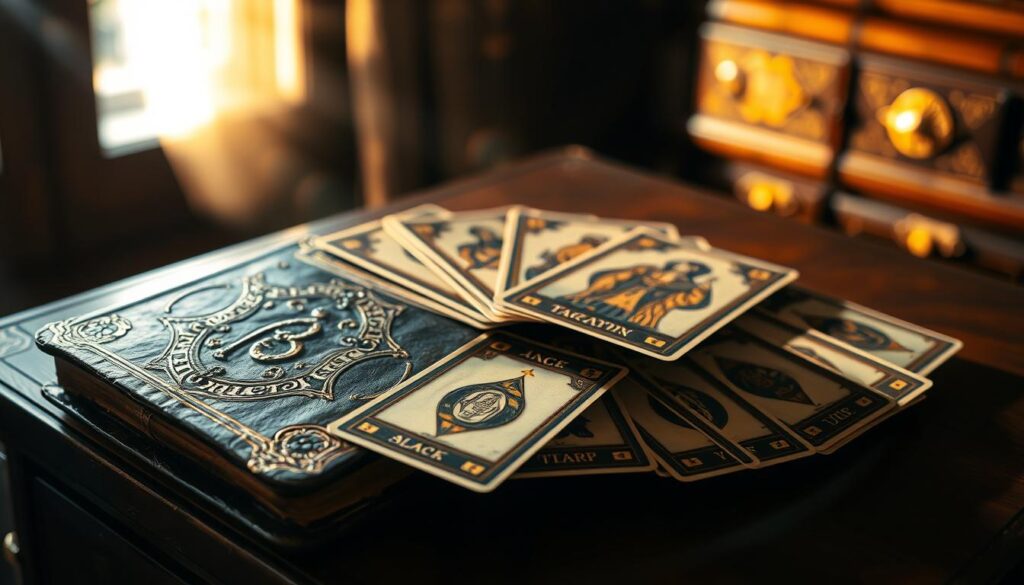
Major vs. Minor Arcana: 22 life lessons and 56 daily influences
The major arcana outlines a journey of growth and transformation. The minor arcana break down into Wands (Fire), Cups (Water), Swords (Air), and Pentacles (Earth).
Order matters: Aces through Tens plus four court roles create a built‑in storyline. That structure helps you translate imagery into practical meaning during readings.
Tarot vs. oracle cards: Structure, suits, and flexibility
Unlike oracle decks, which vary in size and theme, this deck follows a fixed framework. That repeatable order makes it easier to study and learn read over time.
“Use the system as a reflective guide rather than a fixed map of fate.”
- Study one suit at a time and journal quick impressions.
- Compare your notes to traditional meaning to track growth.
- Use focused questions in readings to address practical issues.
For a focused study example, explore a practical walkthrough at Five of Swords deep dive.
The Major Arcana: The Fool’s Journey from Innocence to Completion
The Major Arcana trace a single, symbolic journey from a naive beginning to completed wisdom.

The narrative arc: From The Fool to The World
Follow the sequence to see how themes stack into a life story. The Fool begins with openness and risk. The World closes with integration and harmony.
Key archetypes and meanings: The Fool, The Magician, The High Priestess
The Fool stands for new starts and bold optimism; reversed it warns of recklessness. The Magician shows focused power and skill; reversed it can signal trickery. The High Priestess invites inner listening; reversed she points to blocked intuition.
Turning points on the path: Strength, The Hermit, Wheel of Fortune, Justice
Turning cards shift tone and demand choices. Strength asks for courage and compassion; the Hermit seeks quiet guidance. The Wheel of Fortune marks cycles and change, while Justice returns truth and cause‑and‑effect.
Transformation and awakening; Illumination and fulfillment
Mid‑arc cards push deep change. Death brings endings that free new life. Temperance restores balance. The Devil highlights attachments to release, and The Tower breaks false structure.
Later cards offer light. The Star renews hope, the Moon tests discernment, and the Sun delivers clarity. Judgement calls for awakening. The World completes the sequence with a sense of wholeness.
| Card | Upright | Reversed |
|---|---|---|
| The Fool | innocence / new beginnings | recklessness / folly |
| Strength | inner strength / compassion | self‑doubt / weakness |
| Wheel of Fortune | change / fate | clinging to control |
| Justice | clarity / fairness | unfairness / imbalance |
| The World | completion / harmony | no closure / stagnation |
Use upright and reversed meaning to add nuance. Look for whether energy flows or is blocked, and shift interpretation accordingly. For a focused suit study, try a practical walkthrough on Seven of Pentacles for rhythm and practice: study page.
The Minor Arcana: Suits, Elements, and Everyday Stories
The Minor Arcana breaks everyday moments into elemental snapshots that show how energy flows in a day. Read these arcana cards as a set of lenses that color routine choices and small turning points.
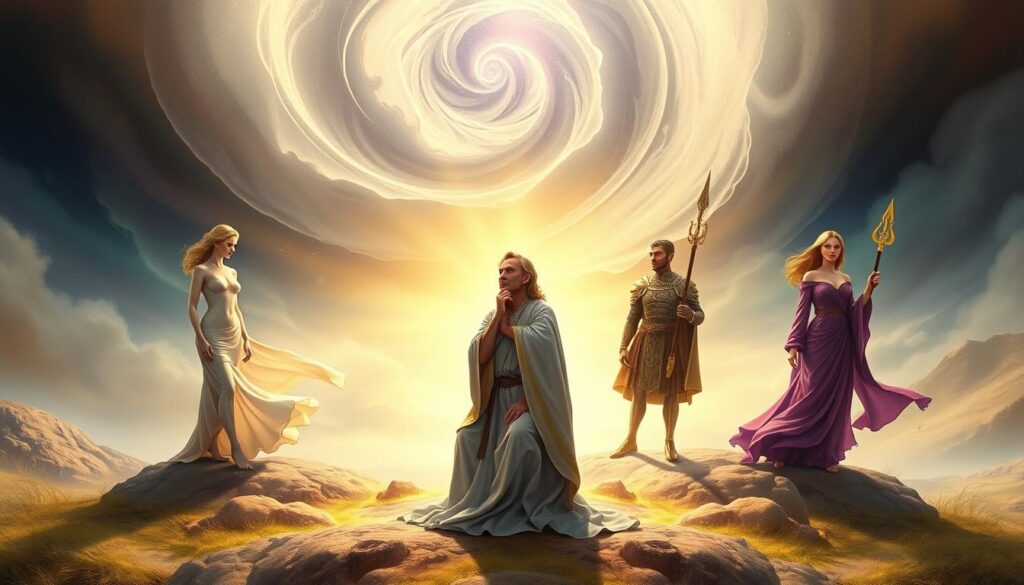
Wands (Fire)
Wands signal passion, willpower, and the push to begin. They point to creative spark, momentum, and raw ambition.
Watch the shadow: impulsivity or scattered effort can undercut progress.
Cups (Water)
Cups reflect emotions and relationships, bringing intuition and empathy into focus. They show where bonds deepen or where feelings overflow.
Note: fantasy or emotional overload can blur clear choices.
Swords (Air)
Swords center on ideas, truth, and communication. They reveal conflict patterns and the sharp edge of honest speech.
Balance: clarity often comes with tough conversations and a test of power dynamics.
Pentacles (Earth)
Pentacles cover material life—career, money, health, and long-term stability. These suit scenes map practical plans and resources.
Shadow: over-attachment to gain can shift into greed or fear of loss.
Court Cards and Numbers
Court figures act as personalities in a spread: Page as student or messenger, Knight as mover, Queen as integrator, King as leader. Use them to spot roles in a situation.
The numeric run from Ace to Ten traces a mini-journey: seed, effort, crisis, and completion. The same number will play very differently in each suit, so pair number and suit to refine meaning.
- Read the minor arcana as day-by-day storytelling to catch small shifts.
- Match suit qualities to the question to find practical steps—who initiates, who feels, who decides, who sustains.
What does each tarot card mean
Begin an interpretation by matching the major archetype or suit to your specific question so the reading stays focused. This simple step prevents forcing an unrelated message and helps translate symbol into action.
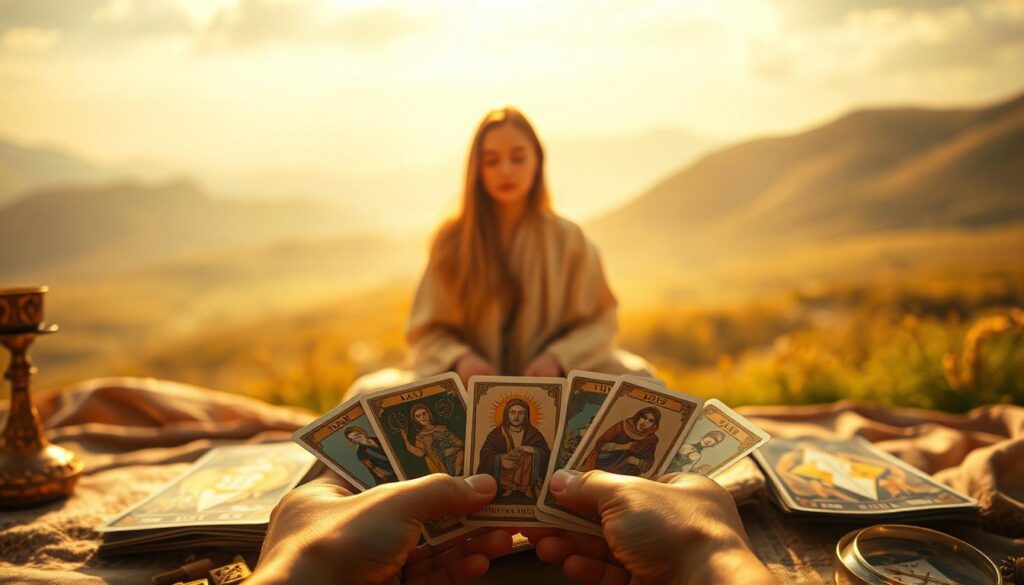
Upright vs. reversed: Interpreting polarity and nuance
Read upright as full expression: upright energy often shows clear movement, a skill in play, or a visible outcome. For example, Strength upright points to steady courage and resilience.
Reversed signals blockage: reversed positions flag delays, internalized fear, or lessons still in progress. If Strength appears reversed, name one small habit to rebuild confidence.
Archetypal themes vs. day-to-day situations
Match archetype to context. The High Priestess leans toward intuition and inner listening; paired with Cups it can point to emotional signals that need attention. Justice raises questions of fairness and truth in decisions.
- Pair majors with minors: majors give theme; minors show arena (Wands = action, Pentacles = material, Swords = thought, Cups = feelings).
- Use the Wheel of Fortune to spot cycles—ask where change is likely and what to release.
- Finish each reading by naming one clear choice or next step to turn insight into guidance.
“Let truth be your compass: name one decision that moves insight into life.”
For an example of emotional context linked to a suit, see a close study at Six of Cups.
How to Read Tarot: Questions, Spreads, and Ethical Practice
Set a short intention before you shuffle; it focuses your mind and sharpens the connection to the deck.
Asking better questions: Intention, specificity, and free will
State the guidance you want and keep one specific question plus one open “way forward” prompt. This balance helps a reading show details and direction.
Foundational spreads: Past–Present–Future and the Celtic Cross
The Past‑Present‑Future three‑card spread maps momentum and prompts a clear choice to alter the path.
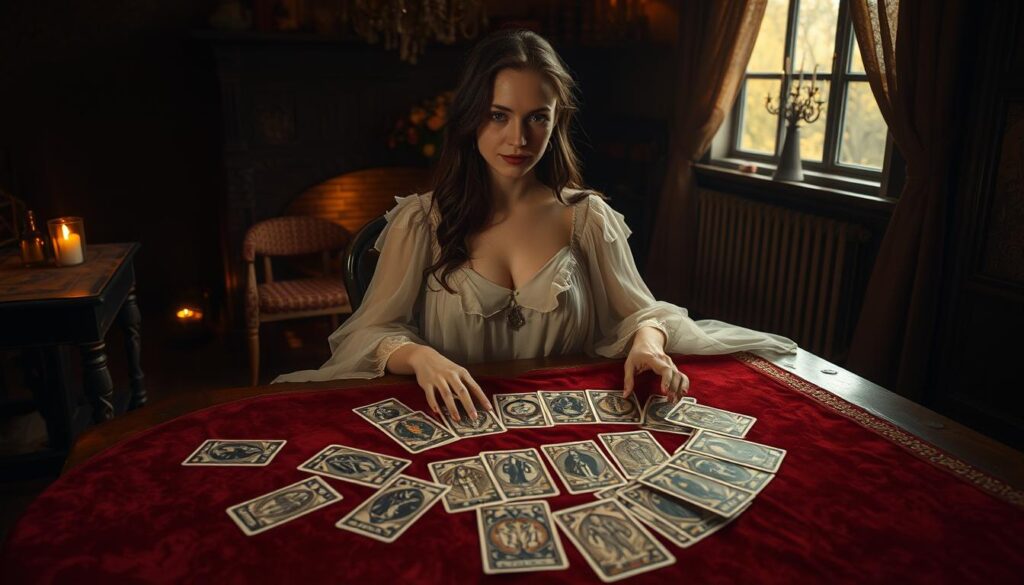
Master the Celtic Cross by learning the order and meaning of positions: focus, help/hindrance, subconscious (below), recent past (left), destiny (above), near future (right), the querent, outside influences, hopes, and final result.
Keeping your deck clear: Cleansing methods and accuracy
Cleanse regularly with smoke, clear quartz or selenite, or moonlight to remove lingering energy. Accuracy grows from a good reader‑querent connection; this guide supports skill, not fixed fortune.
“Close each reading with one action and one reflection to turn insight into movement.”
- Begin sessions by setting intention and naming the guidance you seek.
- Use the three‑card spread for quick momentum checks; use the Celtic Cross for depth.
- Respect consent, avoid health/legal predictions, and speak truth with compassion.
- Trust intuition, return to core meaning when connections blur, and let choice shape outcome.
For a focused study on emotional context, see a related Four of Cups study.
Applying Tarot Meanings to Life: Love, Career, and Personal Growth
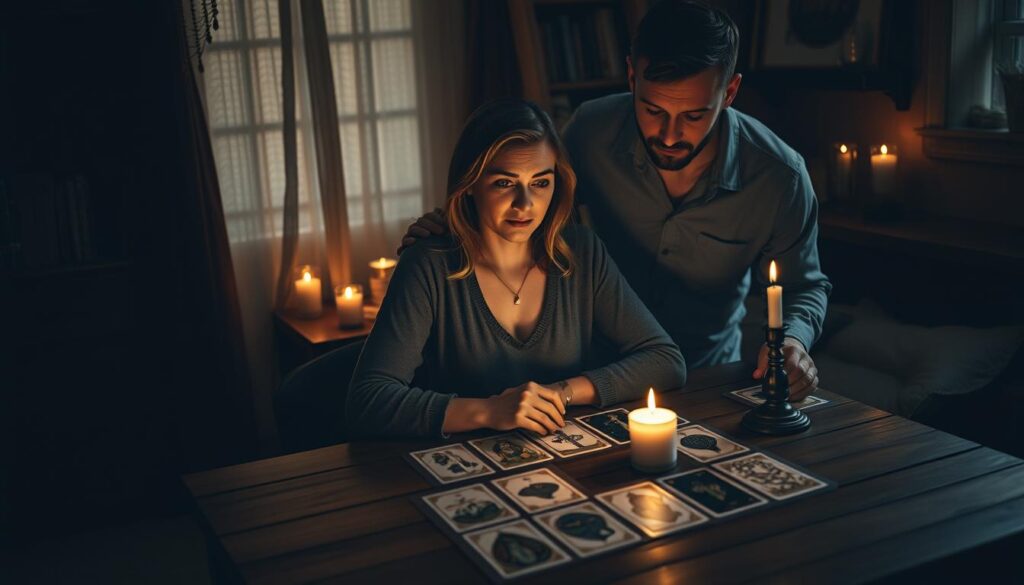
Translate card patterns into life prompts that guide decisions about love, work, and inner change. Use suits and majors to spot where energy asks for action or rest. This keeps reading practical and rooted in choices you can try this week.
Relationships and emotions: Cups, The Lovers, The Moon, The Sun
Cups often point to feelings and close bonds. When Cups dominate, name one emotion to acknowledge and one small step to share that feeling.
The Moon can flag uncertainty; it asks you to notice projection. The Sun clears fog and invites warmth and honest joy in relationships.
Career, money, and the material world: Pentacles, The Emperor, Justice
Pentacles mark skill, offers, and steady progress. Pair Pentacles with the Emperor to emphasize leadership, or with Justice when contracts and fairness are central.
Use this read to map one concrete goal for career stability and one habit that supports it.
Mindset, conflict, and truth: Swords, Strength, The Hanged Man
Swords reveal thought patterns and communication that underlie conflict. Repeated Swords can show a conversational loop that needs a reset.
Strength reminds you to act with steady courage. The Hanged Man offers a timeout to shift perspective before a big move.
“Turn insight into a single, doable step—then try it for one day.”
- In love, read Cups for tone; The Moon flags doubt, The Sun brings clarity.
- For work, let Pentacles map resources; lean on Emperor for boundary setting.
- When conflict appears, look to Swords for where language or thinking needs change.
Finish every spread by naming one next step. Small practice turns meaning into power and steady guidance for real life.
Conclusion
Combine archetypal vision and suit detail to make readings feel grounded and useful.
You now have a clear roadmap: Major Arcana milestones link with Minor Arcana scenes so a single card can point to a real next step.
Build fluency by revisiting core meanings and noting how the same suit shifts with position and question. Use the Court — a page especially — to turn insight into small action. Let wands start movement, cups honor emotions, swords sharpen thinking, and pentacles steady plans.
Keep simple habits: cleanse the deck, journal spreads, and reflect on outcomes. Trust structure and your intuition together. For a focused study on clarity and action, see this ace of swords guide: Ace of Swords study.
FAQ
How is a full tarot deck organized?
A standard deck has 78 cards split into two groups: 22 Major Arcana that map major life themes and 56 Minor Arcana that reflect daily influences. The Minor Arcana divides into four suits — Wands (fire, action), Cups (water, emotions), Swords (air, ideas), and Pentacles (earth, material life) — each with numbered cards and four court cards: Page, Knight, Queen, King.
What’s the difference between Major and Minor Arcana in a reading?
Major Arcana signals big lessons, turning points, or soul-level shifts. Minor Arcana shows practical details, timing, and everyday choices. Together they balance long-term themes with immediate steps and options.
How do upright and reversed positions change interpretation?
Upright images usually show active energy, clarity, or forward movement. Reversed placements can point to delays, internalized themes, blocked energy, or a need to reframe. Context in the spread and the reader’s question guides the nuance.
Can I use tarot for practical topics like career and money?
Yes. Pentacles and cards like The Emperor or Justice often highlight career, income, contracts, or workplace dynamics. Readings work best when you ask clear, actionable questions and consider follow-up spreads for planning.
How do I pick a spread for a reading?
Match spread complexity to your question. Use a single-card draw for daily guidance, Past-Present-Future for short-term clarity, and a Celtic Cross for layered issues that need context and timing.
What are common ways to cleanse and care for a deck?
Popular methods include smudging with sage, passing cards through incense smoke, leaving the deck under moonlight, or storing crystals like clear quartz nearby. Regular shuffles and speaking your intention also keep readings sharp.
How can I learn to read with confidence?
Study card meanings alongside personal journaling. Practice simple spreads daily, note patterns, and read for friends. Focus on storytelling: link cards into a narrative that answers the question rather than reciting definitions.
What role do intuition and ethics play in readings?
Intuition shapes phrasing and emphasis; it helps translate symbols into usable advice. Ethical practice means respecting boundaries, avoiding absolute predictions, and encouraging client agency rather than fear-driven outcomes.
Are tarot and oracle decks interchangeable?
They serve different purposes. Tarot uses a fixed structure that supports deep, layered readings. Oracle decks are freer in format and work well for single-theme guidance or daily prompts. Many readers use both depending on the session’s goals.
How do suits reflect life areas in a spread?
Wands point to motivation and projects, Cups to feelings and relationships, Swords to thoughts and conflict, and Pentacles to resources and health. Seeing multiple suits together offers a balanced view of how parts of life interact.
What are court cards and how should they be read?
Court cards often represent people, personality traits, or roles in a situation. Pages suggest new messages, Knights bring action, Queens show mature feeling or mastery, and Kings indicate leadership or authority. Consider age, behavior, and surrounding cards.
How do numbered cards (Ace through Ten) map to stages of a process?
Aces signal beginnings and potential, Twos show choices or balance, Threes reveal growth or collaboration, and this progresses through Tens, which often mark completion, culmination, or a cycle’s end. Use numbers to trace development in a reading.
Which Major Arcana show transformation and rebirth?
Cards like Death, The Tower, and Temperance point to endings, sudden change, and integration. These images often signal an important reset that clears space for new patterns and growth.
Can tarot help with relationships and emotional clarity?
Absolutely. Cups and Major Arcana such as The Lovers, The Moon, and The Sun illuminate connection dynamics, emotional needs, and potential outcomes. Tarot can help you explore choices, boundaries, and alignment in love.
How specific should my questions be when I read?
Aim for focused, open-ended questions that invite helpful guidance — for example, asking “What next step will support my career growth?” rather than vague or yes/no queries. Specificity improves relevance without stripping away free will.