

This guide flips fear into usable guidance. The death card often shows a skeletal rider on a white horse, with people of every class at its feet. That image highlights a universal ending that clears space for renewal.
Upright readings point to closing one chapter so a new path can begin. Reversed pulls warn of resisting needed change and getting stuck. Think of the card as a signal that a major phase is finishing and fresh options are arriving.
Practical steps will follow: symbolism, upright and reversed meanings, and real-life use across love, work, and money. You’ll learn to spot timing clues, spread positions, and related archetypes. For hands-on practice, try the exercises linked to focused study like an Eight of Pentacles insight.
Key Takeaways
- The death card marks endings that lead to renewal and change.
- Upright suggests releasing the old; reversed warns of stagnation.
- Symbolism stresses inevitability and cleansing transformation.
- Use the card for practical guidance across life areas.
- Approach readings with curiosity and simple rituals to let go.
What does Death card mean in tarot: the quick answer in the present day
Quick takeaway: When the death tarot card appears, it usually marks a clear turning point — one major phase is ending so a new chapter can begin. This nudge asks you to embrace change and move forward instead of fearing the image.

User intent and common misunderstandings
Most people search for straightforward guidance for love, career, or daily patterns. They want practical meaning, not doom. The biggest myth is literal fate; the card rarely predicts a physical event. It points to a turning point where release unlocks better options.
At-a-glance meaning: endings, transformation, and forward steps
Snapshot by area: in love it can signal evolving dynamics or closure; in career it encourages decisive moves; with money it asks you to learn and rebuild smarter.
- Timing cue: you already feel a shift — this confirms it’s time to let go.
- Resistance change: staying stuck repeats patterns; gentle action breaks the loop.
- Mantra: “Close the door that’s finished so the new one can open.”
For practice and related study, see a linked reading like Three of Swords overview to compare endings and healing.
Death tarot card description and symbolism in your tarot deck
Symbols on this card aren’t meant to frighten — they teach. The central image shows a skeletal rider in shining armor atop a striking white horse. Together they convey inevitability and a cleansing passage through endings.

The white horse and armor: purity, inevitability, and power
The white horse stands for purity and clarity. Its presence suggests that endings can purify and reveal what matters next.
The rider’s armor signals unstoppable power — a force that moves cycles forward, not a threat to personal worth.
The black flag and white motif: renewal after endings
The black flag with a white motif reads as a promise: after an ending, a fresh pattern appears. That stark contrast of black and white highlights the line between what’s finished and what’s ready to begin.
Figures before the rider: all classes, all phases, one transition
Look at the figures on the ground — from king to commoner. They remind us that change touches every walk of life.
“See the scene as structured transformation rather than random chaos.”
- Search for armor, horse, and flag across different printings; those elements anchor interpretation.
- Reading tip: note which detail draws your eye first — it often reveals where transformation will land.
- Journaling prompt: name one cycle that feels finished and one lesson you can carry forward.
Upright Death meaning: embracing change and closing a major phase
An upright appearance signals a clear turning point where one life phase closes to let fresh options arrive.
The core theme is transformation: release old patterns so a new door can open. Name one ending, then pick one small step to move forward this week.
Transformation, letting go, and the door that opens
This card asks you to clear what no longer serves. Letting go creates practical space for beginnings.
Love and relationships
In partnerships, it can mean evolving or ending a stagnant bond. Speak honestly, then either grow together or part respectfully to welcome healthier relationships.
Singles can shed limiting beliefs and set firmer boundaries to attract better matches.
Career and work
If you’ve been eyeing a change, act now: upskill, update a resume, or apply. Staying for comfort costs growth more than a short transition.
Finances and resources
Loss may feel harsh but can reveal new values. Rebuild with a lean budget, automate savings, and reprioritize spending to match who you are becoming.
- Practical step: name the ending and take one concrete action.
- Timing cue: recent events that felt like a close are confirmation to proceed.
- Mindset: endings are part of the rhythm that creates new beginnings.
| Area | Upright meaning | Action |
|---|---|---|
| Love | Outgrown dynamics; honest evolution or respectful end | Communicate needs; set boundaries |
| Career | Phase closure; chance to pursue growth | Upskill; update resume; apply |
| Finances | Loss as feedback; re-evaluate values | Create lean budget; automate savings |
For practical exercises and related readings, see a focused study like the Seven of Pentacles insight, which pairs well with themes of reassessment and patient rebuilding.
Death reversed: resistance to change, repeated patterns, and stagnancy
When the image flips, it often signals a stall where fear keeps progress paused. This reversed reading points to resistance that traps you in the same loops. Energy leaks into avoidance and replayed habits instead of forward movement.
Core themes: fear of change, limbo, and how to release
Key signal: resistance creates a holding pattern. Name one belief that repeats and test it with a tiny experiment this week.
Love reversed: clinging to stagnant dynamics
Relationships stall when comfort outranks growth. Couples can try therapy or new agreements to shift patterns.
Singles should spot repeating choices and set firm boundaries to invite healthier matches.
Career reversed: unhealthy environments and next steps
At work, stagnancy shows as chronic disengagement or toxic routines. Map an exit plan with dates and milestones.
Call out self-sabotage—like defensiveness or impostor feelings—and pair them with skill-building and honest feedback loops.
Finances reversed: adapting versus repeating habits
Denial of loss keeps you stuck. Confront the numbers, trim nonessentials, and automate one saving habit.
Small-steps framework: pick one habit to stop, one belief to rewrite, and one supportive action to anchor the change. Check progress after two weeks and celebrate any forward motion.
| Area | Reversed signal | Practical next step |
|---|---|---|
| Love | Clinging to comfort; repeating patterns | Set a boundary or try joint counseling |
| Career | No growth; toxic routine | Build an exit plan with milestones |
| Finances | Avoiding loss; repeating spending | Audit expenses; automate savings |
For contrasting readings that highlight conflict and needed clarity, see a focused insight like Five of Swords to compare patterns and strategy.
How to read the Death card in context and move forward
Use the card as a map: past endings often point to present shifts and near-future releases. Place this tarot card in a spread and read its position first. That gives immediate cues about timing and tone.
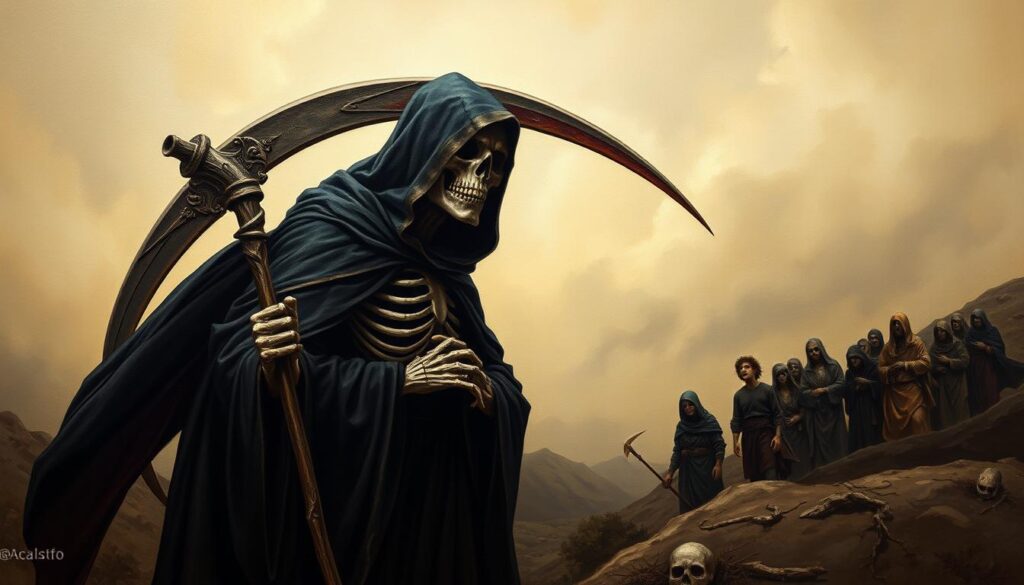
Reading patterns: past, present, future; related cards; timing
In the past position, this sign points to a previous ending that shaped your current story. Note lessons that still echo.
In the present, you are mid-transition. Look for small losses that free space for new choices.
In the future, prepare to let go soon; set dates and milestones to anchor the change.
Paired with The Hanged Man, expect surrender before movement. With The Tower, brace for swift clearing that opens room fast.
Practical steps: rituals, mindset shifts, and action plans
Simple steps: name one thing you’re releasing, perform a release ritual (journaling or declutter), and plan one forward action this week.
- Pattern-spotting: log recurring cards and themes to find stuck loops.
- Career & resources: update your resume, budget for transition, and list skills to build.
- Two-column exercise: “What I’m releasing” vs. “What I’m welcoming.”
“Shift your aim from control to collaboration with change; influence the next step, then measure progress.”
| Spread Position | Signal | Clear next action |
|---|---|---|
| Past | An ending that shaped today | Note the lesson and stop repeating it |
| Present | Active transition | Declutter one area and set a 2-week check-in |
| Future | Upcoming release | Schedule dates and create a safety budget |
Reading tip: draw two clarifiers: one for “what to let go” and one for “what opens next.” Tie guidance to dates, check-ins, and measurable commitments so change becomes manageable and real.
Across decks and common misconceptions about the Death card
Across many decks, the imagery keeps returning to a finishing moment that invites renewal rather than doom. The skeletal rider, white horse, and black flag repeat because they point to a clear transition. Focus first on that theme, then refine for the question at hand.
Beyond literal endings: symbolism and steady themes
The same motifs appear across a tarot deck: armor for inevitability, a horse for purity, and a black flag for renewal. These elements show how power works here — closing what’s complete so new energy flows.
Beliefs shape readings. If you expect doom, you’ll read one. Shift assumptions and the scene reads as constructive transformation instead of catastrophe.
“Treat the image as a cue to shift, not a verdict.”
- Note repeated symbols across a deck to build a stable interpretation.
- Death reversed often signals resistance change — look for where patterns keep you stuck.
- In love, this card can mean evolving bonds or a compassionate ending that frees healthier connection.
For contrast and practice, try a related reading like a Ten of Swords overview to compare endings and renewal.
Conclusion
This final note ties the imagery and practical steps into clear guidance for moving forward.
Think of the death card as a prompt to embrace change and choose endings that free room for new beginnings. The upright signal invites release; the reversed warns against holding on.
Apply this in love, work, and money: evolve or let go in relationships, act on career shifts, and rebuild finances with steady steps. Name one ending, take one forward action, and schedule a short check-in.
Watch timing cues and keep a tiny list of signals that a chapter is done. For a calming follow-up reading, try the Four of Swords insight to restore clarity.
Trust the process: each ending seeds the future you can shape with clear, value-aligned choices.
FAQ
What does the Death card represent in modern tarot readings?
The Death card signals major transition rather than literal loss. It points to endings that clear space for new beginnings, transformation, and a shift in identity, beliefs, or circumstances.
Why is this card often misunderstood by readers?
Many associate the image with physical death because of its iconography. In practice, the card speaks to change and renewal. Misunderstanding comes from focusing on fear instead of the card’s message about necessary endings and growth.
What are the at-a-glance themes when this card appears?
Key themes include endings, transformation, release, and the push to move forward. It often marks a major phase closing and the need to embrace change.
What do the white horse and armor symbolize on the card?
The white horse suggests purity and inevitability, while the rider’s armor represents power and protection through change. Together they show that transformation is both natural and unstoppable.
What does the black flag and white motif mean?
The black flag typically carries a white emblem, symbolizing renewal after endings. The contrast highlights death as a stage that leads to cleansing and rebirth rather than finality.
Who are the figures often shown before the rider and what do they indicate?
Figures from different classes or stages of life represent that change touches everyone. The scene emphasizes universal transition: no one is exempt from endings that reshape life.
What does the upright position convey about embracing change?
Upright, the card encourages acceptance, letting go of outdated patterns, and stepping into a new chapter. It invites active participation in transformation and closing a major phase.
How does this card relate to love and relationships when upright?
In relationships, it can mean a necessary ending, a change of dynamics, or profound rebirth in how partners relate. It asks whether to heal, transform, or release what’s no longer working.
What does the card suggest for career and work in upright readings?
For career, it points to transitions like a job change, restructuring, or the need to pursue different goals. It’s a nudge to act on shifts that align with long-term growth.
How should I read the card for finances and resources?
Financially, the card can indicate loss, restructuring, or a re-evaluation of values. Short-term setbacks may free resources or perspective for better stability later.
What does the reversed position typically indicate?
Reversed, the card often shows resistance to change, stagnation, or repeating patterns. It warns that avoiding endings stalls growth and prolongs discomfort.
How does the reversed card appear in love readings?
When reversed, it can mean clinging to unhealthy dynamics or avoiding necessary conversations. It may also signal that revival is possible if both parties commit to real change.
What does the reversed position mean for work and career?
In career contexts, it points to stuck situations—unchanging routines, toxic environments, or missed opportunities. The advice is to identify small steps toward release or upskilling.
How should I interpret the card for finances when reversed?
Financially reversed suggests repeating harmful habits or refusing to adapt after a loss. It recommends reassessing spending, building resilience, and seeking practical adjustments.
How do I read the Death card within a spread?
Consider placement and surrounding cards. In past-present-future positions, it can mark where an ending began, where change is active, or what’s to come. Related cards clarify timing and tone.
What practical steps help move forward after drawing this card?
Useful steps include rituals to let go, journaling to identify patterns, setting small actionable goals, and reframing loss as space for growth. Combining mindset shifts with concrete plans eases transition.
How do interpretations vary across different tarot decks?
Imagery and emphasis shift by deck. Some decks highlight transformation, others focus on mourning or renewal. Read card art and guidebook notes to align symbolism with your intuition.
Is the card ever a literal sign of death?
Rarely. Most readers treat it metaphorically: ending, transition, or transformation. If literal death appears likely, consult other cards and use sensitivity in interpretation.
Can this card be a positive sign for future prospects?
Yes. While it marks endings, it often opens the door to renewal, fresh paths, and clearer priorities. Embracing the process tends to yield better outcomes over time.