

Meet a Major Arcana archetype that holds hard truths about habit, desire, and choice. This introduction sets up a clear guide to a powerful card and how it shows up in everyday life.
On the Rider‑Waite‑Smith deck, Baphomet sits with horns, bat wings, and an inverted pentagram on the forehead. Below stand a man woman in loose chains; one tail bears flame, the other grapes. These symbols point to power‑seeking and earthly pleasure, and to patterns that feel binding.
This guide will unpack core meanings, upright and reversed reads, and how the image maps to love, career, finances, and addiction. You’ll learn to spot illusion versus agency and to turn insight into action.
We’ll also compare how different deck versions treat this card and offer practical tips for a clear, compassionate reading. For a related study in practice and discipline, see Eight of Pentacles.
Key Takeaways
- Shadow meets choice: this Major Arcana card shows limits and offers ways to reclaim power.
- Iconic imagery: horns, wings, inverted pentagram, and the chained pair reveal urge and entrapment.
- Upright vs reversed: oppression and addiction can shift to release and independence.
- Practical use: apply readings to career, relationships, and self‑work for real change.
- Deck differences: modern renditions can alter tone, but core meanings persist.
The Devil Tarot Card Meaning and Symbolism in the Major Arcana
A goat‑human composite commands the scene, its wings and symbols pointing to base appetite and control.

Baphomet imagery blends goat and man features. Horns appear small on the bound pair, showing slow assimilation into habit. Bat wings and an inverted pentagram nudge attention toward shadow and material fixation rather than spirit.
The chained man and woman wear loose neck collars. Chains look binding yet can be slipped off. This visual paradox suggests perceived captivity masks available agency and choice.
Tails of flame and grapes signal different pulls. A flame tail warns of raw ambition that can scorch. A grapes tail points to sensual pleasure that can rot into excess.
Shadow self and power offer material for integration. By naming cravings and habits, readers convert illusion of powerlessness into active change.
| Symbol | Visual | Meaning |
|---|---|---|
| Horns | Small on figures | Gradual normalization of vice |
| Inverted pentagram | Forehead emblem | Material focus over spirit |
| Loose chains | Neck collars | Choice exists despite constraint |
| Tails | Flame / grapes | Power and desires; risk of excess |
Beyond the Scare Factor: Misconceptions About the Devil Card
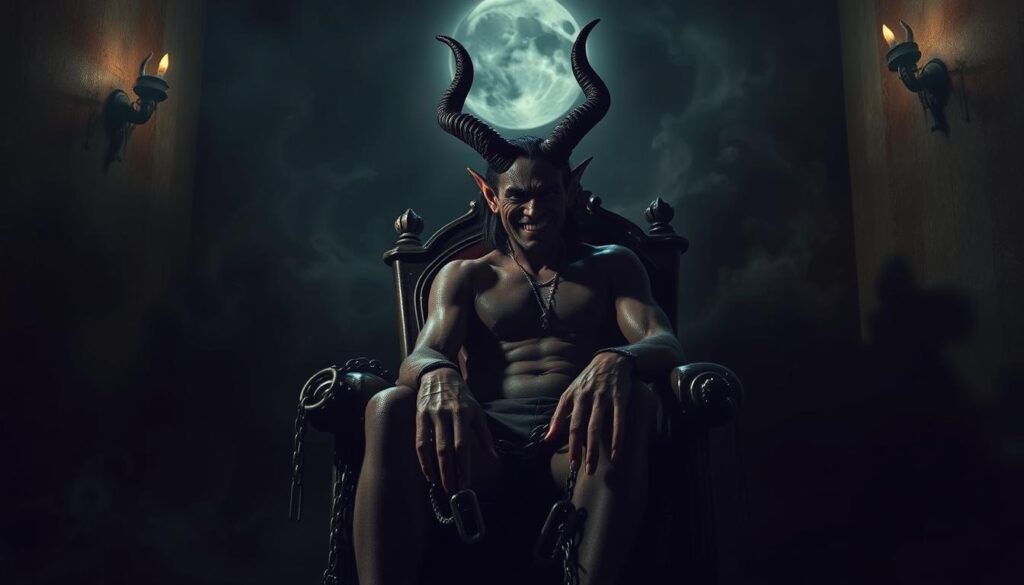
Shock and drama often shape popular takes. That leaves many readers convinced this image signals only doom. In contrast, a careful reading frames it as a prompt to face habits and hidden patterns.
From “evil omen” to mirror of habits, vices, and patterns
Reality over myth: rather than a curse, this card reflects impulses, shame, and choices. The loose chains in classic art show that bondage can feel total while escape remains possible.
This card asks for honest inventory work. Name the urges, notice how others and old stories shape behavior, and pick small steps that loosen the grip.
Pop culture versus practice: what this card really asks of you
Media loves sensational reads. Professional readers favor awareness and accountability. A spread that includes this card usually invites boundary setting and practical change, not fatalism.
- Pause: discomfort points to where growth is possible.
- Choice: chains bind are shown as loose, not sealed.
- Balance: desire can be healthy when consent and limits are clear.
| Common Myth | Practical Meaning | Action |
|---|---|---|
| Pure omen of evil | Mirror of habits and power dynamics | Do an honest habit check and set one boundary |
| No escape | Perceived bondage; agency remains | Identify one chain to loosen this week |
| Shame only | Calls for curiosity and repair | Replace judgment with a practical plan |
For related readings on conflict and strategy, consider this Five of Swords resource to contrast themes of power and choice.
Upright Devil Meanings: Desire, Dependency, and the Path to Choice
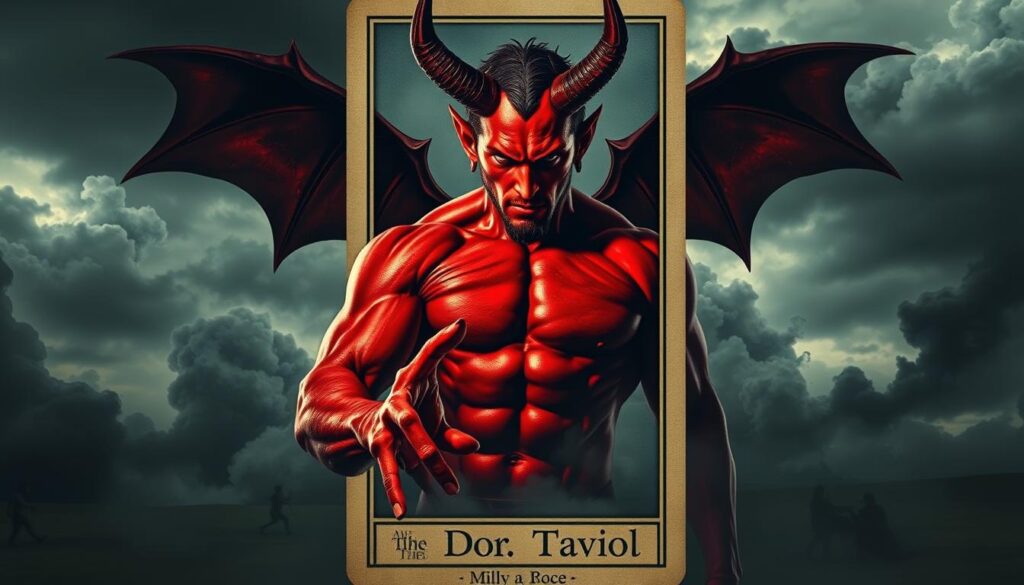
Seen upright, this arc points to strong pulls toward excess and short‑term fixes. That image often flags entrapment, emptiness, and heavy material focus. It asks for clear moves that return agency.
Core themes
Addiction, obsession, and excess are central. Short relief often wins over long health. Small, steady choices rebuild control and undo repeated harm.
Love and relationship
In love, lust can blur limits. Co‑dependency and confusion about consent may appear. Use direct talk, set boundaries, and check assumptions with others.
Career and work
At work, people may feel trapped or blame others. This card urges accountability: list options, own one step, and change a habit that keeps you stuck.
Money and habits
Compulsive spending and gambling show up in finances. Create friction—cool‑off windows or cash rules—and pay down one small debt to build momentum.
| Issue | Sign | Action |
|---|---|---|
| Addiction / obsession | Repeating urges | Journaling + accountability buddy |
| Relationship blur | Boundary loss | Clear consent talk |
| Work stuck | Self‑sabotage | Own one task this week |
| Money habit | Compulsive spend | Cooling off period |
Note: chains in imagery remind readers patterns may feel sealed, yet loosening is possible with support and simple routines. For longer practice on patience and craft, see seven of pentacles reading.
Reversed Devil Meanings: Release, Freedom, and Reclaiming Power
When this card appears reversed, it can mark the moment a person starts to name patterns and choose change. This shift brings clearer sight of limiting beliefs and unhealthy attachments.
Release often begins small: naming one habit, telling a trusted friend, or setting a tiny boundary. Each step chips at old loops and builds a sense of control.

Letting go of limiting beliefs and unhealthy attachments
Frame it as a turning point: trade secrecy and shame for clarity and healthier supports. You may also explore shadow material more consciously now; therapy can help if feelings feel raw.
Love and relationships
Ending co-dependency often restores self and steadies life. Reclaim interests, rebuild friendships, and set sacred boundaries that protect identity and ease anxiety.
Career and work
Work moves toward empowerment: exit toxic roles, renegotiate duties, or document boundaries. Small agreements and direct talks repair strained ties and renew agency.
Finances
Break bad money habits with practical tools: automate savings, add a pause before purchases, and celebrate milestones that prove you can break free from old loops.
- Normalize difficulty: change takes time; name a pattern and take one step.
- Practice detachment: care without clinging reduces reactivity and expands freedom.
- Compassion matters: gentle self-talk keeps you returning to your why.
| Area | Reversed Sign | Action | Outcome |
|---|---|---|---|
| Self / beliefs | Awareness of limiting beliefs | Journal + therapy or peer support | Looser grip; renewed choice |
| Love / relationship | Ending co-dependency | Set boundaries; rebuild routines | More control and identity |
| Career / work | Leaving or fixing toxic roles | Negotiate role; document agreements | Healthier environment; agency |
| Money | Breaking spending loops | Automate savings; create pause rules | Growing independence |
For a related practice on focus and self-discipline, see Eight of Swords for guidance on loosening mental traps over time.
Reading the Devil in Context: Spreads, Timing, and Practical Guidance
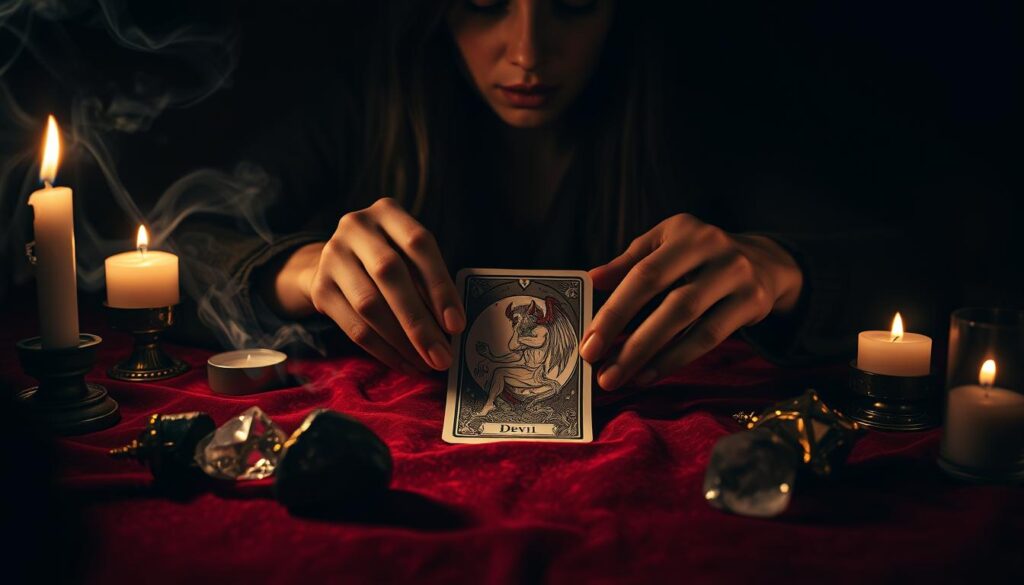
A spread’s context shifts meaning: some cards will heighten grip, others hand you a rope to climb out.
How to interpret intensity
Look at nearby cards to gauge force. Heavy suits or Major Arcana can amplify a hold on habits or addiction. Compassionate cards, like healing or support figures, soften that tone and point to help.
In challenge or hidden-influence positions, treat this card as a cue to name patterns that hold back progress. In advice positions, expect a nudge toward clear limits and one simple next action.
Action steps in a reading
Start small: name one habit, pick one boundary, and test it for one week. Track results and adjust.
- Use support: mentors, peers, or professionals when unhealthy attachments or addiction appear.
- Try simple tools: urge-surfing, a 24-hour pause before big choices, and cord-cutting visualizations.
- Journal prompts: “What do I gain from this pattern?” and “What would freedom cost me?”
“Awareness, followed by one clear boundary, often shifts momentum more than a long plan.”
| Context | Sign | Practical step |
|---|---|---|
| Amplifying cards nearby | Control, collapse | Name one pattern; set a micro-boundary |
| Soothing cards nearby | Support, healing | Ask for help; join a peer group |
| In challenge position | Hidden influence | List one habit to change this week |
| In advice position | Action urged | Take a micro-step toward career or life change |
Apply this lens to career: map where fear keeps you stuck, then take a small step—update a resume or ask for a boundary—to break free while honoring others affected.
For a related spread on feeling stuck in love and work, see Four of Cups for ideas on naming desire and shifting focus.
The Devil Across Decks and Lived Experience
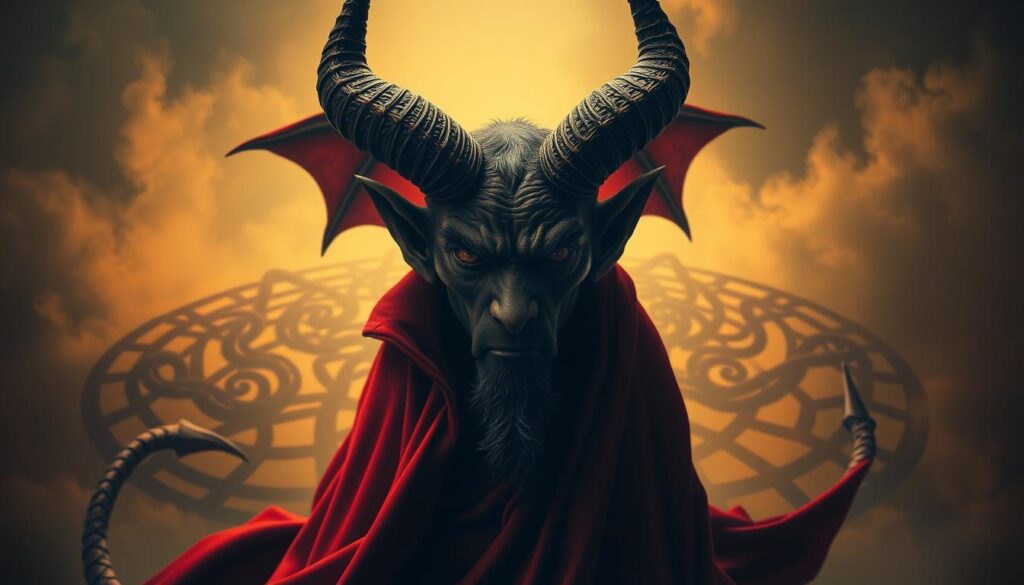
Across decks, artists keep a core message while changing tone through color, posture, and props.
Comparing RWS and modern decks
Rider‑Waite‑Smith uses a stark, horned figure over loosely chained figures to dramatize hold and habit.
Modern interpretation often swaps heavy chains for strings, masks, or mirrors. That shift softens fear and invites reflection.
Choose a deck that matches your practice. Some art provokes urgency. Others encourage careful integration.
Healthy pleasure, sexuality, and sacred boundaries
Consent and clear limits turn desire into safe exploration rather than harm. Use safe words, aftercare, and check‑ins in intimate settings.
- Practice: name one trigger and agree on one boundary with a partner.
- Ritual: try a small experiment that pairs fun with responsibility.
- Integrate: redirect excess energy into creative or physical outlets when cravings arise.
“Freedom grows when curiosity meets clear limits that protect self and others.”
| Visual style | Message | Practice |
|---|---|---|
| Chains (RWS) | Entrapment & choice | Name one pattern |
| Strings / masks | Reflection & consent | Agree on safe words |
| Mirrors | Shadow integration | Ritualize a small boundary |
Celebrate agency: knowing triggers, sharing power, and honoring honest limits helps relationships and self stay healthy.
Conclusion
Wrap up by noticing how small choices change patterns over time.
This major arcana card points to where we give away power and how to take it back. Upright reads show compulsion, secrecy, and traps in life, work, or career. Reversed reads mark release, accountability, and renewed freedom.
Turn meaning into action: list three things you will change this week, name the habits that trip you up, and pick one way to make the next choice easier. Progress compounds when you add friction for old impulses and support for better ones.
Look at the man and woman, their loose chains, and the tails: what binds can teach. Hold control lightly, act with compassion, and treat setbacks as data. When this card appears, take a breath, name a pattern, and make one timely move to break free.
FAQ
What does the Devil card symbolize in the Major Arcana?
This card points to chains that feel real but can be loose, representing habits, addiction, and limiting beliefs. Imagery like horns, bat wings, and the inverted pentagram highlights shadow material urges and the pull of earthly pleasure and power.
Why are the man and woman shown with chains that appear loose?
The loose chains suggest choice. They may feel trapped by patterns or roles, yet the image invites examination of self-imposed limits and the possibility of stepping away from unhealthy attachment.
How should I read this card in a love or relationship spread?
Upright, it often signals codependency, lust, or communication breakdown. Reversed, it can show release from co-dependent patterns, clearer boundaries, and restored self-respect. Look at nearby cards for context.
What does this card indicate about career and work?
At work it can mean feeling stuck, self-sabotage, or unhealthy power dynamics. It asks you to notice where fear or obsession limits choices and to take steps toward accountability and healthier roles.
Does the card always mean something negative?
Not always. While it highlights shadow aspects — temptation, excess, and control issues — it also offers an opportunity for insight and change. The card can be a wake-up call to reclaim freedom and agency.
How does reversal change the meaning?
Reversed readings emphasize release: breaking addictions, shedding limiting beliefs, and gaining independence. It often suggests active work toward healthier patterns and support seeking.
Which cards amplify or soften this card’s message?
Cards like Strength or Temperance can soften the intensity, pointing to resilience and balance. Swords or Wands may amplify conflict or obsession. Always read combinations to gauge urgency and path forward.
How can I take practical action after drawing this card?
Set clear boundaries, seek support from therapy or groups, track triggering patterns, and practice small steps that rebuild autonomy. Shadow work and honest communication help convert insight into change.
How does imagery vary across decks, and does that affect interpretation?
Classic Rider–Waite–Smith imagery emphasizes the inverted pentagram and chained figures; modern decks may highlight pleasure, sexuality, or cultural symbols. Core themes remain about power, desire, and choice, but deck art can shift tone and nuance.
Can this card relate to finances?
Yes. It can point to compulsive spending, debt driven by habit, or risky money behavior. Reversed, it often signals steps toward fiscal responsibility and breaking costly patterns.
Is this card about literal evil or supernatural harm?
No. It functions as a psychological mirror, not a literal omen. It asks you to confront what holds you back — addiction, fear, or unhealthy pleasure — and to reclaim power rather than fear outside forces.
How soon might I see changes after addressing issues shown by this card?
Timing varies. Small shifts can appear quickly when you set boundaries and ask for help; deeper habit change can take months. Use regular readings and concrete goals to track progress.