

This guide reframes a feared Major Arcana figure as a symbol of change and renewal. The classic image shows a living skeleton in armor on a white horse, holding a black flag. The armor signals invincibility, the horse suggests purity, and the scene reminds us that all classes meet the same ending.
Upright, the death tarot card points to transformation, endings that make space for new beginnings, and healthy release. Reversed, it often shows resistance, stagnancy, or repeating old patterns that block growth.
We will unpack symbolism, upright vs. reversed meanings, and practical ways to use this archetype in life, relationships, work, and money. Expect clear, friendly steps to move through transitions with less fear and more purpose. For a related look at steady progress in practice, see Eight of Pentacles.
Key Takeaways
- Not literal: This major arcana image usually signals symbolic endings and renewal.
- Upright means transformation, letting go, and new beginnings.
- Reversed flags resistance, stagnancy, or repeated negative patterns.
- Understanding its meanings reduces fear and supports intentional change.
- Apply its lessons to relationships, career moves, finances, and self-growth.
What the Death Card Really Means Today
When this symbol appears it often signals the end of a major phase and the start of fresh possibilities. It asks you to see endings as practical steps that clear room for new life patterns.
Reframe it as a mirror for real transitions: graduations, relocations, breakups, or shifts in identity. Letting go of old beliefs or roles makes space for healthier patterns to grow.
Change can sting. Resisting necessary endings may increase emotional or physical pain. Visualizing new options helps constructive habits emerge and calms fear.
In relationships, this image often marks evolving dynamics — ending stale routines or starting a phase that fits your true needs today.
- Ask: which one area of life is ripe for release?
- Pick a small, compassionate step to honor the end.
- Journal about what’s ending and what might appear next.
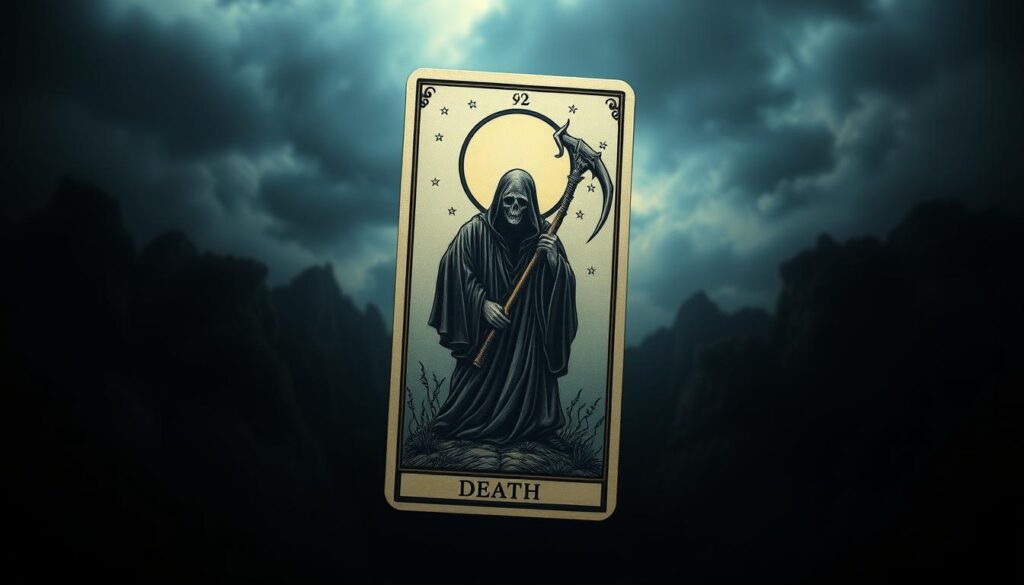
For a related perspective on steady progress and healing after endings, see Three of Swords explanation.
Death Card Symbolism in the Major Arcana
The scene is a compact lesson in endings that lead to renewal. A living skeleton in armor rides forward, surrounded by symbols that point to inevitable change and what remains after transformation.

The skeletal figure in armor: inevitability and inner renewal
The armor speaks to an unstoppable force. It suggests acceptance rather than defeat.
Bones show what stays after identities fall away: the essential self that can rebuild.
The white horse and black flag: purity, cycles, and transformation
The white horse signals cleansing and a clear path through cycles. The black flag’s stark motif frames endings as part of a natural order.
Together they tell a story: loss can be the doorway to luminous rebirth.
All classes beneath the rider: equality, endings, and new beginnings
Figures from every walk of life—royalty and the poor—lie in the same dust. This shows no one is exempt from change.
When this tarot card appears, ask which role you can release to move with the cycle instead of resisting it.
| Motif | Visual | Practical meaning |
|---|---|---|
| Skeletal figure | Armor and bones | Inevitability; what persists after endings |
| White horse | Pure mount | Cleansing; safe passage through change |
| Black flag | Dark field with light motif | Endings framed within a natural cycle |
| People beneath rider | King, pauper, others | Shared thresholds; equality of endings and beginnings |
- Deck art shifts, but the key motifs help you read the archetype across styles.
- If the imagery triggers pain, use gentle reflection to find closure before change.
- See yourself as a partner in transformation, not a passive victim.
Tarot Card Death Upright: Change, Transition, and Letting Go
This upright image asks you to finish a chapter so fresh opportunity can take its place.
Core meaning: A decisive transformation is underway. Close what no longer serves, then direct your energy toward clear beginnings.
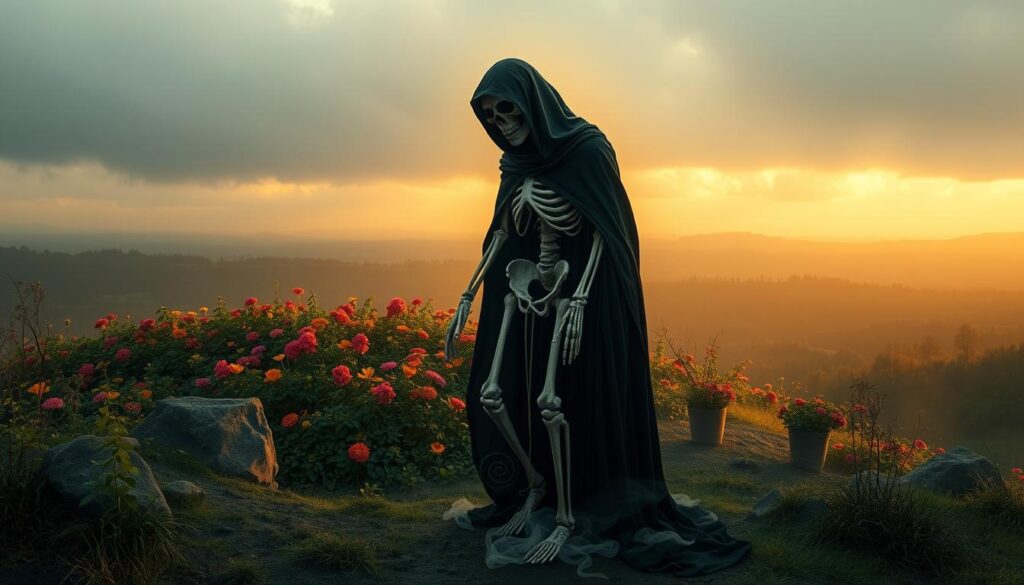
Love and relationships
Embrace change by having brave conversations, revising commitments, or choosing a respectful release when growth stalls.
It can also signal a new era—engagement, renewed trust, or healthier habits that reshape intimacy.
Career and work
This period favors purposeful moves over comfort. Volunteer for change, seek roles that match values, or step away from apathy to regain mastery.
Money and resources
Loss may prompt practical shifts. Build a lean budget, redefine “enough,” and turn disruption into smarter stewardship.
“One conscious choice can redirect your trajectory.”
- Reflect: Which past belief keeps me stuck?
- Act: Declutter, update routines, and mark the threshold with a small ritual.
- Practice: Pair endings with focused plans to accelerate momentum.
For steady, practical progress after transitions, see a related look at work and practice in Seven of Pentacles.
Death Tarot Card Reversed: Resisting Change and Repeating Patterns
In reverse, this archetype highlights patterns that replay instead of releasing, trapping you in limbo.
Core reversed meaning: Stagnancy often shows up as fear of the unknown and tightened attachments. You may feel time pressing in while you keep holding back.

Love and relationships — clinging, revival, and healing
Clinging behaviors look like staying from habit rather than choice.
Identify avoidance, obligation, or dependence. Heal small wounds before reviving old dynamics.
Career and work — looping behaviors that drain growth
At work, patterns such as impostor feelings or defensiveness repeat if untested.
Run one small weekly experiment to try a healthier habit and watch momentum shift.
Finances — failing to adapt and lessons unlearned
Denial makes loss worse. Start with a simple dashboard: track essentials, renegotiate bills, and align spending with values.
- Name the fear to loosen its hold.
- Try a seven-day micro-reset: pause one habit and observe the ripple.
- Choose compassion over judgment; resistance often protects tender parts.
“When you stop resisting, energy returns, clarity sharpens, and progress resumes.”
Support matters: Seek therapy, mentors, or community to turn private struggle into guided renewal. Embrace change as choosing your path, not chaos.
How to Read the Death Card in a Spread
Open a spread with a calm scan: spot signals of closure, shift, or fresh direction before tying them to specific areas of life.
Keywords to watch
Keywords to watch: endings, transition, release, transformation
Note these anchor words first. They frame your intuition so you avoid dramatic or literal conclusions.

A step-by-step process for timing, context, and adjacent cards
Step 1: Check position (past / present / future) to get a time sense.
Step 2: Note upright or reversed orientation and pair that with nearby majors or suits.
Step 3: Read adjacent cards for scope—majors hint at big life moves; Pentacles point to resources and practical plans.
Avoiding literalism: when not to fear “death” in readings
Read this symbol as cycle work, not a physical omen. It usually signals endings that make room for new growth.
If The Tower appears nearby, expect faster upheaval. If The Hanged Man is present, anticipate a pause before change unfolds.
| Focus | What to check | Practical question |
|---|---|---|
| Timing | Position in spread; nearby majors | Is this ending now, soon, or preparatory? |
| Context | Upright vs reversed; suits nearby | Is this about feelings, work, or resources? |
| Action | Pentacles or Wands influences | What budget, skill, or small step helps this shift? |
Quick steps you can take this week: name one ending, list two supports, and try a small practical move to honor transition.
For a spread-focused practice that helps steady attention, see Four of Swords.
Comparing Death Across Decks and Clearing Misconceptions
Across styles, the core motifs hold—but color, posture, and setting change the message.
Art and symbolism shifts across decks and how they guide meaning
Artists tweak tone: some decks show stark monochrome scenes while others use warm hues. That shift softens or sharpens the mood.
Posture, background, and props tweak whether the image feels like sudden loss, quiet clearing, or steady renewal.
Pick a deck you feel connected to. That bond improves intuitive reading and brings subtler interpretations to light.

From “bad” to beneficial: misunderstood cards and how they help
Some cards earn a scary reputation but often serve a healing purpose.
Examples: The Tower can clear what was unsustainable. The Devil points to authenticity under strain. Three of Swords and Eight of Cups invite learning from pain.
Use multi-card readings to soften extremes. Context cards reveal whether an ending supports new growth or signals a needed repair.
“Art, context, and experience together shape better interpretations than fear alone.”
| Visual shift | How it reads | Practical take |
|---|---|---|
| Dark palette, harsh lines | Urgent collapse; fast change | Plan for immediate action; seek support |
| Soft colors, open sky | Gentle ending; room for renewal | Make small steps; honor rest and rebuilding |
| Symbol-rich background | Layered meaning; personal myth work | Meditate on details; let nuance guide choices |
Quick framework: if the figure appears with The Tower, expect rapid structural change. If it pairs with Cups, prepare for emotional evolution.
Finally, examine your beliefs about these images. Curiosity replaces fear and opens readings to richer, kinder interpretations. For a related take on conflict and growth, see Five of Swords.
Tarot Card Death: Meaning in Everyday Life
Small shifts at home and work help you move from old patterns into fresh options. Use practical steps to translate symbolism into everyday change.
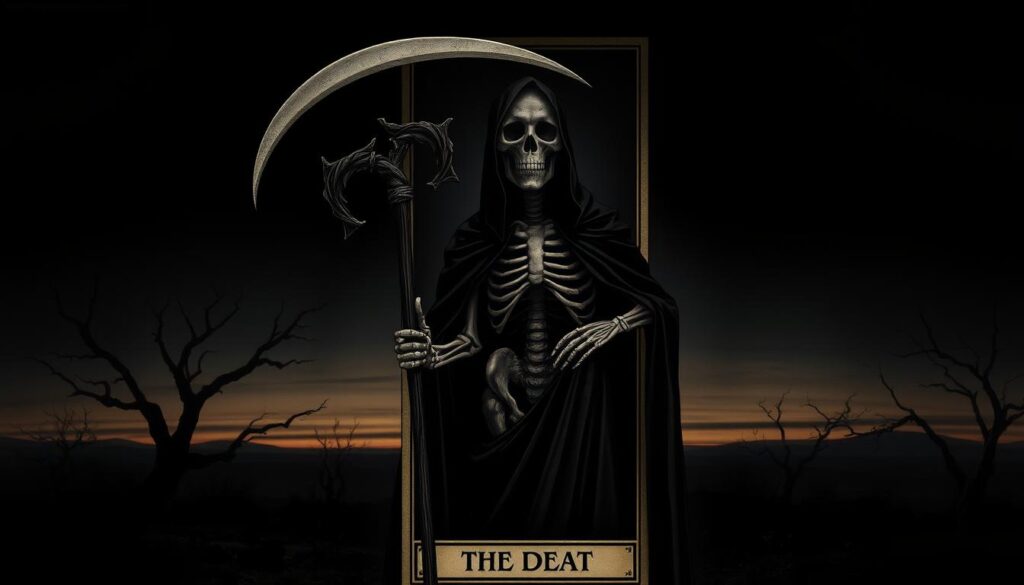
Breaking habits and attachments: practical actions to embrace change
Audit habits: list routines tied to the past. Pick one habit to release and track energy for two weeks.
Rituals help: declutter a meaningful space, write a closure note you don’t send, or mark a new beginning with a simple act.
Career micro-actions: refresh a portfolio, take a short class, or schedule an informational chat to open opportunity.
Emotional landscape: feelings, energy shifts, and new beginnings
Expect waves—grief, relief, and curiosity—as part of the process. Treat pain as information: ask what it needs and make one concrete adjustment.
Stabilize change with body-based resets: sleep, walks, and breathwork so transformation feels embodied.
- Daily reflection: “What small change aligns me with who I’m becoming?” Answer in a sentence; act by noon.
- Try a card one pull each morning and journal three lines on practical application.
- Use weekly reviews, habit trackers, and community check-ins to keep change sustainable.
| Focus | Practical Step | Timeline |
|---|---|---|
| Habits | Audit and drop one ritual | 2 weeks |
| Career | Update portfolio or network | 1 month |
| Emotional care | Daily breathwork and one support check-in | Ongoing |
Conclusion
Let these closing notes guide one calm, practical step toward renewal.
The death card appears not as an end but as a prompt to release the old so new life can grow. Treat this image as a tool for clear, compassionate change and useful transformation.
Use the steps and keywords here to navigate transitions with steady attention. Focus on one small action, check what helps, and give yourself time.
Your interpretation skills will deepen with practice: return to the symbolism, read neighboring cards, and trust the process. Change is not happening to you alone—you are shaping what comes next.
FAQ
What does the Death card represent in a reading?
It signals major transition, the end of one chapter and the start of another. The imagery points to transformation, not physical harm. In practice, this card invites release of old patterns and a willingness to reshape priorities.
How should I interpret this card when it appears upright?
Upright it often means clear forward movement: endings that create space for growth. Expect necessary change in relationships, career paths, or daily habits. The emphasis is on letting go and embracing new opportunity.
What if the card comes up reversed?
Reversed suggests resistance to change—stuck routines, fear, or clinging to the past. It warns that avoiding transformation delays positive outcomes and calls for conscious effort to release attachments.
Does this symbol always mean a literal ending of life?
No. The figure and imagery are metaphorical, focusing on cycles and renewal. Most readers use it to discuss endings, transitions, and inner rebirth rather than literal mortality.
How does context affect meaning in a spread?
Nearby cards shape how intense or gentle the transition will be, and timing can change with position. Look for supporting signs about relationships, work, or finances to see where the shift applies.
Can this card indicate career change?
Yes. It frequently points to job shifts, role changes, or a realignment of purpose. It encourages prioritizing meaningful work over comfort and adapting when roles evolve or end.
What does it imply about love and partnerships?
In matters of the heart, it asks whether old dynamics need release. That may mean evolving together, ending a relationship that no longer fits, or healing to create healthier bonds.
How should I handle finances when this card appears?
It highlights the need to adapt: reassess resources, prepare for shifts, and learn from past spending patterns. Loss can be a prompt to rebuild with smarter priorities.
Are there different interpretations across decks?
Yes. Artists and traditions emphasize varied symbols—armor, horses, flags—to steer meaning toward inevitability, purity, or equality. Studying a deck’s imagery helps fine-tune readings.
How can I work with the card practically in life?
Break habits in small steps, set clear intentions for what to release, and seek support during transitions. Rituals like journaling, decluttering, or planning next steps help move through change.
What keywords should I watch for when this card shows up?
Look for endings, transition, release, transformation, and new beginnings. These guide the tone of the message and point to where action is needed.
When is this symbol misunderstood?
People often fear it as ominous. But paired with growth-oriented cards, it becomes one of the most positive signs for renewal. Avoid literal panic and focus on the process of change.