

The rose is one of the most popular choices when people pick body art. It blends classic appeal with modern self-expression and reads as both bold and timeless.
Beyond simple love, this symbol carries layers: beauty, balance, protection from thorns, and personal strength. Many men choose it to mark memory, faith, or hope after loss.
Historically the flower shows up across cultures — from Egypt and Rome to China and Victorian Britain — picking up meanings like fertility, wealth, purity, and remembrance along the way.
This article focuses on how men use the motif to tell stories through design, placement, and color. Expect clear guidance on how color and pairing change intent, plus practical tips to discuss ideas with an artist and make a confident choice.
Key Takeaways
- The motif blends timeless style with modern personal meaning.
- Layers of symbolism include love, beauty, balance, and protective thorns.
- History shows global significance across ancient and modern cultures.
- Color and pairings change the emotional tone and story.
- Practical tips will help match intent, placement, and comfort.
- For more design practice and craft tips see design guidance.
Why Rose Tattoos Resonate with Men Today
A single bloom can signal strength, loss, or quiet confidence depending on its style.
Search intent: people want to know what a floral design says about them, whether it reads as masculine, and how to pick ink that matches intent.
Why these designs still work: they pair universal themes like love and passion with clear visual balance and a protective edge. That mix makes rose tattoos a popular choice across ages.
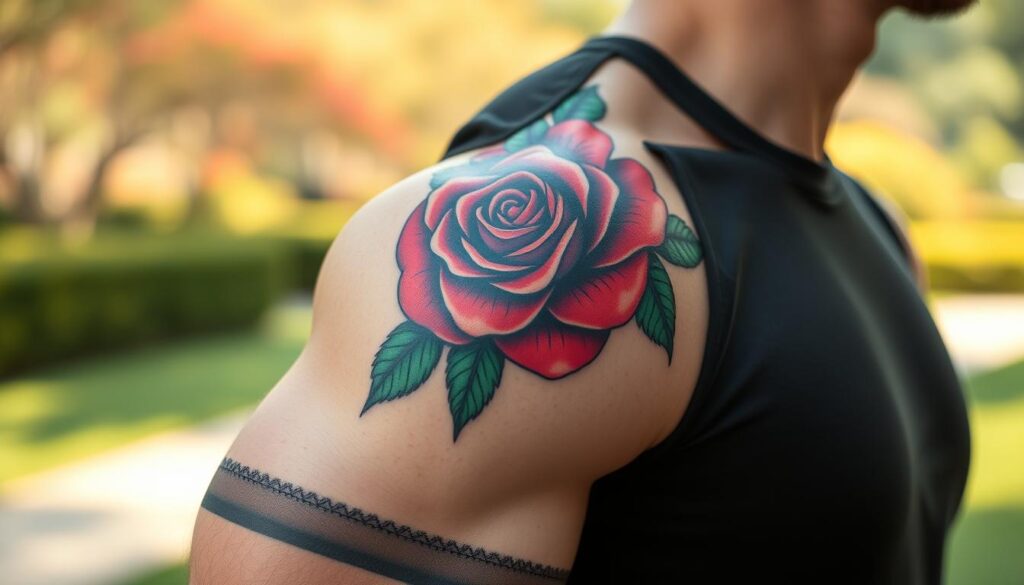
Timeless appeal: balancing love, strength, and style
Modern wearers use roses to show confidence and clarity. Minimalist pieces can be subtle. Bold traditional work reads strong and structured.
People pick placements that suit daily life — small wrist ink, forearm clarity, or chest coverage. Many also combine blooms with clocks, daggers, or script to add narrative without clouding intent.
- Choose a style that reads well on your body.
- Consider color and composition to express passion or restraint.
- Save references and think about aging and visibility before you commit.
| Consideration | Low-key | Statement |
|---|---|---|
| Placement | wrist, behind ear | chest, sleeve |
| Style | fine line, minimalist | traditional, neo-traditional |
| Message | personal, subtle | bold, narrative |
This article will also cover practical decision points like budget and pain tolerance so you feel ready to talk to an artist. If you want guided insight on relationships tied to symbolic work, check a related reading at soulmate readings.
Rose Tattoo Meaning for Guys
A single blossom can act like a compact memoir, holding memory, hope, and grit.
Core themes blend love and beauty while thorns add a practical note of balance and protection. That mix makes many rose tattoos read as more than a romantic nod; they form a full story about life and care.
Personal stories often use a bloom to mark a lost loved one, a recovery milestone, or an aspiration. Red ink tends to link to passion, life, and remembrance, while black can signal farewell yet also courage in dark times.
Masculine readings favor visible thorns and structured lines. A single rose tattoo with pronounced contrast communicates quiet strength and resilience without being loud. Details like petal count, leaf shape, or thorn emphasis also shift the nuance toward gentleness or grit.
When people ask what a tattoo mean, remember these symbols can layer love, hope, and protection in one image. Journal ideas, collect reference photos, and tell your artist what the mark should say so scale and placement support the final story.
Cultural and Historical Roots That Shape the Meaning
Across cultures, the bloom has carried powerful ideas that shaped how people mark life and loss.
From ancient Egypt to Rome and China: early symbolism
In ancient Egypt, the flower linked to fertility and life. It appeared in rituals tied to birth and renewal.
Roman arenas showed it with gladiators, a symbol of courage and spectacle. In China, it was tied to wealth and status.

Medieval and Victorian eras: purity, devotion, and romance
During the Middle Ages, the bloom became a public sign of love and devotion. Poets and painters used it to mark courtship and faith.
Victorian flower language layered on purity and coded messages. People used blooms in letters and jewelry when direct speech was risky.
Modern interpretations: self-expression and identity in the present
Today, men and women adopt the motif as a personal statement. Modern ink blends heritage with narrative, from bold traditional flash to soft realism.
Design cues: laurel accents can hint at Roman energy. Delicate foliage can lean toward Victorian romance. These choices make art feel intentional and rooted.
- Historical threads—fertility, courage, wealth—still shape how people read the image.
- The symbol travelled through literature and visual art, gaining layered meanings over time.
- Hope and life-affirming themes remain central and flexible across eras.
| Era | Common Association | Design Cue |
|---|---|---|
| Ancient Egypt | Fertility, renewal | Full-bloom, paired with life symbols |
| Rome | Courage, spectacle | Laurel, bold lines, dramatic contrast |
| China | Wealth, status | Ornate details, rich color palettes |
| Victorian | Purity, coded devotion | Delicate foliage, soft shading |
If you want deeper context on symbolic pairings and narrative choices, see a related guide at the Lovers Tarot overview. This background helps you pick elements that feel deliberate rather than random.
Color Meanings Guys Often Choose
Color choices shift a design’s voice and tell more than shape alone ever could.
Red blooms are classic because they read as passion, life, and enduring love. Deep reds give dramatic punch in both traditional and realistic styles. They also work well to honor a memory while keeping a strong visual presence on the body.
Black work often signals farewell or loss, but it can equally stand for strength and courage through dark chapters. Many men pick a black approach to show resilience while keeping space for hope—adding small highlights or lighter shading softens the scene without losing impact.
White, pink, and mixing
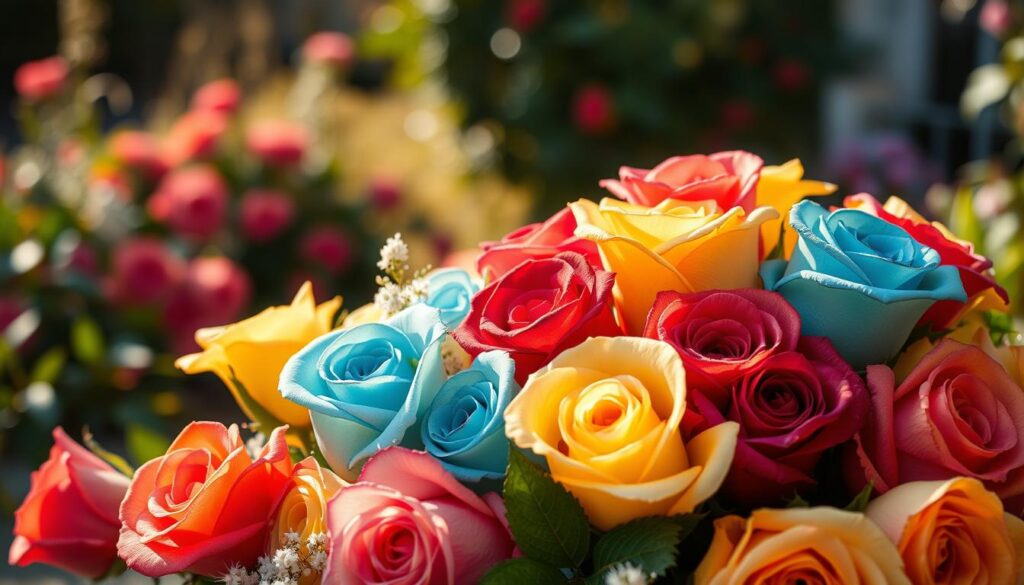
White tends to suggest innocence or new starts. Pink leans toward friendship and appreciation. These hues give wearable pathways that match different stories.
Saturation and shading matter: saturated tones amplify passion and contrast, while muted palettes read understated. Mixing colors layers meaning — red with black links love to hardship, and white accents add purity to bold work.
- Placement matters: pigment in petals and leaves affects legibility on varied skin tones.
- Personal touches: adding a ribbon, date, or initial can personalize the love beauty theme without crowding the artwork.
- Subtle options: grayscale with one colored bloom keeps the focus while aging gracefully.
Plan colors with a seasoned artist and test how pigments heal on your skin. Matching palette to intent will amplify your message more than any trend. If you want a symbolic tie-in, see a related guide at what the World tarot card means.
Popular Rose Tattoo Designs for Men
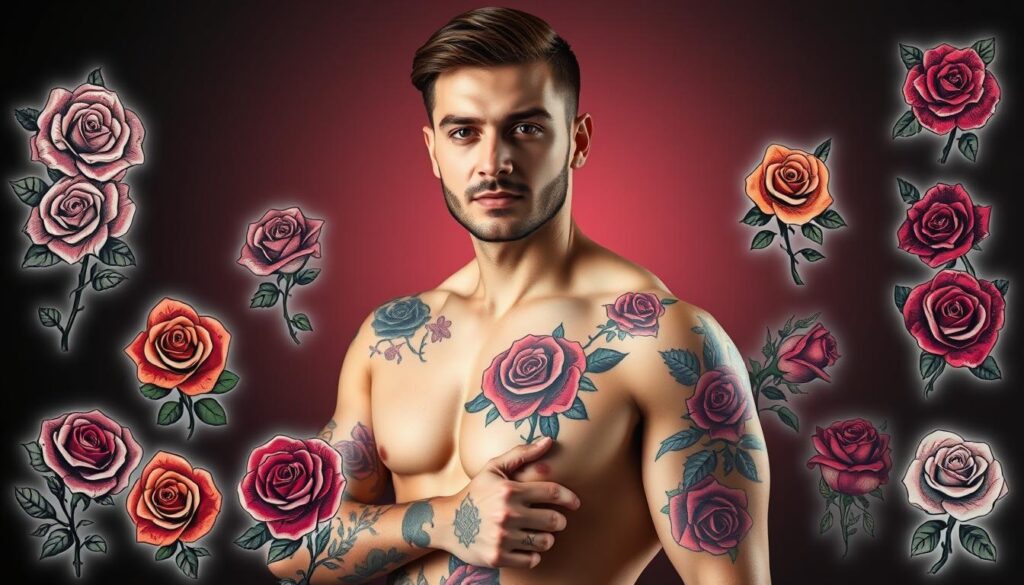
Design choices decide whether a floral piece reads as a private token or a bold statement. Start by thinking about narrative: single blooms often point to self-mastery or a singular devotion. Two blooms create immediate clarity—partners, close friendship, or shared paths.
Roses with thorns signal balance: beauty and danger together. That mix suits men who want a symbol of resilience without losing elegance.
Popular combinations add context. Skulls confront mortality. Daggers suggest sacrifice or protection. Clocks mark life’s time, and animals like eagles or wolves bring trait-based energy.
- Scale: small wrist ink is subtle; chest or back allows complex linework.
- Flow: a stem can follow muscle lines to integrate art with the body.
- Longevity: high-contrast shading keeps petals readable as pieces age.
Test black-and-gray versus color in a mockup and align style—traditional, neo-traditional, or realism—with your intended message. Collaborate on a clear brief and bring reference images or check a related design guide at paired floral design inspiration.
Placement Guide: Where Rose Tattoos Look Great on the Male Body
Choosing placement shapes how the design reads every time you move. It also affects healing, daily visibility, and how the symbol fits your lifestyle.
Forearm and wrist: visibility and everyday meaning
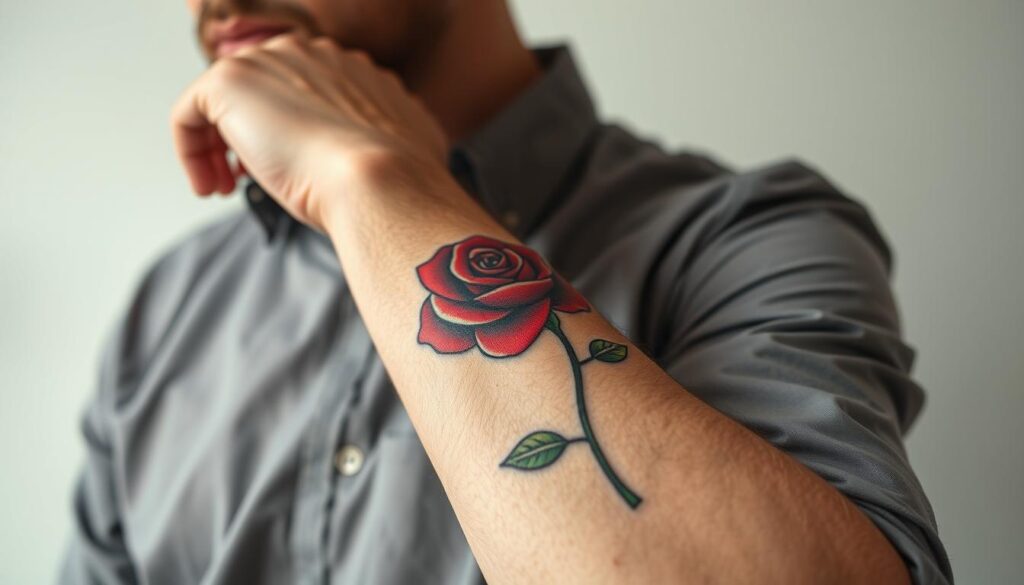
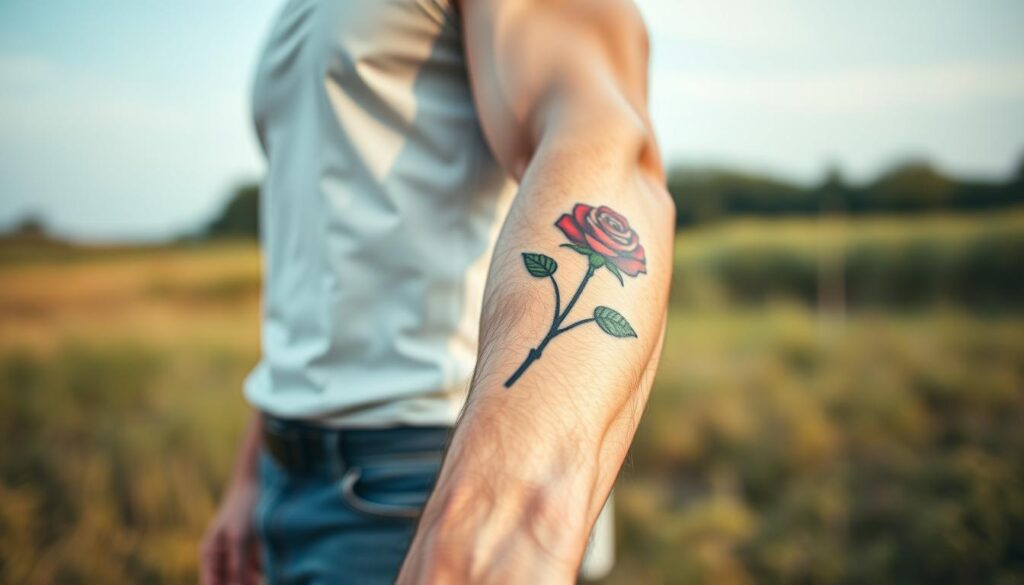
The forearm is a top choice because it offers daily visibility without feeling overexposed in formal settings. A small wrist piece works well as a minimalist marker of a date or initial.
Tip: Try simple mockups on the wrist to test scale before you commit.
Chest and shoulder: strength, protection, and heart-adjacent symbolism
Chest and shoulder placements read as protective and strong. They sit close to the heart and allow room for thorns, leaves, or script and layered shading.
These areas heal differently than the arm, so plan aftercare and expect deeper shading sessions if you want lasting depth.
Back, sleeve, and hand: commitment, coverage, and style impact
Sleeves and backs let you tell a fuller story with multiple blooms and motifs. A hand piece signals high commitment and constant visibility.
Remember: tattoos often look different in motion. Test poses or video to see how petals and stems shift when a joint bends.
“Placement first, scale second — that way the design stays legible and balanced from every angle.”
- Flow: Align stems with muscle lines to make art feel alive.
- Comfort: Consider pain, healing time, and workplace visibility before choosing an area.
- Care: High-exposure spots need more sun protection to preserve detail.
| Area | Why it works | Aftercare & notes |
|---|---|---|
| Forearm | Daily visibility, easy to cover if needed | Moderate healing; test motion for flow |
| Wrist | Good for small, meaningful marks like dates | Sensitive spot; expect touch-ups |
| Chest/Shoulder | Protective feel; room for depth | Longer sessions; careful shading retains detail |
| Back/Sleeve | Best for storytelling and multiple roses | Requires layered planning; sun protection essential |
Final note: Pick the placement first, then decide scale and detail. The best choice is one you’ll enjoy seeing every day while matching your work and care routine.
Style Choices That Shape Meaning and Vibe
How you style a floral piece decides whether it announces or whispers your story. Pick a direction before you book a session so your design and final placement match your intent.
Traditional and neo-traditional: bold lines and color pop
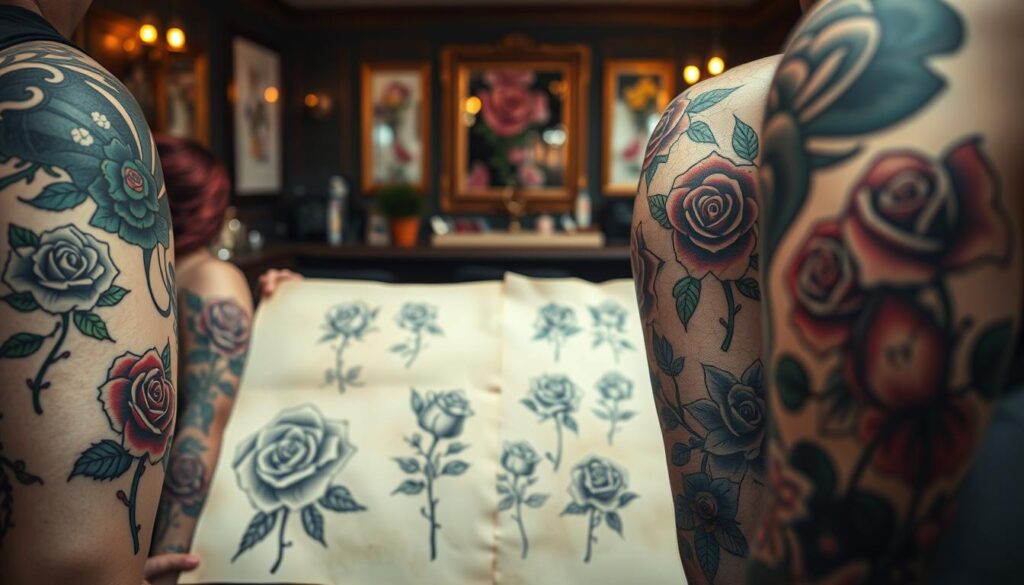
Traditional and neo-traditional use thick outlines and saturated pigment. That makes a design read confidently at a distance and stay legible as skin ages.
These styles suit statements that lean toward visible strength and classic flash.
Black-and-gray realism: depth, maturity, and subtle intensity
Black-and-gray realism relies on shadow and texture to create depth. It reads mature and timeless without heavy color.
This option is great when you want nuance and a piece that shows life and age through soft gradients.
Fine line and minimalist: understated symbolism
Fine line pieces favor minimal ink and airy composition. They work well on the wrist or as a quiet accent beside larger work.
Keep spacing generous so thin lines don’t blur during healing.
Lettering, dates, and names: honoring a loved one
Adding names or dates personalizes an image and anchors it to memory. Use clear type and allow negative space so letters remain readable over time.
- Mix techniques: pair realism with neo-traditional elements to balance impact and narrative.
- Test scale: use stencils or digital mockups to confirm line weight and petal separation.
- Plan maintenance: high-saturation color needs different aftercare and touch-ups than delicate linework.
| Style | Visual Cue | Best Use |
|---|---|---|
| Traditional / Neo-traditional | Bold outline, saturated color | Statement pieces; chest, sleeve |
| Black-and-gray realism | Soft gradients, shadow work | Subtle, mature tributes; back, shoulder |
| Fine line / Minimalist | Thin strokes, open space | Small wrist marks; understated symbolism |
| Lettering additions | Clear type, generous spacing | Honor a loved one; dates, initials |
“Match style to message: bold flash reads like resilience, while grayscale realism can feel quietly steadfast.”
Conclusion
This emblem stays timeless because it combines tenderness and toughness in one clear symbol. A rose tattoo remains a popular choice, blending love, beauty, strength, and balance across styles and placement.
Color shifts the voice — passionate reds, reflective blacks, and grayscale each carry different feeling. Connect petals, leaves, and thorns to your story so the symbol reads true to the wearer.
Choose placement with intention so the ink and body move together and the piece will look great for years. Pairing with subtle motifs or lettering can add depth, but restraint keeps the message clear.
Lean on history and culture for ideas, then refine details with an artist. Gather references, define what the design should say, and book a consult to turn intent into standout work. For design planning, see this guide.
FAQ
What does a rose tattoo typically symbolize for men?
A floral ink often stands for love and beauty while also carrying tougher themes like strength and resilience. Men choose this motif to show balance — softness paired with protection from the thorns — or to mark a personal milestone or memory.
How do color choices change the design’s message?
Different hues shift the tone: red signals passion and enduring affection, black leans toward farewell or courage through hardship, and lighter shades such as white or pink suggest innocence, friendship, or subtlety. Color helps tailor the design to a specific feeling or story.
Which placements look best on the male body?
Forearms and wrists offer daily visibility and casual meaning. Chest and shoulder placements connect to protection and the heart. Larger canvases like backs or sleeves allow for dramatic compositions and added elements like skulls, clocks, or daggers.
What styles work well for masculine interpretations?
Traditional and neo-traditional styles deliver bold lines and vivid color for a classic vibe. Black-and-gray realism gives depth and maturity. Fine-line or minimalist versions suit subtle symbolism, while lettering or dates personalize the piece.
Can a single floral element represent relationships?
Yes. One bloom can honor a loved one or personal growth. Two flowers often symbolize partnership or friendship. Placement and accompanying motifs help clarify the intended connection.
Are thorned designs common and what do they mean?
Very common. Thorns emphasize that beauty and pain coexist, highlighting protection, sacrifice, or life’s dualities. They add grit to an otherwise gentle motif and often make the design feel more balanced for men.
How do cultural and historical roots affect modern choices?
Historical associations from ancient civilizations through the Victorian era add layers of meaning — devotion, purity, remembrance. Contemporary ink blends those roots with personal identity and self-expression, so a design can honor tradition while fitting today’s style.
What should I consider when combining roses with other symbols?
Think about the narrative. Pairing a bloom with a dagger or skull signals sacrifice or mortality, while clocks or compasses suggest time and direction. Make sure each motif supports the story you want the artwork to tell.
How do I pick the right size and placement for daily life?
Consider visibility, workplace norms, and lifestyle. Small wrist pieces are discreet and personal. Larger chest or sleeve pieces make a statement but require commitment. Talk with a reputable artist to match scale and flow to your body.
Can floral designs be masculine without looking feminine?
Absolutely. Choice of line weight, shading, color palette, and surrounding elements creates a masculine aesthetic. Bold outlines, darker tones, and complementary symbols like animals or geometric shapes help achieve a strong, balanced look.
How long does a typical piece take to heal and what aftercare helps preserve it?
Surface healing usually takes two to three weeks; full settling can take a few months. Follow the artist’s aftercare: keep it clean, moisturized with recommended ointment, avoid sun exposure, and skip soaking in pools until fully healed to protect color and detail.
Are there popular artists or studios known for floral work I can research?
Yes. Look for established studios with portfolios in neo-traditional or realism, such as Sailor Jerry-influenced shops for classic looks or contemporary studios specializing in fine-line realism. Review portfolios and client reviews before booking.
What’s a good way to make the design personal or unique?
Add elements that reflect your story: initials, dates, a specific bloom variety, or motifs tied to hobbies or heritage. Collaborate with an artist to customize composition, color, and placement so the piece becomes a personal emblem rather than a generic image.