
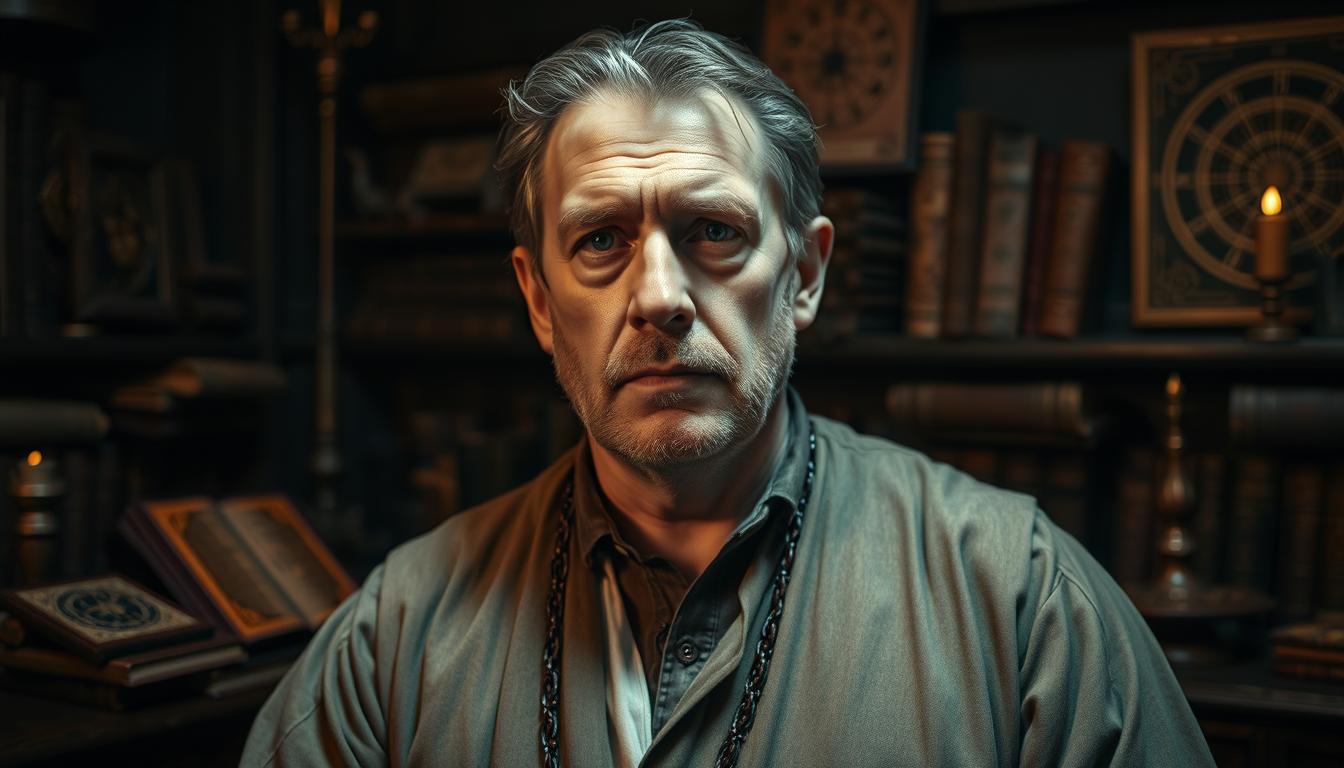
Michel de Nostredame was born in December 1503 in Saint-Rémy-de-Provence and passed away on July 1 or 2, 1566, in Salon-de-Provence at age 62.
This brief introduction sets the scene for his life, the key date of his passing, and the role his work played across the world.
Nostredame is best known for Les Prophéties (1555). He served as an apothecary, physician, and astrologer, and he linked with the French court under Catherine de’ Medici.
The timeline shows how time and major events shaped his reputation. It also previews the places and people that mattered in his career.
For a deeper look at his writings and court ties, see this profile. The next sections explore how a single life intersected with many moments that still spark interest today.
Key Takeaways
- Nostredame lived from December 1503 to July 1–2, 1566, dying at 62.
- He was an apothecary, physician, astrologer, and author of Les Prophéties (1555).
- His work connected him to the French royal court and to people across Europe.
- Time and events like disease outbreaks and royal politics shaped his career.
- His date of death helps frame his legacy in cultural and historical context.
How old was Nostradamus when he died
Quick fact: Born December 1503 and passing on the night of July 1–2, 1566, he was 62 years old.
Where and when he passed
Contemporary reports place his final night in Salon-de-Provence, where he spent his later years. The recorded date of that night is July 1–2, 1566, which gives the clear span of his life.
Numbers that matter
The calculation is straightforward: birth in December 1503 to the July 1566 event totals 62 full years.
He gained fame as a french astrologer, physician, and apothecary. His book Les Prophéties contains 942 quatrains that readers linked to later predictions.
“The facts — birth month, final night, and the place — are all that are needed to confirm his age.”
- Age at passing: 62 years.
- Recorded night: July 1–2, 1566 in Salon-de-Provence.
- Noted for quatrains in Les Prophéties and a public role as an astrologer.
For a year-by-year look at his forecasts, see predictions by year.
From Saint-Rémy to scholar: early life, family roots, and education
Born in December 1503 in Saint-Rémy-de-Provence, record books show a family that had converted from Judaism to Catholicism one generation earlier. This inheritance shaped the household identity and the name recorded in local files. His father, Jaume de Nostredame, served as a notary, tying the household to civic life.
Birth and background
The family background mattered for social standing and access to learning. Young men from similar homes often pursued study or trade. That connection explains why formal education looked like a clear path.
University of Avignon and the plague
He enrolled at the University of Avignon as a teenager, but studies stopped when the school closed during a severe plague outbreak. This disruption pushed him into practical work and changed his course.

Attempt at Montpellier and the apothecary expulsion
After years as an apothecary, he tried for a medical doctorate at the University of Montpellier in 1529. The institution expelled him because university rules barred those who had practiced a manual trade. That tension between trade and formal training is a key reason why nostradamus began to blend practical remedies with broader public roles.
“A mix of family roots, interrupted study, and hands-on work set a foundation for later public life.”
For an updated look at later writings and modern interest, see the 2025 predictions.
Medicine, plague, and personal tragedy that shaped his path
Practical apothecary skills and personal sorrow drove his early contributions to plague relief. He trained as an apothecary, blending hands-on preparation with growing public demand for simple, fast treatments.

Apothecary work and the famed “rose pill”
At the bench he developed dietary tips and a small tablet known as the “rose pill.”
Contemporaries credited this preparation with easing symptoms and offering hope during outbreaks. These remedies reflected the era’s practical approach to care.
Early marriage and a devastating loss
He married in Agen in 1531, but tragedy struck in 1534.
His wife and two children succumbed to the plague; accounts note how closely the crisis affected family life and resolve. The loss hardened his commitment to public service.
Return to practice across Provence
In 1545 he worked alongside physician Louis Serre during a severe outbreak in Marseille.
He later served communities in Salon-de-Provence and Aix-en-Provence, applying lessons from past outbreaks. His efforts tied practical knowledge of medicine to urgent, front-line care.
“Personal loss and field experience combined to form a practitioner who answered the crisis of his day.”
- Built apothecary experience and practical remedies.
- Family tragedy during the plague deepened public commitment.
- Supported other physicians and towns across Provence.
Family life in Salon: Anne Ponsarde, six children, and civic ventures
By 1547 he chose Salon-de-Provence as a permanent base and built a household that would anchor his public life.
Remarriage brought stability. He married Anne Ponsarde, a wealthy widow, and their family life helped calm years marked by plague and travel.
Remarriage, household, and the Canal de Craponne investment
The couple raised six children — three sons and three daughters — and that steady household tied him to local affairs.
Beyond parenting, they took a civic step. Between 1556 and 1567 they held a one-thirteenth share in Adam de Craponne’s Canal de Craponne project.
This investment showed he took part in public improvements. The canal brought Durance water to dry lands around Salon and the Crau, aiding agriculture and trade.
“Household duties and civic work gave him roots in a town that supported both his practice and writing.”
- Anne Ponsarde managed finances and daily life that let public work continue.
- The Canal share reflected confidence in Salon’s future and helped neighbors.
- Raising six children anchored the household and community ties.
| Year | Household | Civic Investment | Impact |
|---|---|---|---|
| 1547 | Marriage to Anne Ponsarde; settled in Salon | — | Stable family life after plague years |
| 1556–1567 | Raised six children (3 sons, 3 daughters) | One-thirteenth share in Canal de Craponne | Improved irrigation; boosted local agriculture and trade |
| 1550s | Household supported ongoing public work | Collaboration with merchants and landowners | Stronger ties to regional prosperity |
For readers interested in practical development and community ties, see a related guide on personal growth and everyday skill building at practical development for everyday life.
From almanacs to Les Prophéties: the rise of a prophetic reputation
A steady stream of printed almanacs and court commissions turned a regional apothecary into a public figure. Beginning in 1550, annual almanacs offered practical calendars and yearly predictions that readers bought for guidance.
The almanacs tied popular astrology to everyday needs. Wealthy patrons requested horoscopes and paid for personal advice. These pamphlets helped build a wider audience over time.

Les Prophéties (1555): quatrains, sources, and writing methods
In 1555 a major book gathered hundreds of quatrains in mostly French verse. The work used layered language, mixed syntax, and many historical sources to mask meaning.
Scholars note that many prophecies leaned on precedent and literary patterns rather than claimed supernatural insight. The oblique style invited varied interpretations and public debate.
Working with power: Catherine de’ Medici and court influence
Catherine de’ Medici’s support brought court access and wider recognition. He later served as a physician and counselor to the royal household, which amplified the reach of his writings.
“The almanacs and the book combined medical standing, astrology, and authorship into one public role.”
- First almanac: 1550; yearly editions followed.
- Les Prophéties (1555) collected many quatrains into a single book.
- Court ties expanded the audience beyond local patrons.
Illness, final years, and death
The last year of life showed clear signs of medical decline and careful estate planning. By 1566, chronic gout worsened and began to produce painful swelling and fluid retention.
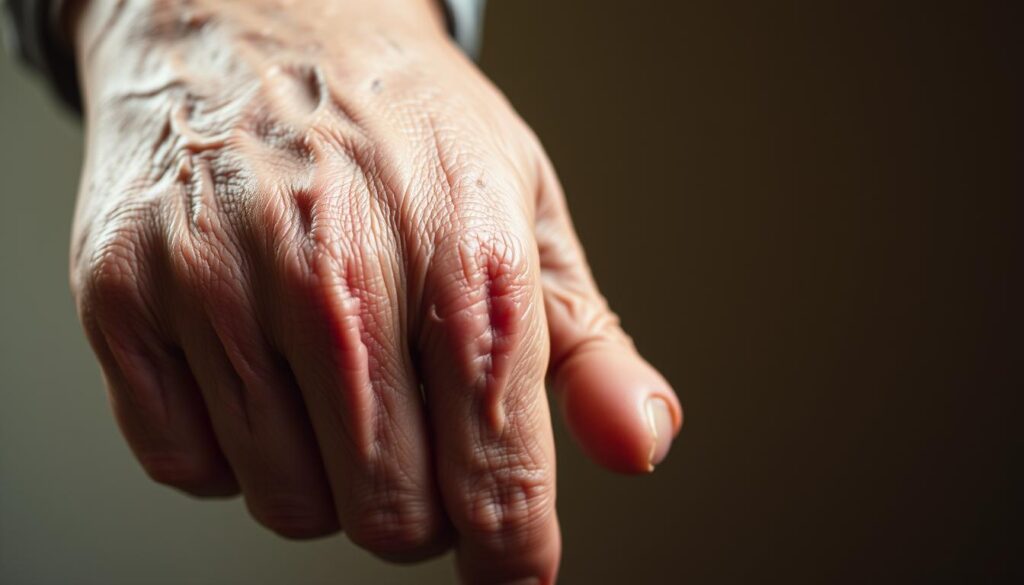
Gout to edema: declining health and the 1566 will
Stiff joints and increasing immobility gave way to edema, a condition tied to fluid buildup and loss of movement.
In late June of that year, a formal will allocated property and funds to his wife and children to secure their future.
Reported last night, burial, and resting place today
At the recorded date on the evening of July 1, a report says he told his secretary he would not be found alive at sunrise. That remark is repeated in many accounts of the death.
“I shall not be found alive at sunrise,” a final line often cited by biographers.
Initially interred in a Franciscan chapel, remains later moved to the Collégiale Saint-Laurent in Salon-de-Provence, where the tomb can still be seen.
- Final months: chronic gout progressed to edema with clear water retention.
- Late June will ensured family support after passing.
- Night of July 1–2, 1566 recorded as the time of death; burial moved to Collégiale Saint-Laurent.
What remains of Nostradamus’s legacy today
The surviving texts have become cultural tools people use to interpret sudden crises and shifting times.

Prophecies, predictions, and how people interpret future events
Many readers today treat the quatrains as direct prophecies and pull lines to match dramatic news. This practice fuels new waves of predictions after wars, economic shocks, or a plague outbreak.
Supporters credit those passages with foreseeing major happenings. Others see pattern-seeking: selective reading makes vague lines feel precise.
Scholarly skepticism: vagueness, mistranslations, and sources
Scholars argue the quatrains rely on biblical, classical, and Mirabilis Liber sources. The language is indirect and layered, which invites many readings.
“Selective quotation and loose translations often create the illusion of exact forecast.”
- Many readers today link prophecies to modern predictions about future events.
- Academics say the lines are too vague to prove precise foresight.
- The works stayed alive because people revisited them after crises.
- Mistranslations and editorial choices helped others present clearer claims.
For a deeper look at published interpretations and full predictions, see this collection of predictions.
Conclusion
The span of his life links practical medicine, printed works, and public service. Born in December 1503, he moved from University of Avignon studies and apothecary trade to printed almanacs and the 1555 book of 942 quatrains. The timeline ends on July 1–2, 1566, at age 62.
Across those years his name became tied to prophecies and later predictions that readers still debate. Personal loss and civic work shaped remedies and a public role as a physician. His works traveled through centuries and reached people across the world.
For readers curious about related paths from public practice to paid work, see a short guide to become a paid psychic. The record of dates, family, and printed quatrains keeps this legacy alive.
FAQ
How old was Nostradamus when he died?
Born in December 1503 and passing in July 1566, he died at age 62.
Where and when did he die?
He died in Salon-de-Provence on July 1–2, 1566, after a period of declining health.
What were his family roots and early life like?
He came from a mixed Jewish and Catholic background and was born in December 1503 in the south of France. His early life included religious and medical influences common to the region.
Did he attend university and how did the plague affect his studies?
He studied at the University of Avignon, where outbreaks of plague disrupted academic life and personal plans, shaping his turn toward practical medicine and remedies.
Why was he expelled from the University of Montpellier?
The university barred non-graduate students from practicing medicine; he then trained as an apothecary, a legal workaround that allowed him to treat patients.
What medical work is he known for during the plague?
He worked as an apothecary and physician, promoted hygienic measures and remedies, and became associated with treatments like the so‑called “rose pill” used against plague symptoms.
Did he have children and did any die from the plague?
He married twice. His first marriage produced two children who died, reportedly during a plague outbreak in the 1530s. He later remarried and had a larger household in Salon-de-Provence.
Who was his wife in Salon and did he have more children there?
He married Anne Ponsarde and established a household in Salon-de-Provence, where records indicate he fathered additional children and engaged in local civic ventures.
What civic ventures did he join in Salon-de-Provence?
He invested in local projects such as the Canal de Craponne and took part in municipal affairs, blending scientific, commercial, and community interests.
How did he shift from medicine to prophecy and astrology?
He began publishing almanacs with annual astrological predictions, which gained popularity. That success led to the larger poetic collection Les Prophéties in 1555.
What are Les Prophéties and how were they written?
Les Prophéties is a collection of quatrains—short four-line verses—compiled and released in 1555. He used classical sources, astrological charts, and symbolic language rather than clear, dated forecasts.
Did he have powerful patrons or royal connections?
He enjoyed patronage and attention from elite figures, including influence at the French court and connections with Catherine de’ Medici, which boosted his reputation.
What illnesses affected him in later years?
In his final years he suffered from gout and edema. He drafted a will in 1566 as his health worsened before his death that July.
Where is he buried and can people visit his resting place today?
He was buried in Salon-de-Provence. The town preserves memorials and a museum dedicated to his life and work that visitors can see today.
What remains of his legacy now?
His quatrains continue to attract popular interest. People link them to major events across centuries, while museums, books, and cultural references keep his name alive.
How do scholars view his predictions?
Academics generally treat the quatrains as vague, symbolic verses. Skeptics point to mistranslations and retrofitting events to texts, while historians study his methods and sources carefully.